Lina Irawan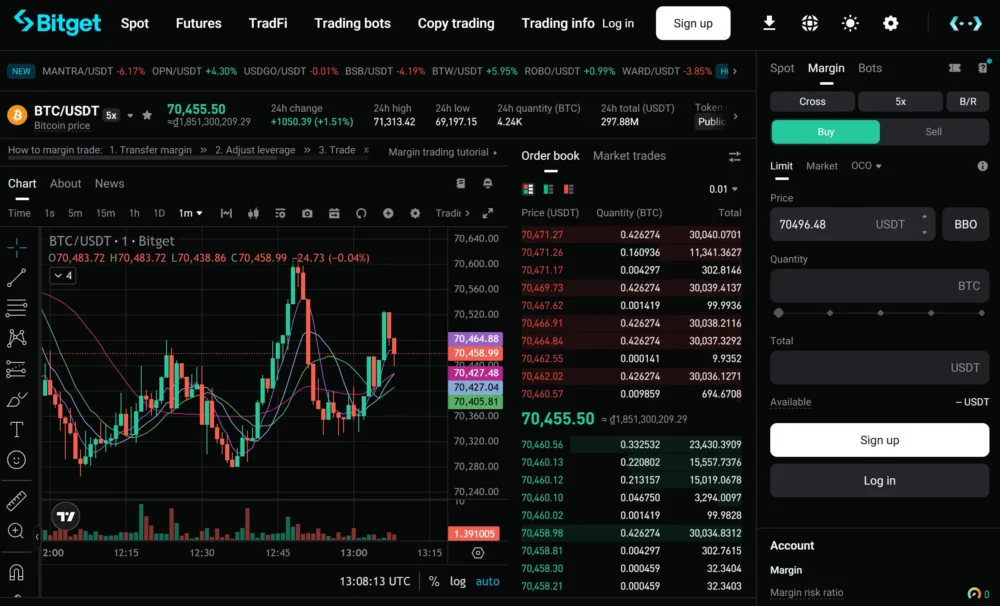
Choosing the right cryptocurrency margin trading exchange is paramount for safeguarding capital against avoidable risks and securing a competitive edge. A platform with fair fees, robust liquidity, and tools that align with a trader’s strategy can significantly enhance the margin trading experience. Conversely, an ill-suited exchange can transform margin trading into an arduous endeavor, with high borrowing costs, weak risk controls, and poor execution eroding gains. This comprehensive guide delves into the leading crypto margin trading platforms, offering quick picks and in-depth reviews. It also demystifies the mechanics of crypto margin trading, contrasts cross and isolated margin, breaks down fees and leverage, and highlights the inherent risks. For traders aiming to find the optimal platform and sidestep costly errors, this analysis provides essential insights.
![Best Crypto Margin Trading Exchanges [Year]: Ranked & Reviewed](https://nftplazas.com/wp-content/uploads/2026/03/Best-Crypto-Margin-Trading-Exchanges.jpg)
Top Crypto Margin Trading Platforms — Quick Picks
| Exchange | Best For | Max Leverage | Trading Fees | Margin Types | Supported Coins | Overall Rating |
|---|---|---|---|---|---|---|
| Binance | Best Overall Margin Trading Exchange | Up to 10x isolated, 5x cross | Spot fees vary by tier; margin borrow interest is separate | Cross, Isolated | 500+ | 4.8/5 |
| Bybit | Best for Derivatives & Leverage Trading | Up to 10x on spot margin | Spot base fee commonly starts at 0.10% maker / 0.10% taker; borrowing costs apply separately | Spot Margin, Perpetuals | 300+ | 4.7/5 |
| OKX | Best for Advanced Traders | Margin rates and leverage are tiered by asset and account mode | Spot base fee commonly starts at 0.08% maker / 0.10% taker; margin interest is separate | Cross, Isolated, Multi-currency modes | 350+ | 4.6/5 |
| Kraken Pro | Best for Regulated Margin Trading | Up to 10x on margin trading for selected assets. | Margin opening and rollover fees apply, plus normal trade fees | Spot Margin | 120+ | 4.5/5 |
| dYdX | Best Decentralized Margin Trading Exchange | Up to 20x for perpetual contracts. | Tiered perpetual fees by 30-day volume | Isolated margin perps | 180+ markets | 4.4/5 |
| Bitget | Best for Copy Margin Trading | Margin fees and leverage vary by product and pair | Spot margin base fee starts at 0.10% maker / 0.10% taker; interest charged hourly | Cross, Isolated, Futures | 1300+ | 4.4/5 |
| KuCoin | Best for Altcoin Margin Trading | Up to 10x isolated, 5x cross | Spot/margin base fee often starts at 0.10% maker / 0.10% taker | Cross, Isolated | 750+ | 4.4/5 |
| Phemex | Best for Low-Fee Margin Trading | Up to 100x on select futures | Futures base fees can start around 0.01% maker / 0.06% taker | Spot Margin, Futures | 600+ | 4.3/5 |
| Gate.io | Best for Margin Trading Variety | Up to 100x on some futures | Futures fee examples show taker rates around 0.075%, with lower VIP rates | Cross, Isolated, Futures | 4,400+ | 4.3/5 |
| MEXC | Best for High-Leverage Margin Trading | Up to 500x on select futures | Futures examples show maker around 0.01% and taker around 0.02%; spot promos may differ | Cross, Isolated, Futures | 3,000+ | 4.3/5 |
Best Crypto Margin Trading Exchanges — Full Reviews
The landscape of cryptocurrency margin trading is dynamic, with platforms constantly evolving to meet the demands of traders seeking amplified returns. This section provides detailed reviews of the top exchanges, highlighting their unique strengths and suitability for different trading profiles.
1. Binance — Best Overall Margin Trading Exchange
Founded in 2017, Binance has rapidly ascended to become the world’s largest cryptocurrency exchange, a testament to its comprehensive suite of trading options and unparalleled liquidity. Its margin trading facility is a cornerstone of its offering, empowering traders with the ability to magnify their positions. Binance caters to a broad spectrum of users, from novice traders exploring leverage for the first time to seasoned professionals managing complex portfolios. The platform integrates robust risk management features designed to optimize returns while mitigating potential downsides. Its intuitive interface, coupled with stringent security protocols and global liquidity, solidifies Binance’s position as a premier destination for margin trading.
![Best Crypto Margin Trading Exchanges [Year]: Ranked & Reviewed](https://nftplazas.com/wp-content/uploads/2026/03/Screenshot-2026-03-12-195133.jpg)
Margin Trading Conditions
| Condition | Details |
|---|---|
| Max Leverage | Up to 10x for isolated margin and 5x for cross margin trading |
| Opening Fee | Spot trading fees start at 0.1% for both makers and takers, with potential discounts for BNB holders. |
| Rollover Fee | Interest on borrowed funds is calculated hourly, with rates fluctuating based on market demand. |
| Available Pairs | Over 500 cryptocurrencies and 1,300+ trading pairs, offering extensive market access. |
| Collateral Options | Major cryptocurrencies like Bitcoin (BTC), Ethereum (ETH), Binance Coin (BNB), and a selection of stablecoins. |
| Interest Rate | Dynamic rates based on prevailing market conditions and borrow demand. |
Pros & Cons
| Pros | Cons |
|---|---|
| High leverage options up to 10x isolated and 5x cross margin. | Dynamic interest rates can increase costs during high demand. |
| Competitive spot trading fees starting at 0.1%, with BNB discounts available. | Geographic restrictions apply in certain jurisdictions, limiting access for some users. |
| Extensive cryptocurrency selection with over 500 assets and 1,300+ pairs. | Not available in the United States and the United Kingdom due to regulatory complexities. |
| Supports both cross and isolated margin modes, alongside advanced risk management features. | The platform’s vast offerings can be overwhelming for complete beginners. |
| Robust security infrastructure including SAFU fund, 2FA, and cold storage for asset protection. | Ongoing regulatory scrutiny in various regions may impact service availability. |
2. Bybit — Best for Derivatives & Leverage Trading
Bybit has established itself as a prominent player in the cryptocurrency trading arena, particularly favored by traders seeking access to sophisticated derivatives and high-leverage instruments. Launched in 2018, the platform seamlessly integrates spot trading, spot margin, perpetual contracts, and futures trading under one roof. Bybit is widely recognized for its high-leverage derivatives, with certain perpetual products offering leverage up to an impressive 125x. Spot margin leverage, however, is more conservative and contingent on the specific trading pair and account configuration.
Margin Trading Conditions
| Condition | Details |
|---|---|
| Max Leverage | Up to 10x for spot margin trading and up to 100x for perpetual futures. |
| Opening Fee | Spot trading fees typically begin at 0.10% for both makers and takers for most non-VIP users. |
| Rollover Fee | Bybit does not employ a conventional flat rollover fee; borrowing costs are integrated into the trading mechanics. |
| Available Pairs | Supports a broad spectrum of crypto markets for both spot and derivatives trading. |
| Collateral Options | Primarily major crypto assets and stablecoins like USDT, depending on the specific product setup. |
| Interest Rate | Dynamic interest rates are influenced by the borrowed asset, product type, and prevailing market demand. |
Pros and Cons
| Pros | Cons |
|---|---|
| Significant leverage potential available on selected derivative products. | Not accessible in several key jurisdictions, including the United States and Canada. |
| Competitive entry-level trading fees, with spot rates often starting at 0.10% maker/taker. | Borrowing costs and other trading charges can fluctuate based on asset, product, and market dynamics. |
| A comprehensive solution for active traders requiring spot, margin, futures, and perpetual contracts in a single platform. | High leverage amplifies liquidation risk, especially for inexperienced traders. |
| Extensive market access and advanced trading tools appeal to derivatives-focused users. | Fiat currency availability is dependent on third-party providers and specific regional regulations. |
| Well-suited for traders desiring a more advanced and feature-rich trading environment. | The breadth of products and interface complexity can be daunting for beginners. |
3. OKX — Best for Advanced Traders
OKX stands out as a leading cryptocurrency exchange celebrated for its advanced trading capabilities and comprehensive margin trading options. It is particularly well-suited for experienced traders due to its tiered leverage system, which provides considerable flexibility based on the asset and account classification. The platform supports an extensive array of cryptocurrencies and trading pairs, offering diverse opportunities for margin traders.
![Best Crypto Margin Trading Exchanges [Year]: Ranked & Reviewed](https://nftplazas.com/wp-content/uploads/2025/09/binance-logo-6219389_1280-300x300.webp)
Margin Trading Conditions
| Condition | Details |
|---|---|
| Max Leverage | Up to 10x on margin trading, with precise limits varying by trading pair, position tier, and account mode. |
| Opening Fee | OKX employs a tiered fee structure. Standard spot trading fees commonly commence around 0.08% maker and 0.10% taker, subject to tier and regional variations. |
| Rollover Fee | Instead of a flat fee, traders incur margin interest on borrowed funds, with rates dynamically adjusted. |
| Available Pairs | Margin trading is available across a wide range of spot markets, with availability subject to asset and regional regulations. |
| Collateral Options | In supported account modes, assets within the trading account can be utilized as collateral. |
| Interest Rate | Interest rates are dynamic and asset-specific, with current rates published on OKX’s fee pages. |
Pros & Cons
| Pros | Cons |
|---|---|
| Sophisticated trading environment with support for both cross and isolated margin. | Interface can be more complex than exchanges tailored for beginners. |
| Offers up to 10x leverage for margin traders. | Margin costs are variable and can increase with borrowing demand. |
| Tiered fees can be highly competitive for high-volume traders. | Exact margin pair availability may differ by region and asset. |
| Flexible collateral management options in multi-currency margin mode. | Better suited for experienced traders than absolute novices. |
| A strong choice for traders seeking granular control over their margin strategies. | Certain products may not be accessible in all jurisdictions, as noted by OKX. |
4. Kraken Pro — Best for Regulated Margin Trading
Kraken Pro is a sophisticated cryptocurrency trading platform engineered for professional traders. It offers an integrated interface encompassing spot, margin, and derivatives trading, alongside staking services. With support for over 400 assets and a strong emphasis on regulatory compliance, Kraken Pro delivers a secure and efficient trading experience. The platform is recognized for its deep liquidity, competitive fees, and robust risk management tools, positioning it as a preferred choice for traders prioritizing a regulated environment.
Margin Trading Conditions
| Condition | Details |
|---|---|
| Max Leverage | Up to 10x on margin trading for select assets. |
| Opening Fee | Maker fees start at 0.02%, and taker fees start at 0.05%, varying with trading volume. |
| Rollover Fee | Interest rates are calculated hourly and fluctuate based on the asset and market conditions. |
| Available Pairs | Over 150 margin trading pairs are available, including prominent pairs like BTC/USD and ETH/USD. |
| Collateral Options | Major cryptocurrencies such as Bitcoin (BTC), Ethereum (ETH), and stablecoins like USDT are accepted. |
| Interest Rate | Dynamic rates determined by the borrowed asset and market demand. |
Pros & Cons
| Pros | Cons |
|---|---|
| Operates as a regulated platform with stringent compliance standards. | Leverage options are more limited compared to some competitors. |
| Competitive fee structure for both spot and futures trading. | Not universally available in all countries. |
| Offers a wide array of supported assets and trading pairs. | The advanced interface may present a learning curve for beginners. |
| Advanced tools for risk management and order customization are provided. | Hourly interest rates can accumulate for extended positions. |
| High liquidity and robust security measures ensure asset safety. | Fiat deposit and withdrawal options are restricted in certain regions. |
5. dYdX — Best Decentralized Margin Trading Exchange
dYdX stands as a leading decentralized platform for margin trading, offering up to 20x leverage on perpetual contracts. It facilitates trading of perpetual contracts with high leverage and advanced trading functionalities. Built on the Ethereum blockchain, dYdX ensures transparency and security in its operations. It is an ideal choice for traders who prioritize decentralized solutions for their cryptocurrency leverage trading needs.
![Best Crypto Margin Trading Exchanges [Year]: Ranked & Reviewed](https://nftplazas.com/wp-content/uploads/2026/03/Screenshot-2026-03-12-195633.jpg)
Margin Trading Conditions
| Condition | Details |
|---|---|
| Max Leverage | Up to 20x for perpetual contracts. |
| Opening Fee | Tiered fees are applied based on 30-day trading volume, starting at 0.05%. |
| Rollover Fee | Funding rates are applicable to perpetual contracts and are updated every 8 hours. |
| Available Pairs | Primarily focuses on major assets such as BTC, ETH, and other leading cryptocurrencies. |
| Collateral Options | USDC is the primary collateral accepted for all trades. |
| Interest Rate | Dynamic funding rates are determined by market conditions. |
Pros & Cons
| Pros | Cons |
|---|---|
| A fully decentralized and trustless trading environment. | Limited collateral options, restricted to USDC. |
| High leverage potential for perpetual contracts. | Requires familiarity with DeFi concepts and wallet management. |
| Transparent and secure operation via the Ethereum blockchain. | Fewer trading pairs available compared to centralized exchanges. |
| No Know Your Customer (KYC) requirements for trading. | Funding rates can experience significant fluctuations. |
6. Bitget — Best for Copy Margin Trading
Bitget is recognized for its user-friendly interface and its standout copy trading feature, which allows users to emulate the trading strategies of experienced traders. The platform supports a broad range of assets and offers competitive fees. Bitget is particularly beneficial for novice traders and those looking to learn from professional traders. It also provides high leverage for futures trading.
Margin Trading Conditions
| Condition | Details |
|---|---|
| Max Leverage | Up to 125x for futures trading. |
| Opening Fee | Maker: 0.02%, Taker: 0.06%. |
| Rollover Fee | Hourly interest rates apply to borrowed funds. |
| Available Pairs | Over 800 trading pairs, encompassing major cryptocurrencies and altcoins. |
| Collateral Options | Supports a variety of cryptocurrencies and stablecoins. |
| Interest Rate | Dynamic rates dependent on the asset and market demand. |
Pros & Cons
| Pros | Cons |
|---|---|
| Intuitive and accessible copy trading functionality. | High leverage increases risk, especially for novice traders. |
| Extensive selection of supported digital assets. | Hourly interest rates can lead to higher costs for sustained positions. |
| Competitive fee structure for futures trading. | Lacks advanced tools for highly experienced professional traders. |
| Supports multiple collateral options for flexibility. | Copy trading may foster over-reliance on other traders’ strategies. |
7. KuCoin — Best for Altcoin Margin Trading
KuCoin is a popular platform renowned for its extensive altcoin trading capabilities, offering a vast selection of assets and trading pairs. It supports margin trading with competitive fees and multiple leverage options. KuCoin is an excellent choice for traders interested in exploring emerging cryptocurrencies. The platform also provides advanced tools tailored for experienced users.
![Best Crypto Margin Trading Exchanges [Year]: Ranked & Reviewed](https://nftplazas.com/wp-content/uploads/2025/09/bybit-logo-white-300x300.jpg)
Margin Trading Conditions
| Condition | Details |
|---|---|
| Max Leverage | Up to 10x for isolated margin and 5x for cross margin. |
| Opening Fee | Maker: 0.02%, Taker: 0.06%. |
| Rollover Fee | Interest rates vary by asset and are calculated on an hourly basis. |
| Available Pairs | Over 900 trading pairs, featuring a significant number of altcoins. |
| Collateral Options | Supports a wide range of cryptocurrencies and stablecoins. |
| Interest Rate | Dynamic rates determined by asset and market conditions. |
Pros & Cons
| Pros | Cons |
|---|---|
| Unparalleled selection of altcoins for trading. | Leverage is comparatively limited when stacked against some competitors. |
| Competitive fees for margin trading operations. | The interface can be complex for novice traders to navigate. |
| Supports multiple collateral options for user convenience. | Hourly interest rates may increase overall trading costs. |
| Offers advanced trading tools for sophisticated users. | Service availability is restricted in certain geographical regions. |
8. Phemex — Best for Low-Fee Margin Trading
Phemex is distinguished by its low fees and user-friendly interface, making it an attractive option for cost-conscious traders. It supports high leverage for futures trading and offers a diverse array of trading pairs. Phemex is suitable for both beginners and experienced traders seeking a cost-effective platform.
Margin Trading Conditions
| Condition | Details |
|---|---|
| Max Leverage | Up to 100x for select futures contracts. |
| Opening Fee | Maker: 0.01%, Taker: 0.06%. |
| Rollover Fee | Funding rates apply for perpetual contracts and are updated every 8 hours. |
| Available Pairs | Over 200 trading pairs, including major cryptocurrencies and altcoins. |
| Collateral Options | Supports multiple cryptocurrencies and stablecoins. |
| Interest Rate | Dynamic funding rates based on market conditions. |
Pros & Cons
| Pros | Cons |
|---|---|
| Notably low trading fees. | Limited selection of trading pairs compared to larger exchanges. |
| High leverage availability for futures trading. | Funding rates can exhibit considerable volatility. |
| User-friendly and intuitive interface. | Fewer advanced tools available for professional traders. |
| Supports multiple collateral options for flexibility. | Not accessible in all regions. |
9. Gate.io — Best for Margin Trading Variety
Gate.io provides a broad spectrum of margin trading options, encompassing both spot and futures trading. It supports an extensive selection of assets and maintains competitive fees. Gate.io is an excellent choice for traders seeking diverse trading opportunities. The platform also provides advanced tools for experienced users.
![Best Crypto Margin Trading Exchanges [Year]: Ranked & Reviewed](https://nftplazas.com/wp-content/uploads/2026/03/Screenshot-2026-03-12-195811.jpg)
Margin Trading Conditions
| Condition | Details |
|---|---|
| Max Leverage | Up to 100x for select futures contracts. |
| Opening Fee | Maker: 0.02%, Taker: 0.05%. |
| Rollover Fee | Interest rates vary by asset and are calculated hourly. |
| Available Pairs | Over 1,400 trading pairs, including a wide array of major and altcoins. |
| Collateral Options | Supports a broad range of cryptocurrencies and stablecoins. |
| Interest Rate | Dynamic rates based on asset and market conditions. |
Pros & Cons
| Pros | Cons |
|---|---|
| Extensive variety of trading pairs available. | Interface can be complex for novice traders. |
| Competitive fees for margin trading activities. | Hourly interest rates can increase overall costs. |
| Supports multiple collateral options for user convenience. | Leverage options may be less than some competitors. |
| Offers advanced tools for experienced traders. |
10. MEXC — Best for High-Leverage Margin Trading
MEXC is an exchange specifically designed for high-leverage trading, offering up to 500x leverage on select futures contracts. It supports a wide array of assets and provides competitive fees. MEXC is ideal for experienced traders aiming to maximize their trading potential. The platform also incorporates advanced risk management tools.
Margin Trading Conditions
| Condition | Details |
|---|---|
| Max Leverage | Up to 500x for select futures contracts. |
| Opening Fee | Maker: 0.02%, Taker: 0.06%. |
| Rollover Fee | Funding rates apply for perpetual contracts and are updated every 8 hours. |
| Available Pairs | Over 1,000 trading pairs, including major cryptocurrencies and altcoins. |
| Collateral Options | Supports multiple cryptocurrencies and stablecoins. |
| Interest Rate | Dynamic funding rates based on market conditions. |
Pros & Cons
| Pros | Cons |
|---|---|
| Extremely high leverage available for futures trading. | The high leverage significantly amplifies trading risks. |
| Wide range of supported digital assets. | Funding rates can exhibit substantial volatility. |
| Competitive fees for margin trading. | Fewer advanced tools are available for professional traders. |
| Supports multiple collateral options for flexibility. | Not accessible in all regions. |
What Is Crypto Margin Trading?
Crypto margin trading is a trading methodology that involves borrowing funds to increase the size of a trading position. This technique allows traders to control larger positions than their account balance would otherwise permit. While it can amplify potential profits, it equally magnifies potential losses. This strategy is frequently employed for trading major cryptocurrencies and altcoins, providing opportunities to capitalize on market movements through leverage.
![Best Crypto Margin Trading Exchanges [Year]: Ranked & Reviewed](https://nftplazas.com/wp-content/uploads/2025/09/07104210-300x169.webp)
How We Chose the Best Crypto Margin Trading Exchanges
The selection of the best crypto margin trading exchanges involves a rigorous evaluation of several critical factors. From the leverage ratios offered to the implemented security measures, each platform possesses distinct attributes catering to diverse trading needs. Whether the focus is on general crypto leverage trading or seeking the best platform for specific leverage trading scenarios, understanding these elements is crucial. The following criteria guided our selection process for the best crypto margin platforms:
Available Leverage & Trading Pairs
The leverage provided by a platform is a key determinant of how significantly a trader can amplify their positions. It is essential to seek exchanges that offer flexible leverage options and a diverse range of trading pairs, including major cryptocurrencies and a substantial selection of altcoins, to maximize potential trading opportunities.
![Best Crypto Margin Trading Exchanges [Year]: Ranked & Reviewed](https://nftplazas.com/wp-content/uploads/2026/03/Screenshot-2026-03-12-200202.jpg)
Fees & Funding Rates
Competitive cryptocurrency margin trading fees are fundamental to achieving profitability. Traders must carefully evaluate the platform’s maker and taker fees, alongside the funding rates for perpetual contracts, to ensure cost-effectiveness in their trading activities.
Security & Regulation
Platform security is a non-negotiable aspect when engaging in crypto margin trading. Prioritizing exchanges with robust security measures, such as two-factor authentication, cold storage solutions, and adherence to regulatory frameworks, is vital for protecting assets.
![Best Crypto Margin Trading Exchanges [Year]: Ranked & Reviewed](https://nftplazas.com/wp-content/uploads/2026/03/Screenshot-2026-03-12-200628.jpg)
Liquidity & Order Execution
High liquidity is indispensable for seamless order execution with minimal slippage. The optimal crypto exchange for leverage trading will feature deep order books and rapid execution speeds, particularly crucial for high-volume transactions.
User Interface & Tools
An intuitive user interface complemented by advanced trading tools is essential for effective trading. Platforms that offer customizable dashboards, sophisticated risk management features, and real-time data analytics are highly beneficial for both novice and experienced traders.
![Best Crypto Margin Trading Exchanges [Year]: Ranked & Reviewed](https://nftplazas.com/wp-content/uploads/2026/03/Screenshot-2026-03-12-200833.jpg)
Crypto Margin Trading vs. Spot Trading: Key Differences
| Aspect | Crypto Margin Trading | Spot Trading |
|---|---|---|
| Definition | Trading with borrowed funds to amplify position size. | Direct purchase or sale of assets without leverage. |
| Leverage | Offers leverage to increase potential profits and risks. | No leverage; trades are limited to available funds. |
| Risk Level | Higher risk due to amplified losses and liquidation potential. | Lower risk as trades are fully funded by the trader’s balance. |
| Cost | Includes interest on borrowed funds and crypto margin trading fees. | Only involves trading fees, typically lower than margin trading costs. |
Isolated Margin vs. Cross Margin: Which Should You Use?
When deciding between isolated margin and cross margin, understanding their fundamental differences is crucial. Isolated margin trading confines the risk to the specific trade being executed. Should that position be liquidated, only the margin allocated to that particular trade is lost, making it a preferred choice for beginners or traders dealing with highly volatile assets.
Conversely, Cross Margin distributes the margin across all open positions within the same account. This approach mitigates liquidation risk by utilizing the entire account balance as collateral. For advanced traders managing diverse portfolios, this strategy can be highly effective. The selection of the appropriate margin type, whether for trading or managing different categories of crypto wallets, hinges on an individual’s risk tolerance and overarching trading strategy.
![Best Crypto Margin Trading Exchanges [Year]: Ranked & Reviewed](https://nftplazas.com/wp-content/uploads/2025/09/bitget-token-new-bgb-logo-300x300.png)
How to Start Margin Trading Crypto
Embarking on cryptocurrency margin trading involves a structured approach to ensure preparedness and effective risk management. The following steps outline the process for initiating margin trading:
1. Choose a Reliable Exchange
Select a platform characterized by high liquidity, robust security infrastructure, and competitive crypto margin trading fees. Ensure the exchange supports your preferred digital assets and offers the leverage capabilities you require.
![Best Crypto Margin Trading Exchanges [Year]: Ranked & Reviewed](https://nftplazas.com/wp-content/uploads/2026/03/Screenshot-2026-03-12-201053.jpg)
2. Open and Fund Your Account
Establish an account on your chosen exchange and complete any mandatory KYC verification procedures. Subsequently, deposit funds into your margin account, ensuring compliance with the minimum margin requirements.
3. Select Leverage and Trading Pair
Determine the leverage level that aligns with your risk tolerance and trading objectives. Identify a trading pair, such as BTC/USDT or ETH/USD, based on thorough market analysis.
![Best Crypto Margin Trading Exchanges [Year]: Ranked & Reviewed](https://nftplazas.com/wp-content/uploads/2025/09/Kucoin-logo-300x300.png)
4. Place Your Trade and Monitor
Decide whether to initiate a long (buy) or short (sell) position based on prevailing market trends. Employ stop-loss and take-profit orders to manage risk effectively and secure profits. Continuous monitoring of your trade and margin levels is essential. Be prepared to inject additional funds or close positions if the market moves unfavorably to prevent liquidation.
Risks of Crypto Margin Trading
Crypto margin trading inherently involves significant risks due to the amplified impact of leverage. While it presents the potential for magnified profits, it equally increases the likelihood of substantial losses, often culminating in liquidation if market movements are adverse to a trader’s position. The inherent volatility of cryptocurrency markets further exacerbates these risks, underscoring the critical importance of utilizing stop-loss orders and judiciously managing leverage. Without stringent risk management protocols, traders may incur losses exceeding their initial investment, emphasizing the necessity for caution and strategic planning.
![Best Crypto Margin Trading Exchanges [Year]: Ranked & Reviewed](https://nftplazas.com/wp-content/uploads/2026/03/Screenshot-2026-03-12-201232.jpg)
Is Crypto Margin Trading Legal?
The legality of crypto margin trading is subject to varying regulations across different countries. Some jurisdictions, such as the United States, impose stringent rules or outright prohibitions, while others permit it under specific regulatory frameworks. It is imperative for traders to ascertain the legal status and compliance of any chosen platform within their respective jurisdictions before engaging in trading activities. Utilizing licensed exchanges ensures adherence to legal requirements and provides a layer of protection for investments.
Conclusion
Crypto margin trading offers the allure of amplified profits but is intrinsically linked with considerable risks, primarily stemming from leverage and market volatility. Success necessitates the selection of a reputable platform, a profound understanding of margin trading mechanics, and the implementation of robust risk management strategies. While it can serve as a potent instrument for experienced traders, beginners are advised to approach it with extreme caution, commencing with low leverage and dedicating ample time to thorough research.
![Best Crypto Margin Trading Exchanges [Year]: Ranked & Reviewed](https://nftplazas.com/wp-content/uploads/2026/03/Phemex-Logo-version-A-1024x1024-1-300x300.png)
FAQs
What is the best crypto exchange for margin trading?
The optimal crypto exchange for margin trading is contingent upon individual requirements. However, platforms such as Binance, Kraken, and Bybit are widely recognized for their comprehensive features, security protocols, and attractive leverage options.
What is the maximum leverage on crypto exchanges?
The maximum leverage offered on top crypto exchanges varies significantly, with some platforms providing up to 100x leverage for futures trading.
![Best Crypto Margin Trading Exchanges [Year]: Ranked & Reviewed](https://nftplazas.com/wp-content/uploads/2026/03/Screenshot-2026-03-12-201417.jpg)
Is margin trading crypto safe for beginners?
Margin trading crypto is not inherently safe for beginners due to its high-risk nature and the potential for substantial losses. Novice traders are strongly advised to start with low leverage and implement comprehensive risk management strategies.
What happens if my margin trade gets liquidated?
If a margin trade is liquidated, the exchange automatically closes the position to recover the borrowed funds. This process typically results in the loss of the initial margin deposited for that trade.
![Best Crypto Margin Trading Exchanges [Year]: Ranked & Reviewed](https://nftplazas.com/wp-content/uploads/2025/09/Gate.io_-300x300.png)
What is the difference between margin trading and futures trading?
Margin trading typically involves using borrowed funds for spot trades, amplifying position sizes. Futures trading, on the other hand, involves entering into contracts to buy or sell an asset at a predetermined price on a future date.
Which crypto exchange has the lowest margin trading fees?
The exchange with the lowest margin trading fees can fluctuate, but platforms like Binance and Phemex are consistently recognized for their competitive fee structures.