Karin Novilda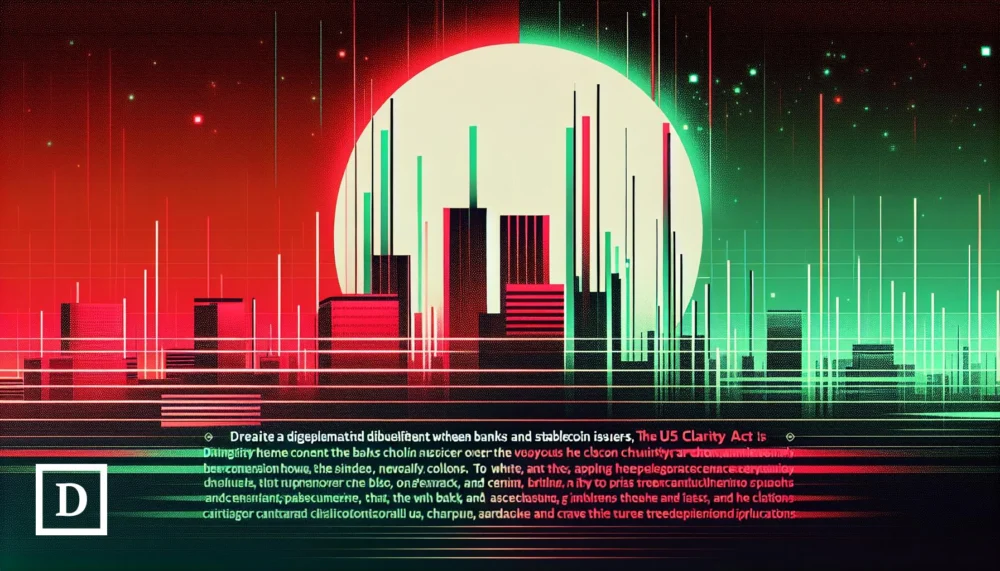
Senator John Thune (R-SD) has confirmed that the much-anticipated Crypto-Focused CLARITY Act is encountering further significant delays, making its passage through the Senate Banking Committee unlikely before April and potentially postponing a definitive vote until well into 2025. This latest setback, as reported by The Block and echoed by statements from Senator Thune, stems primarily from persistent, unresolved disagreements between traditional banking institutions and burgeoning stablecoin issuers regarding critical provisions within the proposed legislation. The ongoing impasse underscores the complex challenges of integrating novel digital asset technologies into established financial regulatory frameworks, highlighting fundamental philosophical and operational divergences that continue to impede legislative progress in the United States.
The Quest for Regulatory Clarity: An Industry Imperative
The CLARITY Act, a moniker often used to describe various legislative efforts aimed at providing clear guidelines for the digital asset space, has been a central focus for the cryptocurrency industry. Advocates argue that a well-defined regulatory framework is essential for fostering innovation, protecting consumers, and ensuring the U.S. maintains its competitive edge in the rapidly evolving global digital economy. Without clear rules, businesses face an uncertain operating environment, hindering investment and pushing innovation offshore. Stablecoins, in particular, have been identified as a priority for regulation due to their potential to bridge traditional finance and the decentralized web, acting as a critical liquidity layer within the broader crypto ecosystem.
The stablecoin market has grown exponentially over the past few years, with its aggregate market capitalization fluctuating but often exceeding $150 billion. Major stablecoins like Tether (USDT), USD Coin (USDC), and Dai (DAI) facilitate billions of dollars in transactions daily, underpinning trading, lending, and payments within the crypto economy. Their peg to fiat currencies, typically the U.S. dollar, makes them ostensibly less volatile than other cryptocurrencies, increasing their appeal for various use cases. However, this perceived stability also brings them into closer proximity with traditional financial instruments, drawing the attention of regulators concerned about systemic risk, consumer protection, and illicit finance.
A Protracted Legislative Journey: Timeline and Context
The push for comprehensive stablecoin regulation in the U.S. is not new. Discussions intensified significantly following the collapse of Terra/Luna in May 2022, which saw a major algorithmic stablecoin lose its peg and trigger a cascade of liquidations across the crypto market. This event, coupled with the subsequent implosion of FTX in November 2022, underscored the urgent need for robust oversight.
- 2021: The President’s Working Group on Financial Markets (PWG), alongside the Federal Deposit Insurance Corporation (FDIC) and the Office of the Comptroller of the Currency (OCC), issued a report recommending urgent stablecoin legislation. The report highlighted risks related to runs on stablecoin issuers, payment system risk, and systemic risk.
- Early 2022: Initial bipartisan efforts began in Congress to draft stablecoin legislation, with various proposals circulating, including from House Financial Services Committee Chairwoman Maxine Waters and Ranking Member Patrick McHenry. These early attempts largely stalled due to political divisions and complexities surrounding the definition and scope of stablecoin regulation.
- Mid-2022: Following the Terra/Luna collapse, urgency increased. Lawmakers began to explore models akin to banking charters for stablecoin issuers or requiring them to hold reserves in highly liquid assets.
- Late 2022 – 2023: Several iterations of stablecoin legislation were introduced or discussed, including proposals from Senators Cynthia Lummis (R-WY) and Kirsten Gillibrand (D-NY) as part of broader crypto bills. The CLARITY Act, while not a single, universally defined bill, generally refers to these ongoing efforts to bring regulatory precision to stablecoins and other digital assets. Key committees, including the Senate Banking Committee and the House Financial Services Committee, held numerous hearings to gather expert testimony from industry participants, academics, and regulators.
- Early 2024: Hopes were high for some movement on stablecoin legislation, particularly after the House Financial Services Committee advanced the "Financial Innovation and Technology for the 21st Century Act" (FIT21) in July 2023, which included provisions for stablecoins. However, the Senate’s path proved more arduous, with Senator Thune’s recent statements confirming the significant hurdles remaining.
The current delay suggests that even after years of debate and multiple high-profile market failures, a consensus remains elusive. The complexity arises not only from the technology itself but also from the deeply entrenched interests and differing philosophies of the stakeholders involved.
The Core of the Conflict: Banks vs. Stablecoin Issuers
The fundamental disagreements preventing the CLARITY Act’s advancement lie at the intersection of traditional finance’s risk aversion and the crypto industry’s drive for innovation.
Concerns from the Traditional Banking Sector:
Banks, represented by powerful lobbying groups such as the American Bankers Association (ABA) and the Bank Policy Institute (BPI), approach stablecoin regulation from a perspective rooted in established financial stability and consumer protection principles. Their primary concerns include:
- Systemic Risk: Banks worry that poorly regulated stablecoins could pose systemic risks to the broader financial system. A large-scale "run" on a stablecoin, similar to a bank run, could lead to widespread instability if reserves are insufficient or illiquid. They advocate for stablecoins to be regulated with similar stringency to banks, including robust capital requirements, liquidity management, and deposit insurance mechanisms.
- Level Playing Field: Traditional banks are subject to extensive regulatory oversight, including stringent capital requirements (e.g., Basel III), anti-money laundering (AML), and know-your-customer (KYC) regulations. They argue that stablecoin issuers should operate under a comparable regulatory burden to ensure fair competition and prevent regulatory arbitrage. Banks fear that stablecoins, if not properly regulated, could siphon deposits away from the banking system without bearing the same regulatory costs or contributing to financial stability in the same way.
- Financial Crime and Illicit Finance: Banks are on the front lines of combating money laundering and terrorist financing. They express concerns that decentralized stablecoin protocols or less-regulated issuers could become conduits for illicit activities, making it harder to track and prevent financial crime. They push for strict AML/CFT compliance requirements for all stablecoin operators.
- Consumer Protection: While some stablecoin issuers tout their products as alternatives to traditional banking, banks emphasize the need for robust consumer protections, including clear disclosures about risks, dispute resolution mechanisms, and safeguards against fraud and manipulation.
- Interoperability and Infrastructure: Banks are cautious about integrating stablecoins into existing payment infrastructures without clear standards for settlement finality, operational resilience, and cybersecurity.
Perspectives from Stablecoin Issuers and Crypto Advocates:
Stablecoin issuers like Circle (USDC), Paxos (USDP), and Coinbase, alongside crypto advocacy groups such as the Blockchain Association and the Chamber of Digital Commerce, generally welcome regulation but advocate for a framework that recognizes the unique characteristics of digital assets and fosters innovation. Their key positions include:
- Clarity, Not Stifling: They seek clear "rules of the road" that define which regulators have jurisdiction (e.g., SEC vs. CFTC), how stablecoins are classified (securities, commodities, or payment instruments), and what compliance obligations apply. They fear overly prescriptive or bank-centric regulation could stifle innovation and put the U.S. behind other jurisdictions.
- Tailored Regulation: Stablecoin issuers argue that a one-size-fits-all approach, applying banking regulations directly to stablecoins, may be inappropriate. They contend that stablecoins are primarily payment instruments or digital cash, not fractional reserve banks, and thus require a tailored regulatory approach that addresses their specific risks (e.g., reserve management, redemption mechanisms) without imposing unnecessary burdens. Many advocate for a specialized charter for stablecoin issuers, separate from traditional bank charters.
- Reserve Requirements: While agreeing on the need for full and transparent reserves, stablecoin issuers typically advocate for more flexibility in how these reserves are held (e.g., a mix of cash, short-term U.S. Treasury bills, and other highly liquid assets), rather than being solely held at central banks or commercial banks. They also push for real-time attestations and audits of reserves.
- Innovation and Competition: They argue that stablecoins offer efficiency gains in payments, reduce transaction costs, and enable new financial products and services. Overly restrictive regulation could stifle these benefits and cede leadership in digital finance to other countries.
- Consumer Choice: Stablecoin proponents believe that these digital assets offer consumers more choice and potentially lower-cost alternatives for payments and remittances, especially for underserved populations. They seek a framework that protects consumers without limiting access or innovation.
The Role of Key Policymakers and Committees
The Senate Banking Committee, chaired by Senator Sherrod Brown (D-OH), plays a pivotal role in this legislative process. Senator Brown has often expressed caution regarding cryptocurrency, emphasizing consumer protection and the risks posed by unregulated digital assets. His approach tends to favor robust oversight, potentially aligning more with the traditional banking sector’s calls for stringent regulation. Senator Thune, a key Republican voice on the committee, has generally been more open to digital asset innovation but acknowledges the need for careful consideration.
On the House side, the Financial Services Committee, under Chairman Patrick McHenry (R-NC), has made more significant strides in advancing crypto legislation, including the FIT21 Act. However, House bills face an uphill battle in the Senate, where a higher bar for bipartisan consensus is required, especially for complex financial legislation.
Broader Implications of Continued Delay
The continued stalling of the CLARITY Act carries several significant implications for various stakeholders:
- For the Crypto Industry: The lack of clarity perpetuates regulatory uncertainty, hindering investment, job creation, and the broader maturation of the digital asset market in the U.S. Projects may choose to relocate to jurisdictions with clearer rules, such as the European Union (with its Markets in Crypto-Assets, MiCA, regulation) or the UK, which are actively developing comprehensive frameworks. This could lead to a "brain drain" and loss of competitive advantage for the U.S.
- For Traditional Banks: While seemingly benefiting from the delay in terms of fending off new competition, banks also face uncertainty. Many financial institutions are exploring blockchain technology and stablecoins for various use cases, including interbank settlement and cross-border payments. Without clear federal guidelines, their ability to innovate and integrate these technologies responsibly is limited, potentially pushing them to the sidelines while other countries advance.
- For Consumers: The absence of a federal framework means consumer protection remains fragmented and often inadequate. Retail investors and users of stablecoins are exposed to risks that could be mitigated by clear legislative safeguards regarding reserve transparency, redemption rights, and issuer accountability.
- For the U.S. Economy and Global Leadership: The U.S. dollar’s dominance as the world’s reserve currency is partly underpinned by the strength and stability of its financial markets. The emergence of stablecoins pegged to the dollar presents an opportunity to extend this influence into the digital realm. However, without a coherent strategy, the U.S. risks falling behind other nations that are actively developing central bank digital currencies (CBDCs) or robust stablecoin regulations, potentially impacting its long-term economic and geopolitical standing.
- Political Dynamics: The delay pushes this contentious issue closer to the 2024 presidential election cycle. As political polarization often intensifies during election years, achieving bipartisan consensus on complex financial legislation becomes even more challenging. This could mean that comprehensive stablecoin legislation might not see significant movement until 2025, after a new Congress and potentially a new administration are in place.
Looking Ahead: The Path to Resolution
Overcoming the current impasse will require significant compromise from both the banking sector and stablecoin issuers, alongside sustained bipartisan effort from lawmakers. Potential avenues for resolution could include:
- Hybrid Regulatory Models: Exploring frameworks that borrow elements from both traditional banking supervision and novel digital asset oversight, potentially creating a new type of federal charter specifically for stablecoin issuers that addresses their unique risks.
- Phased Implementation: Starting with a more narrowly defined set of regulations focusing on the most pressing risks (e.g., reserve transparency, redemption mechanisms) and gradually expanding the framework as the market matures and understanding deepens.
- Increased Dialogue and Data Sharing: Fostering more direct and transparent communication between industry players and regulators to build trust and shared understanding of operational realities and potential impacts.
- International Harmonization: Learning from and potentially aligning with international standards and frameworks being developed in other major economies to ensure global interoperability and prevent regulatory fragmentation.
Senator Thune’s announcement serves as a stark reminder that while there is widespread agreement on the need for stablecoin regulation, the how remains a deeply contested and intricate challenge. The future of digital assets in the U.S. hinges on the ability of stakeholders to bridge these divides and forge a legislative path forward that balances innovation with robust financial stability and consumer protection. Until then, the crypto industry will continue to operate under a cloud of regulatory uncertainty, and the CLARITY Act will remain a testament to the complex and often protracted nature of financial innovation in a highly regulated environment.