Lina Irawan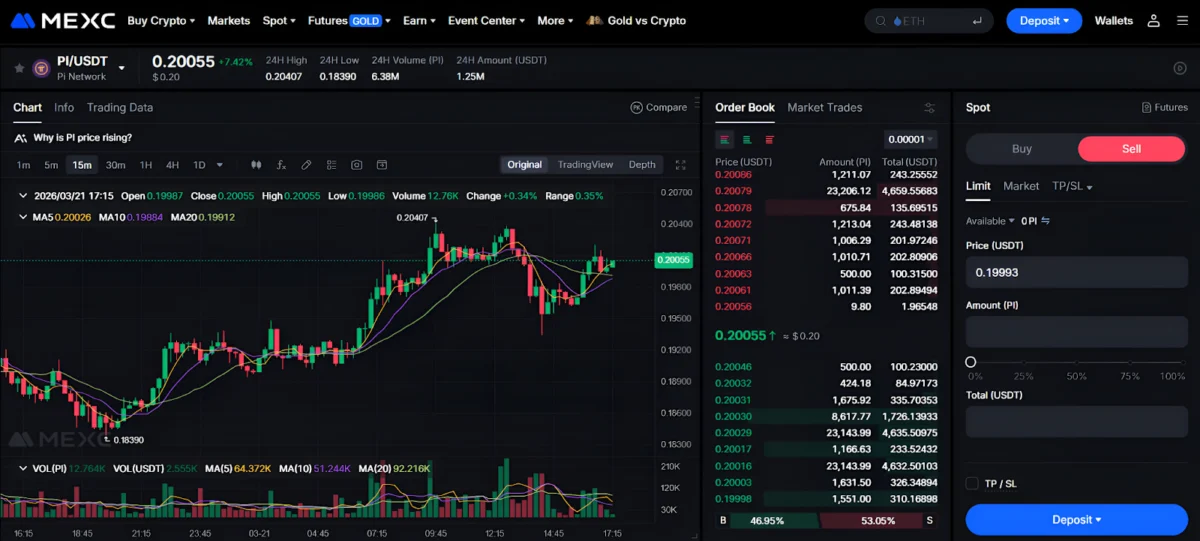
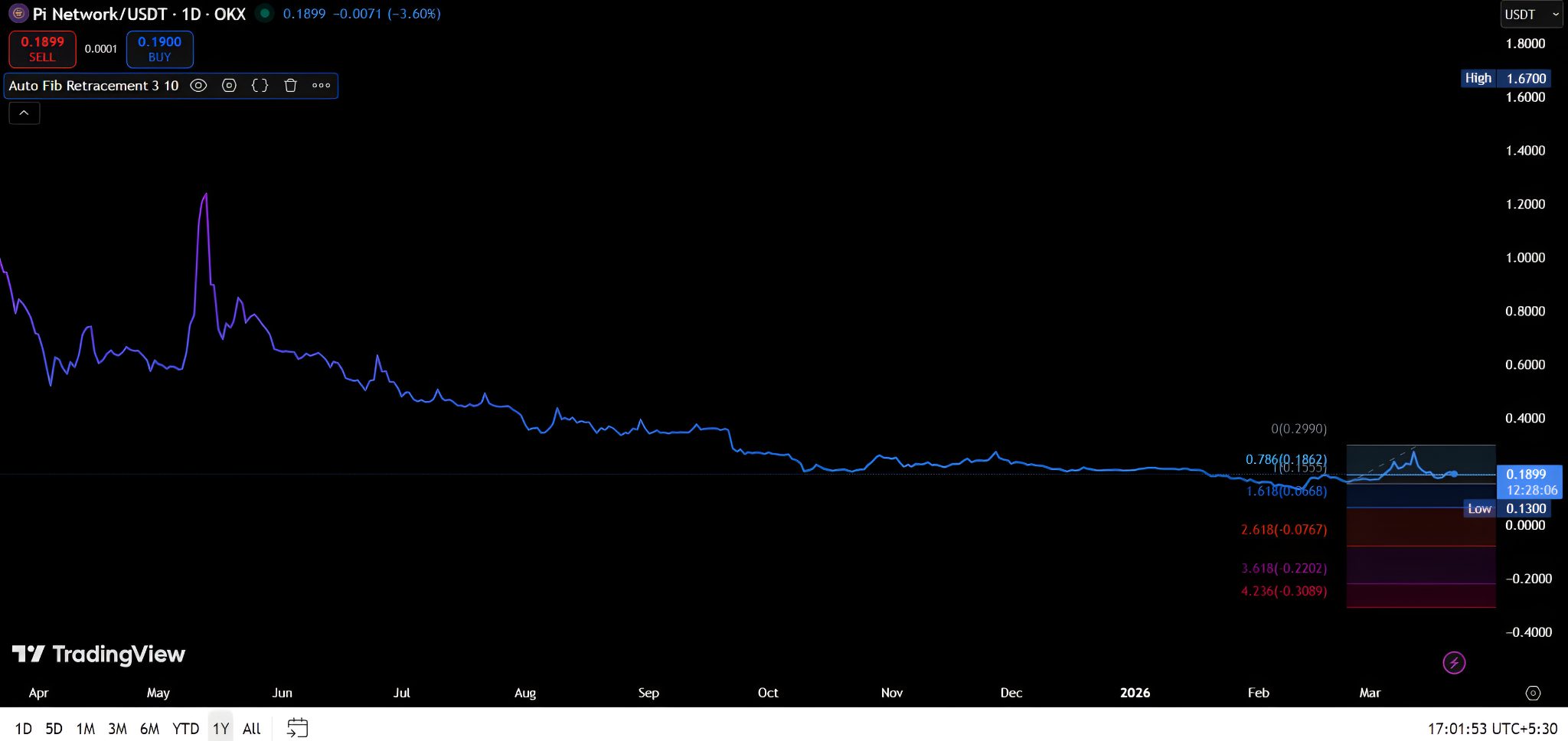
Pi coins began their official trading journey on February 20, 2025, marking a significant milestone for the decentralized blockchain project aimed at enabling mobile mining. Since its inception, the digital asset has experienced considerable volatility, with its price declining substantially from its all-time high. As of recent data, Pi coin is trading around $0.1899, reflecting a notable 93.60% decrease from its peak of $2.99. Analysts suggest that a trend reversal is unlikely unless the cryptocurrency can decisively break through the key resistance level of $0.2990 on the one-year chart. This market sentiment raises pertinent questions for individuals holding Pi coins: is now the opportune moment to sell? This article delves into the intricacies of selling Pi coins, covering the necessary prerequisites, available trading platforms, associated costs, inherent risks, and strategic tips for maximizing returns in this evolving digital asset landscape.
The Current Market Landscape: Timing Your Exit
The official commencement of Pi coin trading on February 20, 2025, opened the doors for participants to realize their holdings. However, the subsequent price trajectory has presented a challenging environment for sellers. The sharp decline from the all-time high of $2.99 to the current trading price of approximately $0.1899 indicates a significant downturn. Technical analysis points to $0.2990 as a critical resistance level. Until this barrier is breached with sustained upward momentum, the prevailing downtrend is likely to persist, suggesting that for many, it may not be the optimal time to liquidate their Pi coin assets. This market condition necessitates a cautious approach, emphasizing thorough research and risk assessment before making any selling decisions.
Essential Prerequisites for Trading Pi Coins
Before engaging in any transactions involving Pi coins, several crucial requirements must be met to ensure a smooth and compliant selling process. These prerequisites are designed to safeguard both the user and the integrity of the Pi Network.
-
KYC Verification and Mainnet Migration: The most critical step for any Pi coin holder looking to sell is completing the Know Your Customer (KYC) verification process and migrating their Pi coins to the mainnet. Without successful KYC and mainnet migration, Pi tokens remain confined to the network’s testnet and are not transferable or sellable on external exchanges. The KYC process is integral to preventing fraudulent activities and ensuring that only verified users can participate in the open market. This verification typically involves submitting government-issued identification documents and undergoing facial recognition. The migration to the mainnet signifies that the Pi coins are now part of the official, live blockchain, enabling them to be traded and transacted.
-
Active Pi Wallet: A functional Pi wallet is indispensable for storing and transferring Pi coins. Users must have their Pi wallet set up and accessible to initiate transfers to trading platforms. This wallet serves as the primary conduit for moving mined or earned Pi coins from the Pi Network application to the user’s chosen exchange.

-
Exchange Account with Verified Identity: To sell Pi coins on centralized exchanges, users will need to create an account on a supported platform and complete its respective identity verification (KYC) procedures. This process is separate from the Pi Network’s KYC but is a standard requirement for all cryptocurrency exchanges to comply with anti-money laundering (AML) and counter-terrorist financing (CTF) regulations.
Where Can You Sell Pi Coins? Navigating the Trading Landscape
The accessibility and methods for selling Pi coins are expanding as the network matures. Currently, several avenues exist, each with its own set of advantages and considerations.
Top Centralized Exchanges
Several prominent centralized exchanges (CEXs) have integrated Pi coin trading, offering a familiar and liquid environment for many cryptocurrency users. These platforms include:
- OKX: Renowned for its comprehensive trading features, robust security, and extensive liquidity, OKX provides a stable platform for trading Pi.
- Gate.io: This exchange is known for listing a wide array of cryptocurrencies and offers competitive trading fees, making it an attractive option for Pi coin holders.
- MEXC: MEXC Global is a popular choice for its user-friendly interface and diverse trading pairs, catering to both novice and experienced traders.
- Bitget: With a strong focus on derivatives and spot trading, Bitget offers advanced tools and security measures for trading Pi coins.
These centralized exchanges typically operate on a tiered fee structure. As a user’s 30-day trading volume increases, they can ascend to higher VIP levels, unlocking progressively lower trading fees. Furthermore, these platforms generally do not impose deposit fees, although withdrawal fees are variable and depend on the specific blockchain network and cryptocurrency being moved.
Decentralized Exchanges (DEXs) and the Pi Network’s Own DEX
While major decentralized exchanges (DEXs) like Uniswap or Orca did not initially support direct Pi coin trading, the Pi Network is actively developing its own decentralized exchange (DEX) and Automated Market Maker (AMM) liquidity pool. This in-house solution is anticipated to become fully functional in the near future, offering users a more integrated and potentially cost-effective way to trade Pi coins directly from their wallets without relying on third-party intermediaries. The development of a native DEX signifies a commitment to a truly decentralized ecosystem, allowing for peer-to-peer trading with enhanced control over assets.
Peer-to-Peer (P2P) Trading Platforms
Peer-to-peer (P2P) platforms offer an alternative to centralized exchanges, enabling users to directly swap Pi coins for fiat currencies or other cryptocurrencies. However, P2P trading inherently carries significant risks, particularly if not conducted with extreme caution and robust security measures.
Risks Associated with P2P Trading:
- Scams and Fraud: Without the protection of an escrow service, individuals engaging in P2P sales are vulnerable to scammers. These bad actors may attempt to trick sellers into sending mainnet-verified Pi tokens before receiving payment, promote unverified or fraudulent coins, reverse legitimate transactions, or present fabricated payment screenshots.
- Regulatory Violations: Conducting informal, off-platform P2P sales could potentially violate local cryptocurrency regulations, leading to legal repercussions.
- Tax Implications: The lack of proper tax documentation for informal P2P transactions can create significant legal and financial complications.
Recommendations for P2P Trading:
Given these risks, P2P trading should ideally be reserved for regions where major cryptocurrency exchanges are not readily accessible. If engaging in P2P transactions, it is advisable to:
- Sell only small amounts of Pi to limit potential losses.
- Transact exclusively with individuals known and trusted.
- Whenever possible, utilize escrow services offered by reputable P2P platforms to add a layer of security.
How to Sell Pi Coin: A Step-by-Step Guide
The process of selling Pi coins, particularly on centralized exchanges, follows a structured approach designed for clarity and security.
Step 1: Choose Your Trading Platform
The initial step involves selecting a suitable trading platform. This decision should be based on an assessment of various parameters, including the exchange’s supported trading features, fee structure, security protocols, user interface, and overall reputation. Once a platform is chosen, visit its official website or download its dedicated mobile application. For instance, MEXC is often considered for its user-friendly interface and diverse trading options.
Step 2: Register and Verify Your Exchange Account
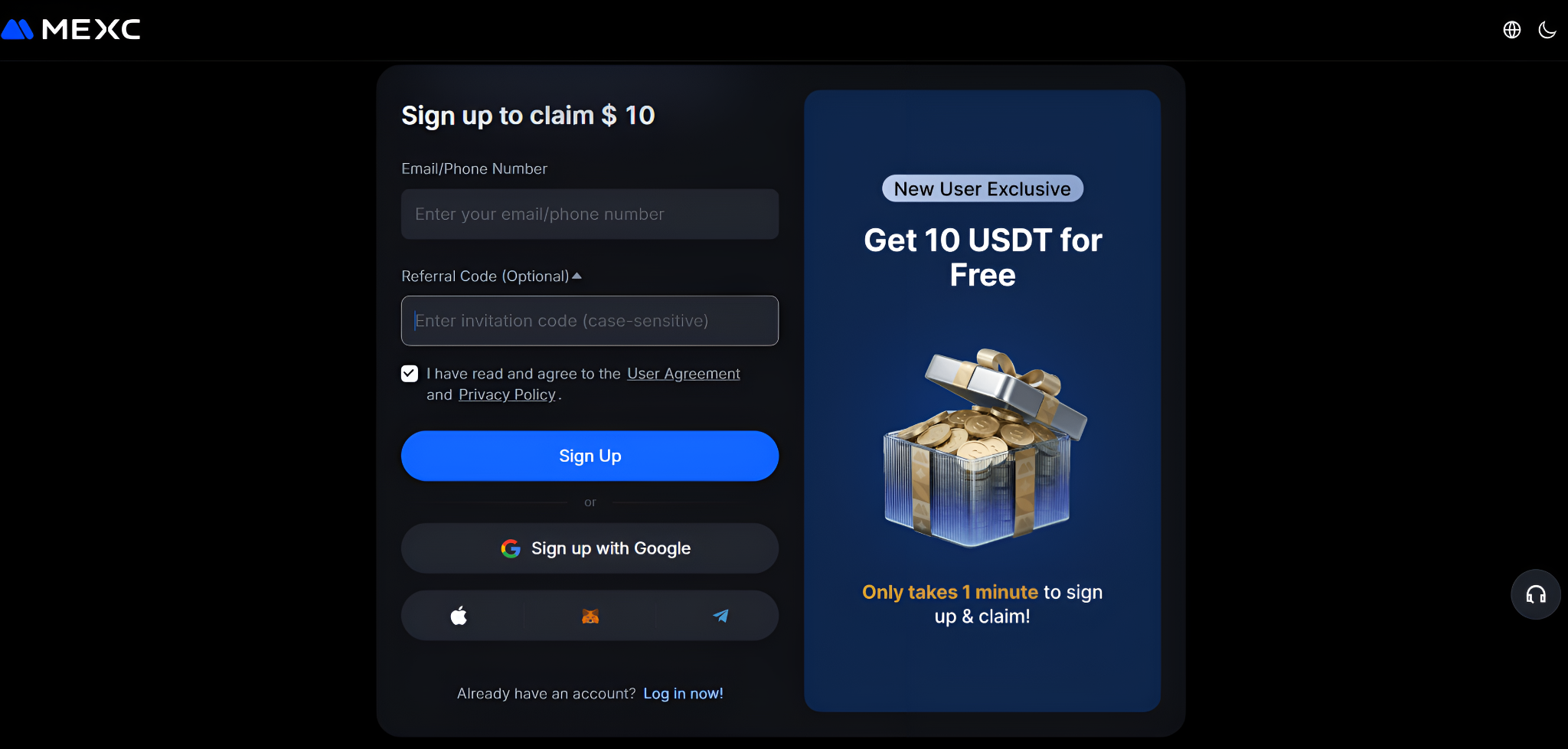
Upon selecting a platform, the next phase is to create an account. This typically requires providing basic personal information such as your name, location, email address, and phone number, followed by setting up a strong, secure password. After completing the registration, proceed to the identity verification (KYC) process. This involves submitting a clear copy of a government-issued identity document (e.g., passport, driver’s license) and proof of address. Many platforms also require a live selfie for facial verification to confirm identity. Once these documents are submitted, the exchange will review and approve your KYC application, a process that usually takes between 1 to 5 business days.
Step 3: Transfer Pi to Your Exchange
With your exchange account verified, the next step is to transfer your Pi coins from your Pi Network wallet to your exchange wallet. Log in to your Pi Network wallet and locate your Pi wallet address. Then, navigate to your exchange account’s deposit section, copy the specific deposit address for Pi coin, and meticulously double-check it for accuracy. Paste this address into the "Send" field within your Pi wallet and initiate the transfer. Allow time for network confirmations. Upon successful completion, the transferred Pi coins will appear in your exchange account balance.
Step 4: Find the Pi Coin Trading Pair
Once your Pi coins are in your exchange account, you need to identify the appropriate trading pair. The most common and liquid trading pair for Pi is typically PI/USDT (Tether). However, some exchanges may also offer alternative pairs such as PI/USDC or even fiat currency pairs like PI/EUR, depending on their market offerings and regional availability.

Step 5: Place a Sell Order
With the correct trading pair selected, you can now place your sell order. You will have the option to choose between a market order (which executes at the best available current market price) or a limit order (which allows you to set a specific price at which you wish to sell). Enter the quantity of Pi coins you intend to sell. Carefully review all the transaction details, including the order type, amount, and any applicable fees. Once satisfied, click the "Sell" button. If the transaction is executed successfully, the proceeds from the sale will be credited to your exchange account balance, usually in the currency of the trading pair (e.g., USDT).
Fees and Costs Associated with Selling Pi Coin
Engaging in the sale of Pi coins involves several potential fees and costs that can impact your overall returns. Understanding these charges is crucial for effective financial planning.
- Trading Fees: Centralized exchanges charge a fee for each trade executed. These fees are typically a percentage of the trade value and are often tiered, meaning they decrease as your trading volume increases. The specific percentage varies by exchange and VIP level.
- Withdrawal Fees: When you decide to withdraw the fiat currency or other cryptocurrencies obtained from selling Pi, exchanges will charge a withdrawal fee. This fee is usually fixed or a small percentage and can vary depending on the withdrawal method and the specific currency or cryptocurrency being withdrawn.
- Network Transaction Fees (Gas Fees): While not directly charged by the exchange for the sale itself, any transfer of Pi coins from your wallet to the exchange, or from the exchange to another wallet, will incur network transaction fees. The cost of these fees can fluctuate based on network congestion.
- Conversion Fees: If you are converting the proceeds from selling Pi into another cryptocurrency or fiat currency on the exchange, there might be additional conversion fees involved.
Risks Associated with Selling Pi Coin
Beyond market volatility and trading fees, several inherent risks are associated with selling Pi coins, especially in the current developmental stage of the Pi Network.
- Market Volatility: As a relatively new digital asset, Pi coin is subject to significant price fluctuations. The value can drop unexpectedly, potentially leading to losses for sellers who do not time their exit strategically.
- Platform Risk: Centralized exchanges, while generally secure, can be targets for cyberattacks or may face operational issues. There is a residual risk of asset loss due to exchange hacks or platform failures.
- Regulatory Uncertainty: The regulatory landscape for cryptocurrencies is constantly evolving. Changes in regulations could impact the trading and accessibility of Pi coins in certain jurisdictions.
- IOU vs. Real Pi: A critical distinction must be made between "IOU" (I Owe You) tokens and actual, mainnet-verified Pi coins. IOU tokens often represent a promise of future Pi coins but are not backed by real assets on the mainnet and may not be redeemable. Selling IOU tokens carries a substantial risk of receiving no actual value. It is imperative to ensure you are trading only verified mainnet Pi coins.
To mitigate these risks, it is highly recommended to consult the Pi Network’s KYB (Know Your Business) verified businesses list. Only businesses listed here offer genuine Pi coins and are authorized to generate Pi wallet addresses on the mainnet.
Key Tips for Selling Pi Coin Smartly
Maximizing returns and minimizing risks when selling Pi coins requires a strategic approach.
- Stay Informed: Continuously monitor Pi Network’s official announcements, community updates, and market news. Understanding network developments, upcoming features, and potential partnerships can provide valuable insights into future price movements.
- Understand Your Risk Tolerance: Before selling, assess your personal risk tolerance. Are you comfortable with potential short-term losses for the possibility of long-term gains, or do you prioritize immediate capital preservation?
- Diversify: Avoid putting all your investment capital into a single asset. Diversifying your portfolio across different cryptocurrencies and asset classes can help mitigate the impact of any single asset’s poor performance.
- Utilize Limit Orders: For greater control over your sale price, consider using limit orders on exchanges. This allows you to set a specific price at which you are willing to sell, preventing you from selling at a price lower than you intend.
- Secure Your Assets: Employ strong security practices for your exchange accounts and wallets, including two-factor authentication (2FA) and unique, complex passwords.
- Consider Transaction Timing: Be mindful of network congestion, which can affect transfer times and potentially increase transaction fees.
Conclusion
The journey of selling Pi coins is multifaceted, requiring an understanding of the current market dynamics, regulatory landscape, and technical processes involved. While the recent trading performance of Pi coin suggests a cautious approach is warranted, the ongoing development of the Pi Network, including its native DEX and expanding ecosystem, holds potential for future growth. Recent network upgrades and the broadening of the Pi ecosystem could indeed contribute to an upward trend in the coin’s market price. However, before making any selling decisions, it is paramount for individuals to conduct thorough personal research, evaluate their individual risk tolerance, and exercise due diligence. The cryptocurrency market is inherently unpredictable, and a prudent, informed strategy is the most effective way to navigate its complexities and potentially achieve favorable outcomes.
FAQs
-
Can I sell Pi coin for real money?
Yes, it is possible to sell Pi coins for real money. Some centralized exchanges offer fiat trading pairs, such as PI/USD and PI/EUR, which allow users to convert their Pi holdings into traditional currencies. However, the availability of these pairs can vary significantly depending on the specific region and the exchange platform. -
Do I need KYC to sell Pi coins?
Yes, Know Your Customer (KYC) verification is a mandatory requirement to migrate your Pi coins to the mainnet. Without this migration, your Pi tokens will remain locked within the Pi Network application’s testnet environment and cannot be sold or transferred to external trading platforms. -
What is the difference between an IOU and a real Pi?
An IOU (I Owe You) token represents a promise or a claim to future Pi tokens but is not backed by actual, mainnet-verified Pi coins. These are essentially promissory tokens that may not be redeemable for real PI in the future. Conversely, a "real Pi" is a native token that exists on the Pi Network’s mainnet blockchain, making it eligible for sale and transfer. -
How long does a Pi coin withdrawal take?
The duration of a Pi coin withdrawal can vary, typically ranging from a few minutes to several business days. This timeframe is influenced by factors such as your geographical location, the chosen withdrawal method, and the processing times of both the exchange and the relevant banking institutions. -
Why can’t I withdraw Pi from the Pi Network app?
To withdraw Pi from the Pi Network application, you must first complete KYC verification and successfully migrate your Pi coins to the mainnet. Additionally, certain transfer functionalities might experience restrictions as the mainnet is operational but still in its developmental stages. The network prioritizes security and gradual feature rollout during this phase.