Lina Irawan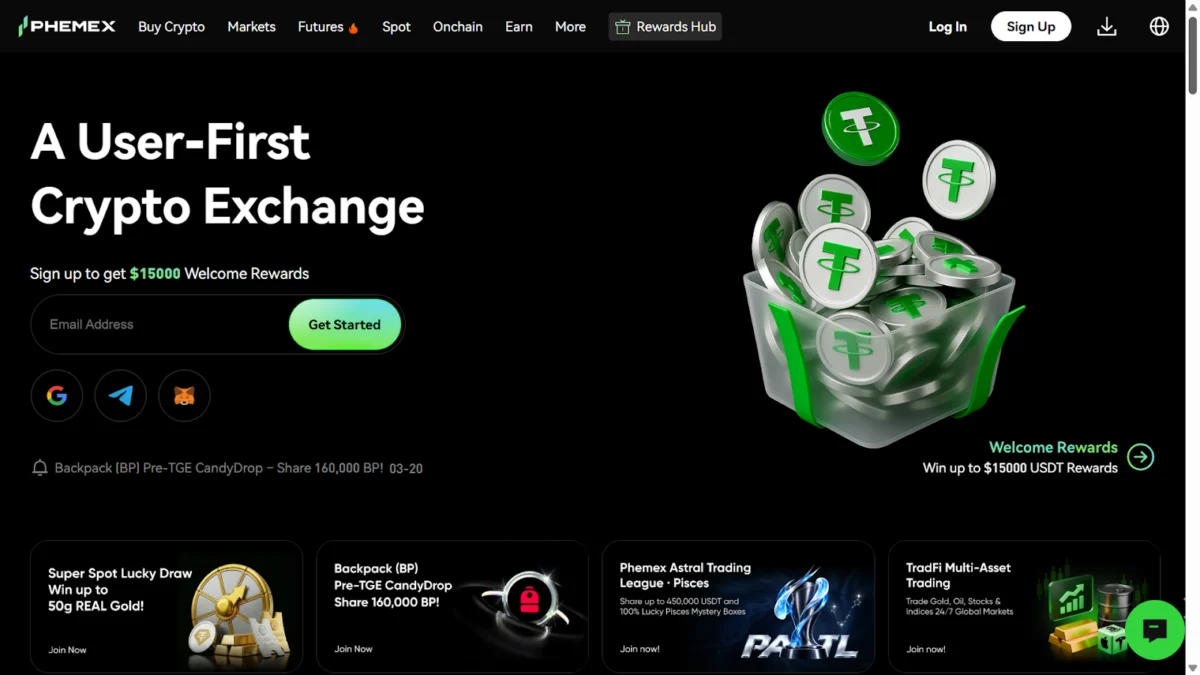
As the cryptocurrency market continues its rapid evolution, discerning investors are on the hunt for the most reliable and feature-rich platforms to facilitate their digital asset trading. The year 2026 presents a landscape brimming with innovative exchanges, each vying for user attention with distinct strengths. For individuals looking to invest their capital wisely, understanding the critical factors that define a superior cryptocurrency exchange – from robust security protocols and competitive fee structures to the breadth of supported assets and user experience – is paramount. This guide aims to demystify the selection process, providing an in-depth analysis of the top contenders in the 2026 crypto exchange arena.
Top Crypto Exchanges at a Glance

| Exchange | Primary Strength | Supported Coins | Trading Fees (Spot, Standard) | US Available |
|---|---|---|---|---|
| Binance | Altcoin variety and deep liquidity | 500+ coins | 0.10% maker/taker (lower with BNB) | No (only via Binance.US) |
| Coinbase | Beginner-friendly interface | 350+ | 0.40%-0.60% (Advanced); 1.49% + spread (Simple) | Yes |
| OKX | Advanced trading tools | 300+ | 0.08%-0.35% (US: 0.20%-0.35%) | Yes (since Apr 2025) |
| Kraken | Security-focused platform | 200+ (Pro) | 0.16%-0.26% (Pro); 1% + spread (App) | Yes |
| Crypto.com | Mobile & Bitcoin rewards | 400+ | 0.25%/0.50% base; tiered with CRO staking | Yes |
| Phemex | Low fees for derivatives | 200+ | Spot: 0.10%; Contracts: 0.01%-0.06% | Yes (check local rules) |
| Gemini | High security & compliance | 90+ | 0.20%/0.40% (ActiveTrader); 2.49% (Instant) | Yes |
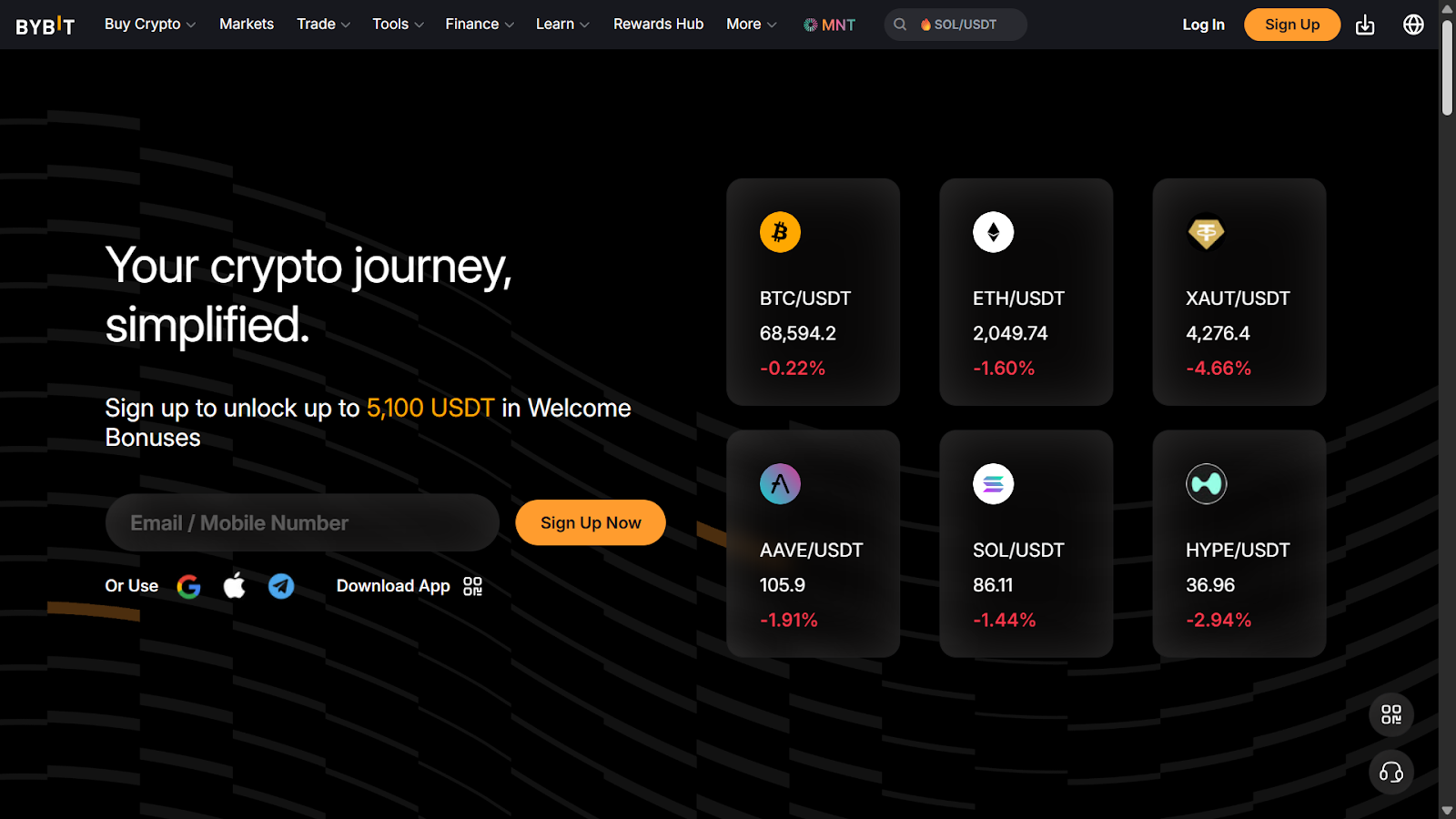
| Bybit | Futures & leverage options | 650+ spot | 0.01%-0.06% (contracts); 0.10% spot | No (restricted in US) |
| Uniswap | Decentralized exchange for DeFi tokens | Unlimited (ERC-20) | 0.05%-1% (LP fee); 0% interface fee | Yes (no KYC) |
| Uphold | Multi-asset (crypto, stocks, metals) | 250+ | 0.20%-0.40% spread; $0.99 if < $250 | Yes |
10 Best Crypto Exchanges in 2026: Expert-Reviewed and Ranked
The digital asset ecosystem is dynamic, with new platforms emerging and established players continuously innovating. For 2026, several exchanges stand out due to their comprehensive offerings, robust security, and user-centric designs.
1. Binance: Best for Altcoin Variety and Deep Liquidity

Founded in 2017 by Changpeng Zhao (CZ) and Yi He, Binance has solidified its position as a global powerhouse in the cryptocurrency exchange market. Serving users in over 180 countries, Binance consistently demonstrates an impressive daily trading volume, often exceeding $43 billion, underscoring its deep liquidity and widespread trust. Its platform is particularly lauded for its extensive selection of altcoins, offering traders access to over 500 cryptocurrencies and more than 1,300 trading pairs. This vast altcoin variety, coupled with deep liquidity, makes Binance an attractive venue for both novice and experienced traders seeking exposure to a wide spectrum of digital assets.
- Why It Stands Out: Binance’s strength lies in its unparalleled altcoin selection and robust liquidity. The platform’s sophisticated infrastructure is designed to handle high-frequency trading, catering effectively to the demands of professional traders while remaining accessible to beginners through its various interfaces. Beyond spot trading, Binance offers a comprehensive suite of financial products, including staking, futures, and margin trading, providing diverse avenues for wealth generation and portfolio management.
- Key Features: Extensive altcoin listings, high trading volume, advanced trading options (futures, margin), staking services, Binance Coin (BNB) integration for fee discounts.
- Pros & Cons:
- Pros: Extensive selection of cryptocurrencies; Low trading fees (0.10% maker/taker); High liquidity for seamless trading; Advanced trading features (futures, staking).
- Cons: Not available in the US (only via Binance.US); Complex interface for beginners; Regulatory scrutiny in some regions; Limited fiat deposit options in some areas.
- Fees: Standard spot trading fees are 0.10% for both maker and taker, with reductions available for users holding Binance Coin (BNB).
2. Coinbase: Best for Beginner-Friendly Interface
Established in 2012 and headquartered in the United States, Coinbase has become a byword for accessibility and trust in the cryptocurrency space, especially for newcomers. With a reported $90 billion in assets under management, it represents one of the most secure and user-friendly exchanges available. Its platform is meticulously designed to simplify the often-intimidating process of buying, selling, and managing cryptocurrencies, making it an ideal entry point for individuals new to the digital asset world.

- Why It Stands Out: Coinbase’s primary appeal is its intuitive and beginner-friendly interface. The exchange prioritizes a seamless user experience, complemented by extensive educational resources that empower new investors to understand the market. Security is another cornerstone of Coinbase’s offering, with robust measures and insurance policies in place to protect user assets. This combination of ease of use and security makes it a compelling choice for those embarking on their crypto journey.
- Key Features: User-friendly interface, strong security protocols, insurance for USD balances, educational resources, wide range of supported cryptocurrencies, US-based operations.
- Pros & Cons:
- Pros: Intuitive and beginner-friendly interface; Strong security measures and insurance; Wide range of supported cryptocurrencies; Educational resources for learning crypto.
- Cons: Higher fees compared to other exchanges; Limited advanced trading features; Limited availability in some countries; Fees for simple trades can add up.
- Fees: Simple trade fees can range from 1.49% plus a spread, while the advanced trading platform (Coinbase Pro) offers tiered fees from 0.40% to 0.60%.
3. OKX: Best for Advanced Trading Tools
Emerging as a significant player since its inception in 2017, OKX, founded by Star Xu, has built a global reputation for its sophisticated trading tools and comprehensive platform. Operating with a presence across key financial hubs including Singapore, the Bahamas, and Silicon Valley, OKX serves a vast international user base in over 100 countries. The exchange is particularly favored by traders who demand advanced functionalities, offering a robust environment for complex trading strategies.
- Why It Stands Out: OKX is a preferred platform for traders seeking to go beyond basic transactions. Its extensive suite of advanced trading tools, including futures, perpetual swaps, and margin trading, caters to sophisticated investors. The platform’s commitment to innovation is evident in its user interface, which, while potentially complex for absolute beginners, provides powerful analytical and execution capabilities for experienced traders. The exchange also boasts high liquidity, ensuring efficient trade execution across its broad array of digital assets.
- Key Features: Advanced trading instruments (futures, margin, options), diverse cryptocurrency listings, high liquidity, robust API support for trading bots, global accessibility.
- Pros & Cons:
- Pros: Comprehensive suite of advanced trading tools; Supports a wide range of cryptocurrencies; Global presence with localized support; High liquidity for seamless trading.
- Cons: Higher fees for US users (0.20%-0.35%); Complex interface for beginners; Limited fiat deposit options in some regions; Regulatory challenges in certain jurisdictions.
- Fees: Standard spot trading fees range from 0.08% to 0.35%, with US users facing a slightly different structure of 0.20% to 0.35%. Derivatives trading fees are also competitive.
4. Kraken: Best for Security-Focused Platform

Since its establishment in 2011, Kraken has cultivated an exceptional reputation for its unwavering commitment to security, making it a stalwart choice for traders who prioritize the safety of their digital assets. The exchange operates in over 190 countries and has facilitated over $2 trillion in total transaction volume, a testament to its global reach and established trust. Kraken offers support for an impressive 647 crypto assets, providing a broad spectrum of investment opportunities.
- Why It Stands Out: Kraken’s dedication to security is paramount. The platform employs advanced risk management systems, adheres strictly to regulatory compliance, and boasts a spotless record of no major security breaches since its inception. This focus on robust security infrastructure provides users with a high degree of confidence that their funds are protected. For traders who view asset protection as a non-negotiable priority, Kraken’s security-first approach makes it an exceptionally attractive option.
- Key Features: Industry-leading security measures, comprehensive asset support, global availability, staking options for earning rewards, regulatory compliance.
- Pros & Cons:
- Pros: Industry-leading security measures; Wide range of supported cryptocurrencies; Global availability in 190+ countries; Staking options for earning rewards.
- Cons: Higher fees on the app (1% + spread); Limited fiat deposit options in some regions; Complex interface for beginners; Not all features available in every country.
- Fees: Kraken Pro offers maker/taker fees ranging from 0.16% to 0.26%, while its app-based trading incurs higher fees of 1% plus a spread.
5. Crypto.com: Best for Mobile & Bitcoin Rewards
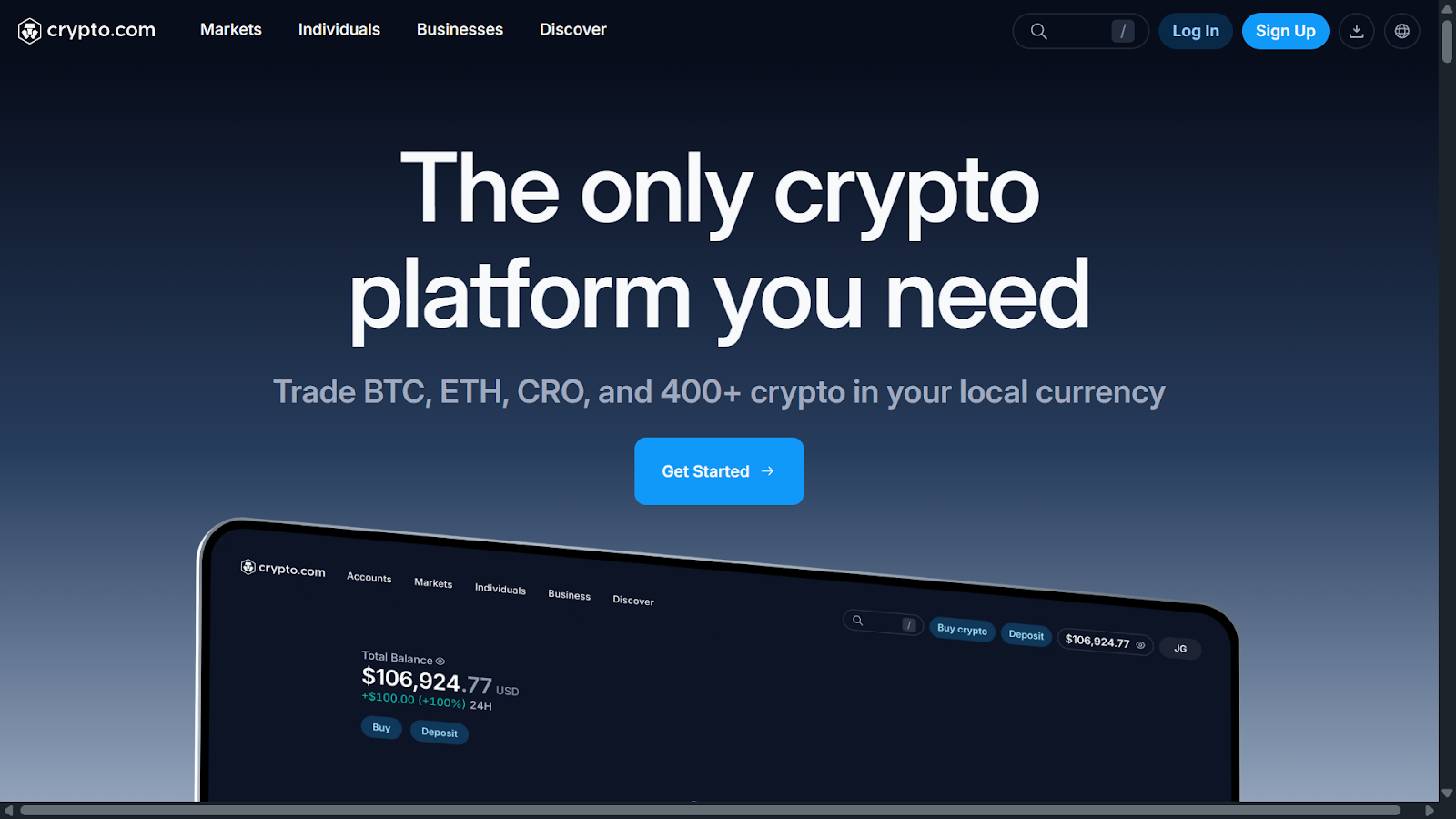
Crypto.com has emerged as a prominent force in the cryptocurrency exchange market, particularly appealing to users who prefer a mobile-first experience and are interested in lucrative rewards. Launched with a vision for widespread crypto adoption, the platform supports over 400 cryptocurrencies, offering a diverse portfolio for traders. Its integrated ecosystem, encompassing a popular mobile app, crypto-backed cards, and a suite of financial services, positions it as a comprehensive solution for digital asset management on the go.

- Why It Stands Out: Crypto.com excels in providing a user-friendly mobile experience coupled with attractive Bitcoin rewards and staking opportunities. The platform’s sleek app allows for seamless trading, earning, and spending of cryptocurrencies. The unique Bitcoin rewards program, which can be significantly enhanced through staking the platform’s native CRO token, adds a compelling layer of value for users. Its global presence and commitment to simplifying crypto access make it a top choice for mobile-centric traders and those looking to maximize their returns.
- Key Features: Intuitive mobile app, Bitcoin rewards program, extensive cryptocurrency support, staking options, crypto-backed debit cards.
- Pros & Cons:
- Pros: User-friendly mobile app; Bitcoin rewards and staking options; Supports a wide range of cryptocurrencies; Zero-fee fiat deposits.
- Cons: Higher fees for non-staking users; Limited advanced trading tools; Withdrawal fees depend on the asset; Not available in all countries.
- Fees: Base fees start at 0.25%/0.50%, with significant reductions available through CRO token staking and tiered volume discounts.
6. Phemex: Best for Low Fees for Derivatives
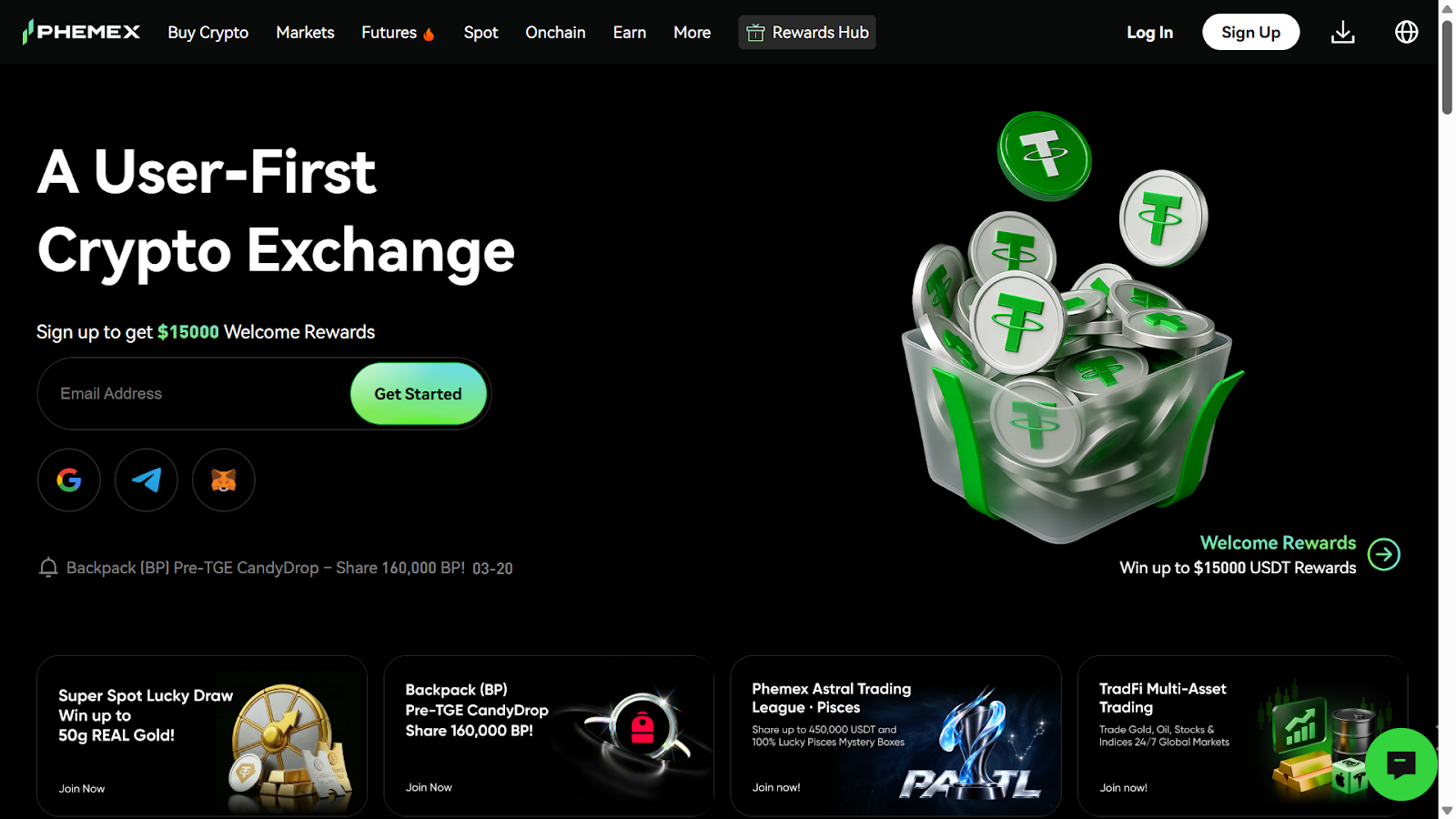
Phemex has carved out a niche for itself by offering exceptionally competitive fees, particularly for derivatives trading, making it a highly attractive option for cost-conscious traders. Founded in 2019, the exchange has rapidly grown by focusing on a high-speed trading engine and a commitment to user security, including transparent proof-of-reserves. Its platform supports over 200 cryptocurrencies, catering to both spot and futures market participants.
- Why It Stands Out: Phemex’s low fee structure, especially for derivatives, is a significant draw. With contract trading fees as low as 0.01% to 0.06%, it presents a compelling value proposition for active futures traders. The exchange’s high-performance trading engine ensures swift order execution, which is critical in volatile markets. Coupled with its robust security measures, including proof of reserves, Phemex offers a secure and efficient trading environment for those looking to minimize costs and maximize trading potential.
- Key Features: Extremely low derivatives trading fees, high-speed trading engine, proof of reserves, advanced trading tools, secure platform.
- Pros & Cons:
- Pros: Extremely low fees for derivatives trading; High-speed trading engine; Advanced trading tools and bots; Secure platform with proof of reserves.
- Cons: Limited fiat deposit options; Not available in all US states; Complex interface for beginners; Limited educational resources.
- Fees: Spot trading fees are 0.10%, while derivatives contract fees are remarkably low, ranging from 0.01% to 0.06%.
7. Gemini: Best for High Security & Compliance

Gemini, founded by Cameron and Tyler Winklevoss in 2014, has established itself as a benchmark for security and regulatory compliance within the cryptocurrency industry. The exchange prioritizes trust and transparency, making it a preferred choice for cautious investors and institutional clients. Its commitment to adhering to stringent financial regulations in the United States provides a level of assurance that is highly valued by a significant segment of the market.
- Why It Stands Out: Gemini’s core strength lies in its rigorous security protocols and unwavering dedication to compliance. Features such as insurance for digital assets held in its custody and adherence to SOC 2 Type 2 standards underscore its commitment to safeguarding user funds. For traders who prioritize a regulated and secure trading environment above all else, Gemini offers an unparalleled level of trust and operational integrity. Its user interface, while perhaps less feature-rich than some competitors, is clean and well-organized, reflecting its focus on secure and straightforward transactions.
- Key Features: Industry-leading security, full compliance with US regulations, insurance for digital assets, user-friendly interface, regulated operations.
- Pros & Cons:
- Pros: Industry-leading security measures; Fully compliant with US regulations; Insurance for digital assets; User-friendly interface.
- Cons: Higher fees for instant trades; Limited asset selection compared to competitors; Complex fee structure; Limited staking options.
- Fees: Gemini offers a tiered fee structure, with its ActiveTrader platform providing lower rates of 0.20%/0.40%, while instant trades incur a higher fee of 2.49%.
8. Bybit: Best for Futures & Leverage Options
Bybit has rapidly gained prominence as a leading derivatives exchange, renowned for its extensive futures and leverage trading capabilities. Since its launch in 2018, the platform has focused on providing a powerful and reliable trading environment for advanced traders. Bybit supports a vast array of digital assets, including over 650 spot assets and more than 2,500 total trading pairs, offering deep liquidity and a wide range of trading opportunities.

- Why It Stands Out: Bybit’s specialization in futures and leverage trading positions it as a go-to platform for experienced traders seeking high-risk, high-reward strategies. The exchange offers sophisticated tools, competitive fees for derivatives, and a high-performance trading engine that can handle significant volume. Its global reach and deep liquidity across numerous trading pairs further enhance its appeal to traders worldwide who engage in leveraged positions.
- Key Features: Extensive futures and leverage options, competitive fees, advanced trading tools and bots, high liquidity, global presence.
- Pros & Cons:
- Pros: Extensive futures and leverage options; Competitive fees for contracts and spot; Advanced trading tools and bots; High liquidity across trading pairs.
- Cons: Restricted in the US; High risk for inexperienced traders; Limited fiat deposit options; No staking or rewards programs.
- Fees: Contract trading fees range from 0.01% to 0.06%, with spot trading fees set at 0.10%.
9. Uniswap: Best Decentralized Exchange for DeFi Tokens
Uniswap stands as a pioneering decentralized exchange (DEX) and a cornerstone of the Decentralized Finance (DeFi) ecosystem. Operating on the Ethereum blockchain, it allows users to trade ERC-20 tokens directly from their cryptocurrency wallets without the need for intermediaries. Its autonomous liquidity pools and automated market maker (AMM) model have revolutionized token swaps, offering access to an almost unlimited array of tokens, particularly newer and niche assets.
- Why It Stands Out: As a leading DEX, Uniswap offers unparalleled access to DeFi tokens and a level of user control that centralized exchanges cannot match. Its decentralized nature ensures transparency and security, as trades are executed directly on the blockchain. For individuals seeking to explore the cutting edge of cryptocurrency innovation and engage with a vast ecosystem of DeFi applications, Uniswap provides an essential gateway.
- Key Features: Fully decentralized, unlimited ERC-20 token support, deep liquidity pools, transparent and secure operations, direct wallet integration.
- Pros & Cons:
- Pros: Fully decentralized with no intermediaries; Supports unlimited ERC-20 tokens; Deep liquidity pools; Transparent and secure.
- Cons: Gas fees can be high during network congestion; Limited to Ethereum-based assets; No fiat trading pairs; Requires knowledge of DeFi wallets.
- Fees: Uniswap charges a liquidity provider fee ranging from 0.05% to 1%, with no interface fee from Uniswap itself.
10. Uphold: Best for Multi-Asset Trading (Crypto, Stocks, Metals)

Uphold offers a unique and versatile trading experience by consolidating a wide range of asset classes within a single platform. Supporting over 250 assets, including cryptocurrencies, stocks, and precious metals, Uphold caters to traders looking to diversify their portfolios without the complexity of managing multiple accounts. Its user-friendly interface and transparent fee structure make it an accessible option for both beginner and experienced investors.
- Why It Stands Out: The distinct advantage of Uphold lies in its multi-asset trading capabilities. This allows users to seamlessly transition between different markets—from Bitcoin and Ethereum to stocks and gold—all within one intuitive platform. This diversification potential, combined with a clear fee structure and global availability, makes Uphold a highly practical choice for individuals seeking a unified approach to wealth management and investment.
- Key Features: Multi-asset trading (crypto, stocks, metals), transparent fee structure, support for over 250 assets, user-friendly platform, global accessibility.
- Pros & Cons:
- Pros: Multi-asset trading options; Transparent fee structure; Supports 250+ assets; User-friendly platform.
- Cons: Higher fees for small trades; Limited advanced trading tools; No staking or rewards programs; Limited fiat deposit options.
- Fees: Uphold operates on a spread-based model, typically ranging from 0.20% to 0.40%, with a small flat fee for trades under $250.
How to Choose the Best Crypto Exchange in 2026
Navigating the diverse cryptocurrency exchange market requires a strategic approach. Several key factors should be meticulously evaluated to ensure the chosen platform aligns with individual trading needs and risk tolerance.
Trading Fees and Fee Structure
Understanding the fee structure is critical, as it directly impacts profitability, especially for high-frequency traders. Exchanges typically employ maker and taker fees, with variations based on trading volume and platform tiers. For those engaging in margin or futures trading, the associated leverage fees and funding rates must also be considered. Platforms with transparent fee schedules and competitive rates, such as Binance and Phemex, often prove more advantageous in the long run.
Security and Regulation
The security of digital assets is paramount. Reputable exchanges implement robust security measures, including two-factor authentication (2FA), cold storage for the majority of user funds, and regular security audits. Compliance with regulatory frameworks in major jurisdictions, such as those enforced by the U.S. Securities and Exchange Commission (SEC) or the European Securities and Markets Authority (ESMA), provides an additional layer of assurance. Exchanges like Gemini and Kraken are recognized for their stringent security protocols and regulatory adherence.
Supported Cryptocurrencies
The breadth of supported cryptocurrencies is a significant factor for diversification and trading opportunities. While major exchanges like Binance and Coinbase offer extensive lists, decentralized exchanges like Uniswap provide access to an almost limitless supply of ERC-20 tokens. Investors should assess whether the exchange lists the specific assets they are interested in trading or holding.

Liquidity and Trading Volume
High liquidity, indicated by substantial trading volume, is essential for efficient trade execution. It ensures that buy and sell orders can be filled quickly without significant price slippage. Exchanges with deep liquidity pools, such as Binance and Bybit, are generally preferred by traders who execute large or frequent trades.
User Interface and Ease of Use
The usability of an exchange’s platform directly affects the trading experience. A clean, intuitive interface with accessible charting tools and order management systems is crucial for both beginners and experienced traders. While Coinbase excels in simplicity for new users, platforms like OKX offer more advanced interfaces suited for sophisticated traders.
Deposit and Withdrawal Options
The availability of convenient and secure deposit and withdrawal methods is a practical consideration. Exchanges that support a variety of payment options, including bank transfers, credit/debit cards, and other cryptocurrencies, offer greater flexibility. Secure payment gateways and reasonable processing times are also important factors.
Customer Support Quality
Responsive and knowledgeable customer support is invaluable, particularly when encountering technical issues or transaction-related queries. Exchanges offering multi-channel support, such as live chat, email, and phone support, demonstrate a commitment to user assistance. Platforms with a reputation for excellent customer service include Kraken and Gemini.
Best Crypto Exchange for Your Trading Style
Aligning an exchange’s features with your specific trading style is key to maximizing potential and minimizing frustration.

- If You Trade Spot Only: For pure spot trading, exchanges like Binance, Coinbase, and Kraken offer excellent liquidity, a wide array of assets, and user-friendly interfaces suitable for straightforward buy and sell operations.
- If You Trade Futures and Perpetuals: Traders focused on derivatives markets will find Phemex, Bybit, and OKX to be premier choices. These platforms are equipped with advanced tools, high leverage options, and competitive fee structures tailored for futures and perpetual contracts.
- If You’re a Long-Term Holder: Security and potential for passive income are paramount for long-term holders. Gemini, Kraken, and Crypto.com are ideal, offering top-tier security, insurance options, and attractive staking rewards for holding assets over time.
- If You Use Trading Bots: Integration with automated trading systems is a significant advantage. OKX, Phemex, and Binance provide robust API support and a stable environment conducive to deploying and managing trading bots effectively.
- If Security and Compliance Are Your Priority: For traders who prioritize asset safety and regulatory adherence above all else, Gemini and Kraken are standout options. Their long-standing commitment to security and compliance provides a strong foundation of trust.
Is It Safe to Use a Crypto Exchange?
The safety of using a cryptocurrency exchange hinges on several factors. Choosing a platform with robust security infrastructure—including 2FA, cold storage, and regular security audits—is paramount. Regulatory compliance within your jurisdiction also plays a crucial role in mitigating risks. Reputable exchanges invest heavily in protecting user assets and adhering to industry best practices. However, users should always practice due diligence, employ strong personal security habits (like unique passwords and avoiding phishing attempts), and consider diversifying their holdings across multiple platforms and secure wallets.
Common Mistakes When Choosing a Crypto Exchange

A common pitfall for new traders is overlooking the impact of exchange fees, which can erode profits over time. Another critical error is neglecting to assess the security features of a platform, leaving assets vulnerable to hacks. Furthermore, many traders fail to consider the range of supported cryptocurrencies, limiting their investment options and ability to participate in emerging trends. Focusing solely on the most popular exchanges without considering individual needs or overlooking the importance of user interface and customer support can also lead to suboptimal trading experiences. Thorough research and a clear understanding of one’s trading goals are essential to avoid these common mistakes.
Conclusion
The selection of the best cryptocurrency exchange in 2026 is a nuanced decision, heavily dependent on individual trading styles, investment goals, and risk appetites. Platforms such as Binance lead in altcoin variety and liquidity, Coinbase offers unparalleled ease of use for beginners, while OKX and Bybit cater to advanced traders with sophisticated tools and leverage options. Security-conscious investors will find Gemini and Kraken to be exceptionally reliable. Decentralized options like Uniswap provide direct access to the DeFi ecosystem. Ultimately, a thorough evaluation of trading fees, security protocols, asset availability, user experience, and customer support will guide users toward the platform that best empowers their journey in the dynamic world of digital assets. Prioritizing exchanges with robust security measures and regulatory compliance is fundamental to safeguarding investments in this rapidly evolving market.
FAQs
- Which exchange is best for beginners?
Coinbase is widely regarded as the best exchange for beginners due to its intuitive interface, educational resources, and strong emphasis on security. - Which crypto exchange has the lowest fees?
Phemex and Binance are consistently recognized for offering some of the lowest trading fees, particularly for derivatives and high-volume spot trading. - What is the safest crypto exchange in 2026?
Gemini and Kraken are considered among the safest crypto exchanges, distinguished by their advanced security measures, regulatory compliance, and strong track records. - Can US residents use Binance?
US residents can access Binance.US, a separate entity compliant with US regulations, which offers a curated selection of assets and services. The global Binance platform is restricted in the US. - What is the difference between CEX and DEX?
A Centralized Exchange (CEX) is operated by a company and holds user funds, offering convenience and support. A Decentralized Exchange (DEX) operates without intermediaries, allowing users to trade directly from their wallets with greater privacy and control. - Is it better to keep crypto on an exchange or a wallet?
For long-term storage and enhanced security, it is generally recommended to keep cryptocurrencies in a personal wallet (hot or cold) rather than on an exchange, as this provides direct control over private keys.