Nila Kartika Wati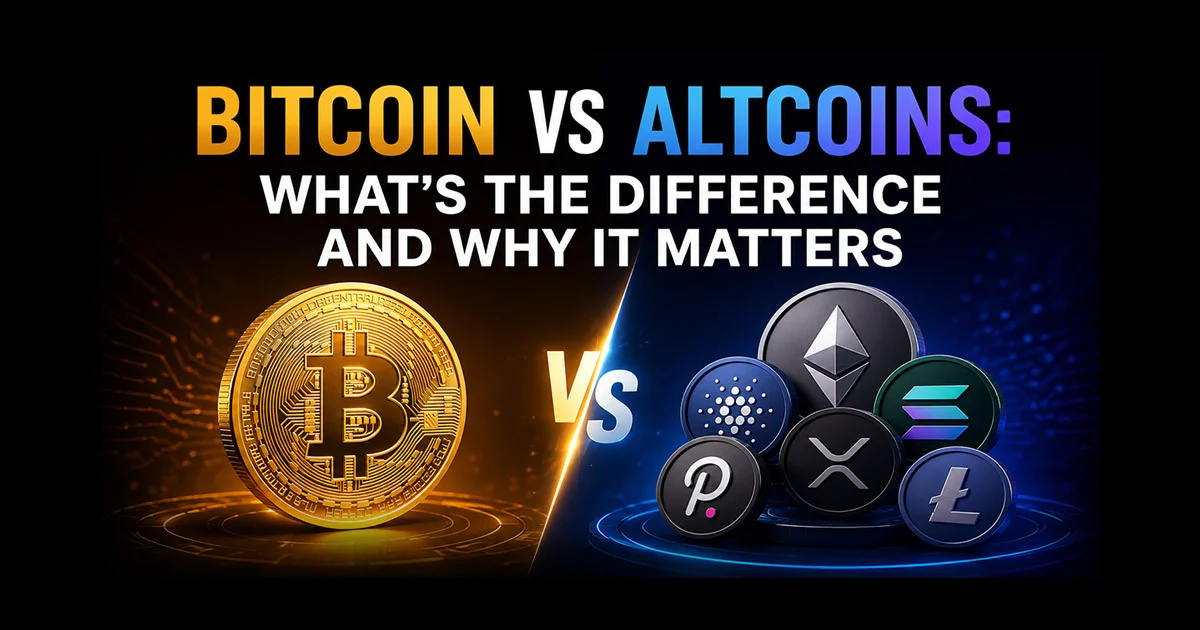
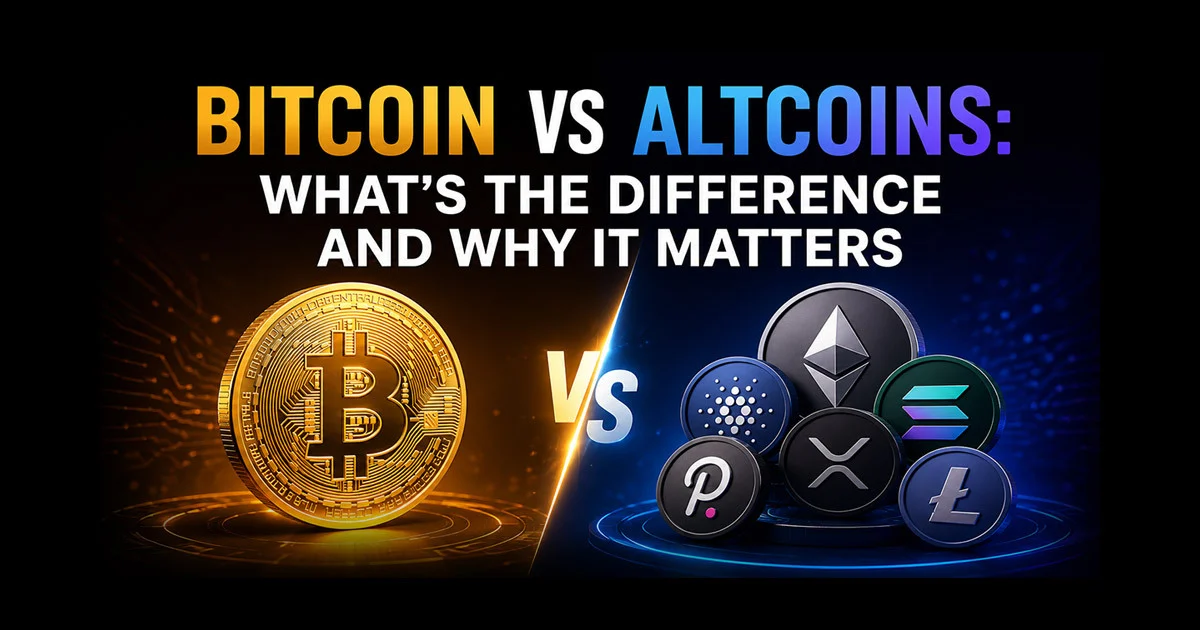
The world of cryptocurrency can be a labyrinth for newcomers, with one of the most immediate and fundamental questions being: what distinguishes Bitcoin from every other digital currency? While the answer begins with Bitcoin’s pioneering status, it extends far beyond mere chronological precedence. Today, the cryptocurrency market boasts thousands of distinct digital assets, each with unique objectives, ranging from powering decentralized finance (DeFi) and revolutionizing gaming to facilitating artificial intelligence applications and enabling the tokenization of real-world assets. Yet, Bitcoin consistently holds its position as the industry’s benchmark, presently commanding approximately half of the total cryptocurrency market capitalization. All digital currencies other than Bitcoin are collectively referred to as altcoins. This distinction, though seemingly simple, encompasses profound differences in purpose, technological underpinnings, and the specific challenges they aim to address.
Bitcoin: The Unshakeable Foundation of Digital Currency
Launched in 2009, Bitcoin introduced the revolutionary concept of decentralized digital money, ushering in a new era of financial technology. More than a decade later, it remains the largest, most recognizable, and arguably the most trusted cryptocurrency globally. This widespread recognition has been a significant driver of real-world adoption. Businesses venturing into accepting cryptocurrency payments often integrate Bitcoin first, as it is the asset most familiar to their existing customer base.
The online gaming sector serves as a prime example of Bitcoin’s enduring utility. Numerous crypto casinos facilitate swift and secure Bitcoin deposits, allowing players to engage with their favorite games without delay. This seamless integration extends to traditional casino environments as well. Bitcoin has emerged as a preferred payment method for players seeking faster transactions, both for deposits and withdrawals, while preserving the familiar gaming experience. Even as more platforms expand their cryptocurrency support, Bitcoin often retains its status as the initial and primary choice due to its established reputation and broad accessibility.
The genesis of Bitcoin can be traced back to the aftermath of the 2008 global financial crisis, a period marked by widespread distrust in traditional financial institutions. A pseudonymous individual or group known as Satoshi Nakamoto published a white paper outlining a peer-to-peer electronic cash system, designed to function without a central authority. The Bitcoin network went live on January 3, 2009, with the mining of the first block, known as the genesis block. This marked the beginning of a decentralized monetary system, verifiable through a public ledger called the blockchain. Over the years, Bitcoin’s network has demonstrated remarkable resilience, undergoing numerous technological upgrades and weathering periods of extreme volatility, yet consistently maintaining its core principles of decentralization and scarcity.
Altcoins: Expanding the Horizons of Blockchain Technology
Altcoins encompass every cryptocurrency that is not Bitcoin. While Ethereum stands as the most prominent example within this category, the altcoin universe also includes a vast array of networks such as Solana, XRP, Cardano, Avalanche, and countless other projects, each with distinct technological architectures and objectives.
Unlike Bitcoin’s primary focus on being a digital store of value and a medium of exchange, many altcoins are engineered with specific, often more advanced, functionalities in mind. Some are designed to achieve significantly faster transaction speeds compared to Bitcoin’s inherent limitations. Others aim to reduce transaction costs, enhance scalability to accommodate a larger user base, or support entirely novel blockchain applications.
A pivotal innovation introduced by many altcoins is the concept of smart contracts. These are self-executing programs that automatically enforce the terms of an agreement when predefined conditions are met. This groundbreaking technology empowers developers to build a diverse ecosystem of decentralized applications (dApps), including decentralized exchanges (DEXs), lending platforms, non-fungible token (NFT) marketplaces, blockchain-based games, and a multitude of other applications that extend the utility of blockchain technology far beyond simple peer-to-peer payments. This inherent flexibility has positioned altcoins as the primary engine driving innovation across the broader blockchain industry.
The evolution of altcoins can be viewed through a chronological lens. Following Bitcoin’s success, the first wave of altcoins, such as Litecoin (launched in 2011), aimed to improve upon Bitcoin’s perceived limitations, often by adjusting parameters like block generation time or the total supply. Ethereum, launched in 2015, represented a significant leap forward by introducing smart contract functionality, thereby enabling the creation of a decentralized application platform. This paved the way for the explosive growth of DeFi, NFTs, and other innovative use cases that define the modern crypto landscape. The subsequent years have seen a proliferation of specialized blockchains, each targeting specific industries or functionalities, from supply chain management to digital identity solutions.

Divergent Design Philosophies for Diverse Objectives
Bitcoin has maintained a remarkable degree of consistency throughout its operational history. Its core mission has remained centered on security, decentralization, and adherence to a predictable monetary policy. Major network upgrades are undertaken with extreme caution and through extensive community consensus, a process designed to preserve confidence and stability.
Altcoins, conversely, adopt a more experimental and diverse approach. Many actively explore new consensus mechanisms (e.g., Proof-of-Stake, Delegated Proof-of-Stake), novel governance models, advanced scaling solutions (e.g., layer-2 solutions, sharding), and intricate token economic designs. Some altcoins are tailored for enterprise-level adoption, offering private or permissioned blockchain solutions for businesses seeking to leverage distributed ledger technology. Others are geared towards consumer applications or serve as foundational layers for developers building decentralized applications. Even "memecoins," often born from internet culture and humor, have carved out a niche within the ecosystem. While many may originate as lighthearted projects, some have cultivated highly engaged communities and, consequently, achieved significant market valuation and adoption.
Each altcoin fundamentally reflects the specific vision, goals, and technological choices of its founding team and the community that supports it. This dynamic environment makes the altcoin sector one of the most rapidly evolving and innovative frontiers within the broader technology landscape. The sheer diversity of altcoins means that their market performance is often driven by factors unique to their specific use case, technological advancements, and community engagement, rather than solely by the broader market sentiment that influences Bitcoin.
The Accelerating Pace of Innovation in the Altcoin Space
A key differentiator between Bitcoin and altcoins lies in their respective developmental velocities. Bitcoin’s evolution is characterized by a deliberate and cautious approach, driven by broad community consensus. This emphasis on stability and security often translates into a slower pace of change, prioritizing the long-term integrity of the network over rapid feature deployment.
Altcoin ecosystems, in contrast, tend to move at a significantly accelerated pace. Development teams frequently release updates, test experimental features, and integrate emerging technologies with greater frequency. While this dynamic environment fosters rapid innovation and the exploration of new possibilities, it can also introduce additional risks, including potential bugs, security vulnerabilities, or the obsolescence of older technologies. The active participation of communities – comprising developers, validators, investors, and end-users – plays a crucial role in the iterative improvement and long-term success of many blockchain projects. A strong and engaged community is often a significant determinant of a blockchain’s ability to adapt and thrive in the competitive digital asset landscape.
The rapid iteration seen in altcoin development can be attributed to several factors. Firstly, many altcoins are built on more flexible programming languages and architectural frameworks, allowing for quicker experimentation. Secondly, the competitive nature of the altcoin market incentivizes teams to constantly innovate to attract users and capital. Thirdly, the "move fast and break things" ethos, prevalent in the tech startup world, often finds its way into the cryptocurrency space, particularly for newer projects seeking to disrupt established paradigms.
Diverse Roles within the Cryptocurrency Economy
Bitcoin is widely regarded as digital money and a robust long-term store of value. Many investors and analysts liken it to "digital gold" due to its fixed supply cap of 21 million coins and its established history as a hedge against inflation and economic uncertainty. Its scarcity and decentralized nature contribute to its appeal as a safe-haven asset within the volatile crypto market.
Altcoins, on the other hand, fulfill a far more expansive and specialized range of functions within the broader crypto economy. Some are integral to powering the burgeoning decentralized finance (DeFi) sector, enabling lending, borrowing, and trading without intermediaries. Others are designed to underpin blockchain-based gaming, facilitate artificial intelligence initiatives, enable the fractional ownership of real-world assets through tokenization, enhance digital identity solutions, or streamline cross-border payment systems. Furthermore, enterprise-focused blockchains are emerging as tools for businesses to explore novel applications of distributed ledger technology, such as supply chain transparency and secure data management.
Crucially, the development and adoption of altcoins are not intended to replace Bitcoin but rather to augment and expand the capabilities of blockchain technology. They represent the ongoing evolution of the digital asset space, demonstrating the versatility and potential of decentralized ledger systems across a myriad of industries and use cases. This complementary relationship fosters a richer and more diverse digital economy.

Broader Implications and Future Outlook
The distinction between Bitcoin and altcoins is fundamental to understanding the cryptocurrency landscape. Bitcoin, with its unparalleled network effect, established security, and widespread recognition, continues to serve as the bedrock of the industry. It remains the primary entry point for many new investors and a widely accepted digital asset for transactions. Altcoins, by leveraging new technologies, addressing specific market needs, and embracing rapid innovation, are continuously pushing the boundaries of what blockchain technology can achieve.
Instead of viewing Bitcoin and altcoins as direct competitors vying for market dominance, it is more insightful to consider them as complementary components of a rapidly evolving digital economy. Each plays a distinct yet vital role in shaping the future of finance, technology, and decentralized systems. The ongoing interplay between Bitcoin’s stability and altcoins’ innovation is likely to drive further advancements, leading to more sophisticated applications and broader adoption of blockchain technology in the years to come.
The cryptocurrency market, as a whole, is still in its nascent stages of development. While Bitcoin has proven its resilience and utility, the innovation pipeline fueled by altcoins promises to unlock new possibilities and address a wider array of global challenges. As regulatory frameworks mature and technological advancements continue, the symbiotic relationship between Bitcoin and altcoins will undoubtedly play a pivotal role in defining the next chapter of this transformative industry.
For those interested in exploring one of Bitcoin’s increasingly popular real-world use cases, understanding its integration into various online platforms, such as the burgeoning Bitcoin casino blackjack sector, offers a glimpse into its expanding utility beyond its initial conception.
The information discussed by Altcoin Buzz is not financial advice. This is for educational, entertainment, and informational purposes only. Any information or strategies are thoughts and opinions relevant to the accepted levels of risk tolerance of the writer/reviewers and their risk tolerance may be different than yours. We are not responsible for any losses that you may incur as a result of any investments directly or indirectly related to the information provided. Bitcoin and other cryptocurrencies are high-risk investments so please do your due diligence.
This post is sponsored by Thunderpick.
Copyright Altcoin Buzz Pte Ltd.