Nila Kartika Wati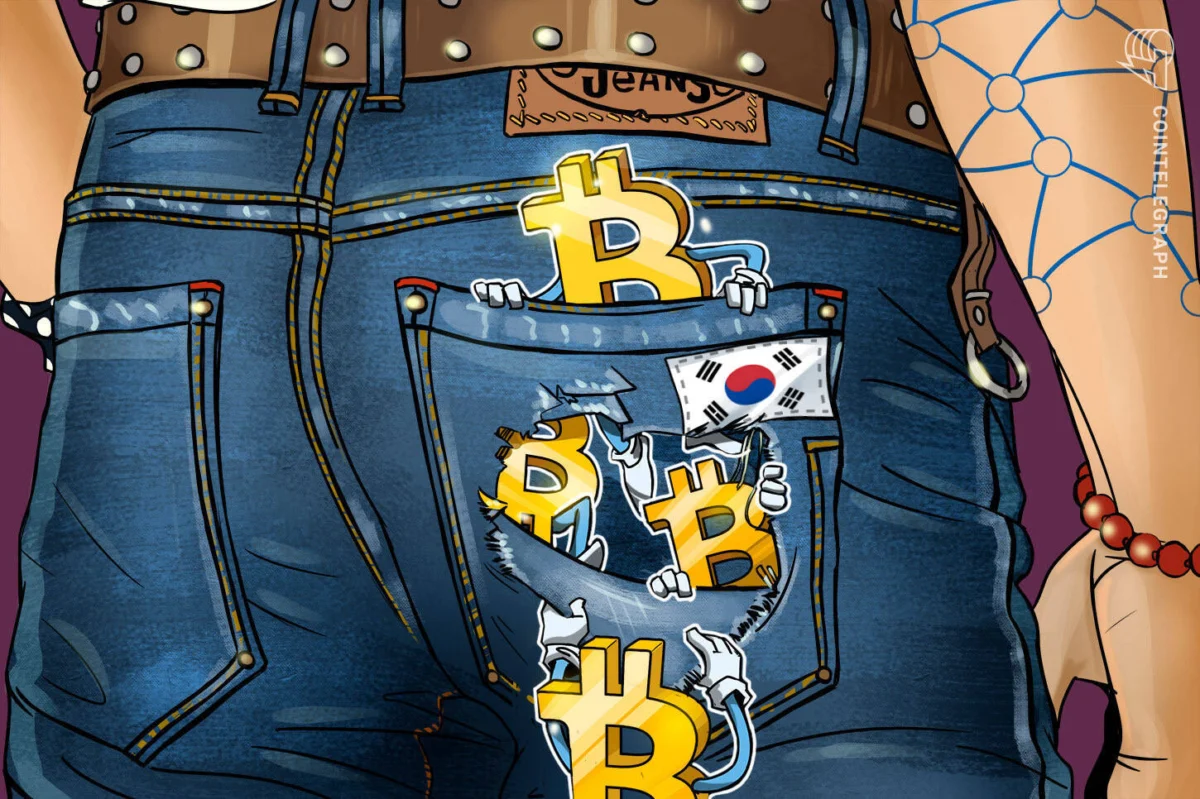
South Korean financial authorities have significantly ramped up their efforts to curb illicit activities within the burgeoning digital asset market, investigating more than 40 cases of unfair trading, including sophisticated market manipulation and fraudulent cryptocurrency schemes, over the past two years. This concerted crackdown underscores the nation’s commitment to fostering a secure and transparent virtual asset ecosystem, particularly as the landmark Virtual Asset User Protection Act (VAUPA) recently took full effect. The investigations have already led to the reporting or referral of 30 cases to relevant investigative agencies, resulting in the identification of 25 suspects since the VAUPA’s provisions became operational in July 2024.
The ongoing enforcement drive highlights a critical period for South Korea’s financial regulatory bodies, including the Financial Services Commission (FSC), as they strive to bring order to a sector historically prone to volatility and illicit practices. According to insights shared by Financial Services Commission Chair Lee Eog-won via an official social media post, the average unlawful gains derived from these fraudulent activities were estimated to be approximately 1.4 billion Korean won, equivalent to roughly $940,000. These figures not only illustrate the scale of financial misconduct but also emphasize the substantial monetary incentives driving such illicit operations within the digital asset space.
The Genesis of Regulation: A Timeline of South Korea’s Crypto Oversight
South Korea has long been at the forefront of cryptocurrency adoption, with a tech-savvy population and high levels of internet penetration contributing to a vibrant digital asset market. However, this enthusiasm also brought forth a unique set of regulatory challenges. For years, the virtual asset market largely operated outside conventional financial frameworks, leading to a period of both explosive growth and significant vulnerability for investors. Early attempts at regulation often focused on anti-money laundering (AML) and know-your-customer (KYC) compliance for virtual asset service providers (VASPs), but a comprehensive framework for user protection and market integrity remained elusive.
The turning point arrived with the legislative push for the Virtual Asset User Protection Act. Chair Lee Eog-won’s statement marked the second anniversary of the VAUPA’s enactment, which occurred in July 2022. This enactment was a pivotal moment, signaling the government’s intent to formalize oversight of the virtual asset market. However, the journey from enactment to full implementation is often a complex process involving the drafting of detailed enforcement rules, establishing operational guidelines, and preparing regulatory bodies for their expanded roles.
The full impact of the VAUPA’s provisions began to be felt as the act officially "took effect" in July 2024. This phased approach allowed the industry and regulators time to adapt to the new landscape. The two-year span between enactment and full implementation has been crucial, witnessing a significant build-up of regulatory infrastructure and surveillance capabilities. The investigations into more than 40 unfair trading cases over "the last two years" directly align with this timeline, reflecting the proactive stance taken by authorities even before the VAUPA’s full operational status. These preliminary investigations and referrals have served as a critical precursor to the full-scale enforcement now possible under the strengthened legal framework.
Deep Dive into Illicit Activities and Enforcement Data
The nature of the illicit activities uncovered by South Korean financial authorities provides a stark illustration of the risks inherent in unregulated or under-regulated digital asset markets. The term "unfair trading" encompasses a broad spectrum of misconduct, with market manipulation and fraudulent crypto trading being prominent examples cited.
- Market Manipulation: This often involves actions designed to artificially inflate or deflate the price of a virtual asset. Common tactics include "wash trading," where an individual or entity simultaneously buys and sells the same asset to create a false sense of trading volume and demand, and "pump-and-dump" schemes, where promoters artificially inflate the price of a cryptocurrency through misleading statements and then sell their holdings at the peak. The VAUPA specifically targets such activities, enhancing the FSC’s ability to identify and penalize manipulators.
- Fraudulent Crypto Trading: This category is vast, ranging from outright scams, phishing attacks, and misleading initial coin offerings (ICOs) to more complex schemes involving misrepresentation of asset value or project viability. It also includes "insider trading," where individuals with privileged information about a virtual asset project or platform use that information to make profitable trades before the information becomes public.
- Unlawful Gains: The average unlawful gain of ₩1.4 billion ($940,000) per case is a significant sum, indicating that these are not minor infractions but rather substantial financial crimes. To put this into perspective, while precise comparative data for traditional financial markets varies, such figures are comparable to serious economic crimes and demonstrate the lucrative nature of exploiting regulatory gaps in the crypto space. The total estimated illicit gains from the 40+ cases could run into tens of billions of Korean won, underscoring the necessity of robust enforcement.
The data — 40+ cases investigated, 30 cases reported or referred, and 25 suspects identified — points to a highly active and effective investigative process. The differentiation between "cases investigated" and "cases reported/referred" suggests a rigorous screening process, where only those with sufficient evidence are escalated to prosecutorial bodies. The identification of 25 suspects further indicates that these investigations are moving beyond theoretical analyses to concrete actions against individuals or entities responsible for financial misconduct. Given the nascent stage of comprehensive crypto regulation globally, South Korea’s proactive stance and tangible results are notable. The size of the South Korean crypto market, estimated to be among the largest globally in terms of trading volume and user base, makes these enforcement actions particularly impactful for both domestic and international participants.
Official Stance and Regulatory Directives
FSC Chair Lee Eog-won’s recent statements serve as the cornerstone of the official response, reiterating the government’s unwavering commitment to market integrity and user protection. His reflection on the VAUPA’s second anniversary emphasizes its foundational role in establishing a legal framework for the virtual asset market, which previously operated largely without institutional oversight. "It was a meaningful time that brought the virtual asset market, which was outside the institutional framework at the time, into the fold of the law and created an opportunity to establish a user protection system for virtual assets," Lee remarked. This sentiment encapsulates the transformative ambition behind the legislation.
The VAUPA is meticulously designed to safeguard users who engage in buying and storing crypto assets with virtual asset service providers (VASPs). A cornerstone of the act is the stringent requirement for VASPs to legally separate user deposits and virtual assets from their own corporate holdings. This crucial provision mandates that client deposits be held in banks, providing an essential layer of security and preventing the commingling of funds that could jeopardize user assets in the event of a VASP’s insolvency or mismanagement. This measure directly addresses one of the primary vulnerabilities exposed in past crypto exchange failures globally.
Furthermore, the legislation directly targets illicit activities such as insider trading, wash trading, and market manipulation. By explicitly defining and prohibiting these practices, the VAUPA provides a clear legal basis for enforcement. Crucially, it significantly enhances the Financial Services Commission’s authority to supervise and inspect VASPs. This expanded mandate grants the FSC greater powers to conduct audits, request information, and impose penalties, thereby creating a more formidable regulatory presence in the digital asset space.
Looking ahead, Chair Lee also outlined the FSC’s forward-looking strategy, emphasizing the continuous evolution of regulatory tools and methodologies. "We will continue to enhance market surveillance investigation and monitoring systems based on AI, and proactively respond to high-risk areas," Lee stated. This commitment to integrating artificial intelligence (AI) into surveillance systems signifies a modern, technologically advanced approach to regulation. AI can process vast amounts of transaction data, identify anomalous trading patterns indicative of manipulation, and detect emerging risks with greater speed and accuracy than traditional methods. This proactive stance, combined with a focus on high-risk areas, aims to create a dynamic regulatory environment capable of adapting to the rapid innovations and evolving threats within the virtual asset market.
Beyond the FSC, other related parties, such as the Financial Intelligence Unit (FIU) and the prosecutor’s office, play critical roles in this broader enforcement ecosystem. While specific statements from these bodies were not included in the original report, their implicit support and collaboration are essential for the referral and prosecution of cases. The FIU’s role in anti-money laundering efforts and the prosecutor’s office in bringing charges against suspects form the final, decisive steps in the regulatory chain, ensuring that investigations translate into tangible legal consequences.
Broader Implications: Market Integrity, Investor Confidence, and Future Outlook
The rigorous enforcement actions and the robust regulatory framework established by the VAUPA carry profound implications for South Korea’s digital asset market and its standing on the global stage. Firstly, these measures are crucial for enhancing market integrity. By actively pursuing and penalizing unfair trading practices, authorities send a clear message that illegal activities will not be tolerated. This fosters a fairer trading environment where prices are determined by genuine supply and demand rather than manipulation, thereby leveling the playing field for all participants.
Secondly, and perhaps most importantly, these efforts directly impact investor confidence. The history of the crypto market is riddled with incidents of fraud, scams, and exchange collapses, which have eroded public trust. A strong regulatory framework, backed by effective enforcement, provides a much-needed sense of security for both retail and institutional investors. Knowing that there are mechanisms in place to protect their assets and that bad actors will be held accountable can encourage broader participation and investment in legitimate digital asset services. This is particularly vital in a market like South Korea, which has a high retail investor participation rate in cryptocurrencies.
The adoption of AI in market surveillance represents a significant step forward. This technological integration not only increases the efficiency and effectiveness of monitoring but also positions South Korea as a leader in leveraging advanced tools for financial regulation. As digital assets become more complex and trading volumes grow, human-led surveillance alone becomes increasingly challenging. AI’s ability to detect subtle patterns and anomalies will be indispensable in identifying new forms of manipulation and fraud, ensuring that regulation keeps pace with technological innovation.
However, challenges remain. The global nature of cryptocurrency means that illicit activities often cross national borders, making enforcement complex and requiring international cooperation. Furthermore, the rapid evolution of decentralized finance (DeFi) and new asset classes constantly presents new regulatory frontiers. South Korea’s approach, while robust, will need to continuously adapt to these emerging trends.
Looking ahead, the VAUPA is widely considered a foundational piece of legislation, and discussions around a "Phase 2" of virtual asset regulation are already underway. This next phase is expected to delve deeper into areas such as token listing guidelines, initial coin offering (ICO) regulations, and potentially taxation frameworks, further solidifying the comprehensive regulatory architecture. South Korea’s proactive stance and the tangible results of its enforcement efforts position it as a significant player in shaping global crypto regulatory norms. Its experience and the success of the VAUPA could serve as a model for other nations grappling with similar challenges in integrating digital assets into their mainstream financial systems while ensuring investor protection and market stability. The ongoing investigations are not merely about penalizing past misconduct but are integral to building a more resilient, trustworthy, and sustainable digital asset ecosystem for the future.