James Watt
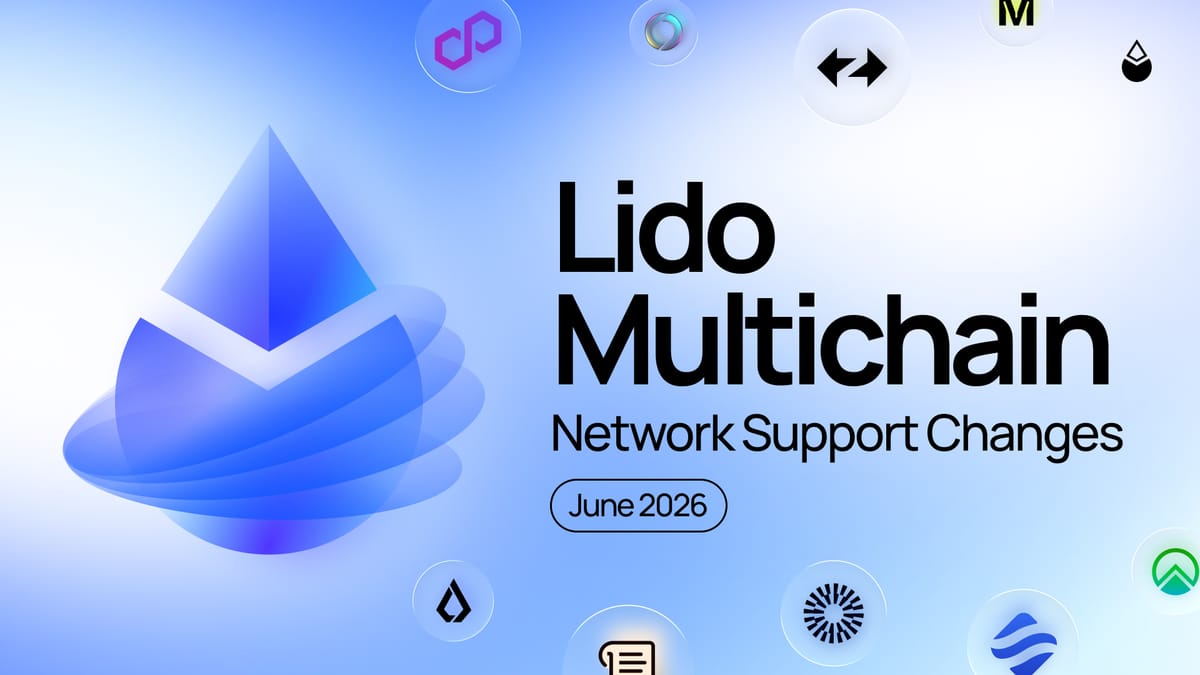
In a significant strategic move for one of the decentralized finance (DeFi) industry’s largest protocols, the Lido DAO has officially revoked the canonical status of wstETH bridge endpoints on nine distinct blockchain networks. This decision, formalized through a recent Snapshot vote, impacts zkSync Era, Mode, Scroll, Mantle, Swell, Zircuit, Soneium, Polygon PoS, and Lisk. While the announcement may initially raise questions among holders, Lido contributors have unequivocally stated that all user funds remain safe and fully accessible, requiring no immediate action from individuals holding wstETH on these now-de-recognized chains. The revocation is framed as a governance-led initiative to optimize resource allocation, ensuring Lido’s operational focus is concentrated on networks demonstrating substantial wstETH adoption. This comprehensive article delves into the intricacies of canonical recognition, the implications of its revocation, the underlying rationale for these changes, and the forward-looking strategy for Lido’s multichain presence.
The Genesis of Canonical Recognition in DeFi
To fully grasp the magnitude of the Lido DAO’s recent decision, it is crucial to understand what "canonical recognition" entails within the complex ecosystem of decentralized finance, particularly for a liquid staking derivative like wstETH. When a bridge endpoint and its associated token contract receive formal canonical recognition through Lido DAO governance, it signifies a profound endorsement. This designation identifies that specific bridge and token as the official, sanctioned deployment of wstETH on a given network. Beyond being a mere label, canonical status confers a suite of active support mechanisms designed to ensure the integrity, security, and seamless integration of wstETH across the broader DeFi landscape.
This support infrastructure is multifaceted, encompassing continuous active monitoring of the bridge and token contract, stringent security oversight to mitigate potential vulnerabilities, and a robust incident response framework ready to address any unforeseen issues. Furthermore, canonical recognition translates into dedicated integration support for developers and protocols looking to incorporate wstETH into their offerings on that network, alongside ongoing communication from Lido contributors to the community. This comprehensive backing fosters trust, enhances liquidity, and provides a clear signal to the ecosystem regarding the reliability and official backing of a particular wstETH deployment. For a protocol with Lido’s stature, which commands billions in Total Value Locked (TVL) and plays a pivotal role in Ethereum’s staking ecosystem, such recognition is invaluable, acting as a beacon of legitimacy and stability for users and developers alike. However, maintaining this elevated level of support across a multitude of diverse blockchain networks is inherently resource-intensive, demanding significant commitments in terms of technical expertise, financial capital, and human effort. The DAO’s latest decision reflects a strategic pivot, aiming to channel these valuable resources more effectively towards environments where wstETH is achieving genuine, widespread adoption and utility.
Navigating the Revocation: What Stakers Need to Know
The immediate and paramount concern for any user holding digital assets is the security and accessibility of their funds. In this instance, Lido contributors have been explicit in their reassurance: any wstETH held on the affected networks — zkSync Era, Mode, Scroll, Mantle, Swell, Zircuit, Soneium, Polygon PoS, and Lisk — remains entirely safe and fully accessible. The revocation of canonical status is a governance-level decision, not a technical one, meaning it does not in any way disable the underlying bridge infrastructure, invalidate any existing wstETH tokens, or alter the fundamental functionality of the smart contracts governing these assets. Users can continue to hold their wstETH, transfer it between wallets, or bridge it back to the Ethereum mainnet using the same established infrastructure and procedures as before the announcement.
No mandatory action is required from stakers. This optionality is a key aspect of the communication. Should users prefer to consolidate their wstETH holdings on networks that retain canonical support or repatriate them to Ethereum, they are free to do so at their convenience, with no imposed deadline. The flexibility underscores Lido’s commitment to user autonomy despite the strategic shift.
A critical nuance, however, applies to users who have deployed their wstETH within third-party DeFi protocols on these now-de-recognized networks. This includes positions in lending markets, liquidity pools, yield farms, or other complex financial instruments. While the revocation does not directly impact the technical functionality of these third-party protocols or invalidate the underlying wstETH, Lido contributors will no longer provide active monitoring, security oversight, or dedicated support for wstETH on these specific chains. Users with such positions are strongly advised to conduct their own thorough review of these holdings. The absence of Lido’s official monitoring might introduce a different risk profile for these integrations, and proactive due diligence from users becomes even more important. This distinction highlights the difference between the core asset’s integrity and the broader ecosystem support provided by Lido.
Strategic Realignment: The "Why" Behind the Decision
The decision to revoke canonical recognition for wstETH on nine networks is not arbitrary but stems from a maturing multichain strategy within the Lido DAO. As the Lido Multichain program has evolved since its inception, the initial imperative for broad expansion has gradually given way to a more refined focus on efficiency and impact. The primary driver behind this latest governance vote is the commitment to concentrate valuable resources on networks where wstETH has demonstrably achieved "meaningful adoption."
This threshold of meaningful adoption is evaluated against several criteria, including but not limited to, the volume of wstETH bridged, the depth of liquidity in key DeFi protocols, the number of active users, and the overall developer engagement within the ecosystem. For one or more reasons, the aforementioned networks were determined by the DAO to no longer meet this crucial threshold. While specific metrics for each network were not publicly detailed in the immediate announcement, the general rationale points towards an optimization of the Lido protocol’s operational footprint.
Canonical recognition, as previously detailed, carries substantial ongoing costs. These include the continuous expense of security audits and monitoring, the operational overhead of maintaining an incident response team, the investment in dedicated user support channels, and the strategic allocation of resources for marketing and ecosystem development initiatives. In a competitive and rapidly evolving multichain landscape, the prudent allocation of these resources becomes paramount. By centralizing support on networks exhibiting robust wstETH integration and user engagement, the Lido DAO aims to maximize the value generated by its efforts, ensuring that its operational expenditures are aligned with areas of greatest impact and growth potential. This fiscal prudence reflects a growing trend across the DeFi sector, where early-stage, expansive strategies are often followed by periods of consolidation and efficiency-driven optimization as protocols mature and seek sustainable growth trajectories. The move effectively signals a shift from an ‘explore and expand’ phase to a ‘focus and deepen’ phase for Lido’s multichain strategy.
Chronology and Governance Evolution
While the immediate announcement details the outcome of a recent Snapshot vote, this decision is the culmination of ongoing discussions and strategic evaluations within the Lido DAO concerning its multichain expansion. Over the past year, as the number of Layer 2 solutions and alternative Layer 1 blockchains proliferated, Lido embarked on an ambitious program to extend wstETH’s reach, recognizing the need for liquid staking derivatives across a diverse ecosystem. This initial phase prioritized accessibility and establishing a presence wherever user demand or promising technological innovation emerged.
However, the sustained growth of the multichain landscape also brought increasing complexity and resource demands. The sheer volume of networks, each with its unique security considerations, technical nuances, and community dynamics, stretched the capacity of Lido’s contributors and the DAO’s operational budget. Discussions within the Lido research forums and governance calls likely highlighted the challenges of providing consistent, high-quality canonical support across all integrated chains without diluting efforts or incurring unsustainable costs. The recent vote, therefore, marks a deliberate pivot, informed by these experiences and a desire for greater operational focus. It represents a structured approach to managing the lifecycle of multichain integrations, moving beyond an initial broad outreach to a more selective, performance-based commitment.
Furthermore, this governance decision introduces a significant evolution in how Lido will manage future network integrations and revocations. The same DAO vote authorized the establishment of the Network Expansion Committee (NEC). This committee is now empowered to handle similar revocations in the future, streamlining the process and reducing the operational overhead associated with requiring a full DAO-wide vote for every such adjustment. To ensure transparency and accountability, any future revocation initiated by the NEC will necessitate unanimous committee support and a public announcement on Lido’s official forums, clearly explaining the rationale behind the decision. This mechanism strikes a balance between agile decision-making and robust community oversight. It also provides a structured pathway for any affected network that might, in the future, seek renewed canonical recognition, allowing them to re-apply through the NEC under the endorsement principles in place at that time. This institutionalization of the review process underscores Lido’s long-term commitment to a dynamic and adaptive multichain strategy.
Broader Implications and Future Outlook
The revocation of canonical wstETH support on nine networks carries multifaceted implications for the broader DeFi ecosystem, for Lido itself, and for the affected blockchain communities. For Lido, this move represents a definitive strategic realignment. By sunsetting active monitoring, marketing support, and ecosystem development for wstETH on the de-recognized chains, Lido can reallocate substantial resources towards deepening its integrations and fostering greater adoption on networks that continue to meet its strategic criteria. This could lead to more robust security, enhanced user experiences, and accelerated innovation on the favored chains, potentially solidifying Lido’s position as a dominant liquid staking provider within a more concentrated multichain footprint. References to these networks will be systematically updated across Lido’s official platforms, including the Lido Multichain page, Lido Docs, and Help Center, reflecting the updated support landscape.
For the affected networks – zkSync Era, Mode, Scroll, Mantle, Swell, Zircuit, Soneium, Polygon PoS, and Lisk – the implications are more nuanced. While the technical infrastructure for bridging wstETH remains intact, the removal of Lido’s "official" endorsement could potentially impact their appeal for new DeFi protocols or users seeking the highest level of security and integration assurance for wstETH. Existing DeFi protocols on these chains that leverage wstETH might need to reassess their risk frameworks in light of the reduced direct support from Lido. However, it’s also plausible that these networks could pivot to foster alternative liquid staking derivatives or strengthen their native DeFi ecosystems independently, without relying on canonical status from external protocols. The competitive nature of the Layer 2 and alternative L1 space means that such shifts are often met with adaptive strategies.
From a broader industry perspective, Lido’s decision may set a precedent for other large-scale DeFi protocols grappling with the complexities and costs of multichain expansion. It underscores the challenges of scaling support across an ever-growing number of blockchains and highlights the importance of strategic resource allocation for long-term sustainability. As the DeFi landscape matures, a shift towards more focused, impactful multichain strategies, rather than indiscriminate expansion, might become a common theme. The establishment of the Network Expansion Committee also signifies an evolving sophistication in DAO governance, moving towards more efficient and specialized committees to handle complex operational decisions, while maintaining transparency and community oversight. This iterative refinement of governance structures is crucial for the scalability and longevity of decentralized autonomous organizations.
In conclusion, the Lido DAO’s decision to revoke canonical wstETH support on nine networks is a calculated and strategic pivot. It signals a maturation of its multichain program, emphasizing efficiency, resource optimization, and a sharper focus on environments where wstETH demonstrates meaningful adoption. While user funds remain secure, the move reshapes Lido’s presence across the multichain landscape, ushering in an era of more deliberate and targeted expansion guided by a newly empowered Network Expansion Committee. This evolution is likely to have ripple effects across the DeFi ecosystem, influencing how protocols approach multichain strategies and resource management in the future.
The information provided on this page is for general informational purposes only and does not constitute financial or legal advice. Bridging involves significant risks, and individuals should conduct their own thorough research and seek advice from qualified professionals before participating. For more detailed information, please refer to our Terms of Use and the Lido FAQ.