Lina Irawan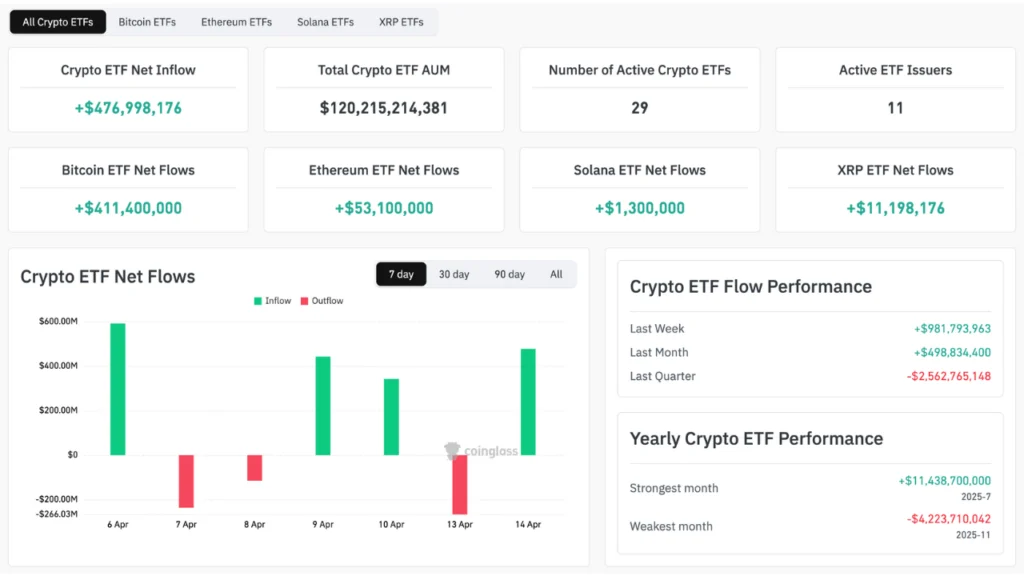
A sudden and unexpected shift in global geopolitical landscapes has injected significant momentum into the cryptocurrency market, catalyzing one of the most aggressive short squeezes observed in recent months. The announcement of a ceasefire between the United States and Iran sent shockwaves through financial markets, leading to the liquidation of over $600 million in bearish positions virtually overnight. This dramatic event propelled Bitcoin back above the crucial $72,000 mark and infused a market previously weighed down by geopolitical uncertainty with a renewed sense of optimism. The swift and decisive nature of this market reset was not merely a price rally; it represented a structural recalibration driven by forced buying, a palpable shift in market sentiment, and a reawakening appetite for risk-assets.
The Geopolitical Spark Ignites Digital Asset Markets
For weeks, global financial markets had been on edge, anticipating potential escalations of tensions in the Middle East, particularly concerning the Strait of Hormuz, a vital chokepoint for global oil transportation. The region’s strategic importance meant that any perceived instability carried significant macroeconomic implications, directly impacting inflation concerns and investor sentiment towards riskier assets like cryptocurrencies. When news emerged of a two-week ceasefire agreement, the market’s reaction was immediate and profound. Oil prices experienced a sharp decline, effectively alleviating immediate inflationary pressures and removing a substantial macroeconomic headwind that had been dampening enthusiasm for risk-on investments.
The immediate impact on the crypto market was a rapid surge in prices. Bitcoin, the flagship cryptocurrency, breached the $71,000 level within hours of the ceasefire announcement. Ethereum, the second-largest cryptocurrency by market capitalization, followed suit, experiencing an impressive climb of over 6% to reclaim its position within the $2,200 to $2,300 trading range. Concurrently, the total cryptocurrency market capitalization surged past the $2.5 trillion threshold, a clear indication of a broad-based return of capital into the digital asset ecosystem.

However, beneath the surface of this impressive price appreciation, market analysts identified a critical nuance. While organic demand certainly contributed, a significant portion of this rally was not solely driven by fundamental buying pressure but rather by the mechanics of a forced liquidation event.
Unpacking the Mechanics of a $600 Million Short Squeeze
The primary engine behind this dramatic price surge was the massive liquidation of bearish positions on cryptocurrency derivatives exchanges. Traders who had strategically bet on a decline in Bitcoin’s price, holding short positions, were compelled to repurchase those positions as the market began to rise. This forced buying created a powerful feedback loop, where rising prices triggered more liquidations, which in turn further accelerated the upward price momentum.
This phenomenon, commonly known as a short squeeze, is characterized by sharp, often short-lived, price spikes. Market data indicated that hundreds of millions of dollars in short positions were effectively wiped out, acting as a potent accelerant for Bitcoin’s ascent. The liquidation of these bearish bets provided the "fuel" for the rally, pushing prices higher than they might have moved based on underlying demand alone.
This raises a pertinent question for market participants: how sustainable is this rally? While the price action has been undeniably strong, a closer examination of trading volumes reveals a more complex picture. Spot trading volumes, which represent actual buying demand from investors holding the assets, have remained relatively subdued when compared to historical norms during significant bull runs. This suggests that while the price is appreciating, the underlying conviction among a broad base of investors may not yet be fully established. The recent surge, therefore, might be more of a technical reaction to market dynamics than a wholesale shift in fundamental sentiment.

Bitcoin’s Range-Bound Struggle: A Breakout or Mere Consolidation?
For the past two months, Bitcoin has largely been trading within a defined price range, oscillating between approximately $64,000 and $74,000. This pattern is often indicative of a consolidation phase within broader market cycles, where buyers and sellers are in equilibrium, and the market digests recent price movements. The recent surge, while significant, has pushed Bitcoin towards the upper boundary of this established range. A decisive breakout above the $78,000 level, often considered a key resistance point, remains a challenge without a consistently strong catalyst.
Current market forecasts present a divided outlook. Some analysts project a bullish scenario, anticipating that Bitcoin could test the $75,000 to $80,000 range in the near term, driven by sustained positive sentiment. Conversely, more conservative analyses warn of potential retracements, suggesting that a decline back towards the $54,000 level is still a possibility if the current momentum falters. This divergence in opinion highlights a broader debate within the market: has Bitcoin already established a firm bottom and is poised for a sustained upward trend, or is this recent price action merely a temporary relief rally within a larger, potentially bearish, market structure?
Institutional Signals Add Layers of Complexity
Adding further complexity to the evolving market narrative is the continued activity from institutional investors. In a significant development, a prominent digital asset investment firm recently announced the successful fundraising of over $1 billion. This capital is earmarked for accumulating Bitcoin, an event widely interpreted as a strong endorsement of the asset’s long-term value proposition and a vote of confidence in its future trajectory. Such institutional backing can often signal a shift in market perception and potentially attract further capital.
However, the landscape of institutional investment is not monolithic, as evidenced by the mixed signals from Exchange-Traded Fund (ETF) flows. While Bitcoin ETFs have experienced notable outflows in recent periods, suggesting some investors are trimming positions or reallocating capital, Ethereum ETFs have begun to attract steady inflows. This divergence could indicate a subtle but important shift in investor preference within the crypto market, potentially signaling a rotation towards specific assets rather than a uniform bullish trend across the entire digital asset class. This distinction is crucial for understanding the underlying drivers of market movements.

Ethereum: A Quiet Strength Beneath Technical Resistance
Ethereum’s performance in the context of this market cycle has been particularly noteworthy, extending beyond mere price action. Several on-chain indicators suggest a strengthening of its underlying fundamentals. Currently, ETH is trading near its "realized price," a key metric that represents the average cost basis of all Bitcoin holders. Historically, this level has acted as a significant area of resistance during periods of weak market trends but can transform into robust support when market sentiment improves and buying conviction solidifies.
Furthermore, the Coinbase Premium Index, which measures demand from U.S. institutional investors, has maintained a positive reading in recent days. This sustained positive premium indicates continued buying interest from American institutions, a significant demographic in the crypto market.
Despite these positive on-chain signals, Ethereum faces its own set of challenges. Funding rates in derivatives markets have recently turned negative, suggesting that a significant portion of traders are still positioning for a bearish outcome. Combined with identifiable technical resistance around the $2,388 mark, Ethereum is at a critical juncture. Its ability to break decisively above this resistance level will be a key determinant in confirming its strength and signaling a potential continuation of its upward trajectory, or it may face rejection, leading to further consolidation.
The Resurgence of High-Risk Capital and Speculative Plays
While Bitcoin and Ethereum often capture the spotlight, the current market cycle is also characterized by a resurgence of speculative capital flowing into early-stage projects and token presales. Among these, the project "Pepeto" has emerged as a notable example. It successfully raised over $8.8 million during a period of heightened market fear, a testament to the speculative appetite that can emerge when perceived risk subsides. Pepeto positions itself as an infrastructure-focused ecosystem, aiming to offer features such as zero-fee trading tools and cross-chain interoperability.

This trend aligns with a recurring pattern observed in previous cryptocurrency cycles: as macroeconomic uncertainty diminishes, capital tends to expand rapidly into higher-risk, higher-reward opportunities. This often includes investments in nascent projects with the potential for exponential growth. However, this segment of the market is inherently fraught with significant risks. The proliferation of new tokens and projects increases the likelihood of encountering vulnerabilities, potential scams, and unsustainable tokenomics. Consequently, rigorous due diligence, with a particular emphasis on smart contract audits, has become more critical than ever for investors navigating this high-stakes environment.
Market Psychology: The Dance of Fear, Greed, and Timing
Perhaps the most profound takeaway from this recent market development is psychological rather than purely technical. Cryptocurrency markets are notoriously sensitive to shifts in investor sentiment. Fear can drive prices far below their intrinsic value, creating opportunities for astute investors, while relief, such as a de-escalation of geopolitical tensions, can trigger rapid and often outsized rebounds.
The Crypto Fear and Greed Index, which recently registered levels of "extreme fear," underscores this dynamic. Historically, periods of extreme fear have often coincided with accumulation phases for long-term investors, marking potential bottoms in the market cycle. However, the element of timing remains paramount. Early participants in previous market cycles, those who entered the market before major catalysts ignited widespread adoption and price appreciation, have historically captured the lion’s share of gains. Whether this historical pattern will repeat in the current cycle hinges on a complex interplay of macroeconomic conditions, evolving regulatory frameworks, and sustained capital inflows from both retail and institutional investors.
Charting the Path Forward: Key Factors to Watch
Looking ahead, several critical factors will undoubtedly shape the trajectory of the cryptocurrency market:

- Geopolitical Stability: The duration and nature of the current ceasefire, and the broader geopolitical landscape in the Middle East, will continue to influence risk appetite globally. Any renewed escalations could quickly reverse positive sentiment.
- Inflationary Pressures and Central Bank Policy: The persistence of inflation and the subsequent monetary policy decisions by major central banks (such as interest rate adjustments) will have a significant impact on the availability of liquidity and the attractiveness of risk assets.
- Regulatory Developments: Clarity and consistency in regulatory frameworks for cryptocurrencies across major jurisdictions remain crucial for fostering institutional adoption and mitigating systemic risks.
- Technological Advancements and Adoption: Continued innovation within the blockchain space, particularly in areas like scalability, interoperability, and real-world utility, will be key drivers of long-term value.
- Spot ETF Performance: The sustained performance and flow dynamics of Bitcoin and Ethereum ETFs will be a key indicator of institutional and retail demand.
For the present moment, the cryptocurrency market stands at a crucial crossroads. The $600 million short squeeze has served as a potent reminder of the market’s capacity for rapid and dramatic shifts. However, the fundamental question remains: does this represent the dawn of a sustained uptrend, or is it merely a fleeting relief rally within a larger, more protracted bearish phase?
Concluding Thoughts: Navigating Opportunity Amidst Volatility
The ceasefire-induced rally has undoubtedly reignited momentum across the cryptocurrency market. Yet, it has also highlighted the sometimes-fragile underpinnings of recent price gains. While short squeezes can artificially inflate prices in the short term, sustainable and lasting market trends are ultimately driven by genuine demand and underlying fundamental value.
Bitcoin is currently testing the upper boundaries of its established trading range, signaling a potential breakout if momentum can be sustained. Ethereum, on the other hand, is exhibiting signs of underlying structural strength, bolstered by positive on-chain metrics. The emergence of speculative plays like Pepeto further underscores the market’s inherent appetite for risk when sentiment shifts favorably.
For investors, the message emanating from these developments is clear: opportunities are emerging, but so too is heightened volatility. In this dynamic environment, success will not solely belong to those who act quickly, but rather to those who possess a deep understanding of the underlying forces driving market movements. Comprehending the "why" behind price action, in addition to the "what," will be the true differentiator for those seeking to navigate the evolving landscape of digital assets.