Lina Irawan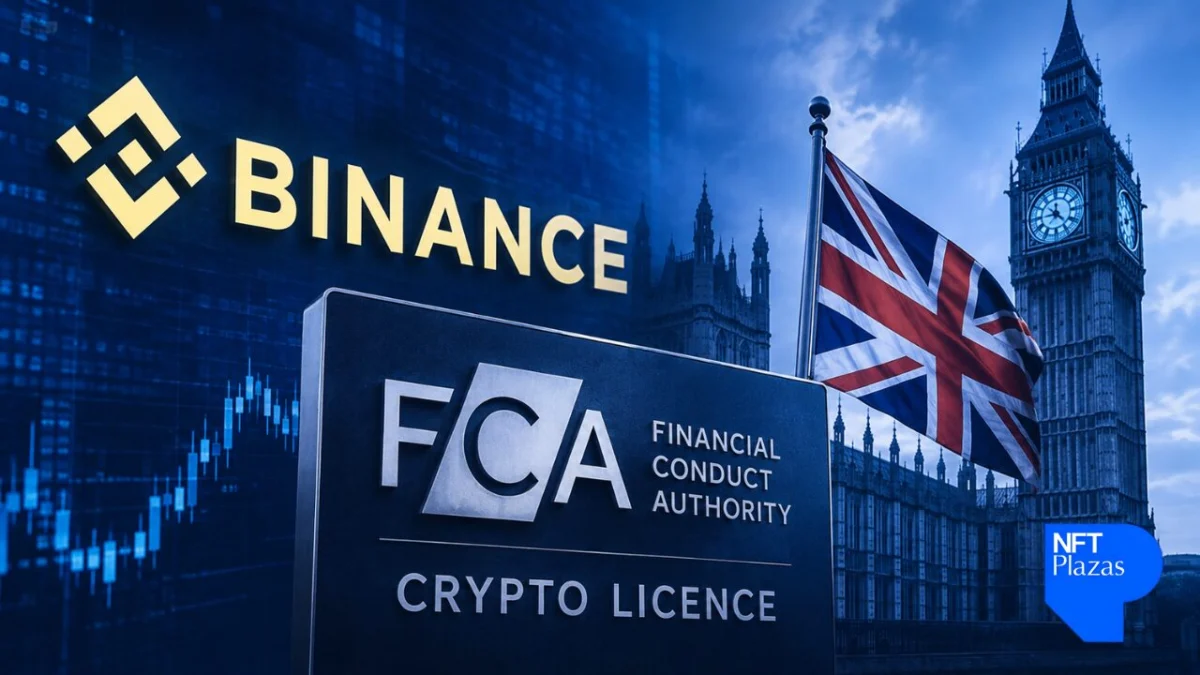
Binance, the world’s largest cryptocurrency exchange by trading volume, is reportedly preparing for a significant re-entry into the United Kingdom market. Sources indicate that the exchange intends to apply for a coveted cryptoasset licence from the Financial Conduct Authority (FCA) when the application window opens next month. This strategic move, first reported by The Telegraph, signifies a determined effort by Binance to re-establish a formal presence in a key European financial hub, a jurisdiction from which its British entity was previously barred from conducting regulated activities. The timing of this application is particularly noteworthy, coinciding with the UK’s proactive approach to introducing a more robust regulatory framework for crypto exchanges and other digital-asset companies.
The FCA has designated September 30, 2026, as the commencement date for accepting licence applications, with the submission period closing on February 28, 2027. The comprehensive new regulatory regime is slated to become fully effective on October 25, 2027. For Binance, securing FCA approval would represent a pivotal step in regaining access to a crucial and influential market within Europe, bolstering its global operational footprint and potentially enhancing its standing with other international regulators.
A Complex History with the FCA
Binance’s relationship with the FCA has been marked by significant challenges, culminating in a sharp deterioration of ties in 2021. In June of that year, the FCA issued a stern directive ordering Binance Markets Limited, the exchange’s registered UK entity, to cease all regulated activities within Britain without obtaining prior written consent. The regulator’s concerns at the time centered on its inability to effectively supervise Binance, citing complexities within the broader Binance Group and its intricate global operational structure. This lack of transparency and supervisory clarity was a primary driver behind the FCA’s decision.
Following this, Binance Markets Limited voluntarily withdrew its UK permissions in May 2023. The FCA subsequently clarified that no other Binance entity held the requisite authorisation or registration to conduct regulated business in the United Kingdom. Despite these restrictions, Binance continued to serve its existing British customers from offshore operations.
The exchange’s ability to attract new users within the UK was further curtailed in October 2023. This occurred when the FCA imposed restrictions on Rebuildingsociety.com, a firm responsible for approving crypto-related financial promotions. Consequently, Binance was compelled to halt the onboarding of new UK customers, although existing users were permitted to continue their trading activities. The impending application signals a renewed and ambitious attempt by Binance to solidify a legitimate and regulated operational presence within the UK.
Navigating the New Regulatory Terrain
The forthcoming UK crypto regime promises to fundamentally reshape the operational landscape for digital-asset businesses. Under the new framework, integrated within the Financial Services and Markets Act 2000, firms engaged in regulated cryptoasset activities will be mandated to secure formal FCA authorisation. Crucially, existing registrations obtained under the current anti-money-laundering (AML) regime will not automatically transition to the new system, necessitating a complete reapplication process.
Prospective licence holders will face stringent requirements, demanding comprehensive evidence of compliance in critical areas such as robust governance structures, adequate financial resources, operational resilience, stringent consumer protection measures, and unwavering market integrity. Furthermore, senior management personnel will undergo rigorous assessments to ensure they meet the FCA’s exacting "fit and proper" standards.
Binance’s complex and often decentralized corporate structure is likely to be a focal point of scrutiny during the application process. Reports suggest that Binance is contemplating the establishment of a dedicated UK-based board as an integral component of its licensing bid. A strengthened local governance framework could provide British regulators with enhanced oversight and a more direct channel for communication and control over the exchange’s decision-making processes.
However, the FCA’s past reservations extended beyond Binance’s immediate UK subsidiary. The regulator’s 2021 action explicitly addressed concerns about the effective supervision of the wider Binance organisation. Therefore, Binance will need to demonstrate convincingly that both its UK operations and its overarching global systems are capable of meeting the FCA’s elevated expectations for transparency and accountability.

A Compliance Record Under Intense Scrutiny
Binance’s pursuit of a UK licence comes at a time when the exchange has been grappling with substantial regulatory challenges, most notably in the United States. In November 2023, Binance reached a landmark settlement with US authorities, pleading guilty to charges encompassing anti-money-laundering and sanctions violations. This resolution involved a substantial penalty exceeding $4.3 billion, marking one of the most significant corporate penalties ever imposed within the cryptocurrency industry.
Adding to these regulatory headwinds, Binance’s founder, Changpeng Zhao, also pleaded guilty to violating US anti-money-laundering requirements. He was subsequently sentenced to four months in prison in 2024. This high-profile settlement precipitated a sweeping overhaul of Binance’s internal compliance operations, as regulators globally intensified their scrutiny of the exchange’s practices.
More recently, reports have surfaced raising questions about the potential movement of cryptocurrency transactions linked to sanctioned Iranian networks through the Binance platform. Binance has vehemently rejected these allegations, asserting a zero-tolerance policy towards sanctions violations and any form of unlawful activity, and stating that it did not knowingly facilitate such transactions. These ongoing controversies are likely to be a critical consideration during the FCA’s review process, with the exchange’s past compliance record and its demonstrated ability to implement effective controls being paramount.
Strategic Rationale for a UK Return
The United Kingdom continues to hold its position as a premier global financial centre and a significant market for cryptocurrency adoption. Securing an FCA licence would offer Binance a regulated and legitimate pathway back into the British market. Moreover, such an approval could significantly enhance its credibility and standing with regulatory bodies in other major international jurisdictions, potentially smoothing the path for future licensing efforts elsewhere. It would also position Binance to actively participate and compete as the UK further develops its comprehensive digital-asset framework.
However, the UK crypto market has evolved considerably since Binance’s previous operational involvement. Recent data from the FCA indicates a shift in consumer engagement. Research published in 2025 revealed that approximately 8% of UK adults held cryptoassets, a notable decrease from 12% the preceding year. This decline in consumer interest, coupled with escalating regulatory expectations, presents a different market dynamic than the one Binance previously navigated.
The intrinsic value of an FCA licence for Binance may extend beyond the immediate number of British customers it can serve. The exchange has demonstrably been shifting its business model in recent years, placing a greater emphasis on compliance and obtaining regulatory approvals as core strategic pillars. An FCA authorisation would serve as a critical test of whether this transformation has successfully appeased and convinced regulatory authorities of Binance’s commitment to operating within established legal and ethical frameworks.
The Path Forward: A High-Stakes Application Process
Binance faces a defined window to present its case to the FCA. The application period officially commences on September 30, 2026, and concludes on February 28, 2027. The full implementation of the new regulatory regime is scheduled for October 25, 2027. It is crucial to note that the submission of an application does not automatically guarantee approval. Binance will be required to meet all stipulated FCA requirements to obtain the necessary permissions to operate within the UK.
For Binance, this potential UK comeback transcends the mere reopening of a previously restricted market. It represents a crucial test of its ability to assuage a regulator that once expressed significant doubts about its supervisory capacity. The success of this application will hinge on Binance’s capacity to convincingly demonstrate that its governance structures, compliance mechanisms, and global operational architecture have undergone fundamental and effective changes, thereby enabling robust and meaningful oversight by regulatory bodies.
Should Binance successfully navigate this rigorous application process, its return to the UK could become one of the most closely observed and significant crypto licensing decisions globally, marking a pivotal moment as Britain embarks on a new era of digital-asset regulation. The outcome will undoubtedly provide valuable insights into the future trajectory of crypto regulation and the ability of major exchanges to adapt to increasingly stringent oversight.