admin
admin
The global cryptocurrency market experienced a significant surge during Monday morning trading sessions as Bitcoin approached the $66,000 threshold, buoyed by claims from United States President Donald Trump that a definitive peace deal has been brokered with the Islamic Republic of Iran. The announcement, which includes the cessation of hostilities and the reopening of the strategically vital Strait of Hormuz, has sent ripples through both the digital asset and energy markets. Bitcoin reached a peak of $65,881 on the Coinbase exchange early Monday, marking its highest valuation in nearly two weeks and reflecting a renewed "risk-on" sentiment among global investors.
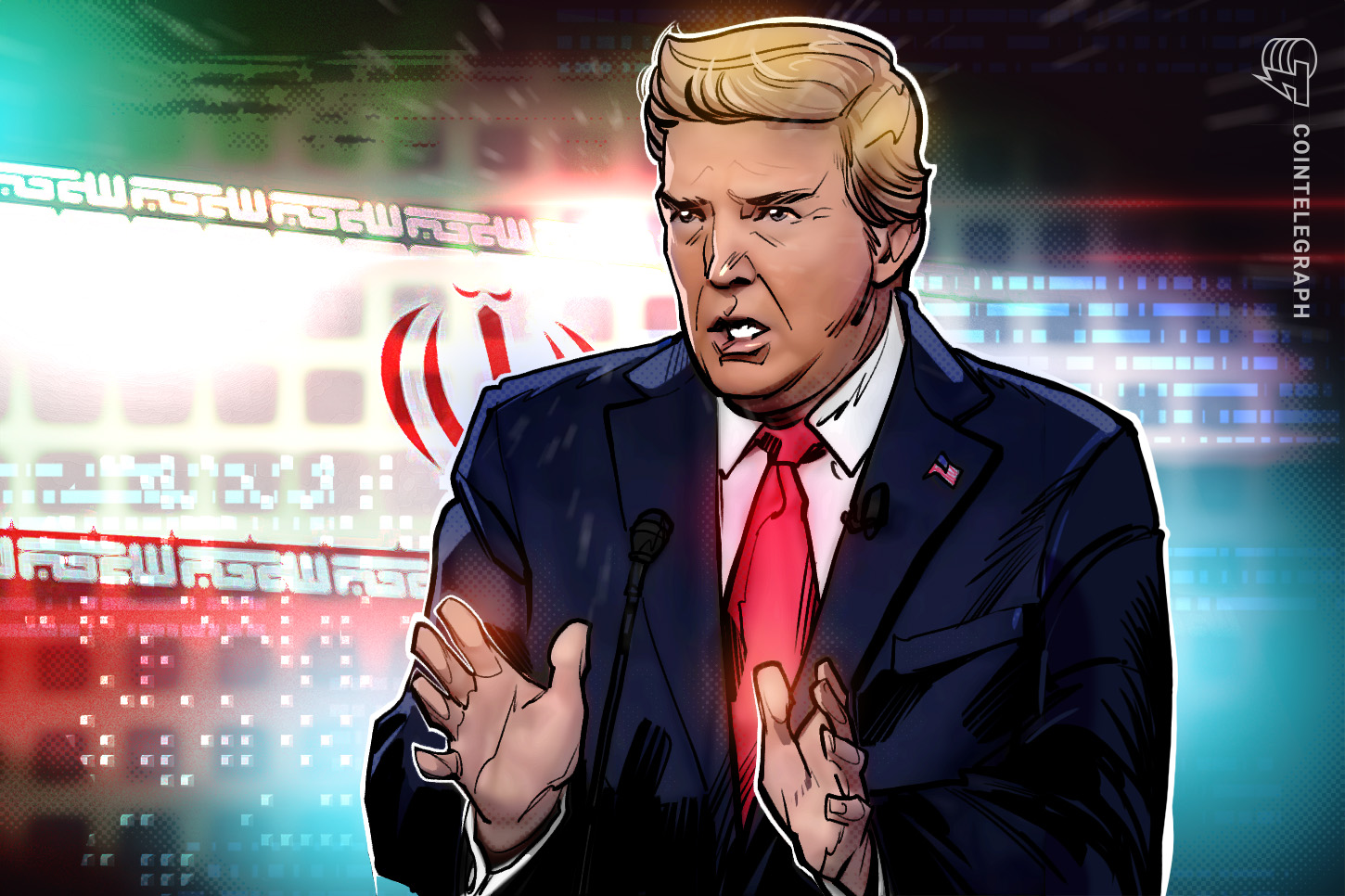
The breakthrough was first publicized via the President’s Truth Social platform late Sunday evening. In a series of statements, President Trump declared the diplomatic efforts a success, stating that the deal with Iran is now complete and congratulating the international community on the resolution. Central to the agreement is the immediate cessation of the United States naval blockade in the Persian Gulf. The President explicitly authorized the "toll-free opening" of the Strait of Hormuz, urging global shipping interests to resume operations and allowing the flow of oil to resume through one of the world’s most critical maritime corridors.
Diplomatic Breakthrough and the Reopening of Global Trade Routes
The peace accord, which follows months of escalating tensions and military exchanges that began in February with joint U.S.-Israeli strikes, appears to hinge on a formal signing ceremony scheduled for Friday. According to reports from the Associated Press, the mediation for this deal was facilitated largely by Pakistan, serving as a neutral intermediary between Washington and Tehran. While the granular details of the treaty remain under wraps, the immediate geopolitical impact is the removal of the naval blockade that has restricted movement in the Gulf of Oman and the Persian Gulf for several months.
President Trump’s social media posts emphasized the economic implications of the deal, noting that the reopening of the Strait would allow oil to flow "on both ends" for the region and the world. This move is expected to alleviate significant pressure on global energy supply chains. The Strait of Hormuz is widely regarded as the world’s most important oil transit chokepoint, with approximately one-fifth of the world’s total oil consumption passing through the waterway daily. By removing the military barriers to transit, the administration aims to stabilize global energy prices and reduce the "war premium" that has been baked into market valuations since the onset of the conflict.
In Iran, official channels have begun to confirm the de-escalation. Kazem Gharibabadi, Iran’s deputy foreign minister, acknowledged the agreement during a broadcast on state television. Simultaneously, the secretariat of Iran’s Supreme National Security Council issued a statement confirming that the "war on all fronts" would terminate immediately and permanently. The council further noted that the termination of the U.S. blockade would be "immediate and in full," signaling a synchronized effort to restore maritime order.
Impact on Bitcoin and the Broader Cryptocurrency Market
The reaction in the digital asset space was swift and overwhelmingly positive. Bitcoin’s climb to $65,881 represents a recovery for the asset, which had struggled to maintain momentum after dipping below $60,000 briefly on June 6. Despite the recent gains, Bitcoin remains approximately 48% below its all-time high of $126,000, achieved in October of the previous year. The current rally suggests that traders are viewing the peace deal as a catalyst for broader market stability, moving capital away from defensive assets and back into high-growth, high-risk categories.
Andri Fauzan Adziima, the research lead at Bitrue Research Institute, observed that the potential deal effectively removes a major geopolitical risk premium. According to Adziima, the fading uncertainty has triggered a clear rotation back into crypto, fueled by the narrative of stability under a pro-crypto U.S. administration and the cooling of oil price pressures. However, analysts remain cautious, noting that "last-minute signing issues" could still arise before the formalization of the deal on Friday, which could introduce fresh volatility.
The rally was not limited to Bitcoin. The total cryptocurrency market capitalization grew by approximately 2% within 24 hours. Several altcoins exhibited even stronger performance than the market leader. Hyperliquid (HYPE), Zcash (ZEC), and Near Protocol (NEAR) were among the top performers, with some recording double-digit percentage gains. This broad-based recovery indicates a systemic shift in investor appetite as the specter of a prolonged Middle Eastern conflict begins to recede.
Commodity Markets and the De-escalation of Oil Prices
As Bitcoin climbed, the energy sector witnessed a corresponding decline in prices, reflecting the anticipated increase in supply following the reopening of the Strait of Hormuz. West Texas Intermediate (WTI) Crude fell by 5%, dropping to its lowest level since early March at just over $80 per barrel. Brent Crude, the international benchmark, mirrored this downward trend, falling 4.6% to settle at $83.30.
The drop in oil prices is a direct response to the "peace dividend" expected from the U.S.-Iran accord. For months, the naval blockade and the threat of regional war had kept prices elevated, contributing to global inflationary pressures. The sudden prospect of a "toll-free" and unencumbered Strait of Hormuz suggests that the supply constraints that have plagued the market may soon be resolved. This deflationary signal in the energy sector is particularly significant for the Federal Reserve, as it prepares for its upcoming policy meetings.
A Timeline of the Conflict and Market Reactions
The conflict between the United States, Israel, and Iran reached a fever pitch in February, characterized by a series of high-profile strikes and counter-strikes. The subsequent implementation of a naval blockade by the U.S. Navy in the Persian Gulf was a strategic move intended to exert maximum economic pressure on Tehran. Throughout April and May, President Trump made numerous claims that a peace deal was "near," though these assertions were often met with skepticism by international diplomats and market participants.
The crypto markets have been highly sensitive to this timeline. Every escalation in the Gulf typically resulted in a flight to safety, often benefiting gold or the U.S. dollar, while Bitcoin frequently suffered from the general "risk-off" environment. The current shift marks a reversal of that trend. As the prospect of a permanent ceasefire becomes more tangible, the "geopolitical risk premium" is being priced out, allowing assets like Bitcoin to regain their footing as liquidity returns to the market.
The Federal Reserve and Macroeconomic Volatility
While the peace deal has provided a short-term boost to market sentiment, significant macroeconomic hurdles remain on the horizon. This Wednesday, the Federal Reserve is scheduled to announce its latest interest rate decision. This will be the first such decision under the leadership of the newly appointed chair, Kevin Warsh. The transition at the helm of the central bank comes at a time of heightened economic sensitivity.
Chair Warsh has historically been perceived as more receptive to interest rate cuts compared to some of his predecessors; however, his first meeting is complicated by recent economic data. Inflation in the United States has recently topped the 4% mark again, a figure that traditionally strengthens the case for maintaining or even increasing interest rates to cool the economy.
According to the CME FedWatch Tool, the market currently places a 96.6% probability on the Federal Reserve keeping interest rates unchanged at the current range of 3.5% to 3.75%. Despite this high probability of a "pause," the commentary following the meeting will be scrutinized for hints regarding the Fed’s trajectory for the remainder of the year. If the Fed signals a hawkish stance to combat the 4% inflation, the current Bitcoin rally could face stiff resistance. Conversely, a dovish tone emphasizing economic stability following the Iran deal could provide the momentum needed for Bitcoin to finally break and hold above the $66,000 level.
Implications for Global Stability and Market Outlook
The announcement of the U.S.-Iran peace deal represents one of the most significant diplomatic shifts in the region in recent years. If the Friday signing proceeds as expected under Pakistani mediation, it could mark the end of a volatile chapter that threatened to destabilize global energy markets and spark a wider regional conflict. For the cryptocurrency sector, the deal serves as a dual-catalyst: it reduces systemic global risk and lowers energy-driven inflation, both of which are traditionally favorable for digital assets.
However, the path forward is not without risks. The "immediate and permanent" nature of the ceasefire, as claimed by Iran’s Supreme National Security Council, must be verified on the ground. Furthermore, the removal of the U.S. blockade and the reopening of the Strait of Hormuz will require complex logistical and military coordination to ensure the safety of international shipping.
As the week progresses, investors will be balancing the optimism of the peace accord against the reality of persistent inflation and the Federal Reserve’s policy response. For now, the "Ships of the World" have been told to start their engines, and the crypto markets are following suit, signaling a cautious but clear return to growth. The coming days will determine whether this rally is the start of a sustained recovery or a temporary reprieve in a complex global landscape.