admin
admin
The cryptocurrency industry has long operated under a cloud of regulatory uncertainty in the United States, a persistent challenge that has shaped valuations, product development, and the very location of crypto businesses. This ambiguity stemmed from the Securities and Exchange Commission’s (SEC) broad interpretation of existing securities laws, often deeming many digital assets as unregistered securities. This stance created a precarious environment where innovation was stifled, and the potential for costly enforcement actions loomed large. However, in a significant development that many expected to ignite a bullish surge, both the SEC and the Commodity Futures Trading Commission (CFTC) recently issued comprehensive guidance aimed at clarifying the regulatory landscape for digital assets. This new framework, intended to delineate between commodities and securities and provide clearer rules for various crypto activities, was met with a surprisingly muted reaction from the market, suggesting a fundamental shift in what the crypto world now considers essential for sustained growth and stability.
The core issue for the crypto sector in the U.S. has been the absence of a definitive, statutory framework. While entities could operate and innovate, the SEC maintained the authority to classify numerous crypto assets as securities, leading to protracted legal battles and a chilling effect on investment and development. This regulatory overhang influenced every facet of the industry, from the strategic decisions of startups and established exchanges to the design of financial products and the operational models of custodians. The recent pronouncements from the SEC and CFTC aimed to dismantle this pervasive uncertainty by offering a more defined set of rules and classifications.
A Policy Shift That Fell Short of Market Expectations
The newly released guidance represents a tangible policy shift, intended to provide the industry with a much-needed roadmap. The SEC, under Chairman Paul Atkins, announced the creation of a token taxonomy designed to categorize digital assets into distinct groups: digital commodities, digital collectibles, digital tools, payment stablecoins, and digital securities. Crucially, the agency acknowledged that most crypto assets, in their inherent form, are not securities. However, Chairman Atkins also clarified a critical nuance: a token, even if not a security by nature, could still fall under securities law if it is offered and sold as part of an investment contract, a nod to the long-standing Howey Test.
This comprehensive guidance extends beyond simple asset classification. It delves into the regulatory implications of common crypto industry practices such as staking, airdrops, mining, and the use of wrapped versions of non-security crypto assets. For years, the crypto community, through extensive lobbying efforts, had been advocating for precisely this kind of clarity. Founders sought the confidence to launch projects with a better understanding of their legal standing, exchanges aimed to reduce listing risks by knowing which regulator held primary jurisdiction, and investors desired to see the discount associated with U.S. regulatory uncertainty diminish.

On paper, these developments possessed all the hallmarks of a significant bullish catalyst. The clarity provided should, under normal circumstances, have emboldened investors and developers alike. Yet, the market’s response was conspicuously absent. Bitcoin (BTC) did not experience a significant price surge following the announcement. Instead, its price movements remained tethered to broader macroeconomic trends and risk-off sentiment that have dominated financial markets over the past month. This disconnect between regulatory progress and market reaction highlights a critical realization: regulatory goodwill, in isolation, is no longer sufficient to re-rate the sector.
The Shift in Market Focus: From Agency Interpretation to Congressional Mandate
The muted market reaction underscores a fundamental shift in the crypto industry’s priorities. Traders and investors are no longer solely focused on the interpretations of regulatory bodies like the SEC. Instead, the prevailing sentiment is that true, durable legal certainty can only be achieved through legislative action by Congress. The guidance from the SEC and CFTC, while welcome, is perceived as susceptible to political winds, subsequent administrations, and potential legal challenges. This inherent impermanence means that the foundational uncertainties that have plagued the industry may not be fully resolved.
This perception is further exacerbated by external market pressures. For instance, a recent report from Citi downgraded its 12-month price targets for Bitcoin and Ethereum, citing the stalled progress of U.S. crypto market structure legislation as a key factor. Broader economic concerns, including geopolitical tensions that have impacted energy markets and amplified inflation fears, also continue to exert significant influence on cryptocurrency prices. These macroeconomic headwinds likely overshadowed the positive regulatory news, contributing to the market’s disinterest.
The industry’s journey has thus moved from one bottleneck—agency hostility and interpretive ambiguity—to another: durability and legislative finality. While agency guidance offers a degree of clarity, it lacks the statutory force and permanence of law enacted by Congress. Congress holds the unique authority to define jurisdictional boundaries between regulators, establish clear definitions for commodities and securities, and grant oversight authority with a longevity that transcends individual administrations.
Congress as the Next Frontier for Crypto Regulation
The market’s tepid response is a clear signal that crypto stakeholders are looking beyond administrative interpretations. They seek a legislative foundation that can withstand political shifts, ongoing litigation, and the natural ebb and flow of governmental administrations. The SEC’s own framing of its action as "complementary" to congressional efforts, rather than a substitute, reinforces this understanding. The agency acknowledges the limitations of its own interpretive power in providing the long-term certainty that the market craves.

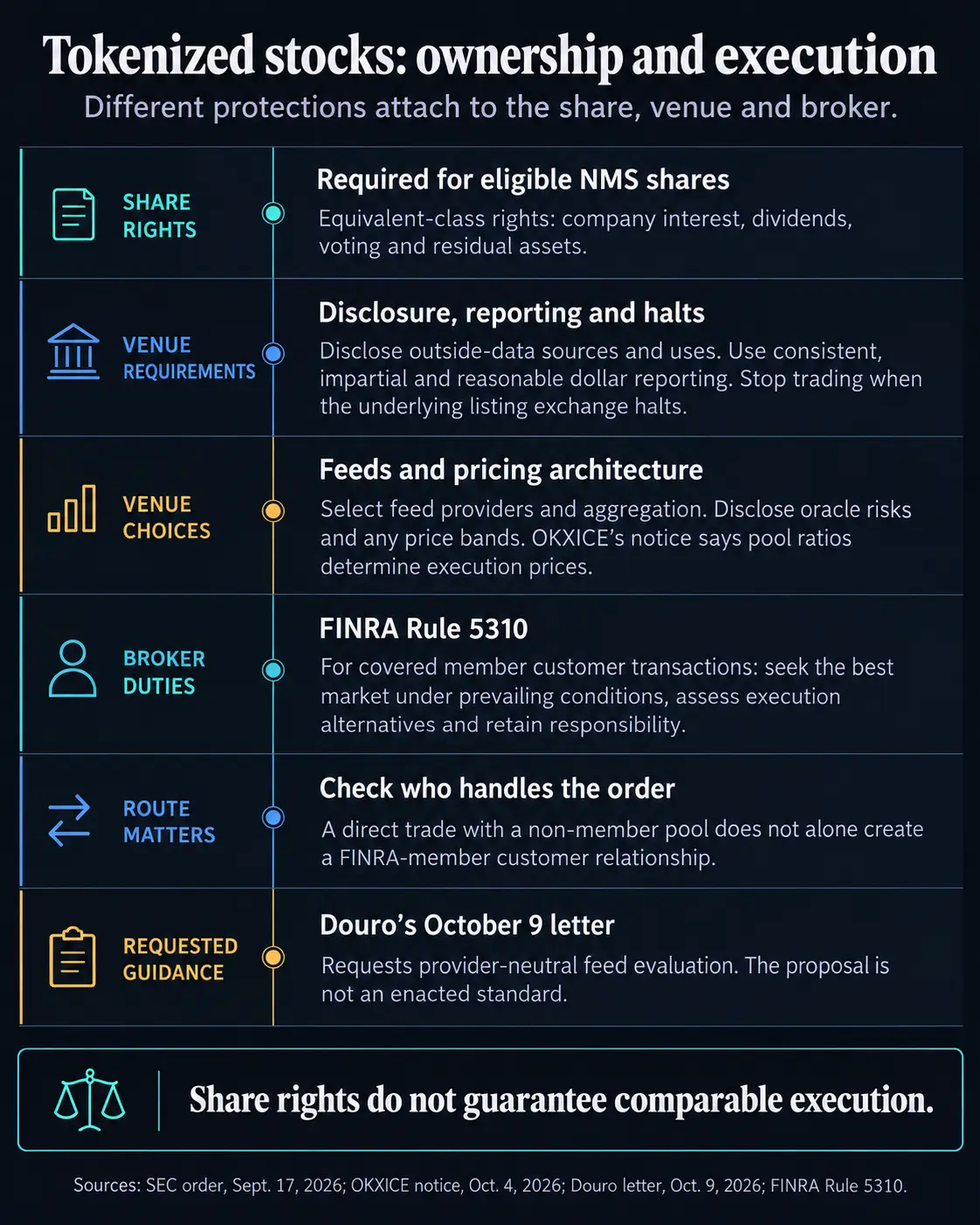
This evolving regulatory landscape also presents an intriguing paradox. The very clarity that the crypto industry has sought could inadvertently accelerate the tokenization of traditional finance (TradFi) more rapidly than it benefits permissionless, decentralized markets. The SEC has been unequivocal in its stance that tokenized stocks and bonds are indeed securities, a position reiterated in its January statement on tokenized securities. Furthermore, the recent approval of Nasdaq’s plan to facilitate the trading and settlement of certain stocks and ETFs in tokenized form signifies a clear path for blockchain technology within established, supervised market infrastructures.
This development suggests that regulatory comfort in Washington may lie in integrating blockchain technology into familiar financial ecosystems rather than fostering entirely new, decentralized ones. If tokenized equities, ETFs, and U.S. Treasuries gain traction due to their seamless integration with existing financial frameworks, Wall Street incumbents could capture a substantial portion of the value creation that many crypto-native companies anticipated would be theirs. This potential shift in market dynamics may temper enthusiasm for purely crypto-driven innovations, further influencing market sentiment.
The Road Ahead: Seeking Statutory Certainty
In essence, the market’s muted reaction to the SEC and CFTC’s guidance was not a sign of apathy but rather a sophisticated assessment of the remaining hurdles. Traders recognized the step forward but also accurately priced in the substantial gap that still needs to be bridged. This gap is Congress. Until there is tangible legislative progress and demonstrable evidence that exchanges, issuers, and custodians can operate within a durable, statutory framework, regulatory goodwill will continue to be valued at a discount.
The SEC can refine its classifications, and the CFTC can assert its jurisdiction, but the next significant rerating of the crypto market will likely hinge on something more substantial: a law that can endure political transitions, legal challenges, and the ever-shifting tides of Washington policy. The industry has moved beyond hoping for favorable interpretations and is now actively seeking the bedrock of legislative certainty. The path forward for sustained growth and mainstream adoption in the U.S. appears inextricably linked to the creation of a clear, enduring legal framework enacted by Congress, one that provides the confidence necessary for long-term investment and innovation in the digital asset space. The recent guidance is a step, but the ultimate destination for regulatory finality remains at the legislative door.