Nila Kartika Wati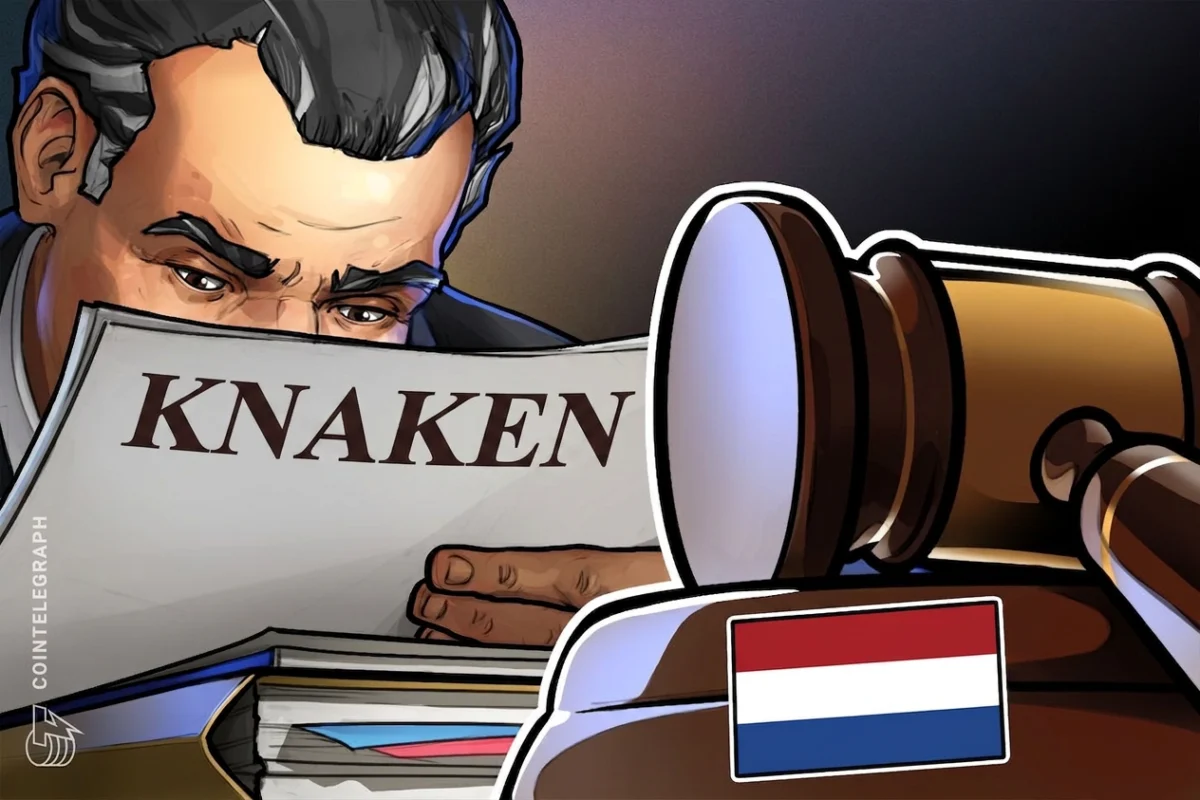
A Dutch court has officially declared cryptocurrency platform Knaken Cryptohandel BV and its affiliated foundation bankrupt, a significant development that follows prosecutors’ alarming revelation of an estimated €7 million (approximately $8 million USD) in missing customer assets. The ruling, issued by the Rotterdam court on Thursday, underscores growing concerns over consumer protection and regulatory oversight within the rapidly evolving digital asset landscape, particularly as the European Union’s landmark Markets in Crypto-Assets (MiCA) regulation begins to take effect across member states. This declaration of insolvency is intended to facilitate an orderly settlement process, a necessity made urgent after Knaken abruptly blocked access to its platform and customer accounts, leaving thousands of users in a precarious financial and informational void.
The court’s decision highlighted critical deficiencies, stating unequivocally that the company possesses insufficient assets to fully repay its extensive user base. Furthermore, the ruling pointed to a severe lack of transparency, noting that customers had not been provided with adequate information to ascertain their legal standing or the status of their deposited funds. This informational vacuum has exacerbated the distress among affected users, many of whom now face the daunting prospect of significant financial losses with little clarity on potential recovery avenues. The legal action was initiated following a formal bankruptcy petition filed by the Dutch Public Prosecution Service on June 30, a direct consequence of a rapidly escalating criminal investigation into the reported missing funds. Concurrently, the Netherlands’ specialized financial crime investigation service had already taken decisive action in late June, conducting a raid on Knaken’s premises and seizing various devices and assets pertinent to their ongoing inquiry.
Unfolding Crisis: A Chronology of Knaken’s Downfall
The dramatic collapse of Knaken Cryptohandel BV did not occur overnight but rather culminated from a series of events that began to unfold in early June 2026. Founded in Rotterdam in 2017, Knaken had operated for several years within the burgeoning Dutch crypto market, presenting itself as a straightforward platform for buying and selling cryptocurrencies. However, its operational facade began to crumble when the platform abruptly went offline in early June, effectively locking customers out of their accounts and digital wallets. This sudden cessation of services was first reported by NL Times on June 1, 2026, immediately raising red flags among its user base and market observers.
The initial silence from Knaken, coupled with the inaccessible platform, quickly escalated from a technical glitch concern to a full-blown crisis. As customer complaints mounted, regulatory and law enforcement bodies began to take notice. By late June, the situation had intensified significantly with the intervention of the Netherlands’ financial crime investigation service. Their raid on Knaken’s offices resulted in the seizure of critical digital and physical assets, signaling a serious turn towards a criminal inquiry rather than merely a civil dispute. This operation was a precursor to the Public Prosecution Service’s move on June 30, when they formally filed the bankruptcy petition, pushing for a judicial resolution to the escalating financial scandal. The court’s subsequent ruling on Thursday solidified these actions, formally declaring the company insolvent and initiating the complex process of asset liquidation and creditor claims.
The Regulatory Imperative: MiCA and Knaken’s Non-Compliance
The demise of Knaken Cryptohandel BV serves as a stark illustration of the critical need for robust regulatory frameworks in the cryptocurrency sector, a need that the European Union has sought to address with its pioneering Markets in Crypto-Assets (MiCA) regulation. MiCA, a comprehensive legislative package designed to harmonize crypto-asset regulation across all 27 EU member states, aims to establish clear rules for crypto-asset issuers and service providers, enhance consumer protection, ensure market integrity, and mitigate financial stability risks. Its implementation is phased, with different components coming into force at various times.
Crucially, the Netherlands had adopted an accelerated transition period for MiCA’s implementation, with its national deadline for crypto-asset service providers to comply with the new regulations ending on June 30, 2025. This predates the broader EU-wide maximum transition deadline of July 1, 2026, indicating a proactive stance by Dutch authorities in bringing the crypto market under stricter oversight. Under these new regulations, all crypto-asset service providers operating within the Netherlands are required to register with the Dutch Authority for the Financial Markets (AFM) and adhere to stringent operational and conduct standards.
A significant detail emerging from the Knaken case, and one that highlights a critical failure of compliance, is the fact that Knaken Cryptohandel BV does not appear in the AFM’s official register of authorized crypto-asset service providers. This lack of registration means that Knaken was operating outside the purview of formal regulatory supervision, a situation that left its customers significantly exposed. The AFM had, in fact, informed Cointelegraph in early July that it had already initiated supervisory and enforcement actions against unauthorized crypto-asset service providers following the expiration of the Dutch MiCA transition period. The Knaken incident, therefore, not only validates the AFM’s proactive stance but also underscores the inherent risks associated with engaging with unregistered platforms. The absence of regulatory oversight means that platforms like Knaken were not subject to capital requirements, operational resilience standards, or strict customer asset segregation rules, all of which are fundamental tenets of MiCA designed to prevent scenarios like the current one.
Impact on Customers and the Pursuit of Justice
The immediate and most severe impact of Knaken’s bankruptcy falls squarely on its customer base. With an estimated €7 million in assets missing and access to accounts blocked, thousands of individuals are now grappling with significant financial losses. The court’s acknowledgment that customers lacked sufficient information regarding their legal position only compounds their distress, leaving them uncertain about the possibility and process of recovering their funds. In such insolvency cases, customers typically become unsecured creditors, often ranking behind secured creditors and administrative costs, which can significantly diminish the chances of full recovery. The complexity of tracing digital assets, which can be moved across various wallets and blockchains, further complicates the task of the court-appointed trustee responsible for managing the bankruptcy proceedings.
The involvement of the Dutch Public Prosecution Service and the financial crime investigation service transforms this from a purely civil bankruptcy into a criminal matter. The opening of a criminal investigation suggests allegations of fraud, embezzlement, or other financial misconduct. If criminal charges are successfully brought against individuals associated with Knaken, it could lead to restitution orders, though the actual recovery of assets often remains a formidable challenge. The seizure of devices and assets by the financial crime investigation service is a crucial step in gathering evidence, identifying the flow of funds, and potentially locating the missing €7 million. However, the nature of cryptocurrency, with its pseudonymity and global transfer capabilities, means that tracing and recovering these funds is an intricate and often lengthy process, potentially involving international cooperation.
Broader Implications for the Dutch and European Crypto Markets
The bankruptcy of Knaken Cryptohandel BV carries significant broader implications for the nascent but rapidly maturing crypto markets in the Netherlands and across the European Union.
Erosion of Trust
Incidents like Knaken’s collapse severely erode public trust in the wider cryptocurrency ecosystem. For many, such events reinforce perceptions of crypto as a risky, unregulated, and speculative endeavor. This erosion of confidence can deter new investors and may lead existing participants to withdraw from the market, slowing down innovation and adoption in the short term. It also highlights the critical difference between regulated, compliant platforms and those operating in the shadows.
Validation of Regulation
Conversely, the Knaken case strongly validates the necessity and timeliness of comprehensive regulatory frameworks like MiCA. It serves as a real-world example of the very risks MiCA aims to mitigate: unregistered entities operating without oversight, insufficient asset segregation, and a lack of transparency leading to significant customer losses. The proactive enforcement actions by the AFM and the Public Prosecution Service, even before MiCA’s full EU-wide implementation, send a clear message that regulatory bodies are committed to cleaning up the market and protecting investors.
Enforcement Challenges and Regulatory Vigilance
The case also underscores the ongoing challenges faced by regulators in enforcing new rules within a fast-paced, technologically driven industry. Identifying and pursuing non-compliant entities requires significant resources, expertise in blockchain forensics, and adaptable legal frameworks. The speed with which platforms can go offline and funds can be moved globally presents a constant cat-and-mouse game for authorities. This incident will likely galvanize regulators to intensify their surveillance efforts and accelerate enforcement actions against other unauthorized operators.
Lessons for Investors and Market Participants
For individual investors, the Knaken saga is a potent cautionary tale. It emphasizes the paramount importance of due diligence:
- Check Regulatory Registration: Always verify that a crypto platform is registered and licensed by the relevant financial authorities (e.g., AFM in the Netherlands).
- Understand Terms and Conditions: Scrutinize how customer assets are held, whether they are segregated from company funds, and what protections are in place.
- Beware of Unrealistic Promises: Exercise caution with platforms promising unusually high returns or lacking transparent operational details.
- Diversify and Secure: Avoid placing all assets on a single platform and utilize personal, secure cold storage for significant holdings.
The Future of Crypto Regulation in the EU
As one of the first major bankruptcies to occur under the shadow of MiCA’s implementation, the Knaken case will likely be closely watched by policymakers and regulators across the EU. Its outcome could influence future interpretations of MiCA, shape subsequent regulatory guidance, and potentially even lead to amendments to strengthen existing provisions. The Dutch experience with an earlier MiCA transition period provides valuable insights into the practical challenges and successes of regulatory rollout, offering lessons that could benefit other member states and the EU as a whole. This incident reinforces the narrative that while crypto offers innovative financial possibilities, it must operate within a robust legal and regulatory framework to ensure investor confidence and market stability.
Challenges of Asset Recovery in Digital Environments
Recovering assets in a cryptocurrency bankruptcy is notoriously complex, often far more challenging than in traditional financial insolvencies. The very characteristics that make cryptocurrencies innovative – their decentralized nature, global accessibility, and pseudo-anonymity – also present significant hurdles for liquidators and law enforcement. Tracing the flow of funds on various blockchains requires specialized forensic expertise, and even when a trail is established, retrieving assets from multiple, potentially international, wallets or exchanges is difficult. Furthermore, if funds have been commingled with company assets or transferred through privacy-enhancing technologies, the task becomes even more daunting. The legal frameworks for cross-border asset recovery in the crypto space are still evolving, adding layers of jurisdictional complexity to an already intricate process. The Knaken case will undoubtedly test the capabilities of the Dutch legal system and its appointed trustee in navigating these digital complexities to maximize recovery for the aggrieved customers.
In conclusion, the bankruptcy of Knaken Cryptohandel BV, marked by the disappearance of millions in customer funds, represents a critical juncture for the Dutch and broader European crypto markets. It serves as a stark reminder of the inherent risks in unregulated financial environments and powerfully underscores the urgent necessity of robust regulatory oversight. As MiCA continues its phased implementation, incidents like Knaken’s collapse reinforce the imperative for vigilant enforcement and highlight the ongoing journey towards fostering a secure, transparent, and trustworthy digital asset ecosystem.