Lina Irawan
Unpacking Katana (KAT): A Deep Dive into a DeFi Innovator
In the rapidly evolving landscape of decentralized finance (DeFi), a new entrant, Katana (KAT), is capturing the attention of users seeking tangible utility beyond speculative hype. Katana distinguishes itself by integrating yield generation, robust liquidity management, and user rewards into a cohesive, functional ecosystem. This comprehensive analysis delves into the mechanics of Katana, the pivotal role of its native KAT token, the avenues for user earnings, and the inherent risks associated with participating in this burgeoning DeFi platform.
The Genesis of Katana: Addressing DeFi’s Challenges
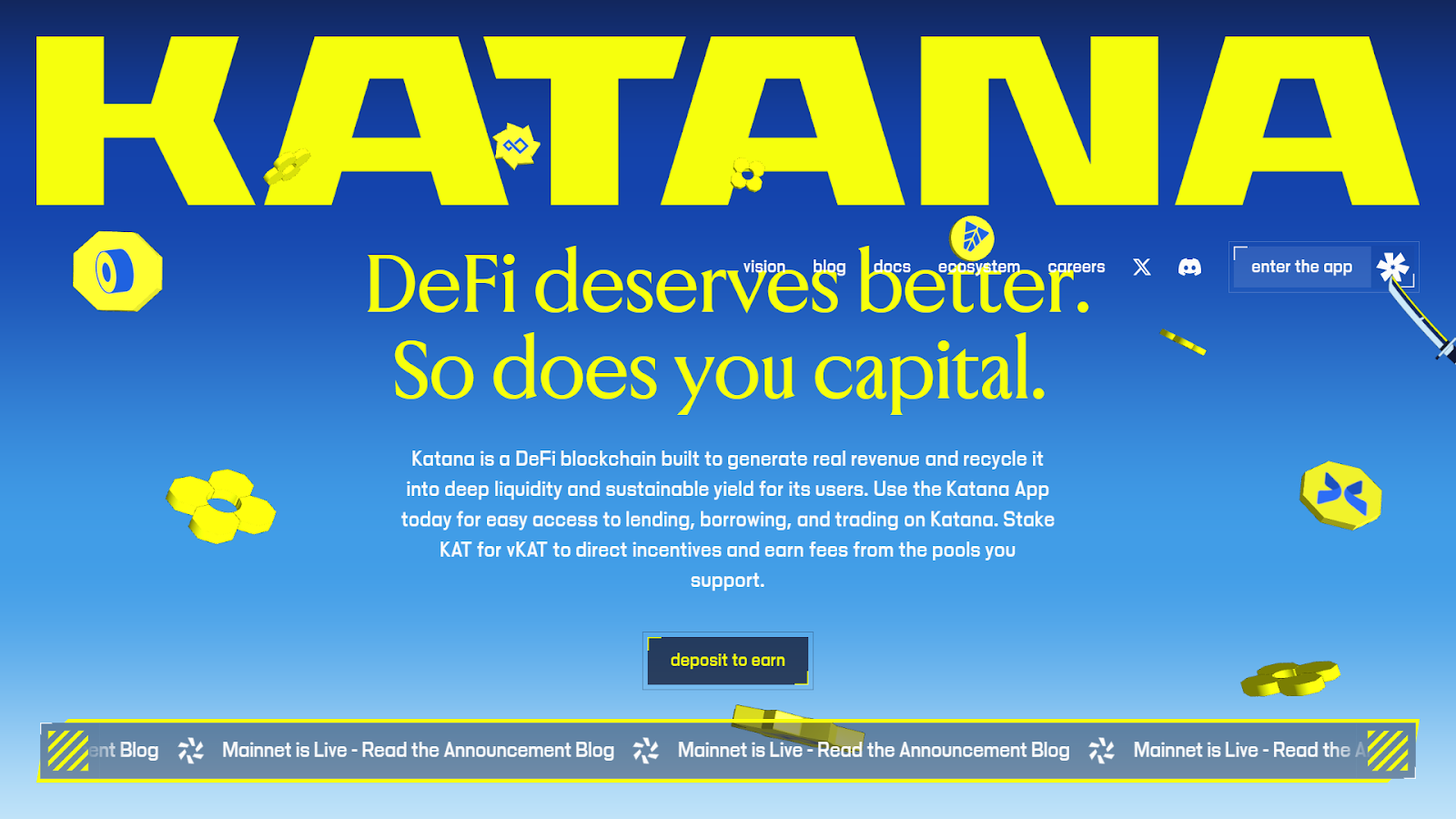
Katana emerges as a sophisticated decentralized finance platform meticulously engineered to streamline and elevate user interactions with smart contracts and digital assets. At its core, Katana leverages the power of self-executing agreements, known as smart contracts, which operate on blockchain technology. This foundational technology ensures a secure, transparent, and efficient environment for users to earn, trade, and manage their liquidity. The platform’s operational backbone is the KAT token, which functions as both a utility and governance token. This dual role empowers token holders with the ability to influence the platform’s future direction through voting mechanisms and grants them access to exclusive features and enhanced benefits.
The project’s incubation under the umbrella of Polygon Labs, a prominent blockchain ecosystem, signifies a strong endorsement and a strategic alignment with one of the leading scaling solutions for Ethereum. Further bolstering Katana’s credibility and developmental trajectory are contributions from industry leaders such as Marc Boiron, CEO of Polygon Labs, whose expertise in liquidity, governance, and chain-level coordination is instrumental. Katana’s development also benefits from participation in the AggLayer Breakout Program, an initiative designed to foster and accelerate innovative blockchain projects. This collective backing and experienced leadership team underscore Katana’s ambition to redefine decentralized finance by fostering deep liquidity and sustainable yield generation, positioning it as a noteworthy contender in the competitive DeFi arena.
The Mechanics of Katana: A Symphony of Yield and Liquidity
Katana’s operational framework is designed to actively manage and optimize staked cryptocurrency assets, ensuring that liquidity remains dynamic and integrated throughout the ecosystem. The platform achieves this through a multi-pronged approach:
-
Asset Integration and Yield Generation via VaultBridge: When users stake their crypto assets on the Katana Network, these assets are not merely held passively. Instead, they are strategically integrated into a system that actively seeks to generate yield. The VaultBridge mechanism plays a crucial role here, transforming bridged assets into productive yield-generating positions. By channeling these assets into Katana’s core applications, VaultBridge ensures consistent returns while upholding high standards of security and operational efficiency. This process effectively converts dormant assets into active participants in the DeFi economy, contributing to both individual user gains and the overall health of the platform.
-
Chain-Owned Liquidity (CoL): The Liquidity Flywheel: A cornerstone of Katana’s architecture is its Chain-Owned Liquidity (CoL) model. This innovative approach aims to create a self-sustaining liquidity ecosystem. Instead of relying on fragmented liquidity pools common in many DeFi protocols, Katana concentrates liquidity, ensuring greater stability and efficiency, especially during periods of market volatility. The CoL model functions as a "liquidity flywheel" by recycling fees and yields generated within the ecosystem back into the platform. This continuous reinvestment drives sustainable growth, enhances market depth, and supports stronger user incentives, creating a virtuous cycle of liquidity and value.
-
Optimized Core App Stack: Katana’s ecosystem is powered by a carefully curated stack of core decentralized applications, including Sushi, Morpho, and Vertex. These applications are renowned for their sophisticated functionalities in areas such as decentralized exchange (DEX) operations, lending protocols, and perpetual trading. By integrating these best-in-class tools, Katana provides users with seamless access to high-performance DeFi instruments. This integration optimizes liquidity management, lending market conditions, and trading execution, ultimately delivering a superior user experience and robust financial services.
-
AUSD: The Stabilizing Force: To anchor its ecosystem and facilitate smooth transactions, Katana has introduced AUSD, its native stablecoin. AUSD serves as a reliable medium of exchange, crucial for maintaining price stability and enabling predictable yield generation. Its integration into the platform is vital for concentrating liquidity and enhancing the ecosystem’s capacity to deliver consistent and sustainable returns. By providing a stable digital asset, AUSD mitigates the inherent volatility associated with many cryptocurrencies, making Katana a more predictable and attractive platform for both experienced traders and newcomers to DeFi.
In essence, Katana’s operational model is a closed-loop system designed to maximize capital productivity. It transforms user activity, network fee sharing, and the utilization of core products into a self-reinforcing mechanism that benefits all participants. This intricate design aims to foster deeper market liquidity and more robust user incentives by channeling user activity and network revenue into a productive cycle.
The KAT Token: The Engine of Governance and Utility
The KAT token is not merely a speculative asset; it is the foundational element that drives the Katana Network’s operations and empowers its user base. Its multifaceted role encompasses:

- Governance: KAT token holders are granted the privilege to participate in the decentralized governance of the Katana Network. This means they have a direct say in key decision-making processes, including protocol upgrades, parameter adjustments, and the allocation of treasury funds. This democratic approach ensures that the platform evolves in alignment with the interests of its community.
- Utility: Beyond governance, the KAT token unlocks access to a range of exclusive features and benefits within the Katana ecosystem. This can include reduced trading fees, priority access to new features, or enhanced reward structures for participation.
- Staking and Rewards: By staking KAT tokens or actively participating in the platform’s liquidity programs, users can earn additional benefits and rewards. This mechanism incentivizes long-term commitment to the network and directly links user engagement to their potential earnings, making the KAT token a central driver of value and participation.
KAT Tokenomics and Distribution: A Blueprint for Sustainability
The tokenomics of KAT are carefully designed to foster a balanced and sustainable ecosystem. The distribution model prioritizes incentivizing participation, with a significant portion of tokens allocated to reward users who actively contribute to the network. A key element of this strategy involves supporting liquidity programs through the Chain-Owned Liquidity (CoL) framework. This ensures that liquidity remains concentrated and stable, which is crucial for the platform’s growth and operational efficiency. By aligning rewards with user engagement and the overall success of the ecosystem, Katana’s tokenomics aim to cultivate a thriving network where all participants benefit from the platform’s prosperity. This approach aims to avoid the pitfalls of hyperinflationary token models and instead focus on creating long-term value for token holders and users.
Avenues for Earning KAT: Maximizing User Potential
Katana Network offers a diverse array of opportunities for users to accumulate KAT tokens, encouraging active participation and rewarding contributions to the ecosystem. These earning pathways are designed to be accessible and lucrative:
-
Depositing via VaultBridge (vbTokens): Users can deposit their assets through VaultBridge, receiving in return vbTokens. These tokens represent a user’s staked assets and are designed to generate yield within Katana’s ecosystem. vbTokens integrate seamlessly into the platform’s liquidity model, ensuring that deposited assets contribute to network stability and generate consistent returns for their holders. This method provides a straightforward way to earn passive income while simultaneously supporting the network’s liquidity.
-
Liquidity Mining on Sushi & Morpho: For users looking to actively contribute to the platform’s trading efficiency, liquidity mining on integrated platforms like Sushi and Morpho presents a compelling option. By providing liquidity to designated pools on these decentralized exchanges, users help enhance trading volume and reduce slippage for all participants. In return for their contribution, they are rewarded with KAT tokens, creating a mutually beneficial arrangement that strengthens the platform’s liquidity infrastructure and rewards its providers.
-
KAT Pre-Staking & avKAT: Locking KAT tokens through a pre-staking mechanism allows users to earn avKAT, which represents their staked position and commitment to the network’s security and stability. This process not only reinforces the network’s defenses but also offers stakers additional rewards for their dedication. As the Katana Network grows and matures, the value of avKAT is intended to reflect the user’s contribution to the platform’s overall success and resilience, making it an attractive option for long-term holders.
-
Exchange-Facilitated Earn Programs: Major cryptocurrency exchanges such as Binance and OKX often provide dedicated earn programs for various digital assets, including KAT. These programs typically allow users to stake or lend their KAT tokens, earning additional KAT in return for their participation. Engaging with these established platforms offers users a familiar and accessible interface for diversifying their earning strategies within a trusted environment, making it easier to grow their KAT holdings.
Katana’s Strategic Position: A Comparative Advantage in DeFi Layer-2
Katana’s architectural design and strategic backing provide it with distinct advantages when compared to other DeFi platforms operating on Layer-2 scaling solutions:
| Feature | Katana | Other DeFi Layer-2s |
|---|---|---|
| Core Applications | Integrated stack with Sushi, Morpho, and Vertex for enhanced performance and seamless user experience. | Applications often operate in isolated ecosystems, potentially limiting interoperability. |
| Ecosystem Support | Strong backing from Polygon Labs and GSR, fostering long-term growth and product development. | DeFi support can be varied, with some projects lacking substantial institutional backing. |
| Liquidity Model | Chain-Owned Liquidity (CoL) ensures stable and concentrated liquidity pools. | Frequently relies on fragmented liquidity, which can lead to inefficiencies. |
| Native Stablecoin | AUSD provides a stable asset for trading, lending, and ecosystem growth. | Many do not have a native stablecoin, relying on external options. |
| Yield Generation | VaultBridge actively converts bridged assets into yield-producing positions. | Yield options can be more limited, with less emphasis on asset productivity. |
This comparative analysis highlights Katana’s deliberate approach to building a cohesive and efficient DeFi ecosystem, leveraging integrated applications, strong institutional support, and a proprietary liquidity model to deliver enhanced value to its users.
Navigating the Risks: A Prudent Approach to Katana
While Katana presents compelling opportunities, engaging with any decentralized finance protocol inherently involves risks. A thorough understanding of these potential challenges is crucial for informed participation:
- Smart Contract Vulnerabilities: Despite rigorous auditing, smart contracts can be susceptible to bugs or exploits, potentially leading to loss of funds. Katana’s reliance on smart contracts means users are exposed to this inherent risk.
- Market Volatility: The cryptocurrency market is known for its extreme price fluctuations. While AUSD aims to provide stability, the value of KAT and other bridged assets can be subject to significant volatility, impacting the overall value of user investments.
- Liquidity Risk: Although Katana employs a sophisticated liquidity model, unforeseen market conditions or high withdrawal demands could temporarily impact the availability of liquidity for certain assets.
- Regulatory Uncertainty: The regulatory landscape for cryptocurrencies and DeFi is still evolving. Future regulatory changes could impact the operation and accessibility of platforms like Katana.
- Platform Risk: As a relatively new platform, Katana is subject to the risks associated with any emerging technology, including potential operational challenges, governance disputes, or shifts in development focus.
- Bridge Risks: The VaultBridge mechanism, while innovative, involves bridging assets between different blockchains. Cross-chain bridges have historically been targets for exploits, posing a risk to the assets bridged through this system.
Users are strongly advised to conduct their own due diligence, understand their risk tolerance, and never invest more than they can afford to lose.
KAT Token Price Dynamics and Market Performance
The KAT token has demonstrated notable activity within the cryptocurrency market. As of recent reporting, the token was trading around $0.01597 on Binance Futures, reflecting a significant intraday increase of approximately 15.72%. Daily price fluctuations have been observed, with highs reaching $0.01708 and lows dipping to $0.01328. The trading volume has been substantial, exceeding 866 million KAT, which translates to approximately $13.57 million in daily turnover.
Operating on the zkSync Era platform, Katana has a fixed circulating supply of 256 million tokens, with a total supply cap of 2 billion KAT. While the price recorded on Coinbase has been lower, around $0.00062011, the token’s all-time high reached $0.0580. These figures underscore the dynamic nature of KAT’s market performance and highlight its potential as an asset that can experience considerable price appreciation, alongside the inherent volatility associated with the broader crypto market.
The Horizon for Katana: Continued Innovation and Expansion
The future trajectory of Katana appears robust, driven by its ongoing commitment to innovation within the DeFi sector. Yield farming through VaultBridge remains a primary strategic focus, promising users lucrative opportunities to earn rewards while simultaneously bolstering the platform’s liquidity. The emphasis on Chain-Owned Liquidity is a key differentiator, ensuring a stable and efficient ecosystem that sets Katana apart from many other crypto projects.
As user adoption expands, Katana aims to broaden its ecosystem through the integration of more complementary protocols and strategic partnerships. These developments are poised to further solidify its market position. The project’s unwavering dedication to user-centric features and sustainable growth strategies positions it as a potential leader in the decentralized finance space. Future developments will likely focus on enhancing interoperability, expanding asset support, and refining governance mechanisms to foster an even more robust and user-friendly DeFi experience.
Conclusion: Katana’s Promise in the DeFi Landscape
Katana’s strategic emphasis on yield farming, its innovative Chain-Owned Liquidity model, and its commitment to ecosystem expansion position it as a formidable contender in the decentralized finance arena. To fully realize its potential and cement its status as a leading DeFi platform, Katana must prioritize user adoption through seamless integrations, implement robust security measures, and maintain transparent governance practices.
Strengthening strategic partnerships with established entities in the blockchain space and consistently innovating its product offerings will be critical for long-term sustainability. Clear and consistent communication of its value proposition, coupled with the reliable execution of its development roadmap, will be paramount in building trust and fostering sustained engagement within the dynamic and discerning cryptocurrency community. The platform’s ability to navigate the complexities of the DeFi market while delivering tangible value to its users will ultimately determine its success.
Frequently Asked Questions About Katana (KAT)
What is the Katana (KAT) network in simple terms?
Katana (KAT) network is a decentralized finance (DeFi) platform designed to optimize yield farming and liquidity management. It leverages Chain-Owned Liquidity to ensure stability and offers users innovative ways to earn rewards while participating in the crypto ecosystem.
Is there a KAT token airdrop for Polygon stakers?
Yes, there is a KAT token airdrop for Polygon stakers. Eligible participants can receive KAT tokens as rewards for staking on the Polygon network, further incentivizing engagement within the ecosystem.
Is KAT a good investment in 2026?
Whether KAT is a good investment in 2026 depends on individual financial goals and risk tolerance. The project’s focus on yield farming, ecosystem growth, and innovative liquidity incentives positions it as a promising option in the DeFi space.
What wallets support the KAT token?
KAT token is supported by a variety of wallets, including MetaMask, Trust Wallet, and wallets compatible with the zkSync Era platform. These wallets allow users to securely store, manage, and interact with their KAT tokens.
How does Katana ensure liquidity stability?
Katana ensures liquidity stability through its Chain-Owned Liquidity model, which centralizes and optimizes liquidity management. This approach minimizes fragmentation and enhances the overall efficiency of the platform.