
 admin
admin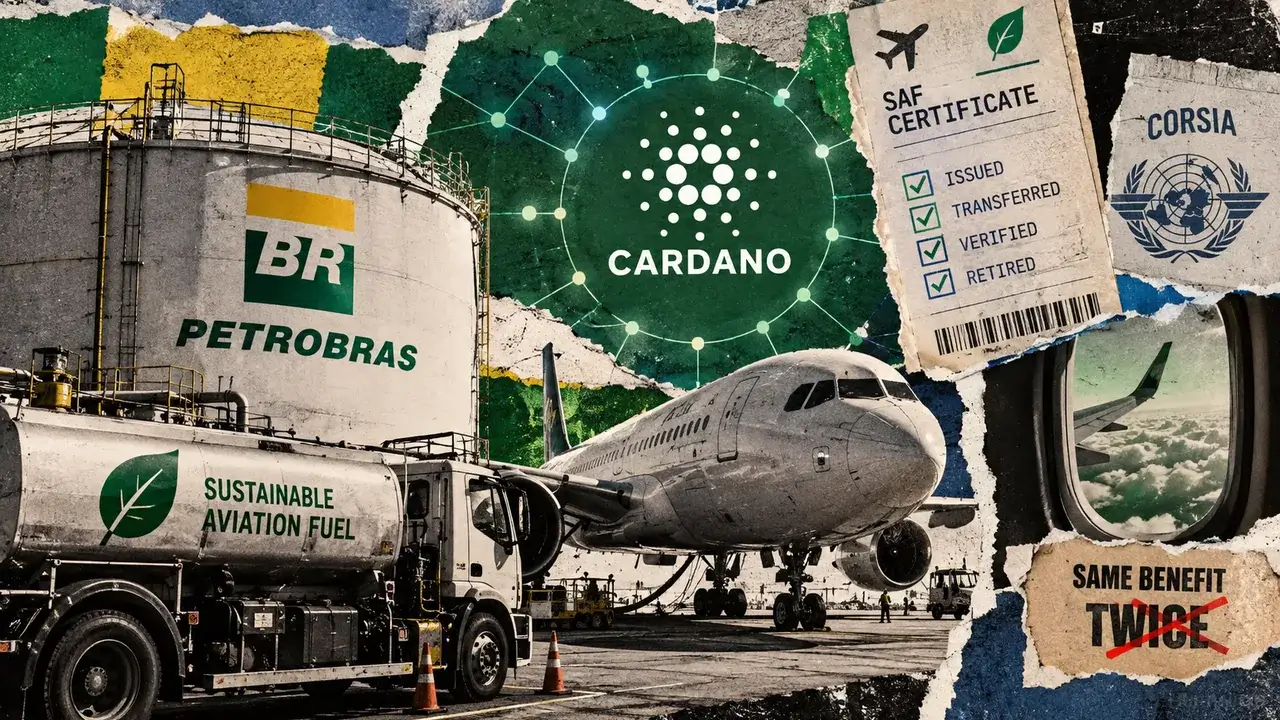
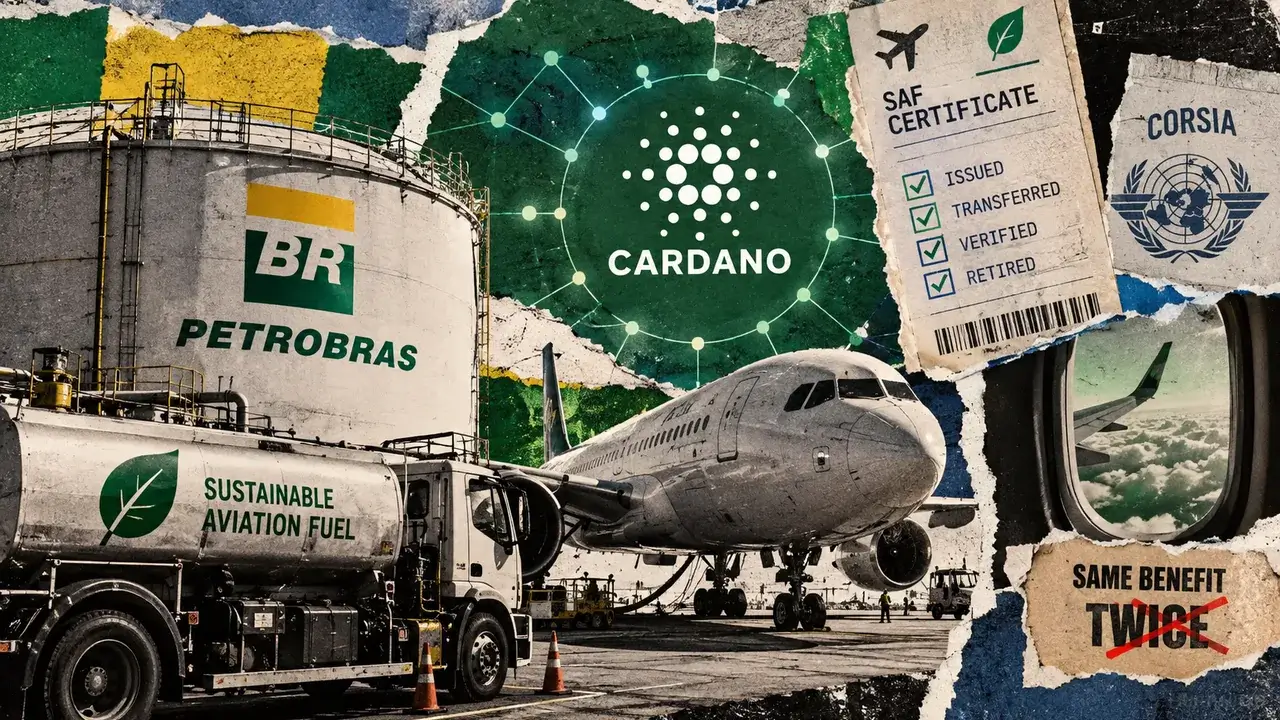
Petrobras, Brazil’s state-controlled energy giant, is actively exploring the capabilities of the Cardano blockchain to address critical challenges in the tracking and verification of sustainable aviation fuel (SAF) benefits, aiming to prevent the pervasive issue of carbon credit double-counting. This pioneering initiative, revealed by the Cardano Foundation on September 30th, signifies a significant step towards leveraging distributed ledger technology for enhanced environmental accountability within the energy sector. The ongoing research and development collaboration has already yielded functional applications for both sustainable aviation fuel (SAF) and Diesel R, Petrobras’s proprietary renewable fuel brand, underscoring the versatility of blockchain solutions in this domain.
The core of the SAF project lies in its innovative approach to a complex problem: the dissociation between the buyer of a fuel’s environmental benefit and the entity that physically purchases or utilizes the fuel. In the traditional energy landscape, accurately attributing and verifying the reduction in carbon emissions associated with SAF can be challenging. The Book-and-Claim model, as implemented by Petrobras on Cardano, offers a sophisticated solution. This model empowers airlines, corporations, or even individual passengers to claim the environmental benefits of SAF, even if the fuel itself is produced or consumed in a different geographical location or by another party. This mechanism ensures that the positive environmental impact is recognized and rewarded, irrespective of the direct physical transaction of the fuel.
The development of the SAF platform is a testament to strategic collaboration. Petrobras partnered with PUC-Rio University’s Ledger Labs, a renowned academic research group specializing in blockchain technology, and the Cardano Foundation, a non-profit organization dedicated to supporting the development and adoption of the Cardano protocol. This synergy of industry expertise, academic rigor, and blockchain development acumen has resulted in a robust and transparent system. According to a detailed case study published by the Cardano Foundation, the system represents the environmental attributes of SAF as standardized CS-SAF tokens on the Cardano blockchain.
These CS-SAF tokens are designed to be highly functional, enabling a comprehensive lifecycle of management for environmental claims. They can be created, securely transferred between parties, meticulously checked for authenticity and ownership, and ultimately retired. The retirement process is crucial for preventing the erroneous reuse of the same environmental attribute, effectively acting as a digital safeguard against double-counting. This mechanism ensures that each unit of environmental benefit is accounted for only once, mirroring the concept of preventing "double-spending" in cryptocurrencies, but applied here to the realm of environmental claims. The digital record maintained on the blockchain provides an immutable audit trail, tracing the allocation of each token back to its original SAF certificate, thereby enhancing transparency and trust.
The practical application of this system is envisioned to be user-friendly for travelers. The Cardano Foundation’s case study outlines a scenario where individuals can input their departure and destination airports, allowing the system to calculate a specific CS-SAF allocation based on the flight’s distance and the SAF content. Upon completion of this process, travelers receive a digital certificate that clearly details their route, the distance traveled, and their allocated share of the SAF benefit. This claim is then immutably linked to the original SAF certificate, providing verifiable proof of their contribution to sustainable aviation.
Crucially, the CS-SAF tokens are designed to incorporate metadata that aligns with CORSIA (Carbon Offsetting and Reduction Scheme for International Aviation). CORSIA is a global market-based measure adopted by the International Civil Aviation Organization (ICAO) to address CO2 emissions from international aviation. By adhering to CORSIA standards, the Petrobras initiative ensures its compliance with international environmental regulations and facilitates broader adoption within the aviation industry.
The guiding principles for such initiatives have been further solidified by recent industry pronouncements. In guidance published on June 16th, the Roundtable on Sustainable Biomaterials (RSB) clarified that Book-and-Claim systems do not alter the physical fuel a buyer uses nor its associated direct emissions. However, the RSB emphasizes that airlines should transparently disclose their supported reductions separately from their operational emissions. This distinction is vital for maintaining clarity in reporting and ensuring that environmental claims are both accurate and verifiable. The RSB’s guidance suggests that while different participants in the value chain can make distinct claims, these disclosures must not misrepresent the overall reduction achieved. This framework provides a solid foundation for the kind of transparent and accountable system that Petrobras is building on Cardano.
Expanding Cardano’s Utility Beyond Aviation
The success of the SAF project on Cardano has spurred further exploration by Petrobras. The company is also engaged in a separate project, developed in conjunction with PUC-Rio, focused on Diesel R, their renewable diesel brand. This initiative aims to establish a comprehensive record of the fuel’s lifecycle, from production through transportation and eventual use. The objective is to create a continuous, immutable record that can serve as a robust foundation for Scope 3 emissions reporting. Scope 3 emissions encompass all indirect emissions that occur in a company’s value chain, both upstream and downstream, which can often be the most challenging to track and manage.
By connecting information held by various entities within the supply chain, including suppliers and logistics providers, this blockchain-based system promises to provide a more traceable and auditable history for emissions reporting. The Cardano Foundation describes this architecture as a proposed model currently under development within Petrobras’s broader research and development efforts. This demonstrates a strategic vision for utilizing blockchain technology to enhance sustainability reporting across a wider spectrum of Petrobras’s operations, moving beyond just aviation fuel.
The SAF platform, in particular, serves as a compelling illustration of Cardano’s potential to accurately record the allocation and retirement of environmental benefits. While the current focus is on research and development, the potential for commercial application is significant. However, the Cardano Foundation’s disclosures do not yet provide specific figures regarding transaction volumes or revenue generated from these pilot projects, indicating that they are still in the experimental and validation phases.
The Significance of Petrobras’s Blockchain Exploration
Petrobras’s engagement with Cardano represents a significant endorsement of blockchain technology’s capabilities in addressing real-world environmental challenges. As a major player in the global energy market, Petrobras’s adoption of such innovative solutions can have a ripple effect, encouraging other industry leaders to explore similar technologies. The use of Cardano, known for its focus on security, scalability, and sustainability, aligns with the growing demand for transparent and reliable environmental accounting mechanisms.
The ability of the Cardano blockchain to facilitate the creation, transfer, and retirement of digital tokens representing environmental attributes is a key advantage. This tokenization process simplifies the complex task of tracking and verifying carbon credits and other environmental benefits, making the process more efficient and less prone to errors or fraud. The immutable nature of blockchain ensures that once a transaction is recorded, it cannot be altered or deleted, providing a high level of trust and transparency for all parties involved.
Furthermore, the integration of metadata aligned with international standards like CORSIA is critical for the widespread adoption of these solutions. By ensuring compatibility with existing regulatory frameworks, Petrobras and the Cardano Foundation are paving the way for seamless integration into the broader aviation and energy ecosystems.
Broader Implications and Future Outlook
The implications of Petrobras’s work with Cardano extend beyond just the immediate benefits of improved SAF tracking. It signals a potential paradigm shift in how environmental commitments are managed and verified within large corporations. The ability to create auditable, transparent, and tamper-proof records of environmental benefits can fundamentally change how companies approach sustainability reporting and carbon management.
For the Cardano ecosystem, this partnership is a significant validation of its technological capabilities and its potential to drive real-world impact. It demonstrates that Cardano is not just a platform for speculative trading but a robust infrastructure capable of supporting critical industrial applications. As more companies like Petrobras explore and adopt blockchain solutions for environmental purposes, the demand for Cardano’s native token, ADA, could see increased institutional interest, further bolstering its market position.
While the commercial rollout of these initiatives is yet to be fully detailed, the ongoing R&D and successful pilot projects suggest a promising future. The ability to accurately track and verify the environmental benefits of sustainable fuels like SAF and Diesel R could accelerate their adoption by providing greater confidence to businesses and consumers alike. This, in turn, could contribute significantly to global efforts to decarbonize the transportation sector and combat climate change. The successful implementation of these blockchain-based solutions by Petrobras could serve as a blueprint for other energy companies looking to enhance their sustainability practices and meet increasingly stringent environmental regulations.








