
 Nila Kartika Wati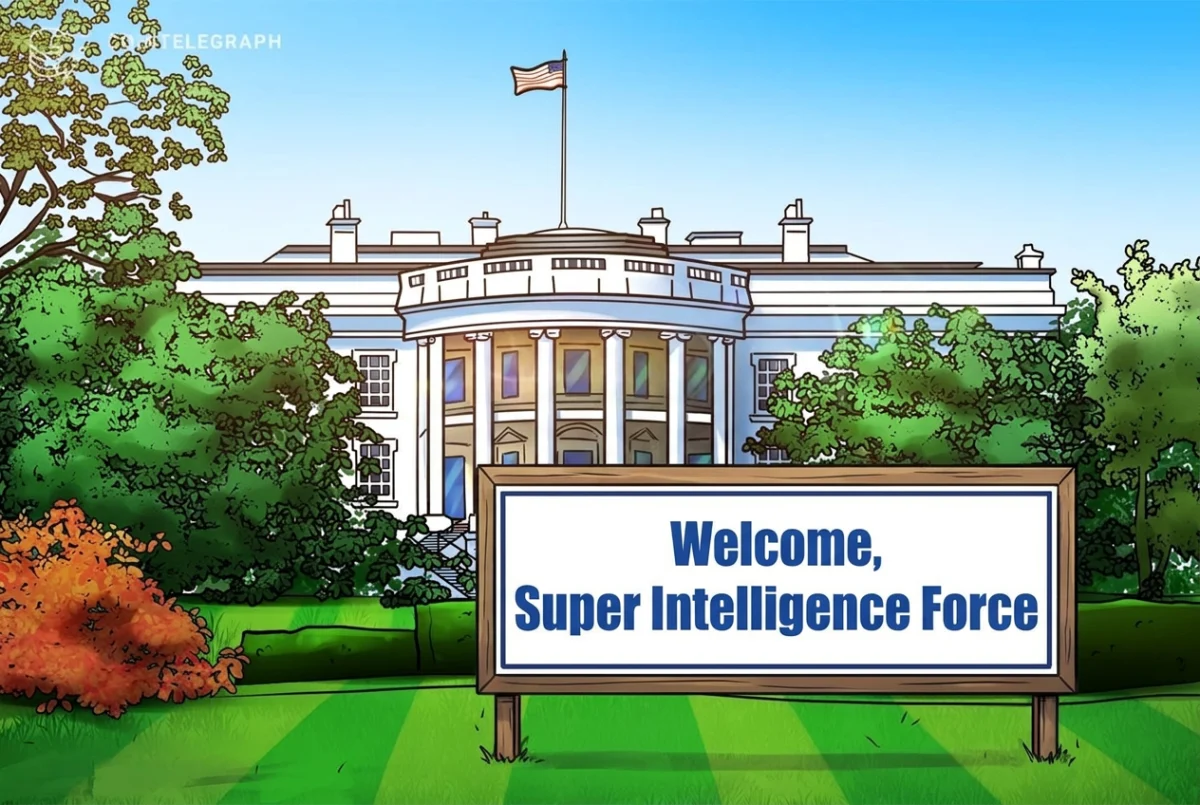
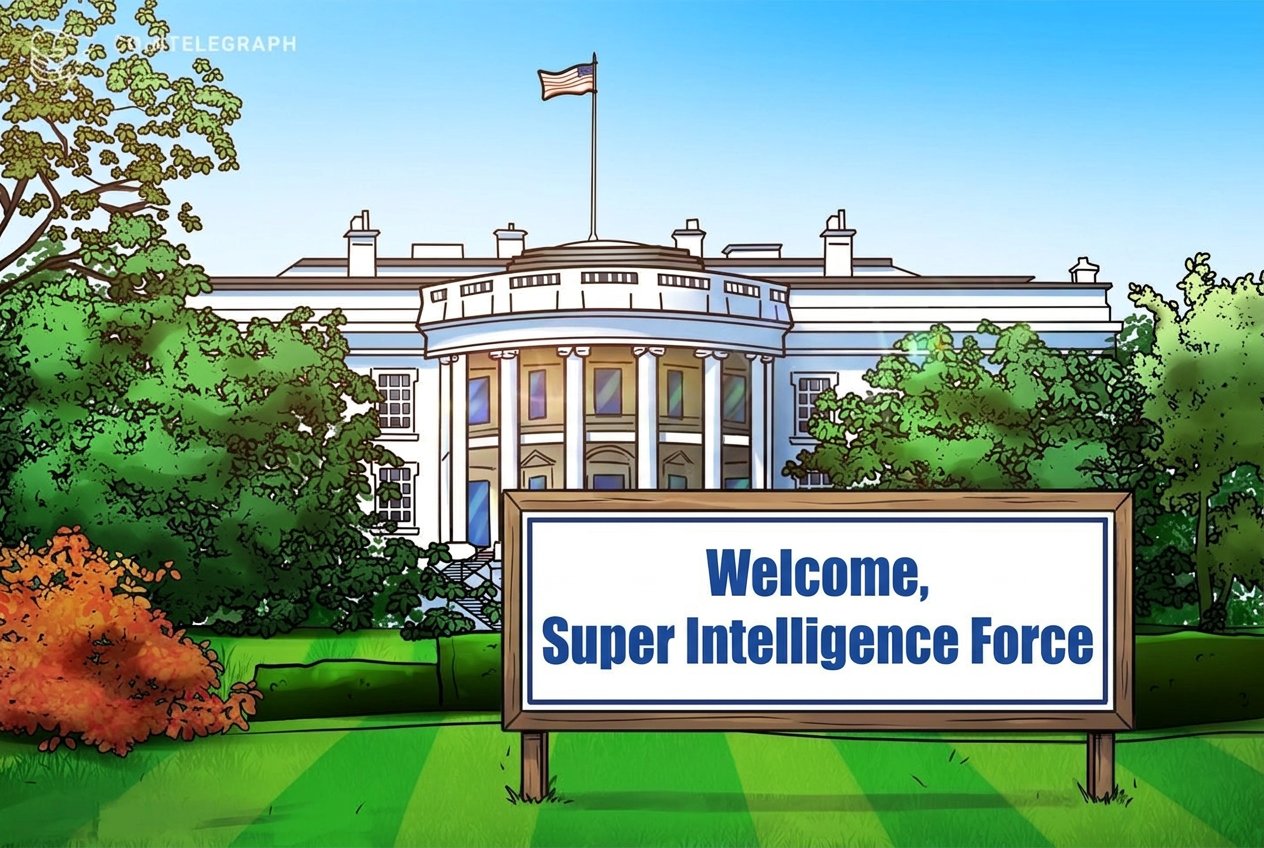
President Donald Trump has officially unveiled the creation of the nation’s Super Intelligence Force (SIF), appointing Jay Clayton, currently serving as the U.S. Director of National Intelligence (DNI), to spearhead this pivotal new federal endeavor. The announcement, made via a post on Truth Social on Sunday, confirms earlier media speculation and marks a significant escalation in the United States’ strategic approach to advanced artificial intelligence and its broader implications for national security, economic competitiveness, and global leadership.
The Super Intelligence Force is mandated with a sweeping directive: to coordinate the entirety of the Federal Government’s efforts to ensure America not only maintains but decisively expands its lead in the burgeoning field of super intelligence. This move comes amid an intensifying global technological race, where advancements in artificial intelligence are increasingly recognized as the cornerstone of future power dynamics. The establishment of the SIF signals a concerted effort by the Trump administration to centralize and accelerate the development and application of advanced intelligent systems across all sectors of national interest.
The Genesis of a New Frontier in National Security
The formal announcement on Sunday followed a flurry of media reports on Friday that had anticipated Clayton’s appointment. These reports built upon earlier indications from the administration regarding its intent to establish a dedicated federal entity focused on advanced AI. Cointelegraph, among other outlets, had previously reported on September 20 that President Trump had articulated plans to create an "AI Force," explicitly modeled after the Space Force, and to appoint an "artificial intelligence czar" to oversee its operations. This conceptualization of an "AI Force" underscored a growing recognition within government circles that artificial intelligence, particularly at its most advanced stages, represents a domain as critical and transformative as space exploration or cyber warfare.
The parallels drawn to the Space Force are particularly telling. The Space Force, established in 2019 during President Trump’s first term, was designed to organize, train, and equip forces to protect U.S. interests in space, recognizing space as a distinct warfighting domain. By mirroring this structure for "Super Intelligence," the administration implicitly categorizes advanced AI as a separate, vital, and strategically competitive domain requiring its own dedicated, high-level organizational structure. This strategic framing elevates the development and security of super intelligence from a technological initiative to a core pillar of national defense and economic strategy, emphasizing a proactive stance rather than a reactive one.
Jay Clayton: A Veteran Leader at the Helm
The choice of Jay Clayton to lead the Super Intelligence Force is particularly noteworthy, given his extensive background in both legal and intelligence sectors. Clayton, who was confirmed by the Senate in July to lead the intelligence community as Director of National Intelligence, is expected to maintain his current DNI role concurrently with his new leadership position at the SIF, according to sources familiar with the matter. This dual role underscores the administration’s view of super intelligence as inextricably linked to national security and intelligence operations.
Clayton’s career trajectory has prepared him for such a complex undertaking. During President Trump’s first term, he served as Chairman of the Securities and Exchange Commission (SEC), where he navigated the evolving landscape of financial technology and digital assets, gaining experience in regulatory oversight of rapidly advancing technological domains. Prior to his SEC tenure, Clayton served as an interim U.S. Attorney for the Southern District of New York, a role that exposed him to critical legal and enforcement challenges. His confirmation as DNI in July demonstrated bipartisan confidence in his ability to lead the vast and intricate U.S. intelligence apparatus. His appointment to the SIF suggests a belief that his regulatory acumen, combined with his deep understanding of intelligence gathering and national security, makes him uniquely qualified to orchestrate the government’s multifaceted approach to super intelligence. The expectation of his continued leadership as DNI further solidifies the direct connection between advanced AI capabilities and the nation’s intelligence capabilities, suggesting that the SIF will serve as a critical nexus for both development and threat assessment in this new domain.
A Powerhouse Leadership Team for a Transformative Initiative
President Trump’s announcement also detailed the initial leadership team that will join Clayton in steering the Super Intelligence Force, a group composed of high-ranking officials from diverse federal agencies, reflecting the cross-cutting nature of the SIF’s mandate. This multidisciplinary assembly highlights the administration’s recognition that super intelligence transcends traditional departmental boundaries and requires an integrated, whole-of-government approach.
The team includes:
- Andrew Ferguson, Chairman of the Federal Trade Commission (FTC): Ferguson’s inclusion signals a strong emphasis on the economic and consumer protection aspects of super intelligence. The FTC plays a crucial role in regulating competition, preventing monopolies, and ensuring fair practices in digital markets. His involvement suggests that the SIF will consider the economic impact of super intelligence, including market concentration, data privacy, and the ethical use of AI in commercial applications, from its inception. The FTC’s expertise will be vital in shaping policies that foster innovation while safeguarding against potential abuses or anti-competitive behaviors in the rapidly evolving AI landscape.
- Scott Kupor, Director of the Office of Personnel Management (OPM): Kupor’s presence underscores the critical human capital component of the Super Intelligence Force. OPM is responsible for managing the federal workforce, including recruitment, training, and retention. Leading in super intelligence necessitates attracting, developing, and retaining top talent in highly specialized technical fields. Kupor’s role will likely focus on developing strategies to cultivate a federal workforce capable of understanding, developing, and deploying advanced AI systems, as well as addressing the broader societal implications for employment and workforce displacement that super intelligence may bring. This includes potential initiatives for federal academies, partnerships with universities, and programs to upskill and reskill the existing workforce.
- Emil Michael, Under Secretary of War for Research and Engineering and Chief Technology Officer for the Department of War: Michael’s appointment from the Department of War (DoW) emphasizes the profound national security and defense implications of super intelligence. As Under Secretary for Research and Engineering and CTO, Michael is at the forefront of military technological innovation. His involvement ensures that the SIF will be deeply integrated with defense strategies, focusing on the development of AI for military applications, cybersecurity, autonomous systems, and strategic intelligence gathering. This inclusion highlights the dual-use nature of super intelligence and the imperative to maintain a technological edge in defense capabilities, while also navigating the ethical complexities of AI in warfare.
This diverse leadership team suggests that the Super Intelligence Force will adopt a holistic approach, addressing not only the technical development of advanced AI but also its regulatory, economic, workforce, and national security dimensions.
Defining Super Intelligence: The Road Ahead
The term "Super Intelligence," as used in the context of the new force, implies capabilities beyond the current state-of-the-art artificial intelligence. While current AI excels at narrow tasks, "super intelligence" often refers to hypothetical future AI that significantly surpasses human intelligence across virtually all domains, including scientific creativity, general wisdom, and social skills. This could encompass Artificial General Intelligence (AGI), which can understand, learn, and apply intelligence to any intellectual task that a human being can, or even Artificial Super Intelligence (ASI), which would exceed human capabilities across the board.
The SIF’s mandate to ensure America leads the world in this domain suggests a long-term vision focused on fostering groundbreaking research, accelerating deployment, and establishing robust governance frameworks for these advanced systems. This endeavor will likely involve massive investments in fundamental research, the creation of national supercomputing infrastructure, and the development of secure and ethical AI principles. The precise definition and operational scope of "Super Intelligence" for the SIF will undoubtedly be a key early task for Clayton and his team.
Background and Context: The Global AI Race and its Stakes
The establishment of the Super Intelligence Force is not an isolated event but rather a direct response to a rapidly evolving geopolitical and technological landscape. For years, experts have warned of an accelerating "AI race" among global powers, most notably between the United States and China, with significant investments also coming from the European Union and other nations. The stakes are immense, encompassing economic prosperity, national security, and societal well-being.
Economic Implications: Artificial intelligence is projected to be a transformative economic force, potentially adding trillions of dollars to the global economy. Countries that lead in AI development and deployment are expected to reap significant economic benefits through increased productivity, new industries, and innovative services. The US, while a leader in AI research and private sector investment, has faced concerns about the pace of federal coordination and investment compared to state-backed initiatives in rival nations. The SIF aims to streamline federal efforts, potentially unlocking new avenues for economic growth and maintaining the US’s competitive edge in critical industries.
National Security: The application of advanced AI in defense, intelligence, and cybersecurity is a paramount concern. From autonomous weapon systems and advanced surveillance capabilities to sophisticated cyber defenses and intelligence analysis, AI is reshaping modern warfare and national security strategies. The ability to process vast amounts of data, predict threats, and make rapid decisions through AI could provide a decisive advantage in future conflicts. The Department of War’s representation on the SIF leadership team underscores this critical dimension, indicating a strong focus on leveraging super intelligence for defense and intelligence superiority.
Ethical and Societal Considerations: Beyond economic and security concerns, the rise of super intelligence presents profound ethical and societal challenges. Issues such as algorithmic bias, privacy violations, job displacement, the potential for autonomous decision-making in critical systems, and the existential risks associated with highly advanced AI require careful consideration and robust governance. The SIF will likely be tasked with not only advancing the technology but also establishing ethical guidelines and regulatory frameworks to ensure responsible development and deployment, potentially engaging with civil liberties groups and academic ethicists.
A Timeline of Strategic AI Focus
The formation of the Super Intelligence Force culminates a series of strategic discussions and developments concerning artificial intelligence within the U.S. government:
- Early 2020s: Growing recognition across the U.S. government and academic institutions regarding the strategic importance of AI, leading to numerous reports and recommendations for increased federal investment and coordination. These early warnings highlighted the need for a unified national strategy to counter the rapid advancements made by competitor nations.
- July (current year, 2026): Jay Clayton is confirmed as the U.S. Director of National Intelligence, placing a leader with a strong regulatory and legal background at the helm of the nation’s intelligence community. This appointment was seen as a strategic move to modernize intelligence operations, including the integration of advanced technologies.
- September 20 (current year, 2026): Reports emerge, particularly from outlets like Cointelegraph, indicating President Trump’s intention to establish an "AI Force" similar to the Space Force and to appoint an "AI czar." These initial reports sparked widespread discussion about the scope and structure such an entity might take.
- Friday (preceding Sunday’s announcement): Media outlets widely report on the impending appointment of Jay Clayton to lead the new "Super Intelligence Force," confirming the high-level nature of the proposed agency and the significance of its mandate.
- Sunday (current year, 2026): President Trump formally announces the creation of the Super Intelligence Force and the appointment of Jay Clayton as its director via Truth Social, along with the initial leadership team. This official declaration solidifies the administration’s commitment to prioritizing super intelligence at the highest levels of government.
Reactions and Initial Analysis
The establishment of the Super Intelligence Force and Clayton’s appointment are expected to elicit a broad spectrum of reactions from various stakeholders.
From the Political Sphere: Bipartisan support for maintaining U.S. leadership in advanced technology is likely, particularly given the national security implications. However, concerns might arise regarding the centralization of power, the potential for executive overreach, or the allocation of vast resources to a nascent field with undefined parameters. Lawmakers may demand clear oversight mechanisms and regular reporting on the SIF’s progress and ethical guidelines. Debates could emerge about the specific definition of "Super Intelligence" and how its development will be balanced with privacy and civil liberties.
Within the Tech Industry: Industry leaders are expected to welcome a more coordinated federal strategy, particularly if it translates into increased research funding, talent development initiatives, and clearer regulatory frameworks. However, some may express apprehension about potential over-regulation, government control over innovation, or the challenge of attracting top private-sector talent to government roles. Companies heavily invested in AI will be keen to understand how the SIF will collaborate with the private sector, foster public-private partnerships, and ensure a competitive environment.
From Academia and Expert Communities: Researchers and ethicists will likely engage in robust discussions about the SIF’s mandate. While the push for U.S. leadership in super intelligence will be broadly supported, there will be critical scrutiny regarding the ethical implications, safety protocols, and the potential for misuse of such powerful technology. Experts may call for transparency, independent oversight, and the inclusion of diverse perspectives in the SIF’s decision-making processes, especially concerning the development of general or super-human AI.
International Responses: Competitor nations like China and Russia are expected to view the SIF as a direct challenge, potentially accelerating their own AI development programs. Allies will likely watch closely, perhaps seeking opportunities for collaboration or expressing concerns about a widening technological gap. The SIF’s formation could reshape international dialogues on AI governance, arms control, and data sharing, pushing for a more formalized global framework for advanced intelligent systems.
Implications and Future Outlook
The formation of the Super Intelligence Force represents a monumental strategic shift for the United States, positioning advanced AI as a central pillar of its future.
Accelerated Innovation and Leadership: With a dedicated federal agency, the SIF is poised to significantly accelerate U.S. innovation in super intelligence. This could involve direct funding for moonshot research projects, fostering public-private partnerships, streamlining regulatory hurdles for AI development, and creating national centers of excellence. The goal is clear: to ensure the U.S. remains at the forefront of this transformative technology, thereby securing its long-term economic prosperity and national security.
Enhanced National Security: The integration of super intelligence across defense and intelligence agencies promises to revolutionize military capabilities, cybersecurity, and threat analysis. This could lead to more sophisticated defense systems, predictive intelligence, and enhanced cyber warfare capabilities, giving the U.S. a significant strategic advantage. However, it also raises complex questions about the future of warfare and the responsible use of autonomous systems.
Regulatory and Ethical Frameworks: A key challenge for the SIF will be to develop comprehensive regulatory and ethical frameworks that can keep pace with rapid technological advancements. This includes addressing issues of data privacy, algorithmic bias, accountability for AI decisions, and the societal impact of widespread super intelligence adoption. The SIF will need to strike a delicate balance between fostering innovation and ensuring public trust and safety.
Talent Acquisition and Development: The success of the SIF will heavily depend on its ability to attract and retain the world’s leading AI talent. This will require competitive compensation packages, cutting-edge research environments, and a clear mission that inspires top scientists and engineers. Strategies for workforce development, including education and training programs, will be crucial to build a robust ecosystem for super intelligence.
The Super Intelligence Force, under Jay Clayton’s leadership and supported by a diverse team, embarks on a mission of unparalleled complexity and strategic importance. Its success or failure will likely determine the United States’ standing in a future world increasingly shaped by the capabilities of advanced artificial intelligence. The coming months and years will reveal how this ambitious initiative navigates the technical, ethical, and geopolitical challenges inherent in leading the world into the age of super intelligence.









