Nila Kartika Wati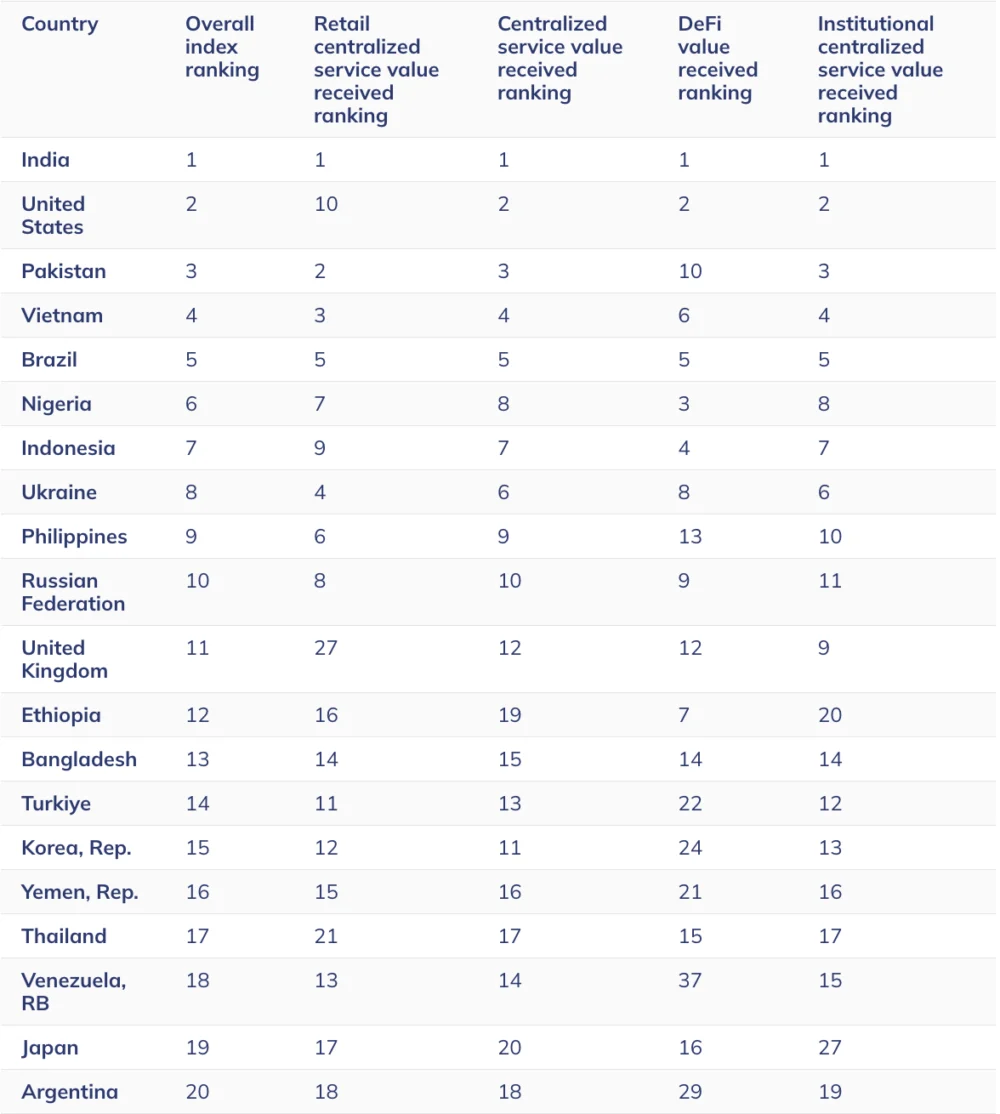
Islamabad, Pakistan – Pakistan’s parliament has officially passed the Virtual Assets Act, 2026, a landmark piece of legislation that legally formalizes oversight over the nation’s burgeoning cryptocurrency industry. This pivotal move establishes the Pakistan Virtual Assets Regulatory Authority (PVARA) as the country’s central digital asset regulator, tasked with enforcing stringent licensing requirements, anti-money laundering (AML) provisions, and international sanctions compliance. The bill, which received unanimous approval in both the Senate and the National Assembly on Wednesday, awaits the final assent of President Asif Ali Zardari to become law, marking a definitive shift in Pakistan’s approach to digital assets.
This legislative development represents a monumental reversal of a long-standing skeptical stance from Pakistani authorities, who had previously resisted the integration of cryptocurrencies into the mainstream financial system. The newly enacted framework is designed to bring clarity and structure to the virtual asset space, aiming to foster innovation while mitigating risks associated with illicit financial activities.
The Genesis of a Regulatory Framework: PVARA’s Mandate
The Pakistan Virtual Assets Regulatory Authority (PVARA), initially established in July 2025, has now been officially cemented as the primary government agency overseeing digital assets. Its mandate under the new Act is comprehensive, granting it broad authority to supervise, regulate, and license digital asset service providers operating within Pakistan. This includes exchanges, custodians, and other entities involved in virtual asset transactions. The regulatory framework is expected to cover a wide spectrum of digital assets, from cryptocurrencies and stablecoins to non-fungible tokens (NFTs) and other tokenized assets.
Key responsibilities of PVARA, as outlined in the Act, extend beyond mere licensing. The authority is specifically tasked with developing and enforcing robust anti-money laundering (AML) and combating the financing of terrorism (CFT) provisions. This commitment to financial integrity is crucial for Pakistan, particularly in light of its past experiences with international financial watchdogs. Furthermore, PVARA will ensure strict adherence to international sanctions compliance, aligning Pakistan’s digital asset ecosystem with global financial governance standards.
Bilal Bin Saqib, Chairman of PVARA, highlighted the proactive steps already underway to operationalize the new regulatory landscape. "With no objection certificates (NOCs) already issued and banking rails being developed in coordination with the State Bank of Pakistan, we are now moving toward a comprehensive licensing framework aligned with global AML and financial integrity standards," Saqib stated. This indicates that the groundwork for implementation has been meticulously laid even before the formal passage of the Act, demonstrating a strategic and expedited approach to regulation. The development of dedicated banking rails is particularly significant, as it addresses a critical hurdle for crypto businesses: access to traditional financial services, which is often challenging in unregulated environments. This integration is expected to provide stability and legitimacy to the digital asset sector.
A Historic Policy U-Turn: From Ban to Embrace
The passage of the Virtual Assets Act marks a dramatic pivot from Pakistan’s previous policy posture, which had long been characterized by outright opposition and skepticism towards cryptocurrencies. For years, regulatory bodies, including the State Bank of Pakistan and the Ministry of Finance, expressed severe reservations, citing concerns over volatility, illicit financing risks, and potential threats to financial stability. A Pakistani finance minister had even publicly declared that crypto would "never be legalized" or integrated into the national financial system, underscoring the deep-seated resistance within official circles.
However, the tide began to turn in November 2024, when the government signaled a willingness to regulate cryptocurrencies, even exploring their potential as legal tender. This sudden and significant policy shift was driven by a confluence of factors, including the undeniable global growth of the digital asset industry, the economic potential for remittances, and a growing recognition of blockchain technology’s transformative power.

Analysts suggest that Pakistan’s decision was also influenced by the widespread grassroots adoption of cryptocurrencies within the country, despite the lack of formal regulation. A 2025 report by Chainalysis, a blockchain data platform, notably ranked Pakistan near the top of its Global Crypto Adoption Index, illustrating a strong existing demand and engagement with digital assets among its population. This organic adoption, coupled with the potential to harness digital finance for economic growth, likely compelled policymakers to reconsider their prohibitive stance. The potential for digital assets to enhance financial inclusion, particularly for the unbanked population, and to streamline cross-border transactions, especially remittances, became increasingly difficult to ignore.
Strategic Vision: Pakistan’s Ambition as a Digital Asset Hub
The regulatory clarity provided by the Virtual Assets Act is not an isolated development but rather a cornerstone of Pakistan’s broader strategic vision to emerge as a significant player in the global digital economy. The government has already undertaken several ambitious initiatives signaling its commitment to this goal.
One of the most notable announcements came with the declaration of a national Bitcoin strategic reserve. This forward-thinking initiative positions Pakistan among a select few nations exploring Bitcoin as a strategic asset, potentially for national hedging, wealth preservation, or even as a reserve currency component in the long term. Such a move underscores a deep understanding of Bitcoin’s potential as a decentralized, global asset and reflects a calculated decision to diversify national financial holdings.
Furthermore, Pakistan has demonstrated its commitment to building foundational infrastructure for the digital asset space by allocating a substantial 2,000 megawatts of electricity specifically for Bitcoin mining and AI data centers. This significant energy commitment highlights the government’s intent to attract large-scale mining operations and establish a robust, energy-intensive digital infrastructure. Leveraging its energy resources, Pakistan aims to become a competitive destination for cryptocurrency mining, potentially creating jobs, attracting foreign investment, and fostering a specialized tech ecosystem around blockchain and artificial intelligence. This infrastructure development is seen as crucial for supporting not only crypto operations but also broader technological advancements within the country.
PVARA Chairman Bilal Bin Saqib has consistently articulated this expansive vision, stating at the Bitcoin MENA conference in December 2025 that digital assets are the "foundation of a new financial rail for the global south." He emphasized Pakistan’s view of blockchain technology as critical infrastructure, not merely a speculative investment vehicle. This perspective frames digital assets as a tool for economic empowerment, regional connectivity, and a means to bypass traditional, often costly, financial intermediaries, particularly for developing nations.
International Partnerships and Stablecoin Integration
Further solidifying its commitment to the digital asset ecosystem, Pakistan has actively pursued international collaborations. In January, the nation signed a significant Memorandum of Understanding (MOU) with SC Financial Technologies, an affiliate of World Liberty Financial. World Liberty Financial is notably the decentralized finance (DeFi) platform founded by the sons of former U.S. President Donald Trump.
This partnership is centered on exploring the use of the USD1 stablecoin for digital payments, with a particular focus on cross-border transactions and remittances. Remittances are a critical component of Pakistan’s economy, with millions of overseas Pakistanis sending billions of dollars home annually. The integration of a stablecoin like USD1, pegged to the U.S. dollar, offers the potential for significantly faster, cheaper, and more transparent cross-border payments compared to traditional banking channels. This initiative could not only boost the efficiency of remittance flows but also enhance financial inclusion by providing easier access to digital financial services for a broader segment of the population. The stability offered by a USD-pegged stablecoin also mitigates the volatility risks associated with other cryptocurrencies, making it a more practical solution for everyday transactions and international trade.
The global cryptocurrency community has taken notice of Pakistan’s rapid advancements. Changpeng Zhao (CZ), co-founder of Binance, one of the world’s largest cryptocurrency exchanges, publicly stated his belief that Pakistan could emerge as a global hub for digital assets by 2030. This optimistic forecast is contingent on the country’s sustained pace of development and continued regulatory progress, underscoring the critical importance of the Virtual Assets Act in providing a stable foundation for growth.

Broader Implications and Future Outlook
The passage of the Virtual Assets Act holds profound implications for Pakistan’s economic future and its standing in the global financial landscape.
Economic Diversification and Investment: By establishing a clear regulatory framework, Pakistan is poised to attract significant domestic and foreign investment into its digital asset sector. This could lead to the creation of new businesses, job opportunities in technology and finance, and foster a vibrant ecosystem of blockchain developers, entrepreneurs, and service providers. The formalization of the industry also de-risks participation for institutional investors and established financial entities, who were previously hesitant due to regulatory uncertainties.
Enhanced Financial Integrity and Global Standing: The Act’s strong emphasis on AML and sanctions compliance is a critical step towards enhancing Pakistan’s financial integrity. By aligning with global standards, the country aims to shed any remaining perceptions of being a high-risk jurisdiction for illicit financial flows. This commitment is particularly important for its relationship with bodies like the Financial Action Task Force (FATF) and could contribute to improving its overall international financial standing and creditworthiness.
Innovation and Technological Advancement: A regulated environment often provides a fertile ground for innovation. With clear rules, businesses can invest in developing new products and services with greater confidence. This could accelerate the adoption of blockchain technology across various sectors, including supply chain management, land records, and digital identity, beyond just financial applications. The dedicated energy allocation for AI centers further reinforces the government’s commitment to leveraging cutting-edge technologies for national development.
Financial Inclusion and Remittance Efficiency: The formal embrace of digital assets, particularly stablecoins for remittances, has the potential to significantly improve financial inclusion for Pakistan’s largely unbanked population. It can reduce transaction costs, increase speed, and provide easier access to financial services for individuals who might not have access to traditional banking. This could empower vulnerable segments of society and facilitate economic participation.
Challenges Ahead: While the outlook is largely positive, Pakistan will face challenges in the implementation phase. These include developing the necessary technical infrastructure, training regulatory staff, educating the public, and continuously adapting the framework to keep pace with the rapidly evolving digital asset landscape. Balancing regulatory oversight with the need to foster innovation will be a delicate act. Moreover, ensuring robust cybersecurity measures will be paramount to protect investors and maintain trust in the system.
In conclusion, Pakistan’s Virtual Assets Act, 2026, marks a pivotal moment in the nation’s economic history. It signals a strategic and forward-looking approach to digital assets, moving beyond initial skepticism to embrace the transformative potential of blockchain technology. By establishing a comprehensive regulatory framework and pursuing ambitious initiatives, Pakistan is not merely adapting to a global trend but actively positioning itself as a potential leader in the digital economy, particularly for the Global South. The coming years will reveal the full extent of this transformation, as Pakistan navigates the complexities of integrating virtual assets into its financial mainstream and strives to realize its vision of becoming a global digital asset hub.