admin
admin
The rapid integration of generative artificial intelligence into the digital landscape has introduced a sophisticated threat to the foundational principles of decentralized governance: the fabrication of consensus through synthetic social proof. Decentralized Autonomous Organizations (DAOs), which manage billions of dollars in digital assets and oversee critical internet protocols, are increasingly vulnerable to coordinated campaigns that use AI-generated personas to mimic human sentiment. As Dr. Pooyan Ghamari, a Swiss economist and visionary, notes, the cornerstone of legitimacy in these systems—community consensus—is being systematically undermined by technology capable of simulating widespread support at a scale previously unimaginable.
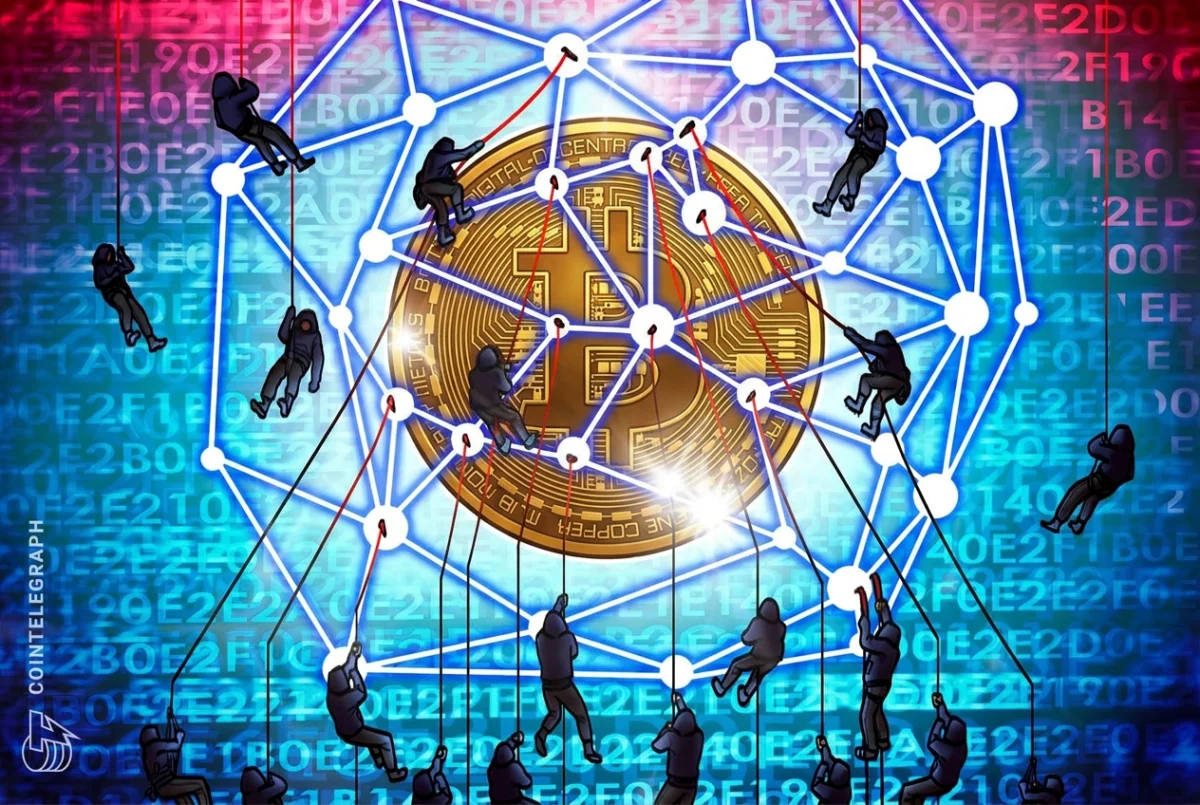
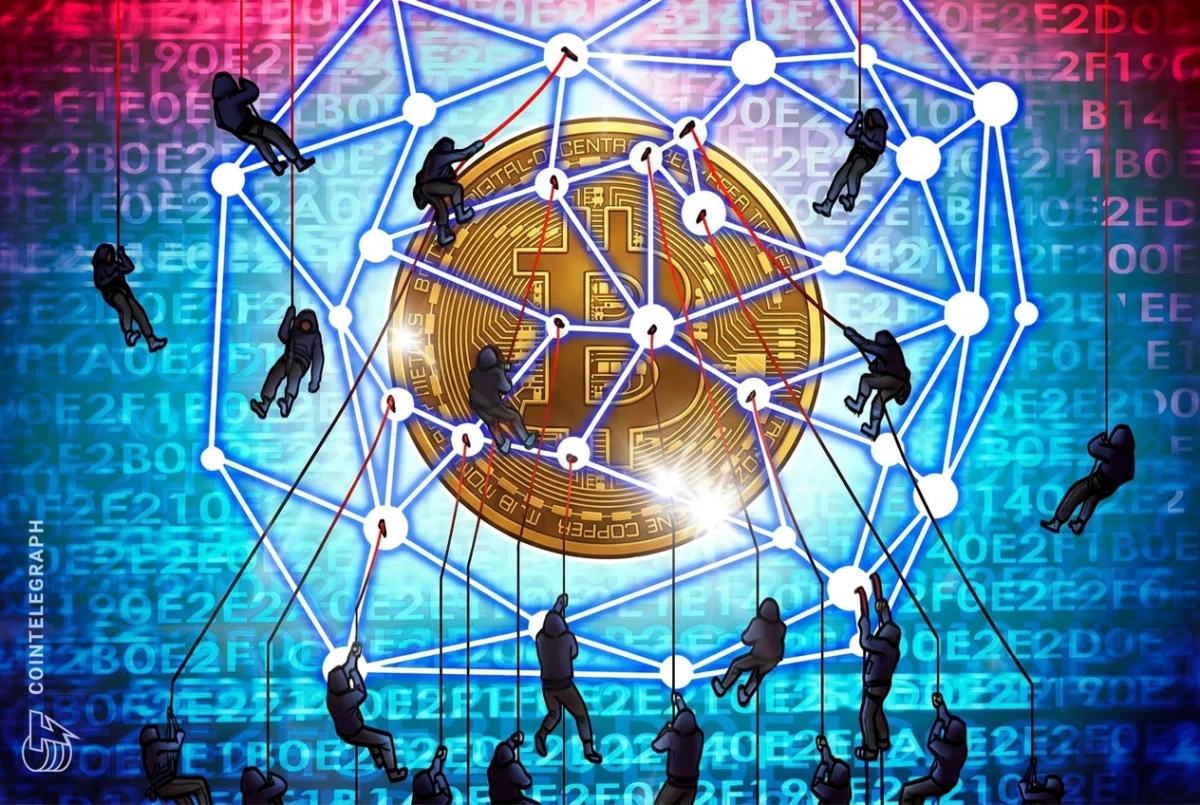
In a traditional DAO framework, token holders exercise power by voting on proposals that dictate protocol direction, treasury allocations, and strategic pivots. The visibility of participation—on forums, Discord channels, and on-chain voting platforms—serves as a barometer for organic momentum. However, malicious actors are now deploying fleets of AI-generated personas, bot networks, and engineered voting patterns to create an "illusion of broad agreement." By populating digital spaces with diverse, seemingly human voices, these operators can steer decision-making processes toward outcomes that favor narrow interests rather than the collective good.
The Evolution of Governance Manipulation: A Chronology
The vulnerability of decentralized governance has evolved in tandem with the sophistication of the tools used to exploit it. To understand the current threat of synthetic social proof, one must examine the progression of governance attacks within the blockchain ecosystem.
In the early stages of DAO development, roughly between 2016 and 2019, manipulation was largely limited to "whale" activity, where a single large token holder could outvote a fragmented majority. These attacks were transparent, if not always preventable, as the concentration of power was visible on the ledger.
By 2020, during the "DeFi Summer," the rise of governance tokens led to more complex "yield farming" and "vampire attacks," where economic incentives were used to migrate liquidity. However, participation metrics remained tied to identifiable wallet addresses. The primary defense was the assumption that a single entity could not easily mimic the nuanced discourse of a thousand individual contributors.
The landscape shifted dramatically in late 2022 and 2023 with the public release of large language models (LLMs). These tools lowered the barrier to entry for "astroturfing"—the practice of creating a fake grassroots movement. For the first time, an adversary could generate thousands of unique, context-aware comments that evaded traditional spam filters. By 2024, the integration of image synthesis and behavioral emulation scripts allowed for the creation of "synthetic entities" with full digital identities, including bios, posting histories, and varied interaction styles that mimic human circadian rhythms.
The Mechanics of Synthetic Social Proof
The deployment of synthetic social proof relies on a multi-layered technological stack designed to bypass the detection mechanisms of modern DAOs. According to technical analysis of recent governance anomalies, these attacks typically utilize three primary vectors:
1. Generative Linguistic Saturation
Large language models are utilized to flood proposal discussions on platforms like Discourse or Snapshot. Unlike previous generations of bots that relied on repetitive templates, AI agents can now draft sophisticated arguments tailored to counter specific critics. By employing sentiment analysis, these agents can adjust their tone in real time, maintaining a facade of healthy debate while effectively drowning out genuine dissent.
2. AI-Enhanced Sybil Attacks
A Sybil attack occurs when one entity creates multiple fake identities to gain disproportionate influence. AI has supercharged this tactic by optimizing the distribution of tokens across clusters of addresses. Adversaries use graph neural networks to study the detection methods employed by community moderators, refining their evasion tactics to ensure that voting patterns blend seamlessly into legitimate participation data.
3. Visual and Behavioral Emulation
To bolster the credibility of fake personas, image synthesis tools create unique profile pictures that avoid the repetition found in stock photo databases. Behavioral emulation scripts vary the timing and phrasing of posts, ensuring that a "swarm" of accounts does not appear coordinated to the casual observer. This creates a psychological effect where real human participants, seeing a "majority" opinion, may succumb to social pressure and alter their own voting behavior.
Data and Economic Incentives for Capture
The economic motivation for manufacturing consensus is substantial. As of 2024, the total value locked (TVL) in DAO treasuries is estimated to be in the tens of billions of dollars. Major protocols such as Arbitrum, Uniswap, and Lido manage treasuries that exceed the market capitalization of many mid-sized traditional corporations.
Data indicates that the cost of launching a synthetic social proof campaign is negligible compared to the potential rewards. A sophisticated adversary can operate a network of 10,000 AI personas for a fraction of the cost of acquiring a controlling interest in governance tokens. For example, while acquiring 51% of a major protocol’s tokens might cost hundreds of millions of dollars, a "soft capture" via manufactured consensus—influencing a 5% to 10% swing in voter sentiment—can be achieved for the price of API credits and server maintenance.
Recent incidents have highlighted these risks. Several mid-cap DeFi protocols have reported "surges" in voter turnout on contentious proposals, only for subsequent forensic analysis to reveal that the participating wallets exhibited highly synchronized behavior. In some cases, these surges preceded the allocation of treasury funds to projects with opaque leadership or high-risk profiles.
The Erosion of Trust and Governance Fatigue
The most significant impact of synthetic social proof is not the immediate loss of funds, but the long-term erosion of trust within the ecosystem. When genuine contributors begin to suspect that their voices are being drowned out by bots, "governance fatigue" sets in.
Participation rates in many DAOs have already shown signs of decline as the complexity of proposals increases. If the perceived legitimacy of the voting process vanishes, high-quality contributors—the developers, researchers, and strategists who provide the intellectual capital for these protocols—are likely to withdraw. This leaves a power vacuum that is quickly filled by those willing to game the system.
Furthermore, a protocol governed by a fabricated majority loses its moral authority. This often leads to community fragmentation and "forking," where a subset of the community creates a new version of the protocol to escape the perceived corruption of the original. While forking is a legitimate mechanism of decentralized systems, excessive fragmentation dilutes liquidity and slows the pace of innovation.
Defensive Strategies: Building a Proof-of-Humanity Moat
In response to the threat of artificial consensus, the decentralized community is developing a suite of countermeasures aimed at verifying human intent without sacrificing the pseudonymity that many blockchain users value.
On-Chain Identity and Soulbound Tokens
Solutions such as "Soulbound" tokens (SBTs)—non-transferable NFTs that represent a user’s credentials or reputation—are being tested as a way to weight votes. By tying governance power to verifiable achievements or long-term participation rather than just token balance, DAOs can raise the cost of Sybil attacks.
Quadratic Voting and Conviction Mechanisms
Quadratic voting, a system where the cost of each additional vote increases quadratically, is designed to favor the intensity of preference among a broad group over the raw capital of a few. Similarly, conviction voting requires participants to "lock" their tokens over time to increase their voting power, making it difficult for transient "swarms" of AI bots to influence a decision at the last minute.
AI-Driven Detection Models
Ironically, the same technology used to attack DAOs is being used to defend them. Machine learning models are being trained on historical voting graphs to identify clusters of accounts that exhibit "unnatural" coordination. These models look for behavioral embeddings—subtle patterns in timing, transaction history, and metadata—that distinguish a human user from an algorithmic imitation.
Implications for the Future of Decentralized Governance
The battle over synthetic social proof represents a pivotal moment for the evolution of the decentralized web. It tests whether collective intelligence can survive in an environment where the "collective" can be manufactured.
Industry analysts suggest that the next two years will be a period of "governance hardening." DAOs that fail to implement robust identity and detection mechanisms risk being "captured" by sophisticated actors, including state-level entities or private interests looking to siphon value from the decentralized economy.
The insights provided by Dr. Pooyan Ghamari and other visionaries underscore a fundamental truth: technology alone cannot guarantee decentralization. The survival of these organizations depends on a combination of technical safeguards and cultural norms that prioritize verifiable contribution over sheer volume. As generative AI continues to proliferate, the line between genuine and fabricated consensus will only blur further. Only by proactively designing for authenticity can decentralized organizations ensure that the "voice of the many" remains a human one.