James Watt
The core of the current investigation centers on whether Binance’s internal controls, updated following the 2023 resolution, were sufficient to detect and prevent transactions involving Iranian proxies and entities. The probe follows investigative reporting suggesting that internal Binance compliance officers had flagged suspicious activity that may have been overlooked or improperly handled. For a company that has spent the last year attempting to rehabilitate its image and transition into a regulated, transparent global entity, these new allegations represent a significant challenge to its institutional credibility.
The Foundation of the Dispute: A $4.3 Billion Legacy
To understand the gravity of the current probe, it is essential to revisit the November 2023 settlement. At that time, Binance admitted to significant failures in its AML and Know Your Customer (KYC) protocols. The DOJ, alongside the Treasury Department’s Office of Foreign Assets Control (OFAC) and the Financial Crimes Enforcement Network (FinCEN), detailed how Binance had allowed users in sanctioned jurisdictions—including Iran, Cuba, and Syria—to trade with users in the United States.
The 2023 settlement was designed to be a "corporate death penalty" alternative, imposing a $4.3 billion fine, the largest in the history of the Treasury Department. It also required the appointment of an independent compliance monitor for a period of three to five years to ensure the exchange adhered to U.S. laws moving forward. Changpeng Zhao, the face of the company, resigned as CEO and served a four-month prison sentence. The recent pardon and subsequent return of Zhao to the public eye in a non-executive capacity were seen by many as the closing of a dark chapter for the exchange. However, the emergence of a new DOJ probe indicates that the "Iran file" may never have been fully closed.
Allegations of Continued Sanctions Evasion
The current investigation is reportedly focused on specific transaction routes and entities that were not fully addressed or discovered during the initial settlement. Central to these allegations is the claim that more than $1.7 billion in suspect transfers occurred, with approximately $1 billion linked to an entity known as "Blessed Trust."
Reports indicate that internal investigators at Binance had identified these flows, yet questions remain regarding how these accounts were classified. One key account was allegedly marked as "internal," a designation that can sometimes bypass the standard scrutiny applied to third-party customer accounts. This raises the possibility that intermediary accounts were used to mask the ultimate origin or destination of funds, a common tactic in sanctions evasion.
The DOJ is reportedly examining whether these transactions occurred before or after the 2023 plea agreement. If significant illicit activity continued after the settlement was signed, Binance could face a breach of its plea agreement, which would carry catastrophic legal and operational consequences, potentially including the revocation of its ability to operate in certain jurisdictions or even more severe financial penalties.
Binance’s Defense and the Defamation Counter-Suit
Binance has moved aggressively to dispute the claims of ongoing sanctions violations. The company maintains that its internal reviews found no evidence of direct transactions involving Iran-based entities on its platform during the period in question. In a public statement, the exchange emphasized that it has significantly bolstered its compliance department, growing its team to hundreds of specialists and investing tens of millions of dollars in automated monitoring tools.
The company further asserted that its exposure to wallets linked to illicit activity fell by nearly 97% between early 2024 and mid-2025. Specifically regarding Iran, Binance claims a 97.3% reduction in exposure to major Iranian cryptocurrency exchanges. To defend its reputation, Binance has filed a defamation lawsuit against media outlets that first reported the $1.7 billion figure, arguing that the reporting was false and based on a misunderstanding of internal data. By taking the fight to the courtroom, Binance is attempting to signal to regulators and the market that it is confident in the integrity of its post-settlement compliance regime.
A Chronology of Regulatory Pressure
The timeline of recent events suggests a coordinated effort by U.S. authorities to tighten the noose around crypto-linked sanctions evasion:
- November 2023: Binance reaches a $4.3 billion settlement with the DOJ, Treasury, and CFTC. CZ resigns.
- January 30, 2025: The U.S. Treasury Department designates Zedcex and Zedxion, two UK-registered digital asset exchanges, for facilitating Iranian sanctions evasion and supporting the Islamic Revolutionary Guard Corps (IRGC). Treasury reports that Zedcex processed over $94 billion in transactions.
- February 24, 2025: Senator Richard Blumenthal opens a formal inquiry into Binance, citing reports of $1.7 billion in money laundering involving Iran proxies and Russia’s "shadow fleet."
- February 27, 2025: Senate Banking Committee Democrats press the Treasury and DOJ for updates on Binance’s compliance, specifically highlighting the risk of the exchange being used by state-sponsored actors.
- March 2025: Reports surface of a new DOJ probe specifically targeting the "internal" accounts and intermediary routes used by Iranian entities.
The Broader Context of Iranian Crypto Infrastructure
The investigation into Binance does not exist in a vacuum. It is part of a broader shift in how U.S. regulators view the "plumbing" of the digital asset economy. Research from TRM Labs indicates that stablecoin activity exceeded $1 trillion in monthly transaction volume multiple times in 2025. Crucially, sanctions-related activity accounted for an estimated 86% of all illicit crypto flows during that year.
In Iran, the cryptocurrency market is highly centralized around a few key players. The exchange Nobitex reportedly handled more than 87% of Iranian crypto volume in 2025, processing approximately $3 billion. A significant portion of this volume—roughly $2 billion—moved over the TRON network, primarily in the form of TRC-20 USDT and TRX. This concentration of activity on specific chains and through specific stablecoins has provided regulators with a roadmap for enforcement. The DOJ’s interest in Binance likely stems from the exchange’s role as a primary liquidity provider for the global markets where these Iranian-linked funds eventually seek to be laundered or converted into fiat currency.
Market Data and the "Trust Premium"
Despite the legal headlines, the immediate market reaction has been characterized by cautious observation rather than panic. As of early 2025, Binance continues to dominate the centralized exchange (CEX) landscape. Market share data from CoinGecko placed Binance at 38.3% of all CEX spot activity in late 2025, with a staggering $7.3 trillion in total volume across the year.
As of the latest reporting period:
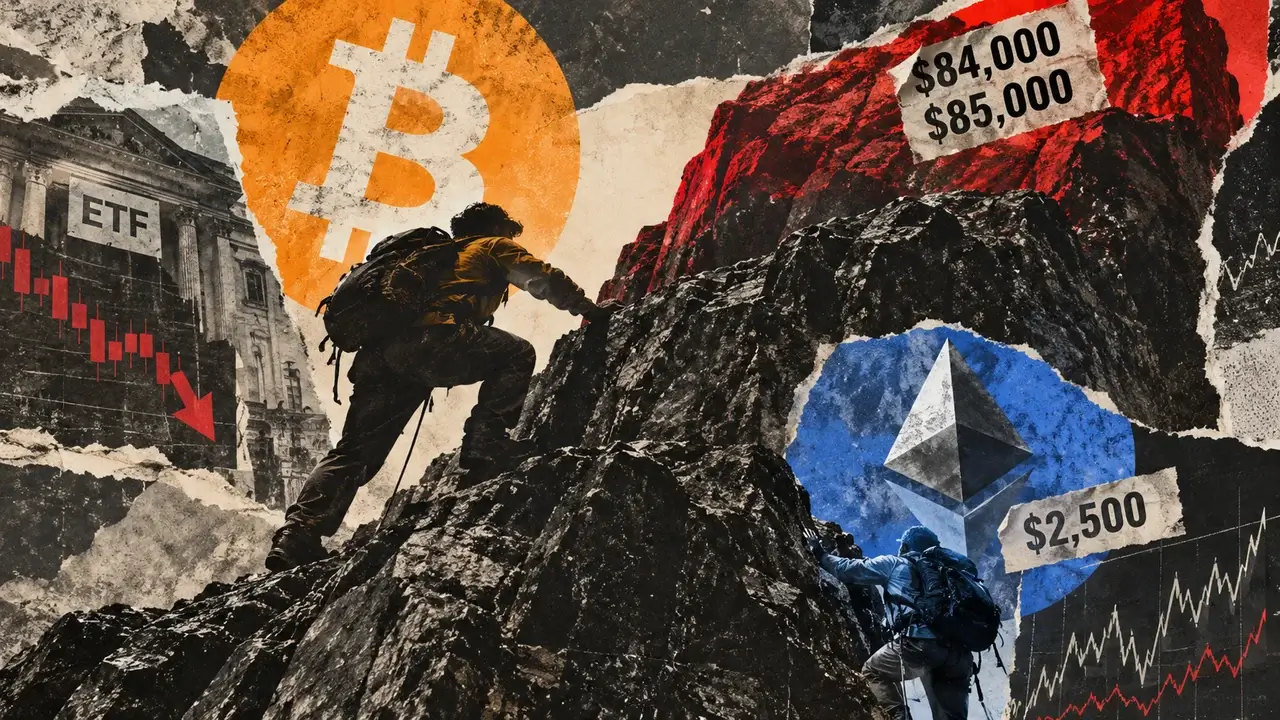
- Bitcoin (BTC): Trading at approximately $69,909, showing a slight 24-hour decline but maintaining institutional support through ETFs.
- Binance Coin (BNB): Trading at $643, acting as a barometer for sentiment regarding the exchange. While down slightly, it has not seen the precipitous drop that might accompany a liquidity crisis.
- Reserves: Binance reports approximately $151.2 billion in reserve assets, providing a substantial cushion against potential user outflows.
Analysts suggest that the market has "decoupled" Binance’s legal risks from the broader value of Bitcoin. However, the "trust premium" that Binance enjoys as the market leader is at stake. If the DOJ probe moves from an inquiry to a formal charge of breaching the 2023 settlement, the scale of asset migration could be unprecedented. A 5% shift in Binance’s reserves would equate to roughly $7.5 billion moving to rival exchanges or self-custody—a move that would severely impact offshore price discovery and market-making.
Analysis of Potential Outcomes
The trajectory of this investigation will likely follow one of four scenarios, each with varying implications for the crypto industry:
- Prolonged Inquiry with No Immediate Action (50% Probability): The DOJ continues to gather facts and review the monitor’s reports. This results in a "wait-and-see" period where Binance continues operations under heavy scrutiny but avoids new charges. Market stability remains intact.
- Binance Offboarding Defense Holds (20% Probability): The exchange successfully demonstrates that the flagged transactions were either historical (pre-settlement) or that the entities were offboarded as soon as they were identified. The probe closes with a minor administrative warning.
- Targeted Enforcement Against Intermediaries (25% Probability): Prosecutors focus on specific users or "internal" account holders rather than the exchange itself. This could lead to the seizure of assets and further sanctions on specific shell companies, causing Binance’s market share to slip as institutional counterparties tighten their risk limits.
- Sanctions-Plumbing Shock (5% Probability): The DOJ finds that Binance knowingly allowed sanctions evasion to continue post-settlement. This could lead to a breach of the plea agreement, the appointment of a more aggressive monitor, or even the "de-banking" of the exchange by its remaining fiat partners. This would likely trigger a massive exodus of funds and a broader crackdown on stablecoin issuers and the TRON network.
Conclusion: The Credibility Test
The reentry of Binance into the crosshairs of the DOJ underscores the persistent tension between the borderless nature of cryptocurrency and the geopolitical realities of international sanctions. For Binance, this is more than a legal dispute; it is a direct test of the credibility it has tried to rebuild since the 2023 settlement and the departure of its founder.
As the DOJ, Treasury, and Senate inquiries converge, the focus will remain on the effectiveness of Binance’s internal controls. The central question is whether the world’s largest exchange can truly be policed, or if the inherent structure of offshore crypto trading provides too many shadows for sanctioned entities to hide in. For now, the market remains steady, but the shadow of the "Iran file" continues to loom over the future of the industry’s largest player. The next set of public filings or enforcement actions will determine whether Binance can finally move past its regulatory legacy or if it is destined to remain a focal point for U.S. national security concerns.