admin
admin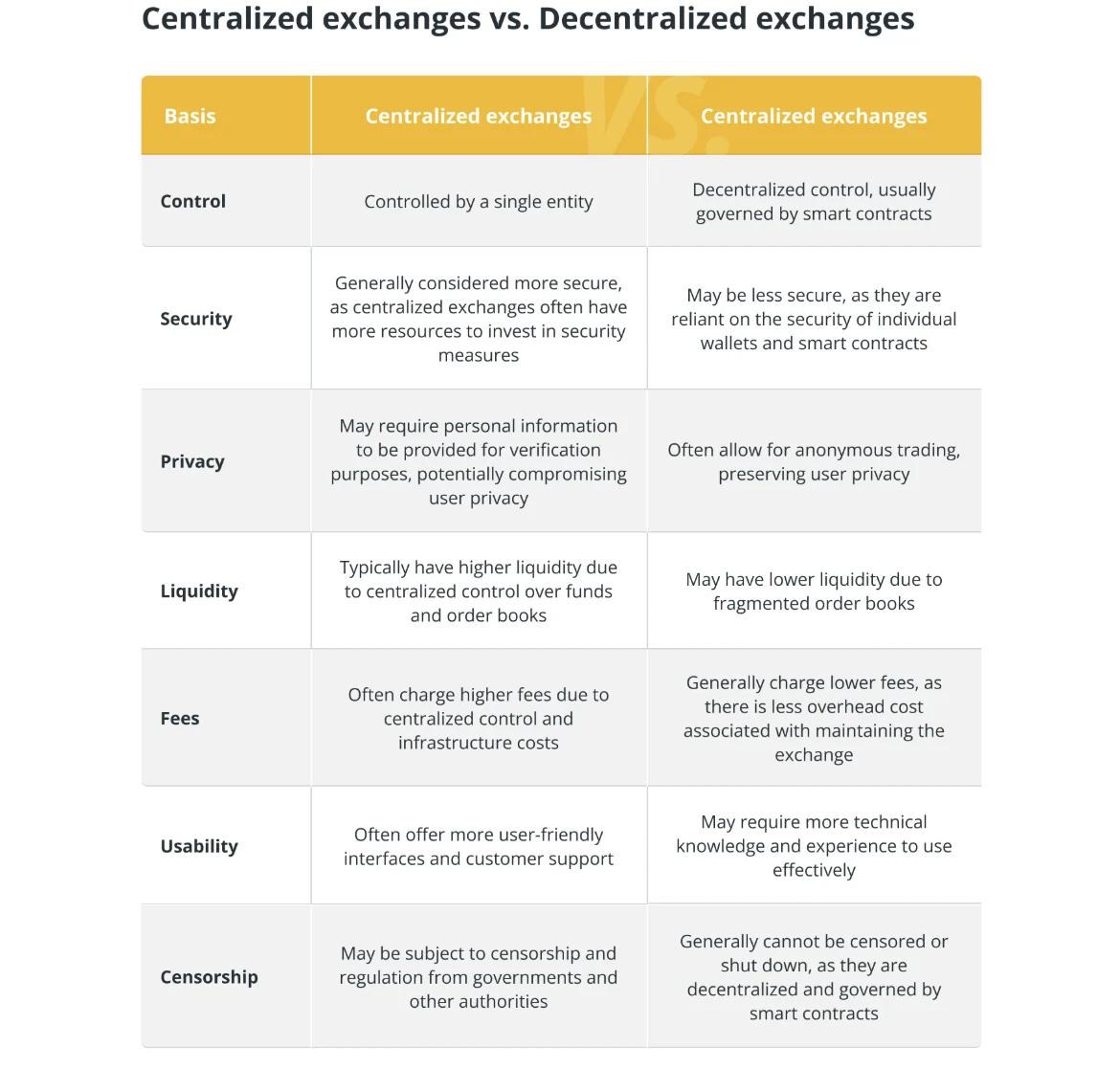
Fidelity Investments, the third-largest asset manager in the United States, has formally petitioned the Securities and Exchange Commission (SEC) to accelerate the development of a robust regulatory framework allowing broker-dealers to offer, custody, and trade crypto assets through alternative trading systems (ATS). In a detailed letter submitted on Friday to the regulator’s Crypto Task Force, the financial services giant emphasized that the current lack of clear "rules of the road" is hindering the evolution of the digital asset market and the integration of blockchain technology into traditional finance. The correspondence comes as a response to a call for public comments initiated by the SEC earlier this month, signaling a pivotal moment in the ongoing dialogue between Wall Street institutions and federal regulators regarding the future of tokenization.
Fidelity’s advocacy for a more structured regulatory environment is centered on the belief that tokenized securities represent the next major evolution in capital markets. By converting rights to an asset into a digital token on a blockchain, financial institutions aim to increase liquidity, reduce settlement times, and lower operational costs. However, Fidelity argued that for these benefits to be fully realized, the SEC must provide a comprehensive framework that addresses the unique issuance structures, legalities, and valuation models inherent in tokenized instruments. The firm specifically highlighted the need for guidance regarding tokenized securities issued by third parties, which would allow broker-dealers to facilitate a broader secondary market for these assets.
The Evolution of the Regulatory Environment and Fidelity’s Positioning
The submission of this letter marks a significant milestone in Fidelity’s decade-long journey into the digital asset space. Unlike many of its peers who remained cautious during the early years of cryptocurrency, Fidelity began exploring Bitcoin mining and blockchain technology as early as 2014. In 2018, the firm launched Fidelity Digital Assets, a dedicated subsidiary focused on providing enterprise-grade custody and execution services for institutional investors. Since then, the firm has been a vocal proponent of bridging the gap between legacy financial systems and distributed ledger technology (DLT).
The timing of the letter is equally significant, coinciding with a perceived shift in the SEC’s internal philosophy. Under the leadership of Chairman Paul Atkins, the commission has moved toward a more collaborative approach with the private sector. Atkins has repeatedly signaled his support for "24/7 capital markets," suggesting that the traditional "T+1" or "T+2" settlement cycles are increasingly obsolete in a world of instantaneous digital transfers. The SEC has recently granted approval for several financial companies to begin experimental pilot programs for tokenized trading, including a pilot project with Nasdaq. Fidelity’s letter seeks to move beyond these isolated experiments toward a permanent, scalable regulatory infrastructure.
Understanding the Complexity of Tokenized Real-World Assets
A primary focus of Fidelity’s communication is the diverse nature of Real-World Asset (RWA) tokenization. Unlike standardized cryptocurrencies like Bitcoin, tokenized RWAs can represent a vast array of underlying asset classes, including corporate equities, real estate, government bonds, and private credit. Each of these classes carries different legal protections, cash flow structures, and regulatory requirements.

Fidelity’s General Counsel, Roberto Braceras, noted in the letter that tokenization models vary significantly in their structure and the specific rights they afford to holders. In some instances, a crypto asset represents a holder’s indirect interest in an underlying security through a "securities entitlement." In other, more complex models, the token might technically constitute a "securities-based swap." The latter category is subject to stringent regulations and may only be offered to "eligible contract participants," such as institutional investors or high-net-worth individuals. Fidelity argues that without clear definitions from the SEC distinguishing these structures, market participants face "unacceptable legal uncertainty" that stifles innovation.
The asset manager further recommended that the SEC issue formal guidance permitting broker-dealers to use DLT not just for trading, but for essential recordkeeping and ATS operations. By allowing blockchain-based ledgers to serve as the "books and records" of a firm, the SEC would eliminate the need for redundant, paper-based, or legacy database systems, thereby removing what Fidelity describes as an "undue burden" on the industry.
Bridging the Gap Between Centralized and Decentralized Finance
One of the more progressive elements of Fidelity’s proposal is the call for the SEC to consider how "intermediated" (centralized) and "disintermediated" (decentralized) trading venues can evolve and coexist. In the current regulatory paradigm, the SEC requires trading platforms to act as central authorities responsible for reporting, surveillance, and investor protection. However, Decentralized Finance (DeFi) protocols operate via autonomous smart contracts, meaning there is often no central entity capable of producing the detailed financial reporting traditionally required by the SEC.
Fidelity urged the commission to overhaul existing reporting rules to reflect this technological reality. The firm argued that applying legacy reporting requirements to decentralized systems is effectively a "death sentence" for such protocols, as they are technically incapable of compliance in their current form. Instead, Fidelity suggests a regulatory evolution where the transparency of the blockchain itself—where every transaction is recorded on a public or semi-public ledger—is recognized as a viable alternative to traditional reporting. This approach would allow the SEC to maintain oversight while permitting the growth of disintermediated systems that offer users greater control over their assets.
A Unified Stance Among US Banking Regulators
Fidelity’s push for clarity is supported by a broader movement within the US government to define the boundaries of the digital asset market. In March 2026, a joint policy statement was published by the Federal Reserve, the Federal Deposit Insurance Corporation (FDIC), and the Office of the Comptroller of the Currency (OCC). This statement clarified that tokenized securities are subject to the same banking capital requirements as the underlying assets they represent.
The regulators emphasized a "technology-neutral" approach, stating that "the technologies used to issue and transact in a security do not generally impact its capital treatment." This means that if a bank holds a tokenized version of a US Treasury bond, that asset is treated the same for capital adequacy purposes as a traditional paper or electronic bond. For institutional players like Fidelity, this consistency is vital. It ensures that the transition to blockchain-based infrastructure does not result in punitive capital charges, which would otherwise discourage banks and broker-dealers from adopting the technology.

Chronology of Recent Regulatory Milestones
The current dialogue is the result of a series of events over the past year that have accelerated the institutionalization of crypto:
- Late 2025: The SEC Crypto Task Force is revitalized under Chairman Paul Atkins with a mandate to modernize ATS rules for digital assets.
- January 2026: Several major US banks receive "no-action" letters from the SEC, allowing them to experiment with internal DLT networks for cross-border settlements.
- February 2026: The SEC approves a pilot program for Nasdaq to trade tokenized shares of private companies, testing the viability of 24/7 markets.
- March 2026: The Fed, FDIC, and OCC issue their joint statement on the capital treatment of tokenized assets, providing the "green light" for bank-intermediated tokenization.
- March 15, 2026: The SEC opens a formal comment period for the industry to provide input on the "regulatory framework for the future of capital markets."
- March 20, 2026: Fidelity Investments submits its comprehensive letter, advocating for a holistic overhaul of ATS and DeFi regulations.
Analysis of Market Implications and the Road Ahead
If the SEC adopts the recommendations laid out by Fidelity, the implications for the financial industry would be profound. First, it would likely lead to a surge in the "on-chain" migration of traditional financial products. Industry analysts estimate that the market for tokenized real-world assets could reach $16 trillion by 2030. By allowing broker-dealers to custody and trade these assets on an ATS, the SEC would be providing the plumbing necessary for this massive capital inflow.
Second, a clear framework would facilitate the entry of more retail investors into private markets. Currently, assets like private equity or commercial real estate are often inaccessible to the average investor due to high entry costs and lack of liquidity. Tokenization, supported by a regulated ATS, could fractionalize these assets, allowing for smaller investment increments and a liquid secondary market where investors can exit their positions more easily.
However, the path forward remains fraught with challenges. The SEC must balance the desire for innovation with its primary mission of investor protection. While Chairman Atkins is viewed as "crypto-friendly," the commission still faces pressure from consumer advocacy groups who worry that loosening reporting requirements for DeFi could open the door to fraud and market manipulation. Furthermore, the technical challenge of integrating legacy systems with various blockchain protocols (Ethereum, Solana, and private ledgers) requires a level of standardization that the industry has yet to achieve.
Fidelity’s letter serves as a clarion call for the US to maintain its competitive edge in the global financial landscape. As other jurisdictions, such as the European Union with its MiCA (Markets in Crypto-Assets) regulation and Singapore with its Project Guardian, move to establish clear digital asset laws, the pressure on the US SEC to provide a definitive framework has never been higher. For Fidelity and its trillions of dollars in assets under management, the message is clear: the technology is ready, the market demand is present, and the only thing missing is the regulatory certainty to move forward.