Nila Kartika Wati
Today in the dynamic world of cryptocurrency, several pivotal developments have collectively signaled a complex and evolving landscape for digital assets. US-listed spot Bitcoin exchange-traded funds (ETFs) have attracted their largest inflows in nearly eight months, underscoring resurgent institutional and retail interest in the flagship cryptocurrency. Concurrently, the International Monetary Fund (IMF) has provided a crucial clarification regarding El Salvador’s post-review Bitcoin accumulation, stating that no public funds were utilized and that majority control of its Chivo wallet has been transferred to a private operator. Adding to the week’s significant news, Kraken parent company Payward has announced a strategic partnership with SoFi, aiming to broaden its reach in stablecoin, settlement, and institutional trading. Perhaps the most impactful development for the US regulatory environment is the National Sheriffs’ Association’s decision to drop its opposition to the CLARITY Act, a move that could significantly streamline the path for crucial crypto market structure legislation through the Senate.
A Pivotal Shift in US Crypto Regulation: Sheriffs Drop Opposition to CLARITY Act
The National Sheriffs’ Association (NSA), a powerful voice in US law enforcement, has made a remarkable and potentially game-changing decision: it has formally withdrawn its opposition to the CLARITY Act, a landmark bill designed to establish a comprehensive regulatory framework for digital assets. This shift to a "neutral" stance, communicated in a letter to Senate leaders, removes a significant hurdle that had previously stalled the progression of the critical crypto market structure legislation. The timing is particularly noteworthy, preceding a crucial Senate vote scheduled for September 15th, for which Senate Majority Leader John Thune has already filed for a cloture vote.
For months, the CLARITY Act (Cryptocurrency Legal Application and Regulatory Innovation Act) has been at the forefront of legislative efforts to bring regulatory certainty to the burgeoning US crypto industry. Proposed as a bipartisan solution, the bill aims to delineate the roles of the Securities and Exchange Commission (SEC) and the Commodity Futures Trading Commission (CFTC) in overseeing digital assets, clarify what constitutes a security versus a commodity in the crypto space, and establish guidelines for stablecoins and other tokenized assets. The lack of a clear regulatory framework has long been cited by industry leaders as a major impediment to innovation and institutional adoption within the United States, pushing some businesses offshore.
The NSA’s previous opposition had been a formidable obstacle. The group had vehemently argued that certain provisions within the bill, particularly those potentially exempting some crypto mixers from stringent registration requirements, would severely hamper law enforcement’s ability to trace illicit transactions and recover stolen funds. Crypto mixers, while offering privacy benefits, have also been exploited by criminals for money laundering, making them a point of contention for law enforcement agencies. In a stark warning issued earlier in the year, one sheriff had critically asserted that the legislation appeared to protect "the crypto industry, not the public," encapsulating the deep-seated concerns about potential loopholes for illicit activities. This stance resonated widely among law enforcement communities and provided a powerful argument for those advocating for more stringent oversight.
The reversal marks a significant strategic victory for proponents of the CLARITY Act. The NSA cited "work by Congress, the Trump administration, and other stakeholders" in addressing their previously articulated legal and enforcement concerns. While the specific concessions or amendments that led to this change of heart have not been fully detailed, it suggests a collaborative effort to bridge the gap between industry needs for regulatory clarity and law enforcement’s imperative for effective crime prevention and prosecution. By shifting to neutral, the association stated it would "step back" and allow lawmakers to proceed with establishing a much-needed regulatory framework for digital assets.
Legislative Journey and Broader Implications
The journey of the CLARITY Act through Congress has been protracted and fraught with challenges. The House of Representatives successfully passed the bill in July 2025, a testament to growing bipartisan recognition of the need for comprehensive crypto regulation. However, its path in the Senate has been considerably rockier. The bill faced various disputes, including complex issues surrounding stablecoin rewards, the classification and regulation of tokenized equities, and even potential conflicts of interest involving President Trump’s family, which added layers of political complexity to an already intricate piece of legislation.
The imminent cloture vote on September 15th, filed by Senate Majority Leader John Thune, signifies a critical juncture. A successful cloture vote would effectively limit debate on the bill and pave the way for a final vote, dramatically increasing its chances of passage. The removal of the NSA’s opposition, a key voice in the law enforcement community, is expected to provide significant momentum, potentially swaying undecided senators who might have previously harbored concerns about the bill’s impact on national security and crime fighting.
Should the CLARITY Act pass, its implications would be far-reaching. It would provide much-needed legal certainty for cryptocurrency businesses operating in the US, potentially encouraging greater investment, innovation, and job creation within the digital asset sector. It could also clarify jurisdictional boundaries between the SEC and CFTC, reducing the "regulation by enforcement" approach that has drawn criticism from the industry. However, even if Congress fails to pass the legislation, both the SEC and CFTC have signaled their intention to move forward with parts of crypto regulation under their existing authorities, highlighting the inescapable need for clearer guidelines in this rapidly evolving financial frontier. The passage of the CLARITY Act would represent a proactive, legislative approach, providing a more stable and predictable environment compared to fragmented agency actions.
Bitcoin ETFs Witness Massive Inflows, BTC Reclaims $80K
In parallel to the shifting regulatory landscape, the cryptocurrency market itself has shown robust signs of renewed investor confidence. US-listed spot Bitcoin exchange-traded funds (ETFs) recorded their largest daily inflows in nearly eight months, a strong indicator of sustained institutional and retail demand for Bitcoin. On Thursday, these ETFs collectively notched an impressive $730.9 million in net inflows, according to data from SoSoValue. This figure represents the largest daily haul since January 14th, when the funds attracted an even higher $843.6 million shortly after their historic launch.
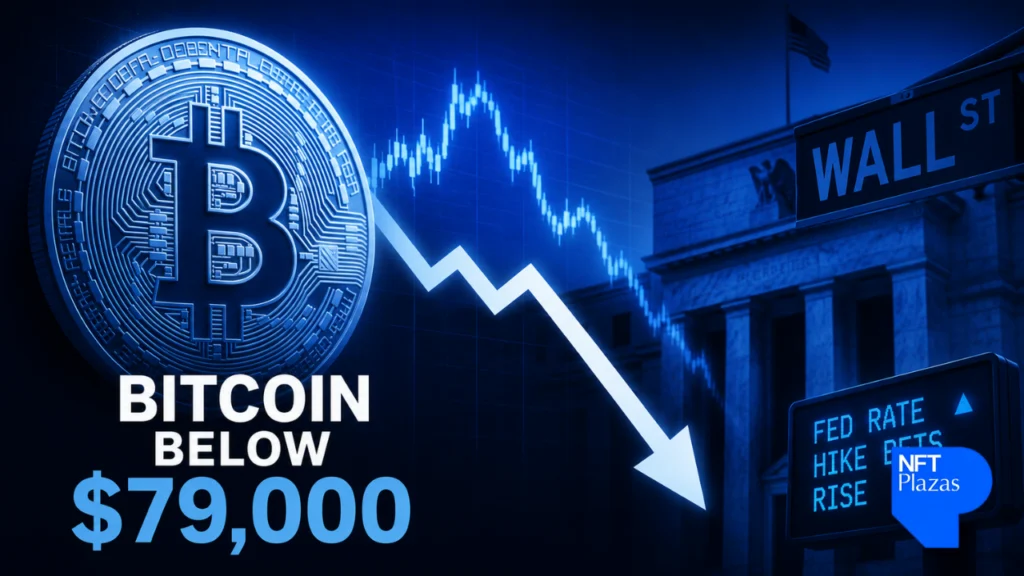
The surge in inflows follows a respectable $101.2 million in inflows recorded just the day prior, on Wednesday. This consistent buying pressure coincided with Bitcoin’s price reclaiming the significant $80,000 level. Throughout the week, Bitcoin had been trading within a relatively tight range, oscillating between approximately $76,000 and $81,000. The breach above $80,000, supported by substantial ETF demand, suggests a renewed bullish sentiment in the market. As of current market analysis, Bitcoin’s price performance reflects a positive trajectory, validating the optimism surrounding ETF products.
The introduction of spot Bitcoin ETFs in the US in January 2024 marked a watershed moment for the cryptocurrency industry. Prior to their approval by the SEC, institutional investors and traditional financial advisors faced significant hurdles in gaining direct exposure to Bitcoin, often relying on less direct methods such as futures-based ETFs or private trusts. Spot ETFs, which directly hold Bitcoin as their underlying asset, offer a regulated, accessible, and familiar investment vehicle for a broader spectrum of investors, integrating Bitcoin more seamlessly into conventional financial portfolios. Their launch was widely anticipated to bring trillions of dollars in new capital into the crypto market, and the recent inflow figures suggest this promise is gradually materializing.
Despite the undeniably positive trend in ETF inflows and Bitcoin’s price rebound, some market analysts maintain a cautious outlook. CryptoQuant, a prominent on-chain analytics firm, expressed reservation about the sustainability of Bitcoin’s rally. Their analysis points to "weaker spot demand" when excluding ETF flows and highlights "heavy short covering" as a significant factor in the recent price movement. Short covering occurs when traders who have bet against Bitcoin’s price are forced to buy back the asset to close their positions as the price rises, which can artificially inflate buying pressure. CryptoQuant also identified $83,000 as a key "bull market threshold," suggesting that a sustained break above this level, supported by genuine organic spot demand, would be necessary to confirm a robust, long-term bullish trend. The caution underscores the complexity of crypto market dynamics, where various factors interact to influence price action beyond just institutional inflows.
El Salvador’s Bitcoin Accumulation: IMF Clarification and Chivo Wallet Shift
El Salvador, the pioneering nation that adopted Bitcoin as legal tender in September 2021, has received a crucial clarification from the International Monetary Fund (IMF) regarding its controversial Bitcoin accumulation strategy. The IMF confirmed that El Salvador utilized "no public resources" to acquire Bitcoin after the first review of its Extended Fund Facility (EFF) financing program in June 2025. This statement addresses lingering concerns and questions about the transparency and funding sources of the country’s Bitcoin purchases, particularly in the context of its ongoing negotiations for a $1.4 billion loan program with the international lender.
In a Thursday statement, the IMF detailed that documents provided by Salvadoran authorities verified that the post-review accumulation of Bitcoin came exclusively from "private donations." Consequently, the IMF concluded that the reported increase in El Salvador’s Bitcoin holdings did not reflect additional purchases financed with government resources. This distinction is vital for the IMF, which has consistently raised concerns about the financial risks associated with El Salvador’s Bitcoin experiment, including potential impacts on fiscal sustainability, financial stability, and anti-money laundering/combating the financing of terrorism (AML/CFT) frameworks. The IMF also explicitly stated that no further accumulation beyond these documented private donations is expected, signaling a clearer understanding and potentially a more stable approach from the Salvadoran government regarding its Bitcoin reserves.
Further significant news from the IMF statement pertains to the Chivo wallet, El Salvador’s state-backed digital wallet designed to facilitate Bitcoin and dollar transactions. The IMF confirmed that "majority ownership and operational control" of the Chivo wallet have been transferred to a private operator. While the government retains a minority stake and custodial responsibilities, this move aims to de-risk the wallet from direct state operational liabilities and potentially improve its efficiency and security through private sector expertise. The Chivo wallet has been a cornerstone of El Salvador’s Bitcoin adoption strategy, intended to boost financial inclusion and reduce remittance costs. However, it has faced criticism regarding its stability, security, and the use of public funds for its development and promotion.
Background and Implications of El Salvador’s Bitcoin Strategy
El Salvador’s "Bitcoin Law," enacted in September 2021 under President Nayib Bukele, made the cryptocurrency legal tender alongside the US dollar. This bold move was aimed at attracting foreign investment, boosting tourism, and reducing the cost of remittances, which constitute a significant portion of the country’s GDP. Since then, the government has regularly announced Bitcoin purchases, often tied to price dips, accumulating a substantial reserve. This strategy, however, immediately drew scrutiny from international financial bodies like the IMF and the World Bank, which cautioned against the volatility of Bitcoin and its potential to introduce systemic financial risks.
The explanation provided by the IMF directly addresses a specific controversy that arose in November 2025. At that time, El Salvador announced it had acquired an additional 1,090 BTC, valued at approximately $100 million. This acquisition immediately renewed questions about the source of funds and its compliance with the terms of the ongoing negotiations for its $1.4 billion IMF program. The IMF’s lending programs typically come with strict conditions regarding fiscal management, transparency, and economic stability, making the use of public funds for volatile asset purchases a contentious issue. The clarification that these particular purchases were funded by private donations, rather than government coffers, offers a degree of reassurance to the IMF and may help to smooth the path for future loan disbursements or continued cooperation.
While the IMF’s statement provides a level of clarity and potentially eases tensions in El Salvador’s relationship with the fund, the broader implications of its Bitcoin strategy remain under scrutiny. The shift of Chivo wallet control to a private operator could enhance operational efficiency and reduce the government’s direct exposure to its performance issues. However, questions about the long-term economic benefits, the effectiveness of Bitcoin adoption among the general populace, and the potential for regulatory arbitrage still persist. For other nations contemplating similar sovereign Bitcoin adoptions, El Salvador’s ongoing experience, now with clearer IMF guidelines on funding, offers both a cautionary tale and a blueprint for navigating the complexities of integrating cryptocurrencies into national economies.
Broader Market Context and Future Outlook
The convergence of these distinct yet interconnected developments highlights the ongoing maturation and increasing institutionalization of the cryptocurrency market. The National Sheriffs’ Association’s shift on the CLARITY Act underscores a growing willingness among US policymakers and stakeholders to engage constructively with the crypto industry to craft sensible regulations. This legislative progress, if successful, could unlock significant capital and innovation within the US.
Simultaneously, the robust inflows into spot Bitcoin ETFs validate the mainstream appeal and growing acceptance of Bitcoin as a legitimate asset class, drawing in capital from traditional financial sectors. While caution remains prudent in a volatile market, the trend suggests a deeper integration of digital assets into global financial systems.
Lastly, the IMF’s clarification regarding El Salvador’s Bitcoin funding, coupled with the Chivo wallet’s operational shift, indicates an evolving dialogue between sovereign nations experimenting with cryptocurrencies and established international financial institutions. This development suggests a pathway for countries to engage with digital assets while potentially mitigating some of the financial stability concerns raised by global bodies, provided there is transparency and adherence to international best practices.
Collectively, these events paint a picture of a cryptocurrency ecosystem that is rapidly moving beyond its nascent stages, grappling with complex regulatory challenges, attracting significant institutional capital, and redefining its relationship with traditional finance and sovereign states. The coming months, particularly with key legislative votes and continued market dynamics, will undoubtedly shape the future trajectory of this transformative technology.