
 admin
admin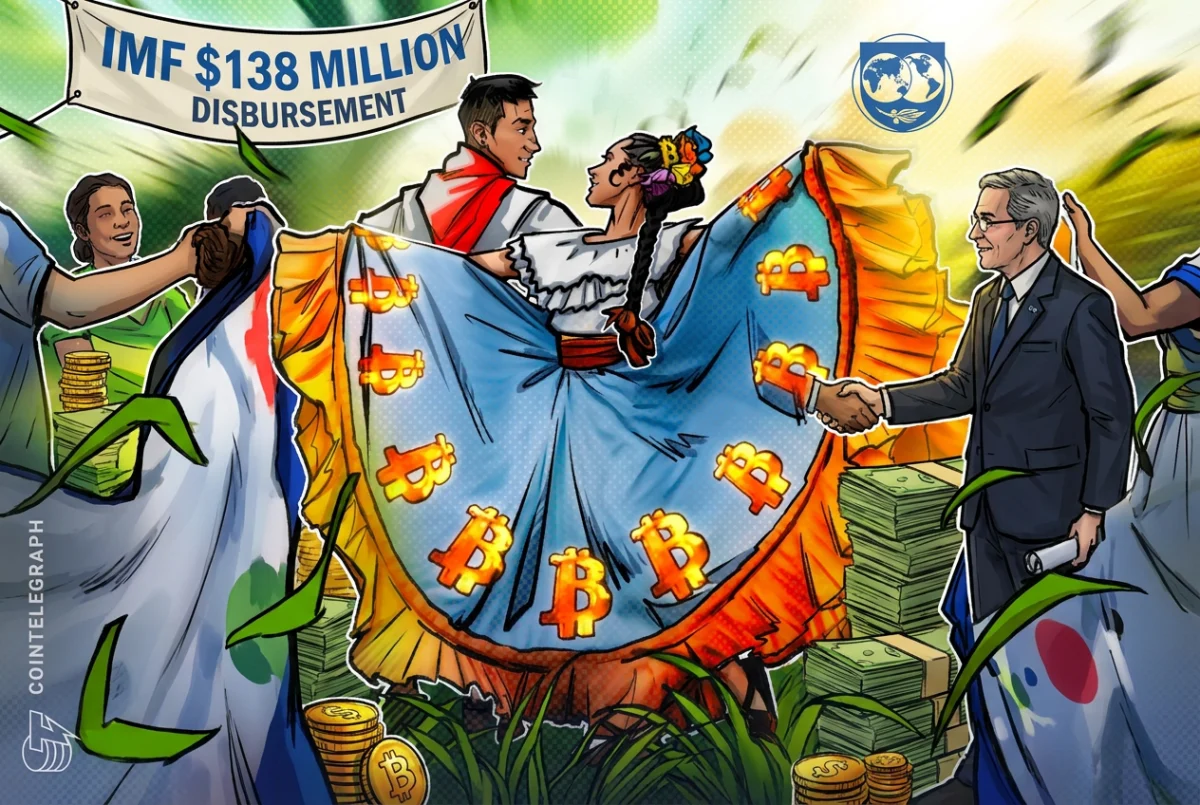
The International Monetary Fund (IMF) has officially authorized the immediate release of approximately $138 million to El Salvador, marking a significant milestone in the Central American nation’s ongoing $1.4 billion financing program. This decision followed the conclusion of the second and third reviews under the country’s 40-month Extended Fund Facility (EFF) arrangement. While the Salvadoran government failed to meet certain performance criteria, particularly concerning its controversial Bitcoin accumulation strategy, the IMF’s Executive Board granted the necessary waivers. These waivers were issued based on what the lender described as "strong corrective measures" and a series of "renewed commitments" from the administration of President Nayib Bukele.
The approval represents a critical moment in the complex relationship between the global lender and the first nation to adopt Bitcoin as legal tender. The disbursement aims to bolster El Salvador’s economic stability while ensuring that the government adheres to a strict roadmap of fiscal transparency and financial sector reform. According to the IMF’s official communication, the reviews focused heavily on the nation’s progress in anti-money laundering (AML), combating the financing of terrorism (CFT), and the governance of digital assets.
The Evolution of the Extended Fund Facility Program
The 40-month Extended Fund Facility was established to provide El Salvador with a structured pathway toward economic resilience. With a total valuation of $1.4 billion, the program is designed to support the country’s balance of payments and provide the fiscal space necessary for structural reforms. The completion of the second and third reviews indicates that, despite the high-profile friction regarding cryptocurrency, the underlying economic indicators and policy shifts have met the IMF’s minimum requirements for continued support.
An EFF is typically utilized by the IMF to assist countries facing serious medium-term balance of payments problems because of structural weaknesses that require time to address. For El Salvador, these weaknesses have historically included a high debt-to-GDP ratio, limited access to international capital markets, and a need for comprehensive tax and pension reforms. The recent reviews suggest that the Salvadoran authorities have demonstrated sufficient progress in these areas to justify the $138 million disbursement.
Bitcoin Accumulation and the Waiver Process
The most significant point of contention throughout the review process remained El Salvador’s Bitcoin policy. Under the initial terms of the financing agreement, the IMF had expressed deep-seated concerns regarding the fiscal risks and consumer protection issues associated with the 2021 Bitcoin Law. During the recent reviews, it was confirmed that El Salvador had missed specific performance criteria related to the accumulation of the digital asset.
However, the IMF Executive Board opted to grant waivers for these lapses. The justification for these waivers centered on the government’s transparency regarding how recent acquisitions were funded. In September 2024, reports surfaced indicating that El Salvador’s Bitcoin holdings had increased without the use of public resources. Subsequent documentation provided by Salvadoran authorities to the IMF verified that the growth in the state’s crypto-portfolio was the result of private donations rather than taxpayer-funded purchases.
This distinction was vital for the IMF. The lender noted that as long as public funds were not being diverted into volatile digital assets, the immediate fiscal risk to the national budget was mitigated. Nevertheless, the IMF remains firm in its stance that further Bitcoin accumulation should not occur beyond documented donations. The government has reportedly committed to a "no further accumulation" policy as a condition for the continued disbursement of the EFF funds.
Structural Reforms and the Chivo Wallet Transition
A cornerstone of the "corrective measures" cited by the IMF involves the restructuring of the Chivo wallet, the state-sponsored cryptocurrency application. Since its launch, the Chivo wallet has been a focal point of criticism regarding its lack of transparency and its role in the national economy. To address these concerns, the Salvadoran government has transferred majority ownership and operational control of the Chivo wallet to a private operator.
Under this new arrangement, the state retains only a minority stake and maintains custodial responsibilities, effectively distancing the public treasury from the daily operational risks of the platform. The IMF highlighted this transfer as a major step forward in reducing the state’s direct involvement in Bitcoin-related activities.
Furthermore, the government has pledged to strengthen the regulation and governance of crypto-assets. This includes:
- Enhancing transparency regarding public-sector crypto-asset holdings.
- Implementing more rigorous AML/CFT protocols specifically tailored to digital asset service providers.
- Improving the oversight of the National Bitcoin Office (ONBTC).
Timeline of Key Economic Events
The relationship between El Salvador and the IMF regarding the EFF has been characterized by several pivotal moments:
- September 2021: El Salvador becomes the first country to adopt Bitcoin as legal tender, prompting immediate warnings from the IMF regarding financial stability and legal risks.
- June 2025: The IMF completes the first review of the financing program. At this stage, the lender notes that no public resources were used for Bitcoin accumulation following the start of the program.
- September 2025: Salvadoran authorities supply documents to the IMF verifying that increases in Bitcoin holdings were sourced from private donations.
- November 2025: Questions arise regarding a specific acquisition of 1,090 BTC, valued at approximately $100 million. This event renewed concerns about compliance with the $1.4 billion program and necessitated deeper scrutiny during the second and third reviews.
- October 2026: The IMF Executive Board completes the second and third reviews, granting waivers and approving the $138 million disbursement.
Fiscal Transparency and Financial Sector Improvements
Beyond the digital asset narrative, the IMF’s review praised El Salvador for its broader financial sector reforms. The agency noted that the country has made strides in improving fiscal transparency, a move that is essential for regaining the trust of international investors. These improvements include more frequent and detailed reporting of government expenditures and a commitment to modernizing the nation’s tax administration.
The financial sector has also seen a tightening of AML/CFT frameworks. By aligning its domestic regulations with international standards, El Salvador aims to ensure that its banking system remains integrated with the global financial network. This is particularly important for a dollarized economy that relies heavily on remittances and international trade.
The IMF noted that the "renewed commitments" from the Salvadoran leadership include a pledge to maintain a sustainable fiscal path. This involves managing the country’s debt obligations and ensuring that social spending is prioritized within the constraints of the budget.
Broader Implications and Economic Analysis
The IMF’s decision to move forward with the disbursement, despite the Bitcoin-related waivers, suggests a pragmatic shift in how the international community engages with "crypto-pioneer" nations. Rather than demanding a total reversal of the Bitcoin Law—which President Bukele has indicated is non-negotiable—the IMF appears to be focusing on containment, transparency, and the separation of public funds from speculative assets.
For El Salvador, the $138 million provides essential liquidity. The country has significant debt maturities approaching, and the IMF’s "seal of approval" is often a prerequisite for accessing other forms of multilateral and bilateral credit. By complying with the IMF’s demands for privatization and transparency, the Bukele administration is attempting to balance its domestic "Bitcoin City" vision with the cold realities of international finance.
However, the "no further accumulation" clause represents a significant constraint. If the government is unable to use public funds to buy Bitcoin, the growth of its sovereign crypto-reserve will depend entirely on private donations and mining activities (such as those powered by volcanic energy). This effectively caps the state’s exposure to Bitcoin volatility, which is exactly what the IMF intended to achieve.
Official Statements and Reactions
While the Salvadoran government has not issued an extensive formal response to the specific details of the waivers, the administration has historically maintained that Bitcoin adoption is a matter of sovereign right and economic innovation. Proponents of the policy in San Salvador argue that the IMF’s eventual approval of the reviews validates the government’s ability to manage a dual-currency system (USD and BTC) without collapsing the economy.
The IMF’s Executive Board, in its concluding remarks, emphasized that "efforts will continue to reduce the state’s involvement in Bitcoin-related activities." The agency’s tone remains one of cautious monitoring. The board stressed that the success of the EFF depends on the "steadfast implementation" of the agreed-upon reforms and the continued avoidance of using public funds for crypto-asset speculation.
Conclusion
The completion of the second and third reviews of El Salvador’s EFF program marks a truce of sorts between the traditional financial world and the burgeoning digital asset space. By releasing $138 million, the IMF has acknowledged El Salvador’s progress in conventional fiscal and financial reforms while imposing strict boundaries on its Bitcoin ambitions.
As the 40-month program continues, the global financial community will be watching closely to see if El Salvador can maintain this delicate balance. The privatization of the Chivo wallet and the commitment to transparency serve as the current benchmarks for success. For now, the disbursement provides a much-needed boost to El Salvador’s treasury, but the road ahead remains paved with rigorous oversight and the requirement for continued fiscal discipline.








