
 admin
admin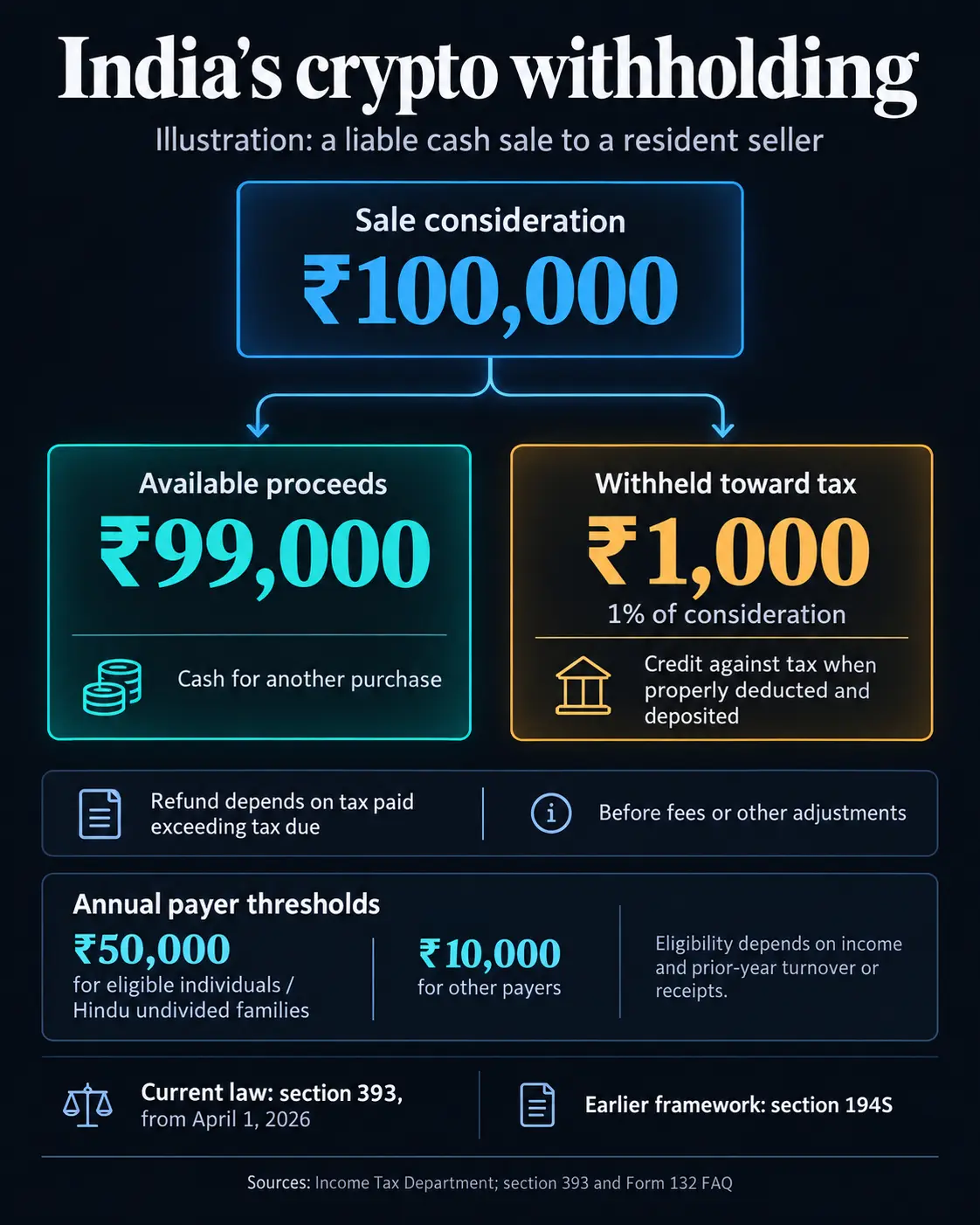
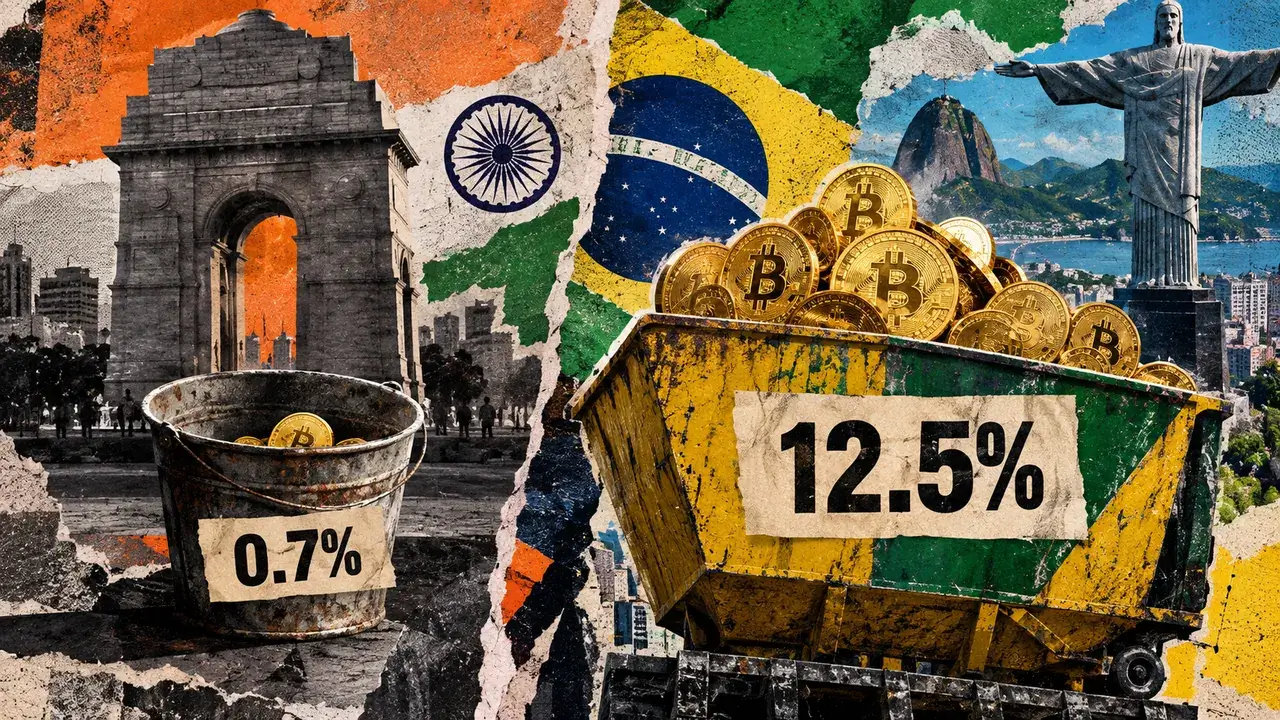
India’s cryptocurrency users are channeling a significant portion of their digital asset value to centralized exchanges, yet a recent report by blockchain analytics firm Chainalysis reveals a striking disparity: domestic Indian platforms are capturing a mere 0.7% of this exchange value. This stands in stark contrast to Brazil, where the report’s Latin America chapter indicates that Brazil-based exchanges are receiving 12.5% of inflows. This divergence highlights a crucial distinction in the crypto landscape: the volume of activity associated with a country versus the market share captured by its homegrown platforms. The implications of this significant outflow from Indian users to foreign exchanges are multifaceted, potentially impacting regulatory oversight, capital availability for local innovation, and the overall development of India’s digital asset ecosystem.
The findings, published in Chainalysis’s Central and Southeast Asia, Oceania, and Latin America regional reports, offer a granular look at crypto adoption trends. While the main annual reporting window for Chainalysis’s overarching Global Crypto Adoption Index typically spans from July of one year to June of the next, the specific timeframe for these regional share observations remains somewhat fluid, with the reports referencing activity concluding before October of the current year. Nevertheless, the data presented paints a compelling picture of user behavior and platform reception.
Vast Inflows, Miniscule Domestic Share: The Indian Crypto Paradox
Chainalysis data attributes a staggering $88.4 billion in centralized exchange inflows to users based in India during the aforementioned annual period. This substantial figure firmly positions India as the largest market for such activity within the Central and Southeast Asia and Oceania region. However, the critical insight lies in where this capital is ultimately landing. The Indian chapter of the report details a dramatic fall in the share of exchange value received by domestic platforms, plummeting from approximately 7% to a mere 0.7%. This sharp decline appears to have occurred around mid-2022, a period that coincided with evolving regulatory sentiment and tax policies in India.
In contrast, Brazil’s crypto journey, as detailed in its respective chapter, shows a more robust growth trajectory for its domestic exchanges. Previously receiving 1.5% of inflows, Brazilian platforms have now seen their share surge to 12.5%. This significant increase suggests a more favorable environment for local players or a greater propensity for Brazilian users to engage with their national crypto infrastructure.
It is crucial to understand that these percentages represent the received value within Chainalysis’s exchange analysis. This metric focuses on the initial inflow of assets onto an exchange. Other vital indicators of a platform’s success, such as executed trades, generated revenue, and customer acquisition numbers, provide a more comprehensive view of operational activity. The amount of capital entering an exchange can directly fuel subsequent trading, meaning that initial inflows and the internal economic activity are distinct but interconnected phenomena. The report also notes that the precise composition of the platform sample analyzed may have varied, making direct year-on-year comparisons require careful consideration of these methodological nuances.
The Impact of Withholding Tax: A Significant Friction Point
A significant contributing factor to the outflow of Indian crypto users to foreign exchanges appears to be the nation’s fiscal policy, specifically the 1% withholding tax on virtual digital asset (VDA) transfers. Introduced as part of India’s budget for the fiscal year 2022-23, this tax, codified under Section 394A of the Income Tax Act, mandates that any consideration paid for the transfer of a VDA to a resident is subject to a 1% deduction at source. This deduction is triggered at the earlier of the credit or payment of the consideration.
The mechanics of this withholding tax have a direct impact on the liquidity available for further trading. For instance, in a cash sale of cryptocurrency valued at ₹100,000, a 1% deduction means that ₹1,000 is withheld towards potential tax liability. This withheld amount, even if it is eventually settled against the final tax due, is not immediately available for the seller to reinvest or utilize for subsequent transactions. This reduction in readily accessible capital can create a significant barrier for active traders and investors seeking to maximize their trading opportunities.
The implications of this are compounded by the fact that each subsequent taxable sale can trigger another deduction, further reducing the available proceeds. While the ultimate tax liability is determined through the annual tax assessment, the immediate impact of these deductions is a reduction in the cash flow available for trading.
The Income Tax Act does provide certain exemptions and thresholds to mitigate the impact of this tax. For eligible individuals and Hindu Undivided Families (HUFs) without business or professional income, the threshold for aggregate consideration in a tax year is ₹50,000. For others, including those with business turnover exceeding ₹1 crore or professional receipts exceeding ₹50 lakh in the prior year, the limit is ₹10,000. However, the applicability of these limits depends on the specific circumstances of the payer, necessitating careful assessment before the general 1% rate is applied.
The responsibility for deducting this tax falls on the "responsible payer," which can include buyers in direct transactions or exchanges in relevant settlement scenarios. The Income Tax Department has provided guidance on these responsibilities, clarifying that the deductee can claim credit for the Tax Deducted at Source (TDS) when filing their income tax return. If the total TDS exceeds the actual tax liability, a refund can be claimed through the return.
However, the timeline for claiming this credit and receiving a refund can be a significant hurdle for active crypto traders. The credit for TDS is typically applied against the relevant tax period, and there is no fixed waiting time for refunds. This discrepancy between the immediate reduction in trading capital due to withholding and the delayed realization of tax credits or refunds creates a friction point that incentivizes users to seek platforms where such deductions are not immediately imposed.
Operator Explanations and Competitive Pressures
Industry insiders have pointed to these tax-related frictions as a key driver for Indian crypto users opting for offshore platforms. Ashish Singhal, co-founder of CoinSwitch, a prominent Indian crypto exchange, indicated to Chainalysis that foreign venues may not impose the same withholding tax obligations. This provides a competitive advantage to international exchanges, as they can offer a seemingly more seamless trading experience without the immediate capital reduction imposed by Indian regulations.
While foreign platforms may still be obligated to comply with Indian tax laws in certain scenarios, their lack of immediate deduction can be a powerful draw for users seeking to maximize their trading liquidity. The extent to which this tax friction has directly contributed to the reported decline in domestic platform market share remains an area that requires further quantitative analysis. It is also possible that some international platforms may voluntarily adhere to Indian tax reporting requirements, and a platform’s geographical location alone does not guarantee an exemption from such obligations. Nevertheless, Singhal’s explanation highlights a plausible competitive pressure that compliant domestic exchanges are facing.
The Role of Fiat On-Ramps and Local Payment Infrastructure
Beyond tax regulations, the ease of accessing and exiting the crypto market through fiat currency plays a crucial role in platform choice. Brazil’s success in growing its domestic exchange share has been partly attributed to its robust local payment infrastructure, particularly the Pix instant payment system. Mercado Bitcoin, a leading Brazilian exchange, highlights its integration with Pix, allowing customers to purchase cryptocurrency directly from their bank apps. This seamless integration of a familiar payment service with crypto access is a significant convenience factor.
In India, platforms operating domestically offer INR deposits through methods like UPI (Unified Payments Interface) and net banking. While these are widely used and convenient payment rails, the overall user experience and the range of supported methods can vary significantly between platforms. CoinSwitch, for instance, provides an explainer on buying crypto with INR, outlining the available deposit methods.
Interestingly, international exchanges are also increasingly integrating local payment methods to attract users in different regions. Binance, for example, offers a BRL (Brazilian Real) deposit guide that includes options for Pix and TED (Transferência Eletrônica Disponível) transfers, demonstrating how global players are leveraging local payment infrastructure to compete. This suggests that the availability of familiar payment routes is not exclusive to domestic platforms and can be a competitive tool for international venues as well.
Broader Implications and Future Outlook
Chainalysis attributes Brazil’s growing domestic exchange share to a combination of factors, including regulatory clarity, increased investment, and the development of stronger local offerings. Industry interviews also point to the growing use of stablecoins by corporations for liquidity management and cross-border transfers as a potential driver of demand, creating opportunities beyond traditional investment trading.
For India, the stark contrast between its massive crypto user base and the minimal share captured by domestic exchanges raises several important questions. The significant outflow of capital to foreign platforms could mean that a substantial portion of the economic activity generated by Indian crypto users is not directly benefiting local businesses and innovation. This could impact the growth of the Indian crypto industry, potentially limiting job creation and the development of indigenous blockchain solutions.
Furthermore, the regulatory oversight of transactions occurring on offshore exchanges can be more challenging for Indian authorities. While efforts are being made to track and regulate the crypto market, the movement of funds to platforms outside India’s jurisdiction can complicate compliance and enforcement efforts.
The divergence between India and Brazil serves as a critical case study for policymakers and industry stakeholders. For operators, understanding the destination of exchange inflows is a distinct and vital question from merely measuring national participation. The ability of domestic platforms to attract and retain users hinges on a complex interplay of factors, including regulatory certainty, competitive fee structures, robust technological infrastructure, and seamless integration with local payment systems.
As the global cryptocurrency market continues to evolve, the dynamics observed in Chainalysis’s reports underscore the importance of fostering an environment that supports the growth of domestic digital asset ecosystems. For India, addressing the tax friction and enhancing the attractiveness of local platforms will be crucial in ensuring that its significant crypto user base translates into robust growth for its own digital economy. The path forward will likely involve a delicate balance between regulatory oversight and the creation of an enabling environment for innovation and user engagement. The coming years will be critical in determining whether India can reverse this trend and bolster its domestic crypto infrastructure to better serve its burgeoning user base.








