
 admin
admin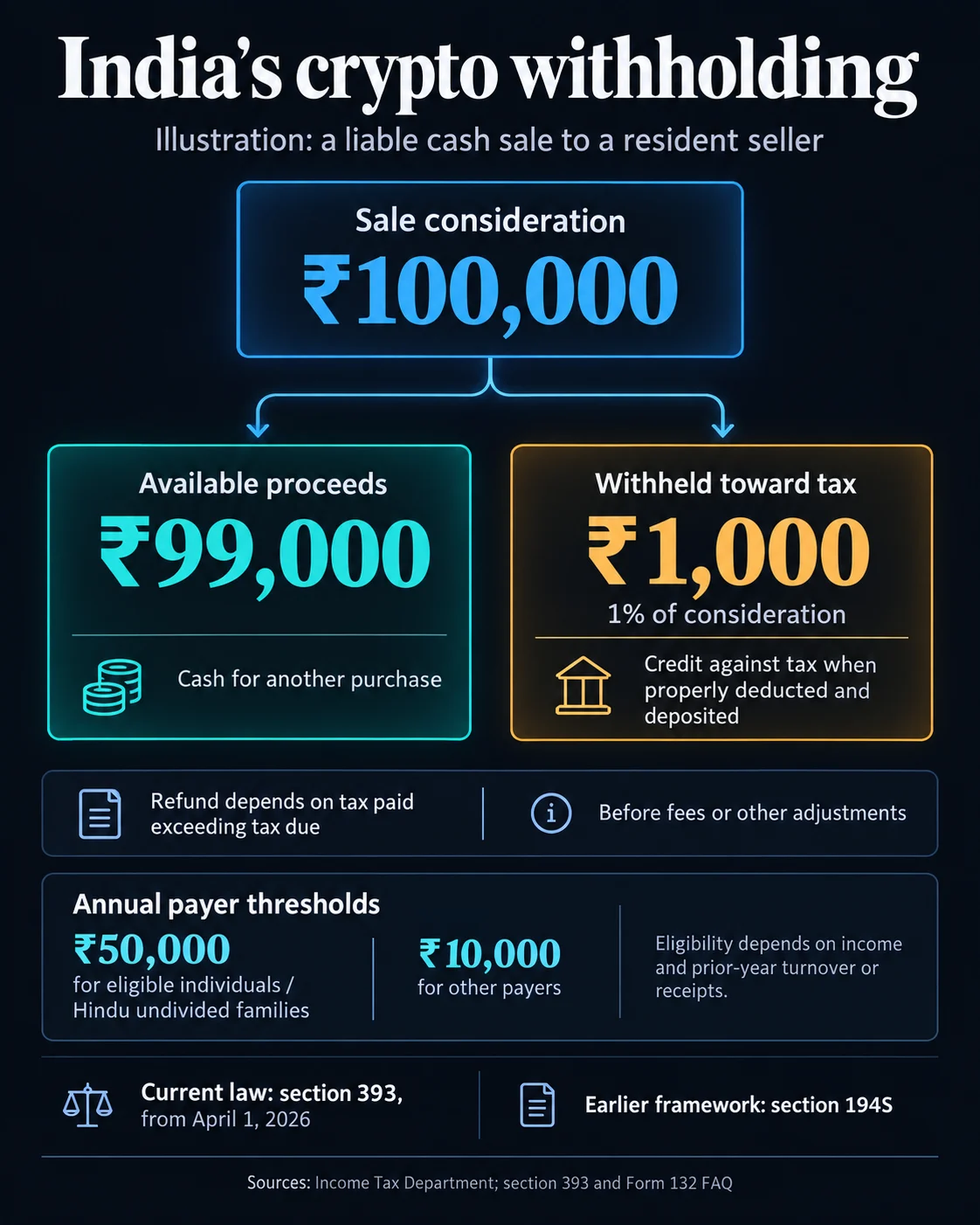
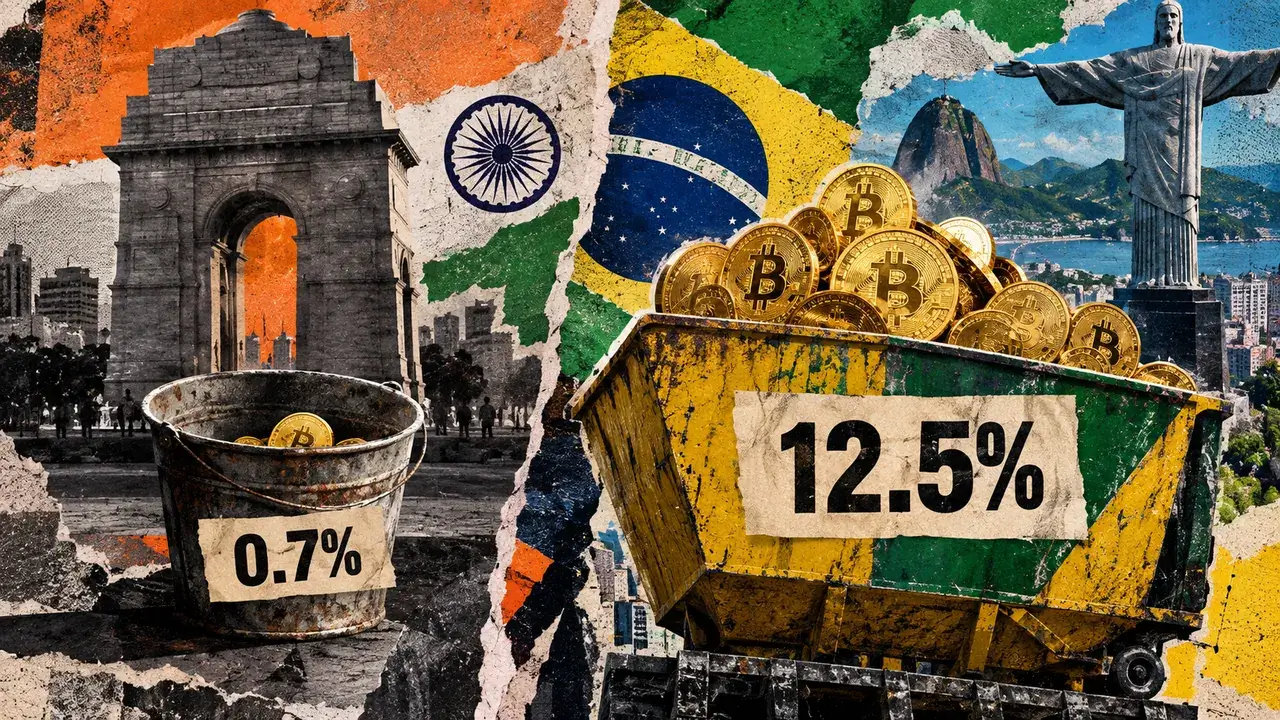
A groundbreaking regional report by blockchain analytics firm Chainalysis has revealed a stark disparity in how Indian cryptocurrency users engage with domestic versus international exchanges. While Indian users are responsible for substantial value flowing into centralized exchanges, local platforms are capturing a minuscule 0.7% of this exchange value. This finding stands in sharp contrast to Brazil, where domestic exchanges have secured a significant 12.5% of inflows, highlighting divergent trends in cryptocurrency market development and user behavior.
The Chainalysis report, which breaks down cryptocurrency adoption across various regions, draws a critical distinction between the total crypto activity associated with a country and the market share secured by its indigenous platforms. For India, the data suggests that a significant portion of its vast crypto user base is directing their assets to exchanges operating outside the country’s borders. This outflow of value from domestic platforms has implications for the local crypto economy, potentially limiting the capital available for further trading and investment within India.
Chainalysis’s analysis is presented in two recent publications: the Central and Southeast Asia, Oceania, and Africa (CSAO) chapter, released on September 30, and the Latin America chapter, released on September 23. The primary reporting window for these annual reports typically spans from July of one year to June of the following year. While the exact dates for the specific share observations within these chapters are not precisely detailed, the reports cover activity concluding before October.
Staggering Inflows, Paltry Domestic Share: The Indian Crypto Landscape
According to the CSAO chapter, Indian-based users contributed an astonishing $88.4 billion in inflows to centralized exchanges during the annual reporting period. This figure positions India as the largest market for such activity within the Central and Southeast Asia and Oceania region. However, the report underscores that a significant portion of this substantial economic activity is not benefiting Indian exchanges.
The Indian chapter of the report details a dramatic decline in the share of exchange value received by domestic platforms. This share has plummeted from approximately 7% to a mere 0.7%. The report notes a sharp downturn in this metric occurring around mid-2022, a period that coincided with evolving regulatory landscapes and tax policies concerning cryptocurrencies in India.
In stark contrast, the Latin America chapter paints a different picture for Brazil. Brazilian-based exchanges have experienced a significant upward trajectory, with their share of inflows escalating from a previous 1.5% to a robust 12.5%. This divergence suggests that while Indian crypto users are highly active, they are largely choosing to transact on platforms that are not based in India.
It is crucial to understand that these percentages refer specifically to the value received by exchanges as reported by Chainalysis. Other key metrics for platform performance, such as executed trades, revenue generation, and customer numbers, offer different facets of a platform’s business. The amount of cryptocurrency entering an exchange is a distinct indicator from the volume of trading activity occurring within it, as a single deposit can fuel multiple subsequent transactions.
The Chainalysis methodology for assigning pooled service activity to user countries relies on website traffic data, adjusted for income differences using the square root of GDP per capita. While this approach allows for the attribution of activity to user countries, even when transactions occur on exchanges based abroad, the detailed calculations for domestic exchange shares are not explicitly outlined in the published chapters. The report acknowledges the inherent limitations of this methodology, including the imperfect process of removing VPN and bot traffic, meaning the figures represent estimates of geographically attributed activity with built-in uncertainty.
The Impact of Withholding Tax: A Potential Driver of Offshore Activity
A significant factor contributing to the observed trend in India appears to be the nation’s cryptocurrency tax framework, particularly the 1% Tax Deducted at Source (TDS) on virtual digital asset transfers. Introduced via Section 394A of the Income Tax Act, this provision mandates that the responsible payer deducts 1% of the consideration for a virtual digital asset transfer paid to a resident. This deduction occurs at the earlier of the credit or payment stage.
The practical implication of this withholding tax is that it directly reduces the immediate cash available for subsequent trades. For instance, in a cash sale of cryptocurrency valued at ₹100,000 where the seller is a resident and subject to the standard 1% deduction, the seller would receive ₹99,000. The remaining ₹1,000 is withheld towards potential tax liability, rendering it unavailable for immediate reinvestment or further trading. This reduction in available capital can create friction for active traders who rely on a constant flow of liquid assets to execute their strategies.
Furthermore, each subsequent taxable sale can trigger another deduction, adding to the cumulative amount withheld. While the final tax calculation determines the exact tax liability and allows for credit of these deductions, each instance of withholding directly impacts the proceeds available to the user in the short term.
The Indian Income Tax Act does provide exemptions to this withholding requirement. These exemptions are contingent on the payer and the aggregate consideration within a tax year. For individuals and Hindu Undivided Families (HUFs) without business or professional income, the threshold is ₹50,000. For those with prior-year business turnover exceeding ₹1 crore or professional receipts exceeding ₹50 lakh, the limit remains ₹50,000. Other payers face a lower limit of ₹10,000. These limits are applied to the aggregate consideration within a tax year, and their applicability depends on the specific circumstances of the payer.
The responsibility for deducting TDS typically falls on the "responsible payer," which can include buyers in direct transactions or exchanges in relevant settlement scenarios. While the deductee can claim credit for the TDS paid when filing their income tax return, and a refund is permissible if the tax paid exceeds the actual liability, the timeline for receiving such refunds can be lengthy. This means that while the withheld amount may eventually be reconciled, it remains locked away from immediate trading capital for an indeterminate period.
Industry insiders suggest that this tax friction is a key driver for Indian crypto users seeking platforms that may not enforce such deductions. Ashish Singhal, co-founder of CoinSwitch, a prominent Indian crypto exchange, has stated that foreign venues may not impose these deductions, thereby offering a more seamless trading experience. This perspective highlights a competitive pressure faced by compliant domestic exchanges, which must navigate both regulatory requirements and user demand for lower transactional friction.
However, the precise extent to which withholding tax has contributed to the reported decline in domestic exchange share remains unquantified. It is also possible that some international platforms may still comply with Indian tax obligations, and a platform’s geographical location alone does not guarantee an exemption. Singhal’s observation points to a plausible competitive advantage for offshore platforms, but its precise impact on the measured market share is subject to further analysis.
Brazil’s Rise: Regulatory Clarity and Robust Local Offerings
The contrasting success of Brazil’s domestic crypto exchanges can be attributed to a confluence of factors, including regulatory clarity, a growing investment appetite, and the development of stronger local offerings. Chainalysis identifies these elements as potential catalysts for Brazil’s increasing domestic share.
Furthermore, interviews with industry participants in Brazil suggest the increasing use of corporate stablecoins for liquidity management and cross-border transfers. This demand for stablecoin solutions beyond simple investment trading could be creating new opportunities for domestic platforms to cater to evolving business needs.
Payment Accessibility: A Common Thread
The accessibility of fiat payment rails is another crucial element influencing user behavior on both domestic and international platforms. In Brazil, services like Pix, a real-time payment system developed by the Central Bank of Brazil, offer a seamless way for users to purchase cryptocurrency directly from their bank applications. This integration of familiar payment methods with crypto access is a significant convenience factor.
Similarly, in India, platforms operating within the country facilitate INR deposits through widely adopted methods such as Unified Payments Interface (UPI) and net banking. CoinSwitch’s own explainer on buying cryptocurrency with INR highlights the availability of these local currency access points, although the specific methods supported can vary depending on the platform.
Interestingly, international exchanges are also leveraging these local payment rails to attract users. Binance, for instance, offers a BRL deposit guide that includes options for Pix and TED (Transferência Eletrônica Disponível), a traditional bank transfer method in Brazil. This demonstrates how both domestic and international players are adapting to local payment ecosystems to enhance user experience.
Broader Implications and Future Outlook
The Chainalysis report underscores a critical distinction for the cryptocurrency industry: the difference between national crypto adoption and the market share captured by domestic platforms. India’s case illustrates that a vibrant user base does not automatically translate into dominance for local exchanges, especially when external factors like taxation and the availability of alternative platforms come into play.
For regulators and policymakers, these findings offer valuable insights into the impact of fiscal policies on the growth of the domestic digital asset ecosystem. The significant outflow of value from Indian exchanges suggests a potential loss of economic activity and tax revenue that could otherwise be retained within the country.
Conversely, Brazil’s experience points towards the effectiveness of fostering a supportive environment for domestic crypto businesses, characterized by regulatory clarity and strong local payment integrations. The continued growth of the crypto economy in Brazil, despite a slight contraction in overall activity, indicates resilience and potential for further expansion.
As the global cryptocurrency market matures, the interplay between regulatory frameworks, technological innovation, and user preferences will continue to shape the landscape of exchange activity. The divergent trajectories of India and Brazil, as highlighted by Chainalysis, serve as important case studies for understanding the complex dynamics that influence where and how users engage with digital assets. The destination of exchange inflows, therefore, remains a critical question for operators seeking to understand the nuances of national participation in the burgeoning digital asset economy.








