Nila Kartika Wati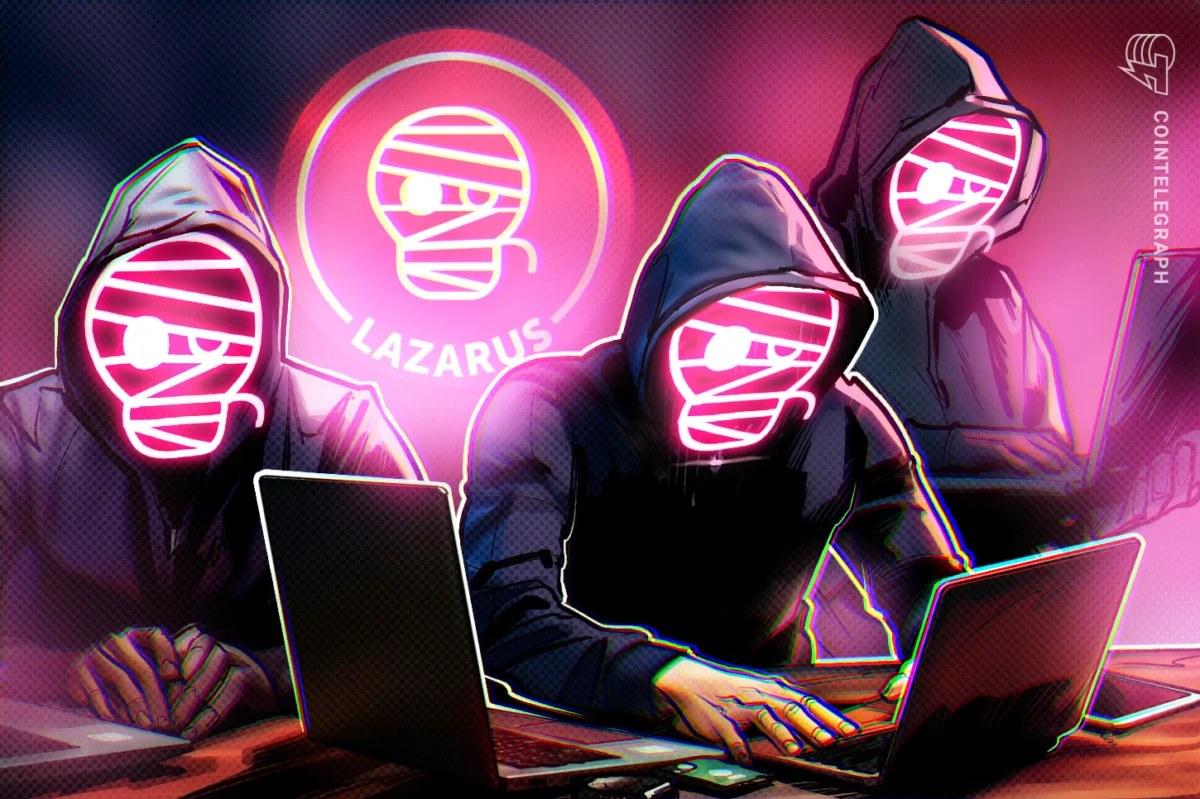
Crypto wallet addresses unequivocally linked to the Lazarus Group, the notorious North Korean state-affiliated hacking collective, have been observed moving approximately $30 million in various digital assets through Hyperliquid, a decentralized exchange (DEX). This significant financial maneuver occurred just weeks after public statements from former US President Donald Trump indicated that the Commodity Futures Trading Commission (CFTC) was actively exploring pathways to integrate Hyperliquid into US markets, raising immediate questions about the intersection of decentralized finance, national security, and regulatory oversight.
The intricate flow of these illicit funds was meticulously traced by blockchain analytics firm Arkham, with analyst Emmett Gallic detailing the transactions in a recent post on X (formerly Twitter). According to the analysis, the Lazarus-tagged wallets initiated the transfers by sending Bitcoin (BTC) to Hyperliquid and its associated platform, HyperUnit. Once on these platforms, the BTC was systematically traded into other prominent cryptocurrencies, primarily Ether (ETH) or Solana (SOL). Following these swaps, the funds were then bridged out to different blockchain networks, including Tron, Solana, and the Ethereum network itself, in a sophisticated attempt to obfuscate their origin and destination.
Ultimately, the digital assets were channeled into a variety of centralized exchanges (CEXs) and unlabeled services, further complicating tracing efforts. Key recipients identified included KuCoin, Kraken, and Lbank, alongside several opaque services operating predominantly on the Tron network. This multi-layered approach, involving decentralized exchanges, cross-chain bridging, and eventual off-ramping through centralized platforms, is a hallmark of sophisticated money laundering operations employed by state-sponsored actors like the Lazarus Group. Their objective is to exploit the perceived anonymity and interconnectedness of the crypto ecosystem to convert stolen digital assets into usable fiat currency or other untraceable forms, thereby circumventing international sanctions.
The Nexus of DeFi and Geopolitical Malignancy
The timing of these transactions is particularly noteworthy, given the recent political discourse surrounding Hyperliquid’s potential expansion into regulated US markets. On August 16, during a White House event, former President Trump publicly stated that Michael Selig, the Chairman of the CFTC, was actively working on a regulatory framework to introduce Hyperliquid to US investors. While the specifics of this "regulatory pathway" remain unclear, such a high-profile endorsement and the prospect of greater accessibility for a decentralized platform would typically imply a heightened level of scrutiny and a commitment to robust compliance measures. The revelation of Lazarus Group’s activities on Hyperliquid subsequently injects a significant layer of complexity into these discussions, potentially complicating the exchange’s regulatory trajectory and raising concerns among policymakers.
Decentralized exchanges like Hyperliquid operate on blockchain technology, allowing users to trade cryptocurrencies directly with one another without the need for an intermediary custodian. This permissionless and often pseudo-anonymous nature is a core tenet of the DeFi ethos but also presents significant challenges for anti-money laundering (AML) and know-your-customer (KYC) compliance. Unlike centralized exchanges, which are typically subject to stringent regulatory requirements regarding user identity verification and transaction monitoring, many DEXs offer a less restrictive environment. This characteristic, while appealing to privacy advocates and those seeking financial autonomy, simultaneously makes them attractive conduits for illicit financial activities, including money laundering by sanctioned entities.
The Enduring Threat of the Lazarus Group
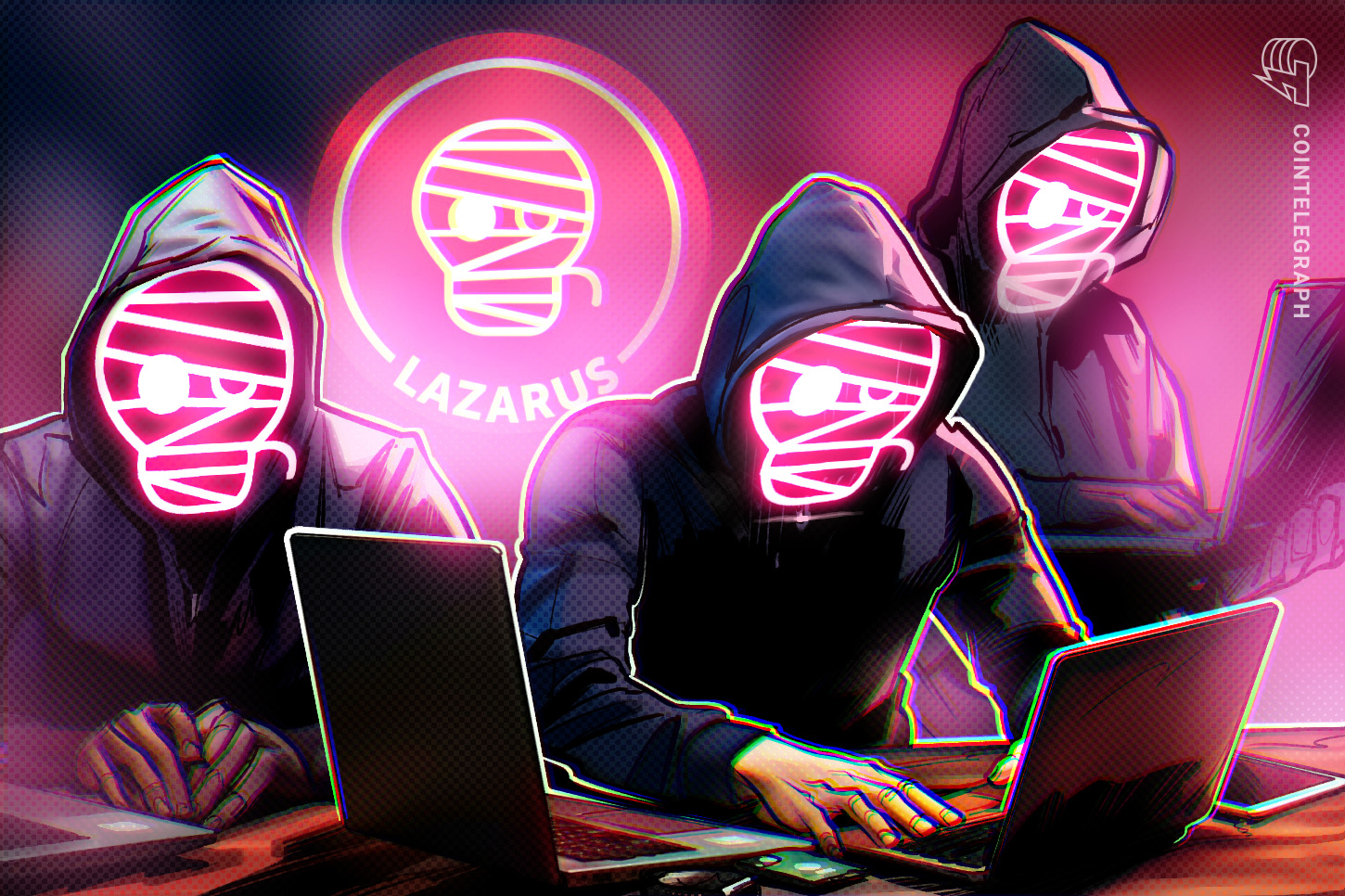
The Lazarus Group is widely recognized as one of the most prolific and dangerous state-sponsored cybercrime organizations globally. Operating under the aegis of the Democratic People’s Republic of Korea (DPRK), their primary mission is to generate illicit revenue for the North Korean regime, primarily to fund its advanced weapons programs, including nuclear and ballistic missile development, in direct defiance of numerous United Nations Security Council resolutions and international sanctions.
Their modus operandi is characterized by exceptional technical sophistication, strategic patience, and a willingness to target a wide array of entities, from financial institutions and defense contractors to cryptocurrency exchanges and individual investors. They employ a diverse arsenal of cyber tools and techniques, including highly sophisticated social engineering campaigns, spear-phishing attacks, supply chain compromises, and the exploitation of zero-day vulnerabilities in software and network infrastructure.
The group has been implicated in some of the largest and most audacious cryptocurrency hacks in history. Notably, the original article points to a reported $1.4 billion hack of the Bybit exchange in 2025, an incident that, if fully confirmed and attributed, would represent the single largest cryptocurrency heist to date. Beyond this, their rap sheet includes a staggering list of high-profile breaches. In April alone, North Korea-linked threat actors were tied to at least $578 million of the $634 million stolen in crypto-related incidents, underscoring their dominance in the illicit crypto landscape. Other significant attacks attributed to or strongly suspected of being carried out by Lazarus include:
- The Ronin Bridge Hack (2022): Approximately $625 million stolen from the blockchain network underpinning the popular play-to-earn game Axie Infinity.
- Harmony Horizon Bridge Hack (2022): Around $100 million siphoned from the cross-chain bridge.
- Atomic Wallet Exploit (2023): Over $100 million in various cryptocurrencies stolen from the decentralized wallet provider.
- The WannaCry Ransomware Attack (2017): While not exclusively crypto-focused, this global ransomware attack caused widespread disruption and demanded payment in Bitcoin, with strong links to the Lazarus Group.
These incidents collectively highlight the group’s relentless pursuit of digital assets and their critical role in sustaining the North Korean regime’s illicit financial networks. The sheer scale and frequency of these attacks demonstrate a well-resourced and highly organized state apparatus dedicated to cyber warfare and financial crime.
Broader Implications for DeFi, Regulation, and National Security
The revelation of the Lazarus Group’s use of Hyperliquid reverberates across multiple domains, posing significant challenges for the cryptocurrency industry, regulators, and international law enforcement.
For Decentralized Finance (DeFi): The incident underscores the inherent tension between the decentralized, permissionless ethos of DeFi and the imperative for robust anti-money laundering (AML) and counter-terrorist financing (CTF) measures. While DEXs offer innovation and financial inclusion, their current structure can inadvertently facilitate illicit activities. This incident will likely intensify calls for DEXs to implement more stringent compliance mechanisms, potentially through on-chain identity solutions, enhanced analytics, or even geographical restrictions based on IP addresses, challenging the core principles of decentralization. The industry faces the difficult task of evolving its security and compliance posture without compromising its foundational values.
For Regulators and Policymakers: The situation presents a complex dilemma for US regulators, particularly the CFTC. The prospect of integrating a DEX like Hyperliquid into US markets must now contend with the demonstrable risk of its exploitation by sanctioned entities. This could lead to a more cautious and potentially slower approach to approving such platforms, with a greater emphasis on mandating advanced AML/KYC technologies and clear accountability frameworks, even for decentralized protocols. The incident highlights the urgent need for clear, adaptable regulatory frameworks that can keep pace with the rapid technological advancements in the crypto space, balancing innovation with national security interests. It also reinforces the global nature of financial crime and the necessity of international cooperation to combat it effectively.
For National Security and Geopolitics: The Lazarus Group’s continued success in siphoning and laundering vast sums of cryptocurrency directly impacts global security. These funds are instrumental in bypassing international sanctions and sustaining North Korea’s prohibited weapons programs, posing a direct threat to regional and global stability. The ability of such groups to exploit even nascent financial technologies like DeFi means that the battle against cybercrime is intrinsically linked to broader geopolitical efforts to contain rogue states. Law enforcement agencies, intelligence services, and blockchain analytics firms will need to continually enhance their capabilities to track, seize, and disrupt these illicit financial flows.
Official Responses and Industry Vigilance
While Hyperliquid has not issued a specific statement directly addressing the Lazarus Group’s transactions, decentralized exchanges typically operate under a general commitment to combating illicit activities within the bounds of their technical architecture. Any future regulatory pathway for Hyperliquid into the US market would undoubtedly necessitate explicit and verifiable commitments to compliance with US sanctions and AML laws.
Blockchain analytics firms like Arkham play an increasingly critical role in uncovering these sophisticated schemes. Their ability to trace funds across multiple chains, through various protocols, and identify associated wallets provides invaluable intelligence to law enforcement and regulatory bodies. The public disclosure by Arkham’s Emmett Gallic serves as a crucial alert, demonstrating the ongoing vigilance required to monitor the crypto ecosystem for illicit actors.
The US Treasury Department’s Office of Foreign Assets Control (OFAC) routinely updates its sanctions lists, including specific crypto addresses linked to the Lazarus Group. This incident underscores the dynamic nature of sanctions evasion and the continuous cat-and-mouse game between sanctioned entities and global financial watchdogs.
In conclusion, the movement of $30 million by the Lazarus Group through Hyperliquid is a stark reminder of the persistent challenges posed by state-sponsored cybercrime in the digital asset landscape. It forces a critical re-evaluation of how decentralized finance platforms can operate responsibly within a global regulatory framework, particularly as they seek broader market acceptance. The incident intensifies the pressure on both the industry and regulators to develop robust, effective solutions that can harness the innovative potential of DeFi while simultaneously safeguarding against its exploitation by those who seek to undermine international security and financial integrity.