James Watt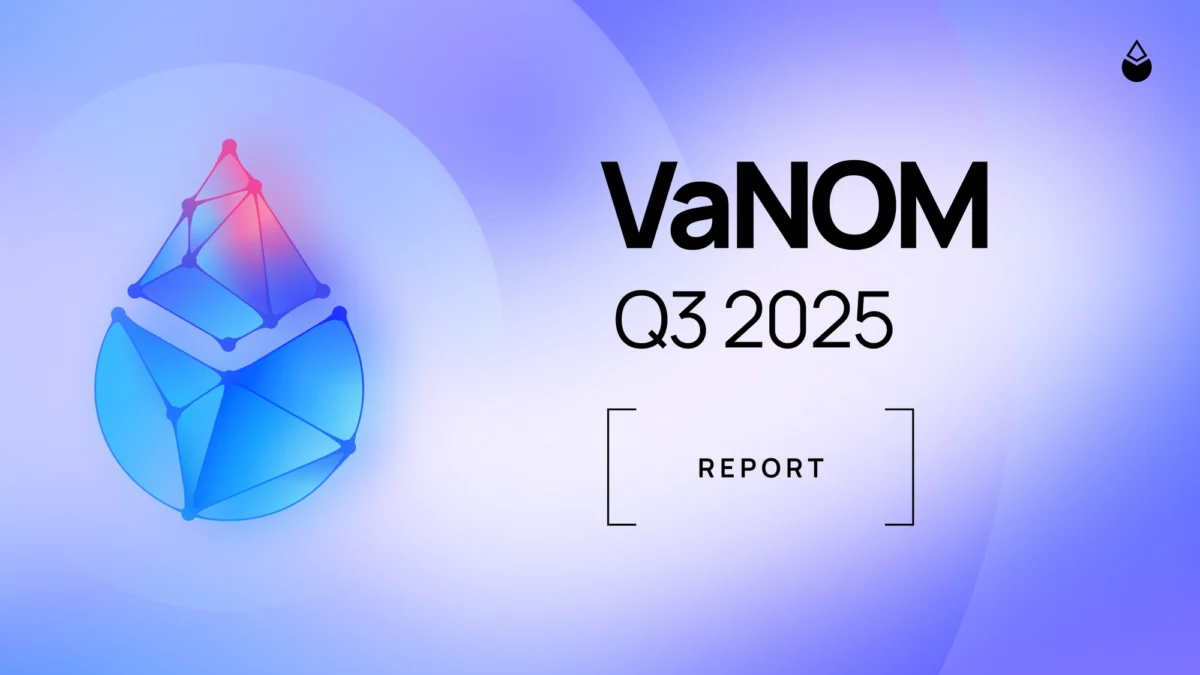
The latest Validator Node Operator Metrics (VaNOM) report for the third quarter of 2025, now publicly available, underscores Lido’s unwavering commitment to fortifying the Ethereum network through enhanced decentralization, robust Distributed Validator Technology (DVT) integration, and diversified client usage. This comprehensive report, covering the period from July 1 to September 30, 2025, highlights key operational metrics and strategic advancements that are shaping the future of liquid staking and Ethereum’s overall health. The full Q3 2025 VaNOM report can be accessed directly by interested stakeholders and the broader community.
Strategic Expansion of Stake and Operator Base
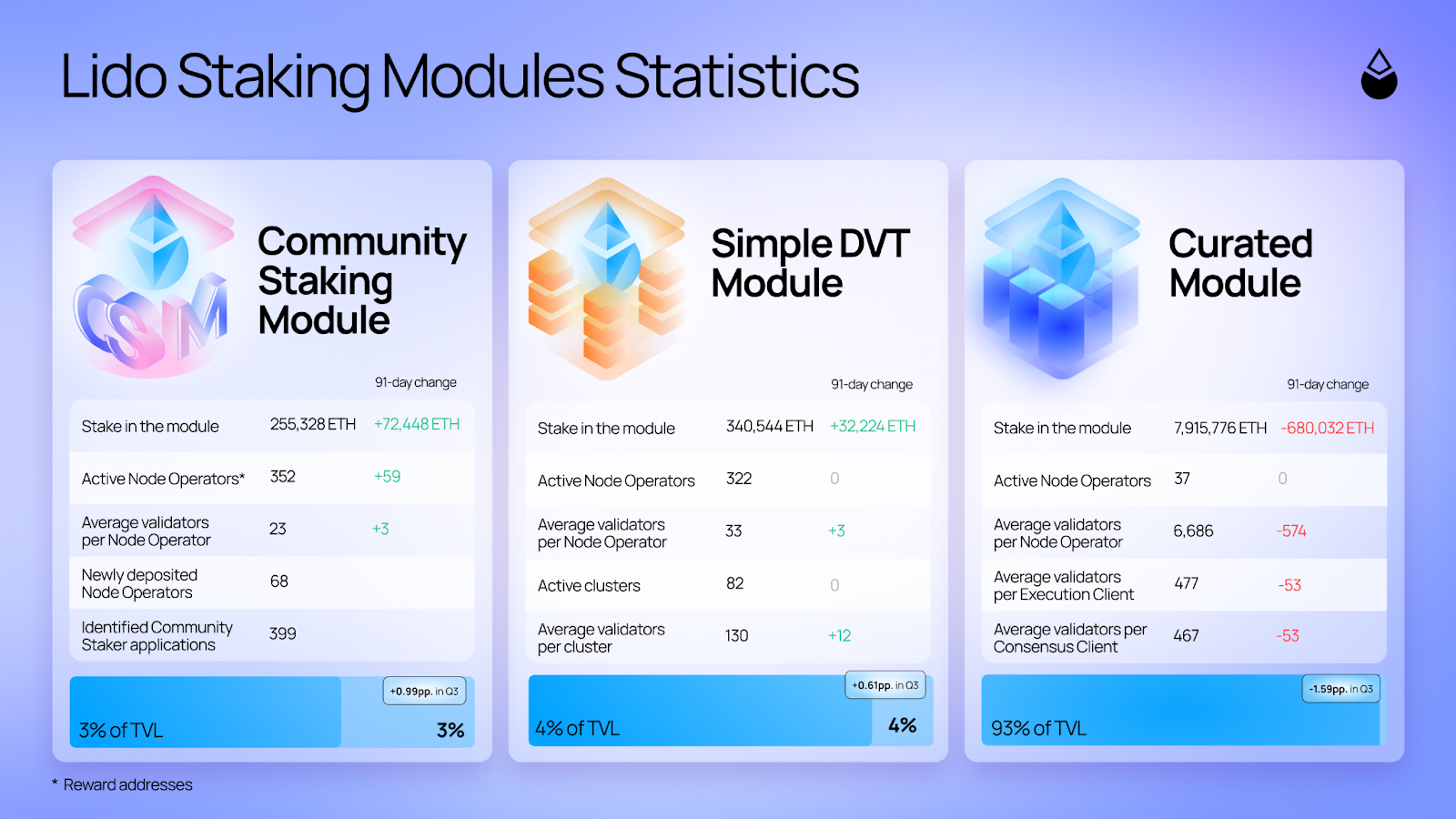
During Q3 2025, Lido’s efforts to broaden its validator base and distribute stake more widely achieved notable milestones. Both the Simple DVT Module (SDVTM) and the Community Staking Module (CSM) successfully reached their predefined stake share limits within the Lido protocol – 4% and 3% respectively. Combined, these two decentralized modules now account for approximately 600,000 staked ETH, signifying a substantial contribution to the protocol’s operational capacity and a clear indicator of growing participant engagement.
As of October 1, 2025, this 600,000 ETH represents approximately 1.67% of the total Ethereum stake, a critical metric showcasing Lido’s proportional impact on the network’s security. This growth in the SDVTM and CSM is not merely about accumulating stake; it represents tangible progress towards Lido’s strategic objective of diversifying its Node Operator set and empowering permissionless participation. By fostering modules that encourage a broader array of operators, Lido actively mitigates centralization risks, making the protocol more resilient against potential single points of failure. The continued expansion of these modules aligns with the broader Ethereum community’s ethos of decentralization, ensuring that the power to validate transactions and secure the network is distributed among many, rather than concentrated in a few entities. The design of these modules, particularly the permissionless nature of the Community Staking Module, encourages smaller, independent operators to join the network, fostering a more robust and diverse ecosystem.
Distributed Validator Technology: A Cornerstone of Enhanced Security
A pivotal theme in the Q3 2025 VaNOM report is the accelerated adoption and proven reliability of Distributed Validator Technology (DVT). Historically, DVT solutions – such as Obol, SafeStake, and the SSV Network – were exclusively utilized within the Simple DVT and Community Staking Modules of the Lido protocol. DVT allows multiple operators to run a single validator in a distributed manner, significantly enhancing fault tolerance and reducing the risk of downtime or slashing penalties associated with individual operator failures. This technology ensures that even if one component or operator experiences an issue, the validator continues to operate seamlessly, maintaining network integrity and staker rewards.
Recognizing DVT’s demonstrated efficacy and its increasing adoption across the wider Ethereum ecosystem, Lido contributors put forth a proposal in Q2 2025 to extend its usage to the Curated Module (CM). This proposal, aimed at allowing operators in the Curated Set to opt into intra-operator DVT setups, marked a significant strategic shift. Following a comprehensive deliberation and rigorous testing on the Hoodi testnet, LDO tokenholders overwhelmingly approved this measure during the June 2025 voting slot. This decision was lauded by many within the community as a crucial step towards further protocol decentralization and enhanced fault tolerance, demonstrating the DAO’s proactive approach to adopting cutting-edge security measures.
The impact of this decision was immediate and profound. By October 1, 2025, a substantial 547,968 ETH, corresponding to 17,124 validators across the entire Lido protocol, were powered by DVT implementations from Obol, SafeStake, and the SSV Network. This represents a remarkable 57.65% quarter-over-quarter surge from the 10,862 DVT-enabled validators reported in Q2 2025.
The third quarter witnessed the successful migration of the first five Curated Node Operators – A41, Blockscape, Ebunker, RockX, and Stakin – to DVT setups. These prominent operators collectively migrated 4,900 validators, representing 156,800 ETH, to Obol and SSV Network configurations. This initial wave of adoption within the Curated Module is a testament to the technology’s readiness and the operators’ commitment to best practices.
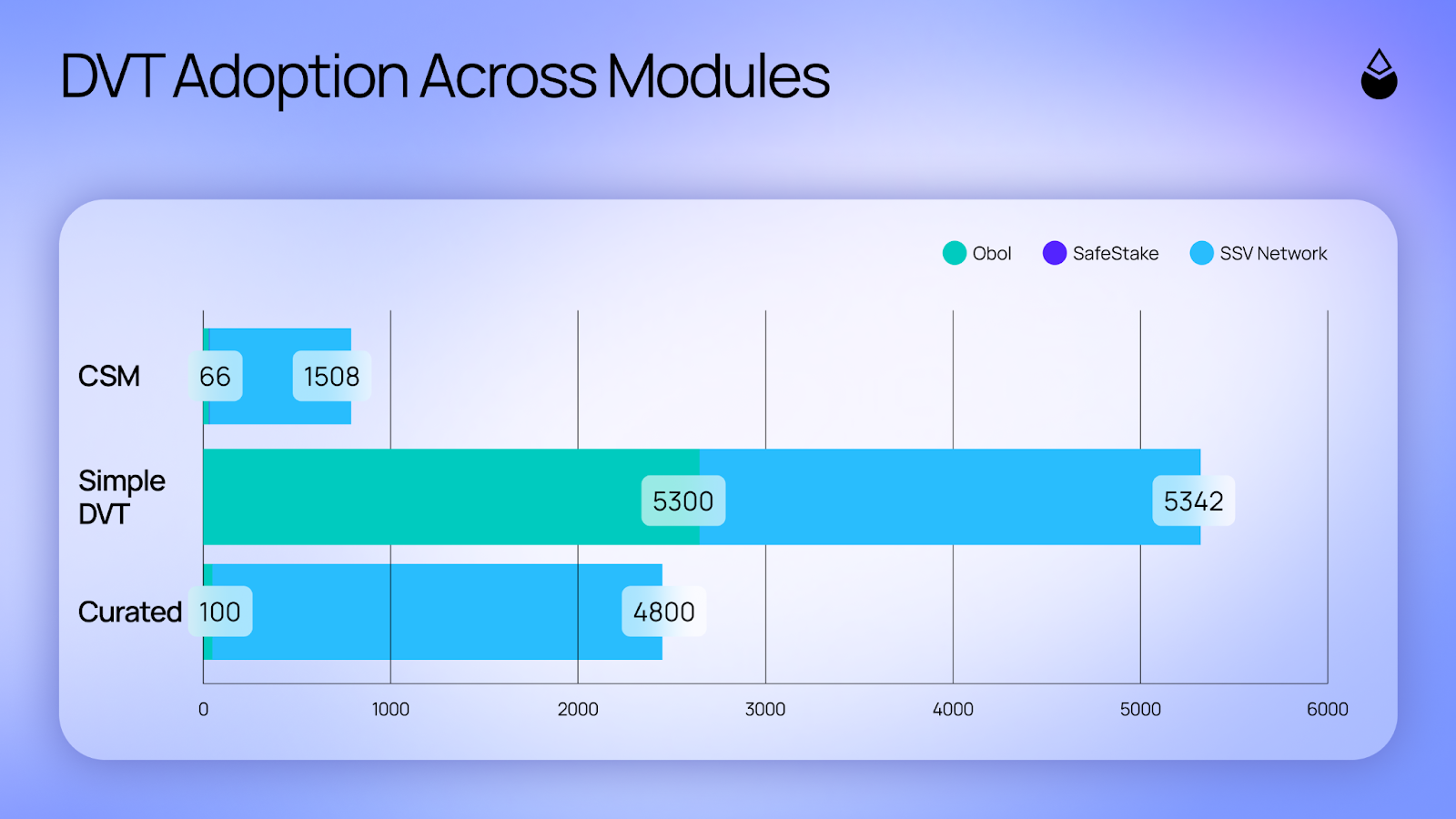
Beyond the Curated Module, DVT adoption continued its upward trajectory within the permissionless modules. In the Simple DVT Module, 5,300 validators now leverage Obol, an increase of 80 from Q2, while 5,342 utilize SSV Network setups, marking a significant rise of 1,087 validators. These are managed by 217 and 229 operators, respectively, showcasing a broad base of participation. The Community Staking Module also saw expanded DVT usage, with an additional 332 validators adopting the SSV Network. Furthermore, 66 validators across eight operators are now supported by Obol, and SafeStake, exclusively used in the CSM, maintains a steady eight validators operated by four distinct entities. This widespread adoption across all staking modules emphatically demonstrates DVT’s growing prevalence and importance within the Lido validator ecosystem, reinforcing Lido’s commitment to building a more decentralized, diversified, and robust validator network for Ethereum.
Fostering Consensus Client Diversity for Network Resilience
The integration of DVT setups, particularly within the Curated Module, has had a direct and positive impact on Consensus Layer (CL) client diversity. Client diversity is a critical safeguard against correlated failures, where a bug in a dominant client could potentially jeopardize the finality of the entire Ethereum chain. By diversifying the software clients used by validators, the network becomes more resilient to such risks.
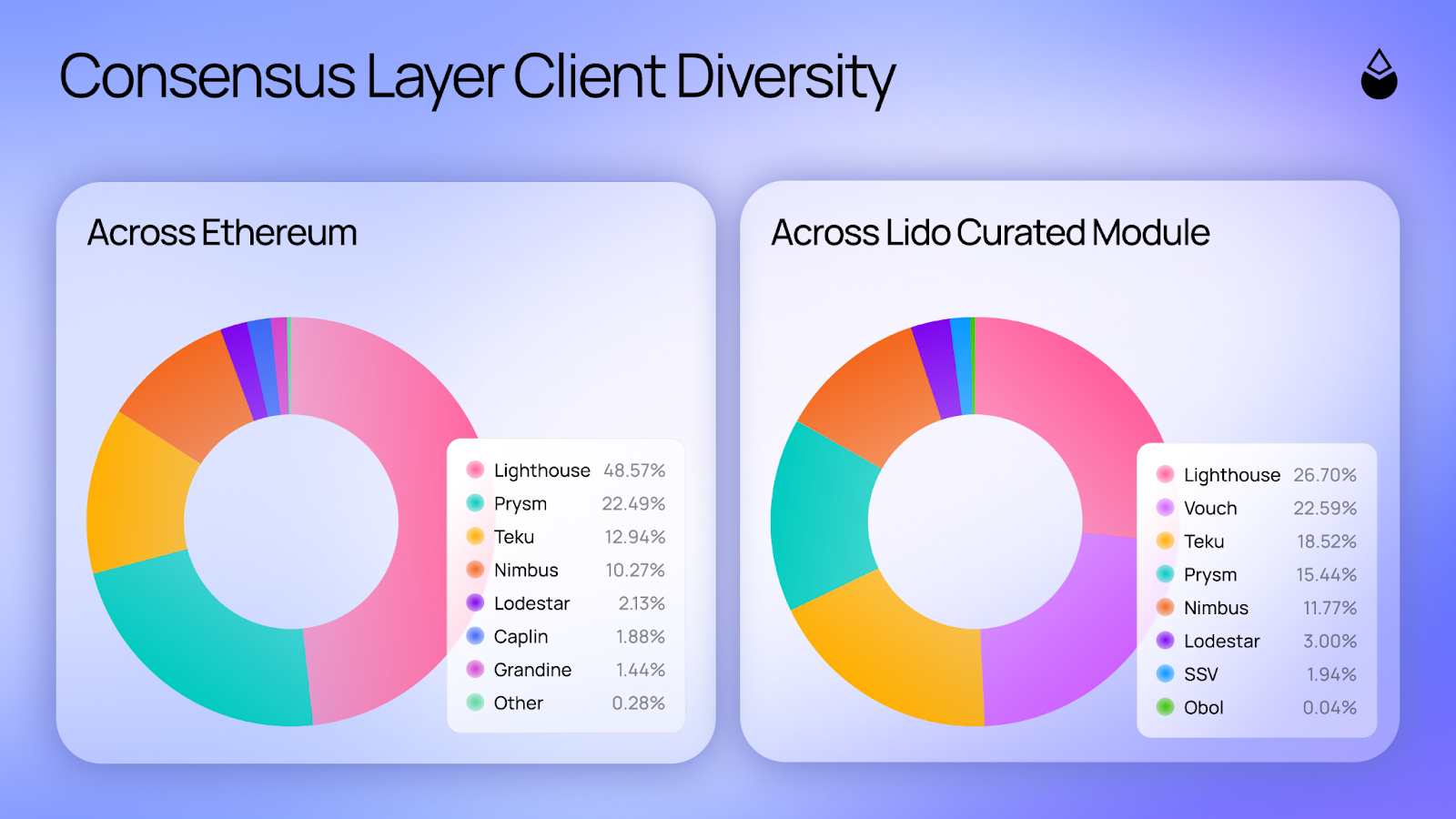
Beginning in Q3 2025, the newly adopted DVT setups powered 5,900 Curated Module validators. This includes 4,800 validators, representing 1.94% of the CM, now operating via the SSV Network, and 100 validators utilizing Obol, which is expected to see a significant ramp-up in adoption in the coming quarters. This initial deployment marks a crucial step in reducing the probability of a "supermajority" client scenario, where a single client dominates over two-thirds of the network, creating a systemic risk.
Beyond DVT-related client configurations, Vouch, a validator client developed by Attestant, continues to play a vital role in Lido’s diversification strategy. Designed to seamlessly integrate with multiple Beacon Nodes, Vouch offers enhanced flexibility and security, and is currently employed by 22.59% of CM validators. This multi-client approach is a deliberate strategy to spread risk and prevent any single client from becoming a systemic vulnerability.
When contextualized against the broader pan-Ethereum CL client landscape, where Lighthouse remains the dominant client at 48.57% (an increase from 47.96% in Q2), Lido’s Curated Module maintains a significantly more balanced distribution. This consistent diversification within Lido’s Curated Module is a direct result of the Node Operators’ proactive commitment to client diversity and fault-tolerance principles. By actively fostering a balanced usage across multiple CL clients, Lido not only strengthens its own operational robustness but also contributes substantially to the overall health, security, and network resilience of Ethereum. The DAO’s emphasis on this metric reflects a deep understanding of the potential systemic risks associated with client centralization and a proactive approach to mitigating them.
Optimizing Block Production with Auxiliary Proposer Mechanisms
The evolution of Ethereum’s block production mechanism is another area where Lido continues to innovate responsibly. The Auxiliary Proposer Mechanisms (APM) framework serves as a critical conduit for Lido to safely explore and integrate emerging tools related to block proposal on Ethereum. This is achieved while rigorously upholding the protocol’s fundamental decentralization and security standards. APMs are designed to enhance block production efficiency, reliability, and flexibility, offering substantial benefits such as potential rewards for stakers and new operational efficiencies for Node Operators. These mechanisms are integral to Ethereum’s evolving architecture, particularly in the post-Merge era, where maximizing block value and ensuring fair block production are paramount.
The Q3 2025 report provides insights into the adoption of various APM infrastructure setups by Node Operators within the Curated Module. A prominent example is Proposer-Builder Separation (PBS), a revolutionary design that decouples the roles of block building and block proposing. PBS is designed to counteract transaction censorship at the network level and to foster greater fairness in the distribution of block rewards, especially those derived from Maximal Extractable Value (MEV). MEV-Boost, the most widely adopted implementation of PBS, is currently utilized by approximately half of Lido’s validators. This high adoption rate underscores the perceived benefits of MEV-Boost in optimizing validator profitability and ensuring a more equitable distribution of MEV.
Other active APM implementations within the Lido protocol include Vouch, which is utilized by 22.6% of operators, demonstrating its versatility beyond client diversity. Additionally, Commit Boost’s PBS Module is employed by 19% of operators, indicating a diverse approach to leveraging PBS solutions. It is also noteworthy that Consensus Layer clients’ native support for direct interaction with the MEV Boost Protocol is used by only 2.8% of Lido validators. This lower adoption rate is primarily due to its more limited functionality when compared to the feature-rich MEV-Boost sidecar setup, which offers greater flexibility and optimization capabilities.
The varied adoption rates of these APMs reflect the Lido contributors’ conscientious and strategic approach. It highlights a commitment to integrating advancements that enhance Ethereum’s proposer infrastructure while rigorously vetting them to ensure they align with the protocol’s core values of safety, decentralization, and ethical operation. This careful balance ensures that Lido remains at the forefront of innovation without compromising the integrity or security of its operations or the broader Ethereum network.
The Road Ahead: Unveiling Future Upgrades and Strategic Vision
The period leading into 2026 is poised to usher in a new era of improvements and advancements across the Lido Validator Set. Significant upgrades are on the horizon, promising to further enhance the protocol’s flexibility, modularity, and overall contribution to Ethereum’s staking ecosystem.
One of the most anticipated developments, the Community Staking Module (CSM) v2 upgrade, successfully went live on the Ethereum mainnet on October 2, 2025. This pivotal upgrade significantly increases the CSM’s stake share limit to 5%, allowing for greater participation and growth within this permissionless module. Furthermore, CSM v2 introduces differentiated parameters for various Node Operator (NO) types, fostering a more tailored and efficient operating environment. A cornerstone of this upgrade is the enablement of the optional Identified Community Staker (ICS) framework. The ICS framework marks a significant milestone in Lido’s roadmap, empowering a broader array of independent operators to participate in Ethereum validation under a verified identity, thereby enhancing trust and accountability within the permissionless staking landscape. The coming quarters are expected to clearly reflect these transformative changes across CSM-related metrics and validator charts, providing a clearer picture of its impact.
The commitment to DVT adoption within the Curated Module is also set to continue its expansion. Following the successful initial migrations in Q3, further commitments made by CM Node Operators on the Lido Research Forum indicate a sustained drive to integrate DVT more broadly across the curated set. This ongoing adoption will further strengthen validator resilience, enhance fault tolerance, and contribute to the diversity within this critical segment of Lido’s validator network.
Looking further ahead, the forthcoming Lido V3, Staking Router v3, and Curated Module v2 upgrades are poised to collectively redefine how Node Operators engage with the protocol. These comprehensive upgrades are designed to expand operational flexibility, improve modularity, and lay the groundwork for the next phase of Ethereum staking evolution. They aim to streamline processes, introduce more sophisticated governance mechanisms, and ensure the Lido protocol remains adaptable and responsive to the evolving demands of the Ethereum network.
As always, Lido DAO contributors remain dedicated to the continuous refinement of the protocol’s metrics and dashboards. This commitment ensures that as Lido’s operational complexity grows, its data reporting remains transparent, accurate, and provides data-driven accountability to its community and the broader Ethereum ecosystem. Stakeholders are encouraged to stay tuned for the next VaNOM update, and in the interim, explore the Lido Node Operator Portal and Validator Set Updates for monthly insights into the protocol’s dynamic operations and ongoing progress. These resources offer invaluable real-time data and context for understanding Lido’s pivotal role in securing and decentralizing Ethereum.