admin
admin
The European Union’s Markets in Crypto-Assets (MiCA) regulation, a landmark legislative framework that began its development in 2020, is poised to fundamentally reshape the continent’s cryptocurrency landscape. Far from positioning Europe as a follower in blockchain innovation, MiCA is fostering a narrative of leadership, potentially establishing a new global benchmark for crypto-asset regulation and catalysing the development of more robust and trustworthy digital asset offerings. This regulatory push, while presenting immediate challenges for some market participants, is ultimately expected to drive innovation and enhance the overall security and efficiency of the European crypto ecosystem.
A key indicator of MiCA’s immediate impact was Coinbase’s announcement in early May 2024, stating its intention to delist stablecoins issued by providers not compliant with the impending regulations by the end of 2024. This decision directly affects prominent assets such as Tether’s USDT, currently the largest stablecoin by market capitalization. The rationale behind Coinbase’s move is to ensure its operations align with MiCA’s stringent requirements, particularly concerning the authorization and operational standards for stablecoin issuers.
Tether, the issuer of USDT, responded to these delisting plans with a statement indicating its commitment to developing a "technology-based solution" to navigate MiCA’s compliance hurdles. While this response might appear general, it signals a broader trend: the regulatory pressure imposed by MiCA is compelling crypto companies to innovate and deliver solutions that are not only compliant but also demonstrably more secure, efficient, and stable. The approaching implementation deadline for MiCA is already serving as a catalyst, prompting a necessary evolution within the European crypto industry.
MiCA: A New Era of Crypto Regulation, Echoing GDPR’s Impact
The relationship between emerging technologies and regulatory bodies has historically been complex, often marked by a lag in legislative response to rapid innovation. Effective regulation requires ongoing dialogue and adaptation, a challenge amplified by the inherently fast-paced nature of the digital asset space. In this context, MiCA draws significant parallels to the introduction of the General Data Protection Regulation (GDPR) in 2016.
The GDPR, enacted in response to evolving digital advertising practices and the widespread use of the internet, set a global standard for data privacy. Companies worldwide were compelled to adhere to Europe’s rigorous data protection mandates or face substantial penalties. Despite initial skepticism and implementation challenges, the GDPR has since become the de facto global benchmark for data security. Analysts suggest that MiCA possesses the potential to achieve a similar status within the realm of crypto-assets.
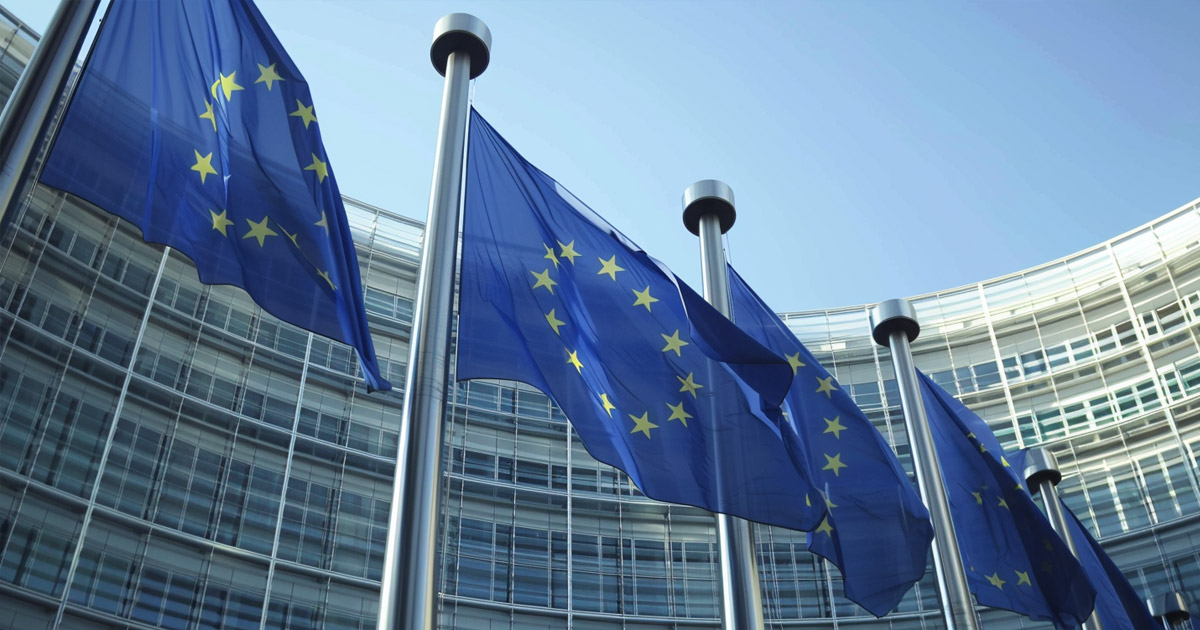
The new framework is anticipated to be a transformative force for the EU’s crypto market. Compliant stablecoins, in particular, could gain the ability to serve the entire EU market seamlessly, overcoming the current fragmentation caused by disparate national licensing regimes. This convergence towards compliance is expected to foster greater cryptocurrency adoption across a multitude of industries, as businesses gain confidence in the regulatory clarity and stability of digital assets operating within the EU.
Understanding the Nuances of MiCA
Regulation and licensing are not novel concepts within the traditional financial sector. Robust regulatory frameworks and consumer protection measures are the bedrock of modern banking, payments, and asset servicing industries. However, the borderless and decentralized nature of cryptocurrency has historically presented unique challenges for regulators, leading to a less stringent oversight compared to traditional finance. MiCA aims to rectify this by bringing crypto-assets under a comprehensive regulatory umbrella.
MiCA is recognized as one of the most thorough regulations for digital assets to date. Its core objectives include addressing persistent issues that have tarnished crypto’s public image, such as illicit activities, the presence of bad actors, and the spread of misinformation. Under MiCA, crypto-asset service providers (CASPs) are mandated to clearly inform investors about inherent risks, including scams and market volatility. Furthermore, the regulation champions environmental sustainability by requiring companies to disclose the ecological impact of their operations, pushing the industry towards more climate-conscious practices.
The prospect of a more transparent and environmentally responsible crypto sector presents few downsides. The same can be said for MiCA’s stablecoin regulations, but the question arises: why has it taken so long for issuers to implement these fundamental changes?
Towards More Stable and Transparent Stablecoins
A cornerstone of MiCA’s stablecoin provisions is the mandate for issuers to provide full transparency regarding their reserves. This directive is crucial for safeguarding consumers and investors, particularly in a market segment where concerns about transparency and solvency have frequently overshadowed the potential benefits of stablecoins. By regulating stablecoin providers, MiCA compels them to address these critical questions and provide verifiable assurances.

Tether’s commitment to a "technology-driven approach" to MiCA compliance serves as a compelling illustration of this MiCA-induced evolution. The company is likely developing solutions aimed at delivering a product that is safer, more sustainable, and more secure than current offerings in the European market. This shift is not born from a sudden philanthropic urge for improvement but from the imperative to meet MiCA’s stringent regulatory demands. Stablecoin providers have always possessed the capacity for innovation; however, the absence of sufficient regulatory pressure prior to MiCA may have hindered the widespread adoption of such advancements.
Circle, the issuer of the second-largest stablecoin by market capitalization, USDC, has already demonstrated proactive adaptation. In July 2024, the company became the first stablecoin issuer to secure regulatory approval under MiCA by obtaining a French e-money license. Circle has a well-established track record of regulatory compliance. Its USDC reserves are backed by cash and government bonds, and its Know Your Customer (KYC) and Anti-Money Laundering (AML) standards are widely regarded as best-in-class. With MiCA now in effect, the competitive landscape, coupled with regulatory mandates, is forcing a "do-or-die" scenario that is poised to benefit the entire industry through enhanced security and reliability.
The implementation of MiCA’s stringent regulations promises to foster a more stable and predictable industry. This enhanced stability could significantly encourage greater participation from traditional businesses and industries in crypto-related services in the near future. By attracting investment, talent, and established companies, MiCA has the potential to significantly boost competitiveness within the EU’s crypto sector, presenting a substantial opportunity for economic growth and technological advancement.
MiCA’s Global Ramifications and Future Outlook
MiCA is not merely an EU-centric regulation; it is setting a precedent that is likely to influence crypto-asset regulation globally. Other jurisdictions may well look to MiCA as a blueprint for developing their own regulatory frameworks, mirroring the international impact of GDPR. The significance of this EU legislation lies not only in its comprehensiveness but also in its clarity, offering a stark contrast to the often fragmented and uncertain regulatory approaches seen in other major markets, such as the United States. This clarity provides crypto companies with a more predictable environment in which to operate confidently. Should MiCA prove successful in its implementation and objectives, it will undoubtedly pave the way for more standardized global regulatory frameworks, which can then be replicated and adapted in other jurisdictions.
As MiCA moves towards its full implementation date in 2026, the cryptocurrency industry can anticipate the emergence of safer, more reliable, and more compliant products. This evolution is crucial for building trust and fostering broader adoption, ultimately paving the way for a more secure and sustainable crypto ecosystem, not only within Europe but also on a global scale. The regulatory clarity and enhanced consumer protection offered by MiCA are expected to be key drivers in this transformative period for digital assets.