Lina Irawan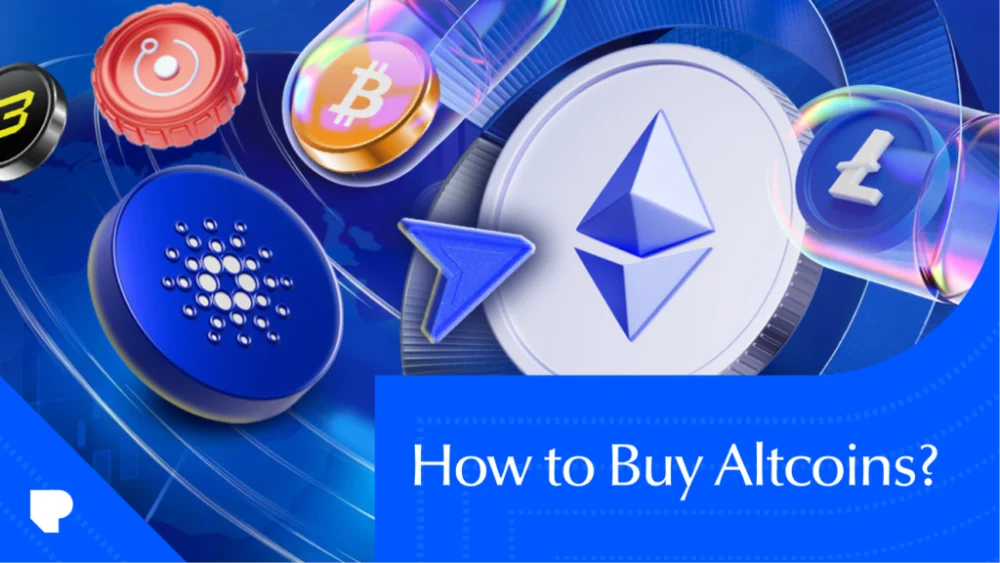
The quest to understand how to buy altcoins opens a vast portal to a dynamic and evolving world of digital asset investment. For many, venturing beyond Bitcoin represents a strategic move to diversify portfolios and tap into the burgeoning potential of the broader cryptocurrency ecosystem. This in-depth guide aims to demystify the process, from grasping the fundamental nature of altcoins to navigating the intricacies of exchange selection, secure storage, and crucial risk assessment.
Understanding the Altcoin Universe
Altcoins, a portmanteau of "alternative coins," are digital currencies that emerged after Bitcoin, the pioneering cryptocurrency. They are designed to offer distinct functionalities, technological advancements, or specialized use cases within the decentralized landscape. While Bitcoin primarily serves as a store of value and a medium of exchange, altcoins often aim to address perceived limitations of Bitcoin or explore entirely new applications.
The spectrum of altcoins is incredibly broad, encompassing major players like Ethereum (ETH), known for its smart contract capabilities that power decentralized applications (dApps) and Non-Fungible Tokens (NFTs), and Cardano (ADA), which emphasizes a research-driven approach to scalability and sustainability. Beyond these giants lie thousands of smaller, niche tokens, each with unique objectives ranging from facilitating decentralized finance (DeFi) protocols, powering blockchain-based gaming, enhancing supply chain management, or even serving as governance tokens for specific decentralized autonomous organizations (DAOs).
The rise of altcoins has been a significant narrative in the cryptocurrency space. Following Bitcoin’s initial success, developers and entrepreneurs began experimenting with blockchain technology, leading to a proliferation of alternative projects. This innovation has not only expanded the utility of blockchain but also presented investors with a wider array of choices, each with its own risk-reward profile. The total market capitalization of altcoins, excluding Bitcoin, has grown substantially over the years, reflecting increasing investor interest and the maturation of the underlying technologies. For instance, in early 2024, the altcoin market capitalization, excluding Bitcoin, reached hundreds of billions of dollars, showcasing its significant presence in the global financial landscape.
Where and How to Acquire Altcoins: A Two-Pronged Approach
The acquisition of altcoins typically occurs through cryptocurrency exchanges, which function as digital marketplaces. These platforms facilitate the trading of fiat currencies (like USD, EUR) or other cryptocurrencies for a wide array of altcoins. Investors have two primary avenues for purchasing altcoins: centralized exchanges (CEXs) and decentralized exchanges (DEXs).
Navigating Centralized Exchanges (CEXs): A Step-by-Step Framework
Centralized exchanges operate under the stewardship of a single entity, offering a regulated and often user-friendly environment for trading. These platforms are generally favored by beginners due to their intuitive interfaces and robust customer support.
-
Account Creation and Verification: The initial step involves registering an account on a reputable CEX such as Binance, Coinbase, or Kraken. This process typically requires providing an email address, creating a secure password, and often undergoing Know Your Customer (KYC) verification. KYC procedures, mandated by regulatory bodies to combat money laundering and terrorism financing, involve submitting identification documents like a driver’s license or passport. This rigorous verification ensures compliance with global financial regulations and enhances the security of the trading environment. For example, many exchanges report completing tens of millions of KYC verifications annually, underscoring the scale of regulated digital asset trading.

-
Wallet Integration: Upon account activation, users are often provided with a built-in wallet hosted by the exchange. Alternatively, for enhanced security and control, users can link an external cryptocurrency wallet. It is paramount to secure the wallet’s recovery phrase (also known as a seed phrase), a sequence of words that grants access to your funds, and store it offline in a safe location. The importance of this phrase cannot be overstated; it is the ultimate key to your digital assets.
-
Funding Your Account: Before acquiring altcoins, investors typically need to fund their exchange account. This can be achieved through various methods, including direct bank transfers (ACH, wire transfers), credit or debit card purchases, or by depositing existing cryptocurrencies.
-
Purchasing Stablecoins: Many investors opt to first purchase stablecoins, such as Tether (USDT) or USD Coin (USDC). These cryptocurrencies are pegged to the value of a fiat currency, typically the US dollar, offering price stability. Stablecoins serve as an effective intermediary, simplifying the process of trading for a wide variety of altcoins that may not have direct fiat trading pairs.
-
Trading for Altcoins: Once stablecoins are in the account, users can navigate to the exchange’s trading interface. Here, they select the desired altcoin and pair it with their stablecoin (e.g., USDT/ETH). By specifying the amount to trade, the exchange executes the transaction through its order book, instantly converting the stablecoins into the chosen altcoin. The acquired altcoins are then credited to the user’s exchange wallet.
-
Secure Storage: After the purchase, investors have several options for storing their altcoins. They can leave them on the exchange wallet for convenience, especially for active trading. However, for long-term holding and enhanced security, transferring the altcoins to a personal hardware wallet (a type of cold storage) is highly recommended. Enabling two-factor authentication (2FA) on the exchange account is an essential security measure regardless of where the coins are stored.
Exploring Decentralized Exchanges (DEXs): The Peer-to-Peer Frontier
Decentralized exchanges operate without a central authority, facilitating direct peer-to-peer trading through smart contracts. This model offers greater privacy and user control but typically requires a higher degree of technical proficiency.
-
Wallet Connection: The primary requirement for engaging with a DEX is a compatible cryptocurrency wallet, such as MetaMask or Trust Wallet. These non-custodial wallets allow users to directly interact with decentralized applications. The wallet must be funded with a cryptocurrency that serves as the base trading pair on the chosen DEX (e.g., Ethereum (ETH) for Uniswap, Binance Coin (BNB) for PancakeSwap).
-
Selecting a DEX: Numerous DEXs are available, each operating on different blockchain networks. Prominent examples include Uniswap (Ethereum), PancakeSwap (BNB Smart Chain), and SushiSwap (multi-chain). Investors should research the DEX’s reputation, security audits, and the liquidity of the trading pairs they intend to use.

-
Ensuring Sufficient Base Currency: Prior to initiating a trade, the user’s connected wallet must contain an adequate amount of the base currency required for the transaction. This includes the funds for the altcoin purchase itself, as well as transaction fees (gas fees), which can fluctuate significantly based on network congestion.
-
Executing the Swap: Within the DEX interface, users select the altcoin they wish to acquire and the base currency they will use. By inputting the desired amount, the smart contract facilitates the exchange. The user then confirms the transaction through their connected wallet, paying the associated gas fees. Once confirmed on the blockchain, the altcoins are transferred directly into the user’s wallet.
-
Securing Altcoins: All altcoins acquired through a DEX are automatically held within the user’s self-custodial wallet. This provides complete control but also places the full responsibility for security on the user. Safeguarding the recovery phrase, using strong passwords, and being vigilant against phishing attempts are critical.
Key Exchanges for Altcoin Trading
The choice of exchange significantly impacts the trading experience. Several platforms stand out for their features, security, and range of available altcoins.
- Binance: As one of the largest cryptocurrency exchanges globally by trading volume, Binance offers an extensive selection of altcoins, advanced trading tools, and competitive fees. Its comprehensive platform caters to both novice and experienced traders.
- Coinbase: Renowned for its user-friendly interface and robust security, Coinbase is an excellent starting point for beginners. It supports a wide range of popular altcoins and provides educational resources to help users understand the market.
- Kraken: With a strong reputation for security and excellent customer support, Kraken offers a diverse array of altcoins and features such as staking and margin trading. It is a trusted platform for a wide spectrum of traders.
- KuCoin: Known for its vast listing of altcoins, including many emerging tokens, KuCoin provides low trading fees and innovative features like lending and staking services.
- Uniswap (DEX): For users who prefer a decentralized approach, Uniswap is a leading DEX that allows direct trading from a user’s wallet, offering unparalleled privacy and control.
Factors to Consider When Choosing an Altcoin
Investing in altcoins requires careful due diligence. Beyond the mechanics of buying, understanding how to select the right altcoin is paramount.
- Market Liquidity: High liquidity is crucial, indicating that an altcoin can be easily bought or sold without causing significant price fluctuations. This ease of trading ensures that investors can exit positions efficiently when needed. Data from CoinMarketCap or CoinGecko can provide insights into trading volumes and liquidity for various altcoins.
- Price Trends and Volatility: Analyzing historical price charts and understanding an altcoin’s volatility is essential. While consistent upward trends might suggest growth potential, extreme volatility can signal higher risk. Tools like candlestick charts and technical indicators can aid in this analysis.
- Use Case and Utility: The fundamental value of an altcoin often lies in its practical application. Investors should assess the problem the altcoin aims to solve and its real-world utility. Projects with strong use cases, such as those powering DeFi protocols or innovative blockchain solutions, often possess greater long-term potential. For instance, Ethereum’s utility as the backbone for decentralized applications has driven its significant growth.
- Development Team and Community: The credibility and expertise of the development team, along with the strength and engagement of the project’s community, are vital indicators. Transparent development teams with a proven track record and an active, supportive community can be strong predictors of a project’s future success. Monitoring developer activity on platforms like GitHub and community discussions on forums like Reddit can offer valuable insights.
Secure Storage: Protecting Your Digital Assets
Once altcoins are acquired, their secure storage is paramount to prevent loss or theft.
- Hot Wallets: These wallets are connected to the internet, offering convenience for frequent transactions. Examples include mobile wallets (e.g., Exodus, Trust Wallet) and web-based wallets integrated with exchanges. While convenient, they are more susceptible to online threats. Implementing strong passwords and 2FA is critical.
- Cold Wallets: For long-term storage and maximum security, cold wallets are recommended. These include hardware wallets (e.g., Ledger, Trezor) which are physical devices that store private keys offline, and paper wallets, which are printed private keys. Cold wallets are virtually immune to online hacking attempts. However, users must diligently back up their recovery phrases and store them securely.
Understanding the Risks Associated with Altcoin Investments
While the potential for significant returns in the altcoin market is attractive, it is imperative to acknowledge and understand the inherent risks.
- Market Volatility: The cryptocurrency market, particularly the altcoin sector, is known for its extreme price fluctuations. Altcoin prices can experience rapid and substantial drops, leading to significant financial losses. The market is influenced by a myriad of factors, including regulatory news, technological developments, and broader macroeconomic trends.
- Regulatory Uncertainty: The regulatory landscape for cryptocurrencies is still evolving globally. New regulations or government crackdowns can significantly impact the value and accessibility of altcoins. Jurisdictions are continuously developing frameworks for digital assets, leading to periods of uncertainty.
- Security Risks: Exchanges can be vulnerable to hacks, and individual wallets can be compromised through phishing attacks or malware. The decentralized nature of some altcoins also means that vulnerabilities in smart contracts can be exploited, leading to losses. The history of cryptocurrency is unfortunately punctuated by high-profile exchange hacks, underscoring the need for robust personal security measures.
- Project Failure: Many altcoin projects fail to achieve their objectives or gain widespread adoption. Factors such as poor management, lack of funding, or failure to innovate can lead to the collapse of a project and the devaluation of its associated token. A study by Coinopsy indicated that a significant percentage of listed cryptocurrencies have been abandoned or are scams.
- Liquidity Issues: Smaller altcoins may suffer from low liquidity, making it difficult to sell them at a desired price, especially during market downturns. This can lead to investors being unable to exit their positions without incurring substantial losses.
Conclusion
The journey into altcoin investment is one of exploration, requiring a blend of strategic planning, diligent research, and a clear understanding of the associated risks. By comprehending the diverse world of altcoins, mastering the acquisition process through both centralized and decentralized exchanges, and prioritizing secure storage, investors can position themselves to navigate this dynamic market with greater confidence. While the potential for diversification and substantial returns is evident, a cautious and informed approach, coupled with a commitment to continuous learning, is essential for success in the ever-evolving cryptocurrency landscape.

Frequently Asked Questions
What is the easiest way to buy altcoins?
The most straightforward method for acquiring altcoins, particularly for beginners, is through a reputable centralized exchange (CEX) like Coinbase or Binance. These platforms offer user-friendly interfaces that guide users through account creation, identity verification, and the purchase of altcoins using fiat currencies or stablecoins.
Can I buy altcoins with USD?
Yes, the vast majority of major centralized cryptocurrency exchanges facilitate the purchase of altcoins using USD. Platforms such as Coinbase, Kraken, and Binance allow users to deposit USD via various methods, including bank transfers, credit cards, and debit cards, which can then be used to buy altcoins.
Which exchange has the most altcoins?
Binance is widely recognized for offering the most extensive selection of altcoins for trading. Its platform hosts hundreds of different cryptocurrencies across numerous trading pairs, making it a preferred choice for investors seeking broad diversification within the altcoin market.
What is the best altcoin to buy right now?
Determining the "best" altcoin to buy is subjective and depends heavily on an individual’s investment goals, risk tolerance, and market analysis. However, consistently strong performers and projects with significant utility include Ethereum (ETH) for its smart contract ecosystem, Cardano (ADA) for its focus on scalability and sustainability, and Solana (SOL) for its high-speed transaction capabilities. It is crucial to conduct thorough research before investing in any specific altcoin.
Can I buy altcoins without KYC?
Yes, it is possible to buy altcoins without undergoing KYC verification by utilizing decentralized exchanges (DEXs) such as Uniswap or PancakeSwap. These platforms enable direct peer-to-peer trading from a user’s cryptocurrency wallet without requiring personal identification, thereby offering a more private trading experience.