Lina Irawan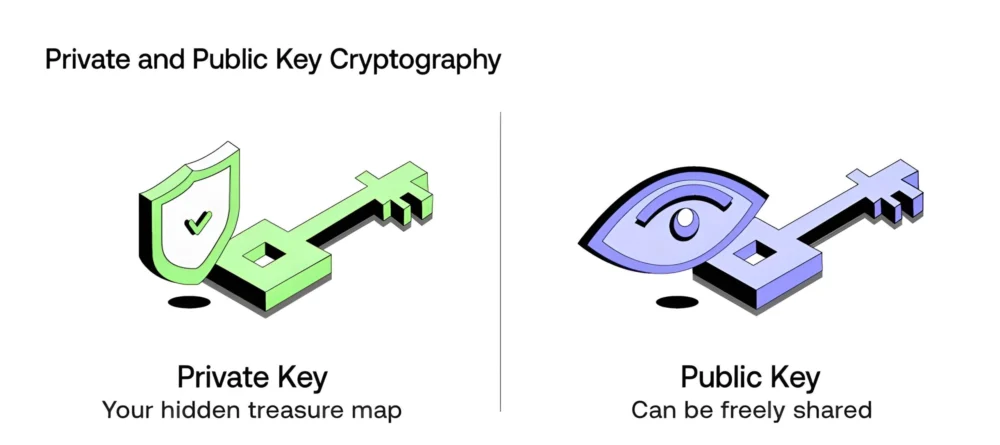
A private key is the bedrock of cryptocurrency ownership, the silent guardian of digital assets, and the ultimate arbiter of control within the decentralized finance ecosystem. Whether an individual is sending, receiving, or simply holding digital currencies, this complex alphanumeric code is the non-negotiable prerequisite for securing a wallet, proving ownership, and authorizing every single transaction. Functioning in tandem with its public counterpart, the private key is a long, randomly generated sequence that forms the cryptographic backbone of blockchain security. This article delves into the intricacies of private keys, dissecting their operational mechanics, underscoring their paramount significance, and providing a comprehensive guide to their management, the inherent threats they face, and the best practices essential for safeguarding cryptocurrency holdings.
The Genesis and Essence of a Private Key
At its core, a private key is a secret cryptographic code indispensable for accessing and managing assets held within a cryptocurrency wallet. It is typically a lengthy alphanumeric string, generated through sophisticated cryptographic algorithms during the creation of a new crypto wallet. This secret key operates in conjunction with a public key, forming a pair that enables secure and verifiable blockchain transactions. While the public key can be freely disseminated, serving a similar function to an email address or bank account number for receiving funds, the private key must remain an absolute secret to prevent unauthorized access and control over one’s digital wealth.
The relationship between the public and private key is asymmetrical. The public key is derived from the private key, but it is mathematically impossible to derive the private key from the public key. This asymmetry is the cornerstone of blockchain security. The public key is instrumental in generating wallet addresses – the unique identifiers that others use to send cryptocurrency to a user. Conversely, the private key is the sole instrument for authorizing outgoing transactions and creating digital signatures. These signatures serve as irrefutable proof that the holder of the private key, and no one else, initiated and approved a particular action or transaction.
The Cryptographic Ballet: How Private Keys Function
The operational magic of a private key is rooted in the principles of asymmetric cryptography, also known as public-key cryptography. In this paradigm, a private key and its corresponding public key are mathematically linked through a one-way function. For most prominent blockchains, such as Bitcoin and Ethereum, this function involves elliptic curve multiplication. This process ensures that while the public key can be readily derived from the private key, the reverse operation – deriving the private key from the public key – is computationally infeasible.
When a transaction is initiated, the wallet software utilizes the private key to generate a unique digital signature for that specific transaction. This signature is a cryptographic proof of authenticity. The corresponding public key, which is known to the network, is then used to verify the validity of this digital signature. This verification process confirms that the transaction was indeed authorized by the legitimate owner of the private key without ever revealing the private key itself to the network or any third party. This robust system guarantees the security of digital assets by ensuring that the private key, the ultimate access credential, is securely stored and never exposed to the public internet, thereby thwarting any attempts at unauthorized access to the wallet and its contents.
The Multifaceted Advantages of Private Key Encryption
The application of private key encryption, particularly within the broader context of cryptographic systems, offers a suite of critical benefits that underpin digital security:
1. Performance and Speed
While often associated with symmetric encryption for its speed, the principles of efficient key management extend to private key systems. In scenarios where bulk data encryption and decryption are paramount, the computational efficiency of algorithms linked to private keys can lead to significantly faster processing times compared to more complex, multi-step cryptographic operations. This speed is crucial for real-time applications and high-throughput systems where latency is a critical factor.
2. Data Integrity
A fundamental benefit of private key systems is their ability to ensure data integrity. When information is encrypted using a private key (or a key derived from it), the recipient can use the corresponding public key to decrypt and verify the data. If the data has been tampered with or corrupted during transmission, the decryption process will fail, or the resulting data will be nonsensical. This provides a clear signal of a potential security breach or data corruption, allowing for immediate corrective action.

3. Confidentiality
The paramount advantage of private key encryption is the assurance of confidentiality. Since the private key is known only to the authorized owner, any party without this secret key is effectively barred from decrypting sensitive messages or accessing protected information. As long as the private key remains secure and undisclosed, the encryption system provides a robust shield against unauthorized exposure of data across networks.
4. Authentication and Integrity
When integrated with public key cryptography, private keys play a vital role in establishing both authentication and integrity. The ability of a private key to generate a unique digital signature that can be verified by its corresponding public key allows for the confirmation of the sender’s identity and the assurance that the message or transaction has not been altered since it was signed. This two-fold verification process is a cornerstone of secure digital communication and transactions.
Practical Applications of Private Keys
The utility of private keys extends far beyond the realm of cryptocurrency, permeating various aspects of modern digital security:
1. Decrypting Messages or Data
In asymmetric encryption schemes, a private key is the essential tool for decrypting data that was encrypted using its corresponding public key. A sender will encrypt sensitive information using the recipient’s public key. Only the recipient, possessing the correct private key, can then decrypt this information and access the original message. This ensures that sensitive data remains accessible only to the intended recipient.
2. Creating Digital Signatures
The generation of digital signatures is a primary function of private keys. When a user signs a document, message, or transaction, their private key is used in conjunction with an encryption algorithm to produce a unique signature. This signature is cryptographically linked to the public key. Anyone who possesses the public key can then verify the signature, confirming that it was created by the owner of the private key and that the content has not been modified.
3. Accessing Secure Systems
Private keys are fundamental to securing access to various online systems and services. For instance, Secure Sockets Layer (SSL) certificates, used to establish secure HTTPS connections, rely on public and private key pairs. The private key is securely stored on the server, enabling encrypted communication and protecting sensitive data exchanged between a user’s browser and the website.
4. Authorizing Cryptocurrency Transactions
Within the cryptocurrency landscape, the private key is the ultimate gatekeeper to a user’s digital assets. When a user initiates a transaction to send cryptocurrency, their wallet uses the private key to generate a digital signature. This signature serves as irrefutable proof of ownership of the funds being transacted. The blockchain network then verifies this signature using the associated public key before approving and recording the transaction. Consequently, the loss of a private key directly translates to the irreversible loss of access to and control over the associated cryptocurrency wallet and its funds. This stark reality has led many users to adopt robust security measures, such as storing their private keys on offline hardware wallets, like Ledger Nano X, rather than leaving them exposed in "hot" wallets or other internet-connected software.
Navigating the Divide: Private Keys vs. Public Keys
Private keys and public keys are inextricably linked, forming a cryptographic pair that underpins the security of digital transactions. However, their roles and characteristics are distinctly different:
| Aspect | Public Key | Private Key |
|---|---|---|
| Visibility | Can be shared openly with anyone. | Must be kept absolutely secret. |
| Primary Role | Encrypts data for the private key holder; verifies digital signatures. | Decrypts data encrypted by the public key; creates digital signatures. |
| Generation | Derived from the private key through a one-way mathematical process. | Generated first and serves as the root of the key pair. |
| Usage Example | Used as a wallet address to receive cryptocurrency. | Used to spend cryptocurrency and access funds. |
| Security | Sharing poses no direct risk to asset security. | Compromise grants full control and leads to loss of funds. |
| Performance | Verification operations can be computationally intensive. | Signing operations are generally faster. |
Distinguishing Private Keys from Passwords
It is crucial to differentiate between private keys and passwords, as their functions and security implications vary significantly:

| Aspect | Private Key | Password |
|---|---|---|
| Type | A complex, randomly generated cryptographic string (e.g., 256-bit number). | A human-readable sequence of characters, often a mix of letters, numbers, and symbols. |
| Usage | Signs transactions, proves ownership, decrypts data, controls wallet access. | Authenticates a user to an account or service; grants access to a system. |
| Storage | Stored securely on the user’s device or hardware wallet; must never be shared. | Often hashed and stored on servers; can be reset if forgotten. |
| Security Model | Relies on asymmetric cryptography; irreversible loss means permanent asset loss. | Relies on shared secrets; vulnerable to breaches, phishing, and brute-force attacks. |
| Recoverability | No inherent recovery mechanism; loss is permanent. | Typically recoverable through password reset procedures (email, SMS, support). |
| Vulnerability | Theft leads to complete loss of control over assets. | Compromise can lead to account takeover, data theft, or phishing. |
| Crypto Relevance | Essential for controlling crypto wallets and authorizing transactions. | Protects access to cryptocurrency exchanges or online services, not the funds directly. |
The Ever-Present Threats to Private Keys
The security of private keys is paramount, yet they face a sophisticated array of threats from malicious actors. These threats can be broadly categorized:
- Malware and Viruses: Malicious software designed to infiltrate devices can scan for and exfiltrate private keys stored on compromised systems. Keyloggers, a type of malware, record every keystroke, potentially capturing private keys as they are typed.
- Phishing and Social Engineering: Deceptive tactics, such as fake websites or emails that impersonate legitimate services, aim to trick users into revealing their private keys or seed phrases. Social engineering exploits human psychology to gain access to sensitive information.
- Insider Threats: In some cases, individuals with privileged access to systems where private keys might be stored could misuse this access.
- Hardware Vulnerabilities: While hardware wallets are generally considered secure, sophisticated attacks could potentially exploit vulnerabilities in their firmware or physical components.
- Physical Theft or Loss: The physical loss or theft of a device storing a private key, such as a laptop or a hardware wallet, can lead to the loss of digital assets if the device is not adequately protected by other security measures (e.g., strong passwords, encryption).
- Insecure Storage Practices: Users who store their private keys in plain text files on cloud storage, email drafts, or share them via insecure messaging apps are highly vulnerable.
Mastering Private Key Management: Challenges and Secure Practices
Effectively managing private keys presents significant challenges, but adhering to best practices can drastically mitigate risks.
Challenges in Private Key Management
- Complexity: The alphanumeric nature of private keys makes them difficult for humans to memorize, necessitating secure storage solutions.
- Irreversibility of Loss: Unlike passwords, lost private keys cannot be reset or recovered through standard means. This finality places immense pressure on users to safeguard them meticulously.
- Balancing Accessibility and Security: Users need to access their funds, but excessive accessibility can increase the attack surface. Finding the right balance is a constant challenge.
- User Error: A significant percentage of crypto losses stem from human error, such as sending funds to the wrong address or mismanaging private keys.
How to Keep Your Keys Secure
- Hardware Wallets: These are dedicated physical devices designed to store private keys offline, isolated from internet connectivity. They are widely regarded as the most secure option for storing significant amounts of cryptocurrency. Examples include Ledger and Trezor devices.
- Cold Storage: This refers to storing private keys offline, completely disconnected from the internet. This can involve paper wallets (printing private keys and storing them securely) or air-gapped computers.
- Seed Phrase Management: When setting up a wallet, users are typically provided with a seed phrase (usually 12 or 24 words). This phrase acts as a master backup for all private keys within that wallet. It must be written down and stored securely in multiple, geographically dispersed locations, never digitally.
- Multi-Signature Wallets: These wallets require multiple private keys to authorize a transaction. This adds an extra layer of security, as an attacker would need to compromise several keys to gain control.
- Regular Backups: Regularly backing up your wallet’s seed phrase and storing these backups securely is crucial.
- Avoid Sharing: Never share your private key or seed phrase with anyone, under any circumstances, regardless of how legitimate the request may seem.
- Secure Your Devices: Ensure that any device used to interact with your crypto wallet is protected with strong passwords, up-to-date security software, and encrypted.
- Be Wary of Online Interactions: Exercise extreme caution when interacting with websites, applications, or services that request your private key or seed phrase.
Conclusion
In essence, the private key stands as the linchpin of cryptocurrency ownership and the foundational element of security within blockchain technology. It empowers users with complete control over their digital assets, enabling them to authorize transactions and secure their holdings. While the public key facilitates verification and the receiving of funds without revealing the secret key, the private key is the ultimate arbiter of access. To fortify your digital assets, prioritize offline storage solutions like hardware wallets, maintain secure and redundant backups of your seed phrase, and always employ robust encryption protocols. The diligent management of private keys is not merely a recommendation; it is an imperative for anyone venturing into the world of digital assets.
Frequently Asked Questions
How can I see my private key?
Most cryptocurrency wallets provide an option within their settings to view the private key. For hardware wallets, the private key is securely stored offline, and the device will offer a secure method to reveal it. It is imperative to understand that exposing your private key outside of a secure device significantly increases the risk of theft.
Can a private key be hacked?
Yes, a private key can be compromised. If a private key is stored on software connected to the internet, it becomes vulnerable to malware, phishing attacks, and sophisticated hacking attempts. Employing offline storage solutions, such as hardware wallets or cold storage, dramatically reduces this risk.
How do I recover my private key?
A lost private key cannot be recovered without a proper backup. Therefore, robust private key management necessitates creating secure backups of your seed phrase and storing them in multiple secure locations. The use of strong encryption algorithms for any digital copies is also highly recommended.
Is a password the same as a private key?
No. A password is used for authentication to an account or device and can typically be reset. A private key, on the other hand, is a cryptographic string that grants direct control over a cryptocurrency wallet, allowing for the signing of transactions and protection of encrypted data. Losing a private key results in the permanent loss of associated crypto funds, unlike a forgotten password.
What’s the difference between a private key and a seed phrase?
A private key is a singular cryptographic key that provides control over a specific wallet and authorizes transactions. A seed phrase, conversely, is a backup composed of multiple words that can be used to regenerate all the private keys associated with a wallet. This phrase is typically generated when a wallet is created and serves as a master recovery mechanism in case of device loss or failure.