admin
admin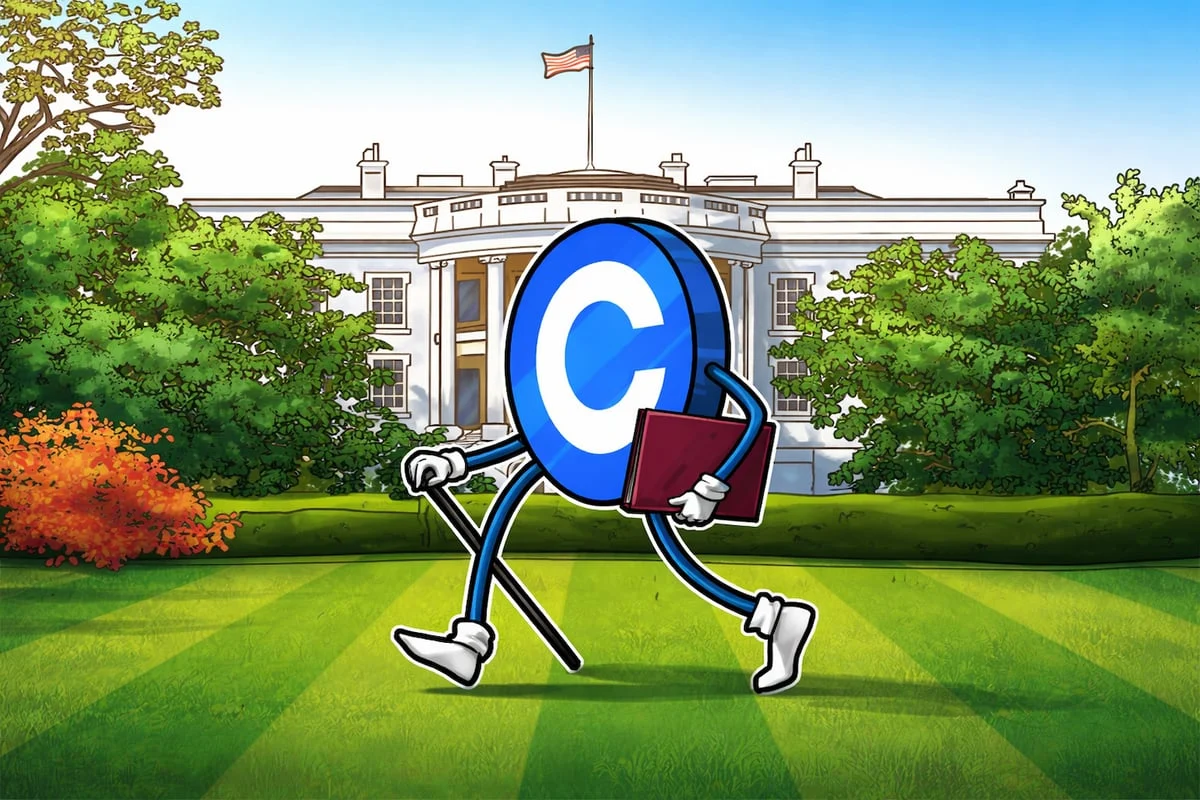
In a move that signals a significant realignment between the federal government and the upper echelons of Silicon Valley, President Donald Trump has officially appointed 13 high-profile members to the President’s Council of Advisors on Science and Technology (PCAST). The announcement, issued via a White House notice on Wednesday, March 11, 2026, marks the fulfillment of a January 2025 executive order that sought to re-establish the council as a primary advisory body for the executive branch. The newly appointed members represent a cross-section of the most influential sectors in the modern global economy, including artificial intelligence, cryptocurrency, cloud computing, and semiconductor manufacturing.
The council is set to be co-chaired by David Sacks, who currently serves as the White House "AI and Crypto Czar," and Michael Kratsios, the President’s Science Advisor. This leadership structure underscores the administration’s intent to prioritize emerging technologies as pillars of national security and economic growth. Among the notable appointees are Meta CEO Mark Zuckerberg, Nvidia CEO Jensen Huang, Oracle Chief Technology Officer Larry Ellison, and Coinbase co-founder Fred Ehrsam. The White House indicated that the council could eventually expand to 24 members, with further appointments expected in the coming months.
A Strategic Pivot Toward Industry-Led Innovation
The re-establishment of PCAST under the Trump administration represents a departure from previous iterations of the council, which often leaned heavily toward academic researchers and theoretical scientists. By populating the council with active CEOs and industry pioneers, the administration is positioning the United States to adopt a more aggressive, market-driven approach to technological competition.
The mandate for the council, as outlined in the January 2025 executive order, is to provide the President with "expert advice on matters involving science, technology, education, and innovation policy." However, the inclusion of figures like Jensen Huang and Mark Zuckerberg suggests that the council’s primary focus will be the rapid commercialization and deployment of artificial intelligence and the solidification of American dominance in the global chip supply chain.
Nvidia, under Huang’s leadership, has become the world’s most valuable semiconductor company, providing the essential hardware required for large language models and generative AI. Huang’s appointment follows a series of high-level discussions between Nvidia and the administration regarding export controls on advanced chips, particularly those destined for competitive markets like China. Similarly, the appointment of Larry Ellison brings decades of experience in enterprise data management and cloud infrastructure, areas that are increasingly vital for government modernization efforts.
Chronology of the Council’s Re-establishment
The formation of this council is the culmination of a multi-year effort to integrate private-sector expertise into federal policymaking. The timeline of this integration began shortly after the 2024 presidential election:
- November 2024: Following the election victory, several tech leaders, including Mark Zuckerberg, visited the President-elect at his Mar-a-Lago estate to discuss the future of the digital economy.
- January 2025: President Trump signs an executive order re-establishing PCAST, emphasizing the need for the United States to "win the race for the future."
- September 2025: A White House dinner is held for major tech executives, further mending relationships between the administration and Silicon Valley leaders who were previously critical of the President.
- January 2026: The Senate Agriculture Committee advances a version of the CLARITY Act, a market structure bill for digital assets, signaling a legislative push to match the administration’s pro-crypto stance.
- March 2026: The first 13 members of the council are officially named, including representatives from the blockchain and AI sectors.
The Convergence of AI and Cryptocurrency
The appointment of Fred Ehrsam of Coinbase and the co-chairing role of David Sacks highlight the administration’s focus on the "digital asset revolution." For the first time, cryptocurrency and blockchain technology have been given a permanent seat at the table of the nation’s highest scientific advisory body. This move comes at a critical juncture for the industry, as it faces a complex web of regulatory challenges and legislative delays.
David Sacks, as the designated AI and Crypto Czar, has been a vocal advocate for reducing the regulatory burden on decentralized technologies. His role on the council is expected to bridge the gap between technical innovation and federal oversight. The administration’s goal is to create a "unified national framework" that prevents state-level regulations from creating a fragmented market, a strategy that was recently articulated in a White House national AI framework released just days prior to the PCAST appointments.
Supporting Data: The Economic Weight of the Council
The collective market influence of the companies represented on the council is unprecedented. As of early 2026, the combined market capitalization of companies led by the council’s members—including Nvidia, Meta, Oracle, and Coinbase—exceeds $7 trillion. This concentration of economic power reflects the administration’s belief that national science policy cannot be divorced from industrial reality.

- Nvidia (Jensen Huang): Dominates over 80% of the global AI chip market.
- Meta (Mark Zuckerberg): Controls the world’s largest social media ecosystem and is a leader in open-source AI development.
- Oracle (Larry Ellison): A primary provider of cloud services to federal agencies and large-scale enterprises.
- Coinbase (Fred Ehrsam): The leading US-based cryptocurrency exchange, currently at the center of the fight for regulatory clarity in digital assets.
By bringing these leaders into the fold, the White House aims to leverage their technical infrastructure to implement federal policies more efficiently, particularly in the realms of digital voting security and national defense AI.
Legislative Stagnation and the SAVE America Act
Despite the high-profile nature of these appointments, the administration’s broader technological and regulatory agenda faces significant hurdles in Congress. The primary obstacle remains the CLARITY Act, a comprehensive bill designed to establish a market structure for digital assets. While the bill passed the House of Representatives in July 2025, it has since stalled in the Senate.
Progress has been hampered by a series of government shutdowns, scheduled recesses, and internal disagreements over stablecoin yields. Furthermore, the Senate Banking Committee recently postponed a critical markup of the bill after Coinbase CEO Brian Armstrong expressed concerns that the current draft could not be supported by the industry as written.
Compounding these delays is the President’s firm stance on the SAVE America Act. On March 8, 2026, President Trump stated that he would refuse to sign any other legislation until Congress passes the act, which requires proof of citizenship for voter registration. This legislative deadlock has created a sense of urgency within the newly formed PCAST, as members seek to find administrative or executive pathways to advance tech policy in the absence of new laws.
Official Reactions and Industry Sentiment
The response to the appointments has been largely positive within the tech community, though some consumer advocacy groups have raised concerns regarding potential conflicts of interest. Michael Kratsios, co-chair of the council, stated that the group would focus on "ensuring that American values remain at the heart of the global technological landscape."
Industry analysts suggest that the inclusion of Mark Zuckerberg is particularly symbolic. Zuckerberg’s relationship with the Trump administration has historically been fraught, but his recent outreach—including the Mar-a-Lago visit and subsequent White House appearances—indicates a pragmatic pivot. For Meta, a seat on PCAST offers an opportunity to influence AI safety standards and section 230 reforms from the inside.
Conversely, some critics argue that the council is too heavily weighted toward "Big Tech" and may overlook the needs of smaller startups or academic researchers. "While it is important to have industry leaders at the table, we must ensure that the council’s recommendations serve the public interest and not just the quarterly earnings of the companies involved," said one policy analyst from a Washington-based think tank.
Broader Impact and Global Implications
The formation of this council is not merely a domestic policy move; it is a signal to the international community. As China continues to invest heavily in its "Greater Bay Area" tech hub and state-led AI initiatives, the United States is doubling down on a model of "Corporate-Federal Synergy."
The council’s work is expected to influence several key areas:
- AI Sovereignty: Developing domestic compute capacity to reduce reliance on foreign supply chains.
- Blockchain Integration: Exploring the use of distributed ledger technology for government record-keeping and financial transparency.
- STEM Education: Crafting initiatives to retrain the American workforce for an AI-driven economy.
- Export Controls: Refining the list of "critical technologies" that are restricted from being shared with adversarial nations.
As PCAST prepares for its first official meeting, the eyes of the global tech industry will be on Washington. The collaboration between these 13 members and the executive branch will likely define the trajectory of American innovation for the remainder of the decade. Whether this council can overcome the legislative gridlock in the Senate remains to be seen, but the administration has made one thing clear: the future of American science and technology will be built in partnership with the titans of industry.