Nila Kartika Wati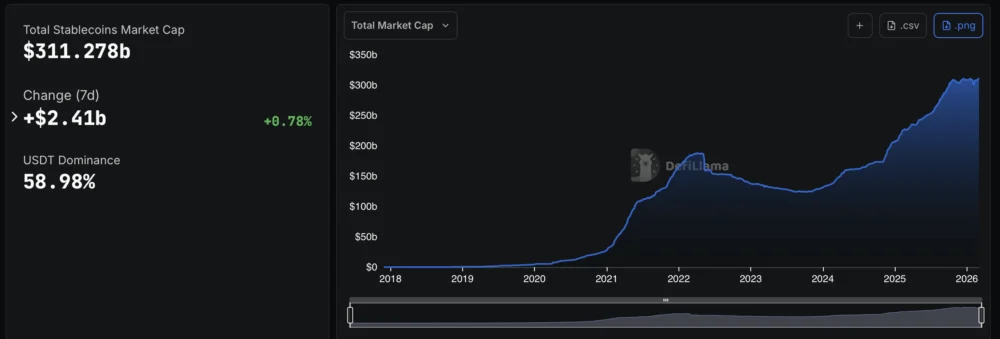
SoFi Technologies has announced a groundbreaking collaboration with Mastercard, enabling the settlement of transactions using its proprietary dollar-backed stablecoin, SoFiUSD, across Mastercard’s extensive global payments network. This strategic alliance positions SoFiUSD, a digital dollar issued by a nationally chartered and insured U.S. bank, to facilitate card transaction settlements for a wide array of financial institutions, allowing both issuers and acquirers to leverage the efficiencies of a regulated digital currency. The move signifies a pivotal step in the integration of stablecoins into mainstream financial infrastructure, potentially transforming the speed, cost, and accessibility of global payments.
A New Era for Card Transaction Settlement
Under the terms of the new agreement, SoFi Bank N.A. itself plans to be among the first to utilize this innovative capability, settling its own Mastercard credit and debit transactions directly in SoFiUSD. This internal adoption serves as a powerful demonstration of the stablecoin’s utility and the partnership’s immediate operational impact. Beyond its own operations, SoFi’s robust payments technology platform, Galileo, which serves numerous client banks and card issuers, will extend the option to use SoFiUSD for transaction settlement across Mastercard’s network. As a leading processor in the payments industry, Galileo’s integration means that a significant number of financial entities could soon have access to this cutting-edge settlement mechanism.
The core innovation lies in SoFiUSD being the first stablecoin issued by a U.S. nationally chartered and insured deposit bank on a public, permissionless blockchain. This unique characteristic addresses critical concerns around regulatory compliance, stability, and consumer protection, offering a secure and reliable digital asset. A primary advantage highlighted by the company is the ability to settle transactions 24 hours a day, seven days a week, a stark contrast to the traditional banking system’s often restricted operating hours. This round-the-clock functionality promises to unlock unprecedented levels of liquidity and operational efficiency for financial institutions.
SoFiUSD: A Regulated Digital Dollar
SoFiUSD, which officially launched in December of the previous year, is issued by SoFi Bank, an institution regulated by the Office of the Comptroller of the Currency (OCC) and operating as an insured depository institution. Crucially, the stablecoin is backed 1:1 by cash reserves, ensuring its peg to the U.S. dollar and mitigating volatility concerns often associated with other cryptocurrencies. This robust backing and regulatory oversight are foundational to its appeal within traditional financial frameworks. Mastercard’s sophisticated Multi-Token Network is designed to support a diverse range of digital assets alongside traditional fiat currencies and tokenized deposits, making it an ideal platform for the integration of SoFiUSD. This network’s architecture is built to accommodate the evolving landscape of digital finance, providing interoperability and scalability.
"This partnership with Mastercard is a monumental step in bridging the gap between traditional finance and the innovative potential of blockchain technology," a SoFi spokesperson might have stated, emphasizing the commitment to regulatory compliance and consumer trust. "By leveraging SoFiUSD for settlement, we are not just speeding up transactions; we are laying the groundwork for a more efficient, accessible, and resilient global payments system that operates continuously, without the constraints of legacy infrastructure."
Strategic Rationale and Broader Implications
The strategic impetus behind this partnership is multifaceted. For SoFi, it solidifies its position as a pioneer in digital banking and fintech innovation, showcasing its ability to merge traditional banking services with cutting-edge blockchain technology. For Mastercard, it represents a significant advancement in its long-term strategy to embrace and integrate digital assets into its global network, ensuring it remains at the forefront of payment innovation. The collaboration also signals a growing acceptance and institutional validation of stablecoins as a legitimate and powerful tool for enhancing payment efficiency.
The ability to settle transactions 24/7 has profound implications. It can drastically reduce the time and cost associated with cross-border payments, improve liquidity management for businesses, and enable new types of programmable money applications. For instance, businesses can manage working capital more effectively, knowing that funds can move instantly, rather than being held up by bank holidays or processing delays. This constant availability of funds could significantly boost global commerce and financial inclusion.
Mastercard’s Proactive Stance in Digital Assets
This collaboration is not an isolated event but rather a continuation of Mastercard’s increasingly active and forward-looking strategy in the stablecoin and broader digital asset space. In November of the previous year, the global payments giant partnered with Thunes to expand stablecoin wallet payouts through Mastercard Move. This initiative aimed to enable near real-time transfers to regulated stablecoin wallets via Thunes’ Direct Global Network, demonstrating Mastercard’s commitment to making digital asset payments more accessible and efficient for consumers and businesses alike.
The company has consistently expressed its belief in the transformative potential of blockchain technology and digital currencies, provided they are designed with appropriate regulatory frameworks and consumer protections. Its Multi-Token Network is a testament to this vision, built to facilitate secure and compliant transactions involving various tokenized assets. "Our strategy is clear: to provide choice and innovation to our partners and customers, whether they are using traditional currencies or digital assets," a Mastercard executive might have commented. "The partnership with SoFi, leveraging a bank-issued stablecoin, aligns perfectly with our vision for a future where payments are faster, more transparent, and more inclusive for everyone, everywhere."
Exploring Future Use Cases and Regulatory Landscape
The potential applications of this partnership extend far beyond basic transaction settlement. SoFi and Mastercard have indicated their intention to explore a range of additional use cases, including cross-border remittances, business-to-business (B2B) transfers, programmable treasury applications, and stablecoin-enabled card programs. These explorations, while subject to regulatory requirements and Mastercard network rules, highlight the vast potential of stablecoins to revolutionize various segments of the financial industry.

For instance, cross-border remittances, an area traditionally plagued by high fees and slow processing times, could see significant improvements. Businesses engaging in international trade could benefit from faster, cheaper, and more transparent B2B payments. Programmable treasury applications could allow corporations to automate financial operations, set conditions for payments, and enhance compliance through smart contract functionality. Stablecoin-enabled card programs could offer consumers and businesses new ways to spend and manage their digital assets in everyday transactions, seamlessly converting stablecoins to fiat at the point of sale.
The regulatory environment remains a critical factor. The fact that SoFiUSD is issued by an OCC-regulated bank provides a degree of regulatory clarity and confidence that many other stablecoins lack. The U.S. regulatory landscape for stablecoins is still evolving, with discussions ongoing regarding comprehensive federal frameworks. Partnerships like this one, involving regulated entities and established payment networks, could help inform and shape future regulations, demonstrating the practical utility and risk management capabilities inherent in bank-issued digital currencies.
The Intensifying Race: Visa’s Parallel Advancements
Mastercard is not operating in a vacuum when it comes to integrating stablecoins into its payments infrastructure. Its primary rival, Visa, has also been aggressively widening its use of digital dollars across its settlement and payout services, illustrating a broader industry trend towards embracing these digital assets. This competitive dynamic is fueling innovation and accelerating the adoption of stablecoin technology within mainstream finance.
In September of the previous year, Visa initiated tests for stablecoin-based cross-border settlement, launching a Visa Direct pilot program. This pilot allowed select banks to pre-fund international transfers using Circle’s USDC and EURC stablecoins. This move underscored Visa’s recognition of stablecoins’ potential to enhance the efficiency of international money movement. Building on this, the payments giant later expanded its support to four stablecoins across four different blockchains, enabling conversion into more than 25 fiat currencies, showcasing a commitment to interoperability and global reach.
Visa has also ventured into direct stablecoin payouts. In November, it introduced a Visa Direct pilot allowing businesses to send funds directly to recipients’ stablecoin wallets. This innovation offers freelancers, gig workers, and marketplaces the flexibility to receive USD-backed tokens instead of traditional bank transfers, providing faster access to funds and potentially reducing transaction costs.
The expansion of Visa’s stablecoin initiatives reached overseas last month when Netherlands-based Quantoz Payments achieved principal Visa membership. This milestone enables Quantoz to issue Visa-branded debit cards backed by its regulated e-money tokens and to support other fintechs offering stablecoin-linked products throughout Europe. These developments from both Mastercard and Visa highlight a clear strategic imperative for global payment networks: to integrate and leverage stablecoins to maintain their competitive edge and adapt to the evolving demands of the digital economy.
The Booming Stablecoin Market: A Foundation for Growth
The increasing interest from payments giants like Mastercard and Visa is underpinned by the robust growth of the stablecoin market. At the time of writing, the total stablecoin market capitalization stood at approximately $311.28 billion, according to data from DefiLlama. This represents a significant pool of digital liquidity, steadily growing as more users and institutions recognize their value.
Transaction volumes in the stablecoin market have also seen exponential growth. In August of the previous year, volumes reached a record $969.9 billion. Projections from CoinLedger, reported in September, anticipate monthly transaction volumes nearing an astounding $1 trillion by December 2026. This data clearly indicates a rapidly maturing market with substantial activity and demand. The chart below illustrates the consistent upward trajectory of the total stablecoin market cap, reflecting increased trust and utility.
(An image depicting the Total stablecoin market cap, sourced from DefiLlama, would be inserted here, as per the original article’s reference.)
This growth is driven by several factors: the need for a stable digital asset in the volatile crypto market, the efficiency gains in cross-border payments, and the burgeoning decentralized finance (DeFi) ecosystem. As more regulated entities like SoFi Bank enter the space, issuing stablecoins that adhere to traditional financial standards, the confidence in and adoption of these digital assets are likely to accelerate further.
Impact and Future Outlook for the Financial Industry
The partnership between SoFi and Mastercard marks a significant inflection point for the financial industry. It underscores a broader trend where traditional financial institutions are not just experimenting with blockchain but actively integrating it into their core operations. This shift promises to bring about several key impacts:
- Enhanced Efficiency: The ability to settle transactions 24/7 will drastically reduce settlement times from days to mere minutes or seconds, freeing up capital and improving liquidity across the financial system.
- Cost Reduction: By leveraging blockchain technology, intermediaries can be reduced, and processing costs can be lowered, benefiting both financial institutions and end-users.
- Increased Financial Inclusion: Faster and cheaper cross-border payments can make financial services more accessible to underserved populations globally.
- Innovation in Financial Products: The programmability of stablecoins opens the door for entirely new financial products and services, from automated payments to complex conditional transfers.
- Regulatory Evolution: The involvement of regulated entities will likely spur further development of clear and comprehensive regulatory frameworks for digital assets, fostering greater trust and adoption.
- Competitive Pressure: The race between Visa and Mastercard to integrate stablecoins will drive further innovation, pushing both networks to offer more advanced and efficient digital payment solutions.
While the path to widespread adoption will undoubtedly involve navigating complex regulatory landscapes and technological integrations, the SoFi-Mastercard partnership represents a powerful endorsement of stablecoins’ potential to reshape the future of global payments. It signals a future where digital dollars, underpinned by robust regulatory frameworks and integrated into established payment networks, become an integral part of our daily financial lives, offering unprecedented speed, efficiency, and accessibility. The financial industry is on the cusp of a profound transformation, with stablecoins poised to play a central role in this digital revolution.