Nila Kartika Wati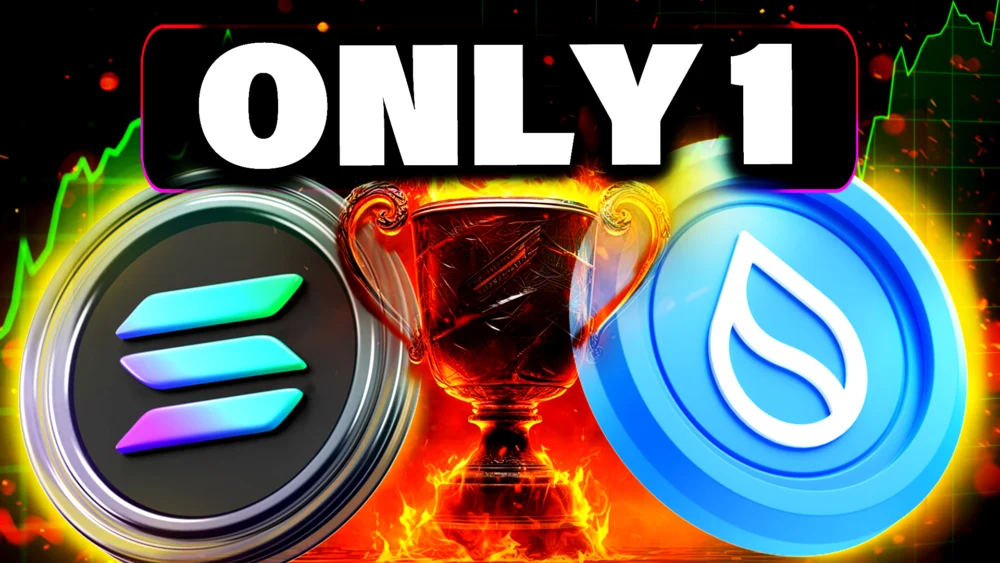
The cryptocurrency market in early 2026 presents a dynamic landscape, with Bitcoin maintaining a steady presence around the $90,000 mark. Amidst this stability, altcoins are exhibiting a more varied performance. Two prominent contenders, Solana and Sui, are capturing significant attention, each offering distinct technological advantages and ecosystem developments. Solana, known for its high-speed transaction capabilities and a resurgence in memecoin activity and decentralized finance (DeFi), stands as a high-volume player. In contrast, Sui, built on a novel object-centric model and the Move programming language, is demonstrating substantial advancements in core technology and enterprise adoption. This analysis aims to provide an in-depth comparison of these two blockchain platforms, examining their technical underpinnings, market adoption, potential catalysts for 2026, and overall investment thesis.
Solana: The High-Speed Arena Fueled by Volume and Innovation
Solana has consistently been recognized for its exceptional transaction processing speed, leveraging its Proof-of-History (PoH) consensus mechanism. This innovative approach allows validators to agree on the order of transactions without extensive communication, enabling theoretical throughputs of tens of thousands of transactions per second (TPS). Benchmarks have showcased Solana’s capacity to handle up to 65,000 TPS, a figure significantly exceeding the base layer capabilities of many competing blockchains, including Ethereum. This performance can be likened to a high-performance sports car on a dedicated track, capable of outperforming rivals when the network is operating optimally.
The blockchain’s architecture, particularly its PoH system, provides a unique timestamping mechanism that enhances efficiency. This has been a cornerstone of Solana’s appeal to developers seeking low latency and high throughput for decentralized applications (dApps). The ability to process transactions rapidly has facilitated a surge in various ecosystem activities, from decentralized exchanges to gaming platforms.
However, Solana’s history has not been without its challenges. The network has experienced periods of instability and outages, notably in 2022, which raised concerns about its reliability under heavy load. While significant efforts have been made to enhance network resilience, including the development of upgrades like Firedancer, periods of intense activity, often driven by memecoin speculation, can still lead to network congestion and increased transaction fees.
Despite these past challenges, Solana’s ecosystem has witnessed remarkable growth and diversification in early 2026. The restaking protocol Jito, for instance, achieved a Total Value Locked (TVL) exceeding $2 billion by January 2026, a substantial increase from its earlier figures. The platform has also seen an explosion in token creation, with tools like Pump.fun facilitating the launch of an astonishing number of new tokens. In the month preceding the report, over 1.2 million tokens were launched, with a daily figure of 37,000 tokens, underscoring a vibrant, albeit speculative, creator economy.
Decentralized finance (DeFi) on Solana continues to thrive. The Jupiter DEX aggregator reported processing a staggering $150 billion in volume during the first quarter of 2026, indicating robust trading activity and liquidity within the Solana ecosystem. This volume reflects the growing user base and the increasing utility of decentralized exchanges on the platform.
The non-fungible token (NFT) and gaming sectors are also experiencing significant momentum. Magic Eden, a leading NFT marketplace, maintains a dominant market share, solidifying Solana’s position in the digital collectibles space. Furthermore, the migration of Helium, an IoT network, to Solana highlights the blockchain’s scalability and efficiency for real-world applications. Developer activity remains exceptionally high, with reports indicating approximately 3 million daily active wallets throughout 2025, a testament to the platform’s developer-friendly environment. Solana’s commitment to mobile integration is also evident through initiatives like the Solana phone, signaling a strategic push to expand its reach beyond traditional computing devices.
Price Action and Market Sentiment:
As of early 2026, the SOL token was trading at approximately $122, with a market capitalization of $69 billion, according to CoinGecko data. While the price represented a 47% decrease over the preceding 12 months, indicators such as the Relative Strength Index (RSI) suggested a neutral sentiment. This neutrality, coupled with the price correction, could present a potential buying opportunity for long-term investors, indicating that market sentiment may not fully reflect the underlying ecosystem growth and technological advancements.

Sui: The Object-Centric Innovator with Enterprise Focus
Sui distinguishes itself through its unique object-centric transaction model and its utilization of the Move programming language, originally developed at Meta. This architecture fundamentally shifts away from the traditional account-based or global state models. The object-centric approach, combined with Move’s emphasis on safety and parallel execution, allows for a more efficient and scalable transaction processing system. Move’s design draws parallels to the security features of Rust while enabling parallel processing, thereby avoiding the bottlenecks associated with global state contention that can affect platforms like Ethereum and even Solana under certain conditions.
Sui’s innovative sharding strategy enables transactions involving independent objects to be processed in parallel, drastically improving throughput. Laboratory tests conducted in late 2025 demonstrated Sui’s potential to achieve up to 297,000 TPS. This parallel processing capability is akin to upgrading a single-lane highway to an expansive network of parallel lanes, effectively eliminating traffic jams during peak demand. This approach is particularly noteworthy as sharding is a key long-term scalability goal for Ethereum, a technology Sui has implemented from its inception.
The Sui ecosystem, though younger than Solana’s, is rapidly maturing. The platform’s TVL surged to $850 million, with Navi Protocol, a lending application, leading the charge with a TVL of $284 million. The native aggregator, DeepBook, plays a crucial role in facilitating a significant portion of the ecosystem’s trading volume behind the scenes, contributing to overall market efficiency.
A significant technological advancement on Sui is the integration of Walrus storage, which enhances blob throughput—the capacity to handle large blocks of unstructured data. This capability has been instrumental in the substantial growth of data storage for artificial intelligence (AI) applications, leading to a reported 400% increase in AI data volume, now amounting to approximately 17 terabytes. This demonstrates Sui’s readiness to support data-intensive enterprise workloads.
Institutional adoption is another key area where Sui is making inroads. Franklin Templeton has tokenized funds on the Sui blockchain, managing assets under management (AUM) of $250 million. The platform’s zkLogin feature, which allows users to sign in using existing credentials like Google accounts, has significantly streamlined onboarding and contributed to the rapid growth of Sui wallets, exceeding 2 million. This focus on user experience and enterprise-grade solutions suggests that Sui is strategically positioning itself as a platform for institutional and business applications, rather than solely focusing on speculative activities.
Price Action and Market Sentiment:
In early 2026, the SUI token was priced at approximately $0.91, with a market capitalization of $3.5 billion. While SUI has also experienced a decline in value over the past 12 months, its market capitalization is a mere 8% of Solana’s. This smaller valuation suggests that Sui may represent an earlier-stage investment opportunity with potentially higher upside. The fully diluted valuation (FDV) of $11 billion, while appearing substantial, is often viewed in the context of its underlying technological potential. The primary risk associated with Sui is its lower liquidity, which can lead to increased price volatility. However, successful execution of its development roadmap and continued adoption could potentially lead to significant returns.
Comparative Analysis: Technology, Adoption, and Future Catalysts
A direct comparison of Solana and Sui reveals distinct strengths and strategic orientations.
Technological Stacks:
Solana excels in raw transaction speed, offering a proven high-throughput environment. Its extensive ecosystem of dApps, estimated at around 5,000, built primarily using Rust, reflects its maturity. However, Sui’s object-centric model and parallel execution architecture offer superior scalability potential for the long term, particularly for complex and data-intensive applications. Despite having a smaller dApp count (approximately 450), Sui boasts a higher developer retention rate, with a reported 30% growth in developer engagement. This suggests a strong developer community that values the platform’s underlying technology and future potential.
Ecosystem Development and Adoption:
Solana’s ecosystem is characterized by high volume, driven by memecoin activity and established DeFi protocols like Jupiter. Its adoption is broad, evidenced by the high number of daily active wallets and its dominance in the NFT space through Magic Eden. Sui, while younger, is attracting significant institutional interest and focusing on enterprise solutions, as demonstrated by Franklin Templeton’s engagement and the rapid growth of AI data storage. The zkLogin feature is a key differentiator for user onboarding, potentially accelerating adoption for a wider audience.

2026 Catalysts and Market Dynamics:
Key catalysts for Solana in 2026 include the anticipated mainnet launch of the Firedancer upgrade in the second quarter and the rollout of Visa’s stablecoin solution on the network. These developments are expected to further enhance performance and utility. For Sui, the live implementation of the Mysticeti consensus, promising a 50x improvement in finality speed, and the launch of SuiPlay in the third quarter are significant milestones.
The broader macroeconomic environment, with anticipated interest rate cuts by the Federal Reserve, is expected to inject liquidity into the market, potentially benefiting altcoins. However, Solana’s reliance on memecoin activity poses a risk; a surge in Bitcoin dominance could draw capital away from these speculative assets. The extractive nature of some memecoin issuance models on Solana applications also presents a potential concern.
Risk-to-Reward Profile:
Solana, with its $115 billion market capitalization, represents a mature asset. Achieving 10x returns would require a near-perfect market scenario. Sui, valued at approximately $10 billion, offers a more asymmetric risk-reward profile. Its smaller market capitalization suggests a greater potential for exponential growth, potentially mirroring Solana’s past performance of 50x gains from its 2021 lows.
Conclusion: The Undervalued Contender vs. The Proven Giant
In the evolving cryptocurrency landscape of 2026, the choice between Solana and Sui hinges on an investor’s risk tolerance and investment horizon. Solana stands as a battle-tested giant, currently delivering robust performance and a vibrant ecosystem. Its established user base and ongoing technological advancements make it a solid holding for those seeking stability and continued growth.
However, Sui presents a compelling case as an undervalued contender poised for significant dominance in the latter half of 2026. Its technological edge, particularly its object-centric model and parallel execution capabilities, positions it for superior long-term scalability. Coupled with increasing institutional inflows and an accessible entry point below a $15 billion valuation, Sui appears to be the more strategically advantageous bet for investors seeking higher potential returns. While Solana is a reliable performer, the potential for diminishing returns is a consideration given its current market capitalization.
As always, thorough due diligence is paramount. For practical money management, adhering to the 2% rule, which limits the risk on any single trade, is advisable, especially in anticipation of further market volatility. Investors interested in Sui can explore its capabilities at sui.io or on its official X channel. The ongoing debate between Solana’s proven hype machine and Sui’s quiet but powerful builder ethos will undoubtedly shape the narratives and investment decisions within the crypto space for the remainder of the year.
Disclaimer: The information provided by Altcoin Buzz is for educational, entertainment, and informational purposes only and does not constitute financial advice. Opinions and strategies shared are those of the author and may not align with your individual risk tolerance. Altcoin Buzz is not liable for any losses incurred from investments based on this information. Bitcoin and other cryptocurrencies are high-risk assets; conduct thorough due diligence.