James Watt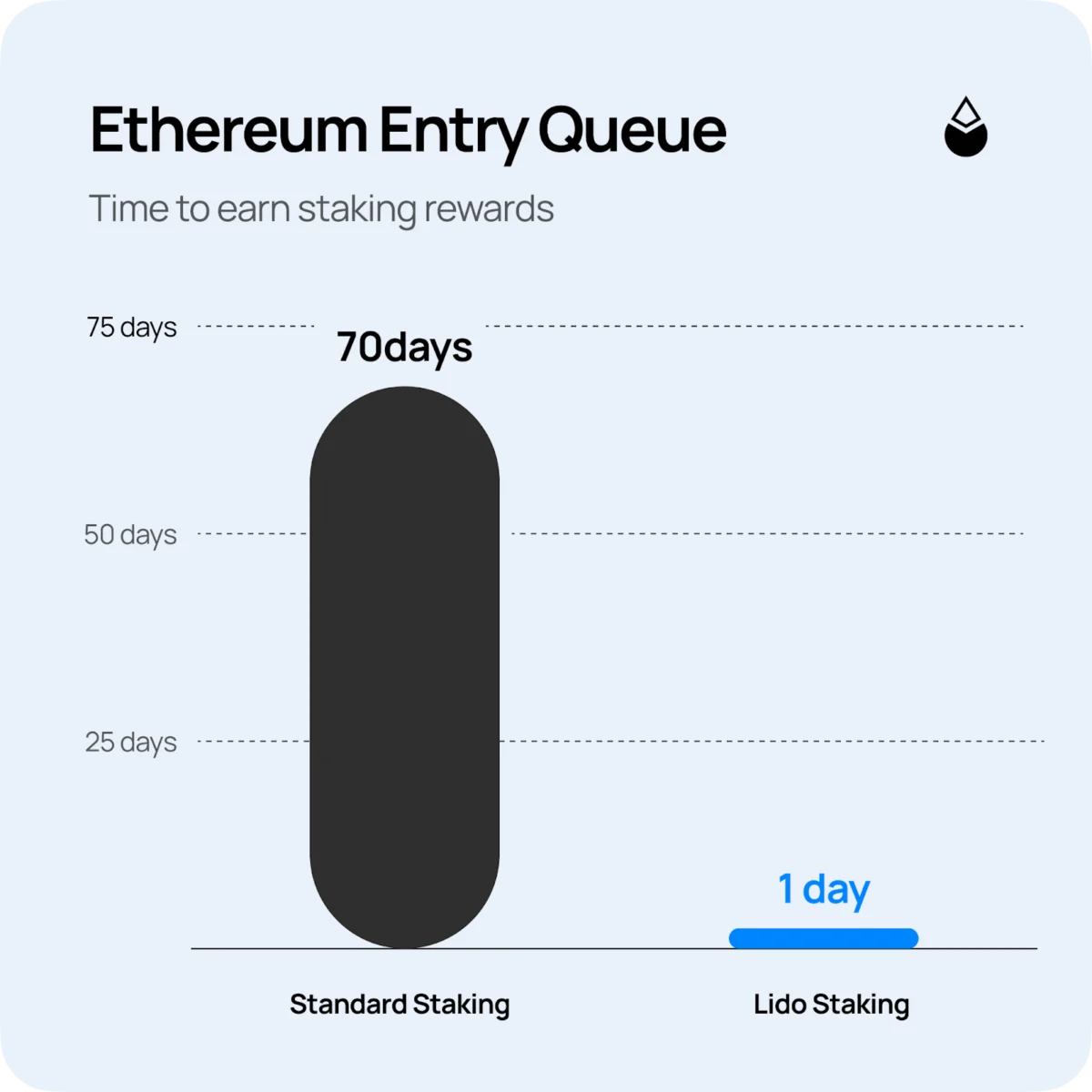
Corporate treasuries holding significant allocations of Ethereum (ETH) are increasingly confronted with a critical strategic decision regarding the deployment of this digital capital. This choice, far from being a mere operational preference, carries profound implications for capital efficiency, risk management, and overall portfolio performance in an evolving digital asset landscape. As Ethereum matures as a proof-of-stake (PoS) network, the passive holding of ETH presents a compounding opportunity cost, compelling treasuries to re-evaluate their approaches to digital asset management.
Background: Ethereum’s Evolution and the Rise of Staking
Ethereum, the world’s second-largest cryptocurrency by market capitalization, underwent a monumental transformation in September 2022 with "The Merge." This event transitioned the network from a power-intensive proof-of-work (PoW) consensus mechanism to the more energy-efficient and scalable proof-of-stake (PoS) system. A cornerstone of PoS is "staking," a process where ETH holders lock up their tokens to participate in the network’s security and validation processes. In return for securing the network and verifying transactions, stakers earn rewards, typically denominated in ETH. This mechanism not only enhances network security and decentralization but also offers a native yield opportunity for asset holders.
For institutional players and corporate treasuries, the introduction of staking presented a new layer of complexity and opportunity. While the prospect of earning yield on idle ETH was appealing, the practicalities of native staking introduced significant operational and liquidity challenges that were often at odds with traditional corporate finance principles.
The Dilemma: Unstaked vs. Native Staking
The initial strategic fork for treasuries involves two primary paths: leaving ETH unstaked or engaging in native staking.
1. The Path of Unstaked ETH: A Compounding Opportunity Cost
Opting to leave ETH unstaked might appear to be the simplest approach, avoiding any perceived complexities of staking. However, this simplicity comes at a substantial and ever-growing cost. By choosing not to participate in staking, treasuries inherently forgo the rewards that accrue to active network participants. Data from Dune Analytics indicates that approximately 30% of all ETH is currently staked, implying a significant portion remains idle. For treasuries managing substantial ETH positions, the cumulative cost of these missed rewards escalates over time, representing a direct drag on potential returns.
Consider a corporate treasury holding $100 million in ETH. With current staking yields fluctuating but often hovering around 3-5% APY, an unstaked position could mean missing out on $3 million to $5 million in passive income annually. Over several years, this figure compounds, transforming into a material difference in portfolio performance. This passive approach, once considered conservative, is increasingly viewed as inefficient in a market where native yield opportunities are a core feature of the asset. The argument for holding idle ETH becomes harder to justify to stakeholders, especially when liquid alternatives exist that capture this yield.
2. Native Staking: Rewards with Significant Friction
The alternative path, native staking, directly addresses the reward capture problem. By running their own validators or pooling ETH directly with a staking provider, treasuries can earn the intrinsic rewards offered by the Ethereum network. However, this path is fraught with friction and operational complexities that often exceed the mandates and capabilities of typical corporate treasury departments.
-
Validator Entry Queue and Capital Lock-up: A primary hurdle for native staking is the validator entry queue. As of recent data, the queue for new validators sits at nearly 70 days, with over 4 million ETH waiting for activation. This means a treasury deciding to stake natively today would face a waiting period of nearly two months before their capital even begins earning rewards. This delay represents significant capital inefficiency, as funds are committed but unproductive for an extended period. Furthermore, once staked, that capital is effectively locked. Exit timing is governed by protocol mechanics, including an exit queue, rather than the immediate liquidity needs of the treasury. This illiquidity can pose significant challenges for corporate finance strategies that prioritize flexible capital deployment and rapid response to market conditions.
-
Operational Requirements and Risk Exposure: Beyond liquidity constraints, native staking introduces a demanding set of operational requirements.
- Infrastructure Decisions: Treasuries must manage sophisticated infrastructure, including secure hardware, reliable internet connectivity, and robust software, often requiring specialized blockchain engineering expertise.
- Key Management: The security of validator keys is paramount. Mismanagement can lead to permanent loss of funds. Implementing institutional-grade key management solutions, such as multi-signature schemes and hardware security modules (HSMs), is complex and costly.
- Slashing Exposure: Validators are penalized ("slashed") for misbehavior, such as going offline or double-signing transactions. This risk, while manageable with professional operation, introduces a potential for capital loss that many risk-averse treasuries are not structured to absorb or mitigate internally.
- Monitoring and Maintenance: Native staking requires 24/7 monitoring and proactive maintenance to ensure validator uptime and performance, a significant drain on internal resources.
For corporate treasuries that prioritize capital efficiency, immediate liquidity, and operational simplicity, neither the unstaked nor the native staking option fully aligns with their strategic objectives. The market demanded a solution that could bridge this gap, leading to the emergence of liquid staking.
Liquid Staking: A Paradigm Shift for Institutional ETH Holdings
Liquid staking addresses the inherent limitations of native staking by tokenizing staked ETH, offering a solution that provides immediate rewards, liquidity, and operational ease. Protocols like Lido have pioneered this approach, fundamentally changing how institutions can interact with Ethereum’s staking mechanism.
When ETH is staked via a liquid staking protocol such as Lido, the staker immediately receives a liquid token, commonly stETH (staked ETH). This token represents the staked ETH and any accrued rewards. Crucially, staking rewards begin accruing from day one, eliminating the entry queue and activation delays associated with native staking.
Key Advantages of Liquid Staking for Treasuries:
-
Immediate Reward Accrual: Unlike native staking, there is no waiting period. Rewards start accumulating the moment ETH is staked, maximizing capital efficiency.
-
Enhanced Liquidity: The stETH token remains liquid. It can be held, redeemed, used as collateral in various decentralized finance (DeFi) protocols, or sold on secondary markets with deep liquidity. This feature directly addresses the illiquidity problem of native staking, allowing treasuries to maintain flexibility over their capital.
- For instance, approximately $100 million of stETH is executable within 2% of its redemption value on secondary markets. This means that a treasury needing to exit a significant position, say $50 million, can do so without incurring substantial price impact, ensuring that the asset’s theoretical liquidity translates into practical utility.
- Furthermore, stETH is a highly integrated asset within the broader DeFi ecosystem, with roughly $10 billion actively deployed as collateral across major lending protocols like Aave, Morpho, and Maker. This deep integration underscores its market acceptance and utility as a financial primitive.
-
Operational Simplicity: Liquid staking abstracts away the complexities of running validator nodes. Treasuries are relieved of the burden of infrastructure management, key security, and slashing risk mitigation, as these responsibilities are handled by the protocol’s underlying network of professional node operators. This significantly reduces the operational overhead and specialized expertise required, making staking accessible without disrupting existing treasury workflows.
Built for Institutional Scale: Custody and Regulated Products
The viability of any digital asset solution for institutions hinges significantly on its compatibility with existing custody solutions and the evolving regulatory landscape. Liquid staking, particularly stETH, has made substantial strides in this regard.
-
Native Custody Support: Major institutional custodians, including Fireblocks, BitGo, and Copper, now natively support stETH. This means that treasuries already utilizing these platforms for ETH custody can access stETH minting and redemption directly within their established workflows. This seamless integration eliminates the need for new vendors, complex integrations, or the adoption of entirely new operational processes, drastically lowering the barrier to entry for institutional adoption. The infrastructure required for secure, compliant handling of stETH is already live and operational within trusted environments.
-
Emergence of Regulated Products: The institutional acceptance of liquid staking is further evidenced by the launch and filing of regulated products in traditional financial markets.
- In December 2025, WisdomTree, a prominent global ETF sponsor, launched Europe’s first 100% physical Lido staked ETH ETP (Exchange Traded Product), which commanded $50 million in Assets Under Management (AUM) at its inception. This product allows traditional investors to gain exposure to staked ETH returns through a familiar, regulated investment vehicle.
- Following this, VanEck, another leading asset manager, filed for the first US Lido Staked ETH ETF (Exchange Traded Fund) in October 2025. While US ETF approval processes are rigorous, such filings signal a clear institutional demand and an increasing comfort with liquid staking derivatives within traditional finance.
These developments are not merely isolated events; they represent a significant shift in market benchmarks. Treasuries that continue to hold unstaked ETH now face direct comparison against these regulated ETPs and ETFs that capture staking rewards by default. The performance gap between idle ETH and a 100% staked product will compound over time, making it progressively harder to justify the inefficiency to boards, investors, and internal stakeholders. The fiduciary duty of treasurers increasingly includes optimizing returns on digital assets, and passive holding falls short of this imperative.
Operational Resilience and Customization: The Lido Ecosystem
The robustness and decentralization of the underlying infrastructure are critical for institutional confidence. Lido’s approach emphasizes a distributed network of node operators and innovative solutions for tailored institutional needs.
-
Decentralized Node Operator Network: StETH is backed by over 650 node operators, strategically distributed across curated, Distributed Validator Technology (DVT) enabled, and community staking modules. This vast distribution significantly mitigates exposure to any single operator’s performance or potential operational failure, enhancing the overall security and resilience of the staked ETH. DVT, in particular, allows a single validator key to be shared among multiple operators, further decentralizing operations and reducing the risk of downtime or slashing.
-
Lido V3 and stVaults: Recognizing that some treasuries may have unique compliance, reporting, or operational requirements that necessitate a higher degree of control, Lido V3 introduces "stVaults." These are isolated staking environments that offer custom validator configurations and full on-chain transparency, while still retaining access to the critical stETH liquidity. This innovation provides a bespoke solution for institutions seeking a hybrid approach – the benefits of pooled liquid staking combined with enhanced customization and oversight, meeting specific corporate governance standards.
This depth of infrastructure – encompassing over 100 protocol integrations, native custody support from major providers, and deep market liquidity – is why stETH has become the preferred choice, backing the majority of institutional liquid staking on Ethereum.
The Economic Imperative: Why Idle ETH is No Longer Viable
The cost of holding unstaked ETH is no longer a theoretical concept but a quantifiable opportunity cost that compounds daily. In a competitive financial landscape where every basis point matters, treasuries are under increasing pressure to optimize returns on all asset classes, including digital ones.
Native staking, while offering rewards, introduces prohibitive queue delays, illiquidity, and operational overhead that typically fall outside the core competencies and risk appetites of most treasury mandates. Liquid staking, exemplified by stETH, offers a compelling and practical path forward: immediate staking rewards, essential liquidity when needed, and seamless integration with the established custody and trading infrastructure that institutions already rely upon.
As the digital asset market matures and traditional finance increasingly embraces blockchain technology, the strategic imperative for corporate treasuries is clear: to move beyond passive holding and actively participate in the yield-generating capabilities of the Ethereum network through capital-efficient and operationally sound mechanisms like liquid staking. The benchmark has shifted, and the financial landscape now demands an optimized approach to ETH holdings.
For corporate treasuries seeking to align their digital asset strategy with best practices for capital efficiency and risk management, engaging with liquid staking solutions like stETH is becoming an indispensable component of a forward-looking financial strategy. The era of idle ETH is rapidly drawing to a close, replaced by an imperative for active, intelligent capital deployment in the decentralized economy.