Lina Irawan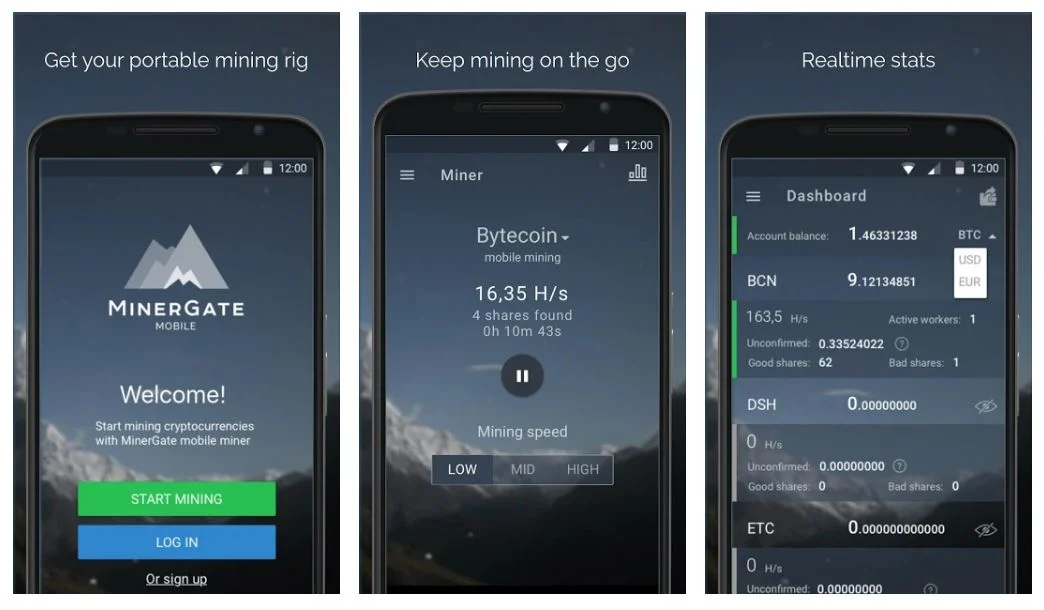
The proliferation of Bitcoin mining apps on mobile devices presents a tantalizing prospect for individuals seeking to participate in the cryptocurrency revolution. However, a critical examination reveals a stark dichotomy: while the convenience of a mobile application is appealing, the fundamental requirements for legitimate Bitcoin mining—industrial-grade hardware, immense computational power, and extensive mining farms—render most of these apps fundamentally incapable of actual Bitcoin extraction. Instead, many applications leverage cloud mining services, complex reward systems, or simulated dashboards, often leading to user confusion regarding the authenticity of their mining activities. This guide aims to demystify the world of Bitcoin mining apps, exploring their operational mechanisms, key features, and crucially, how to differentiate genuine opportunities from deceptive platforms.
Understanding the Landscape of Bitcoin Mining Apps
The core misconception surrounding Bitcoin mining apps lies in their ability to replicate the energy-intensive and hardware-dependent processes of real-world Bitcoin mining. True Bitcoin mining involves solving complex cryptographic puzzles to validate transactions and secure the blockchain, a task that requires specialized Application-Specific Integrated Circuits (ASICs) or powerful graphics processing units (GPUs) operating within vast, climate-controlled data centers. Mobile devices, while increasingly powerful, possess a fraction of the computational capacity needed for such an undertaking.
Consequently, the majority of Bitcoin mining apps operate on one of several alternative models:
- Cloud Mining: Users rent computing power from a third-party provider, effectively investing in a share of a larger mining operation. The app then serves as an interface to monitor this rented power and receive payouts.
- Reward Systems: These apps offer small amounts of cryptocurrency, often Bitcoin, as rewards for completing tasks, watching advertisements, or engaging with the app’s features. This is not mining in the technical sense but rather a form of cryptocurrency faucet or engagement-based reward.
- Simulated Mining: These apps present a visual representation of mining activity through dashboards and progress bars, creating the illusion of mining without any actual computational work being performed. Payouts, if any, are often negligible or require significant indirect engagement, such as watching advertisements.
Top Bitcoin Mining Apps at a Glance: Free & Paid
Navigating the market requires understanding the nuances of each offering. The following table provides a snapshot of prominent Bitcoin mining applications, categorizing them by their operational type, platform availability, key features, cost structure, and suitability for different user profiles.
| Bitcoin Mining App | Mining Type | Platforms (iOS/Android) | Key Characteristics | Cost (Free/Paid) | Best For |
|---|---|---|---|---|---|
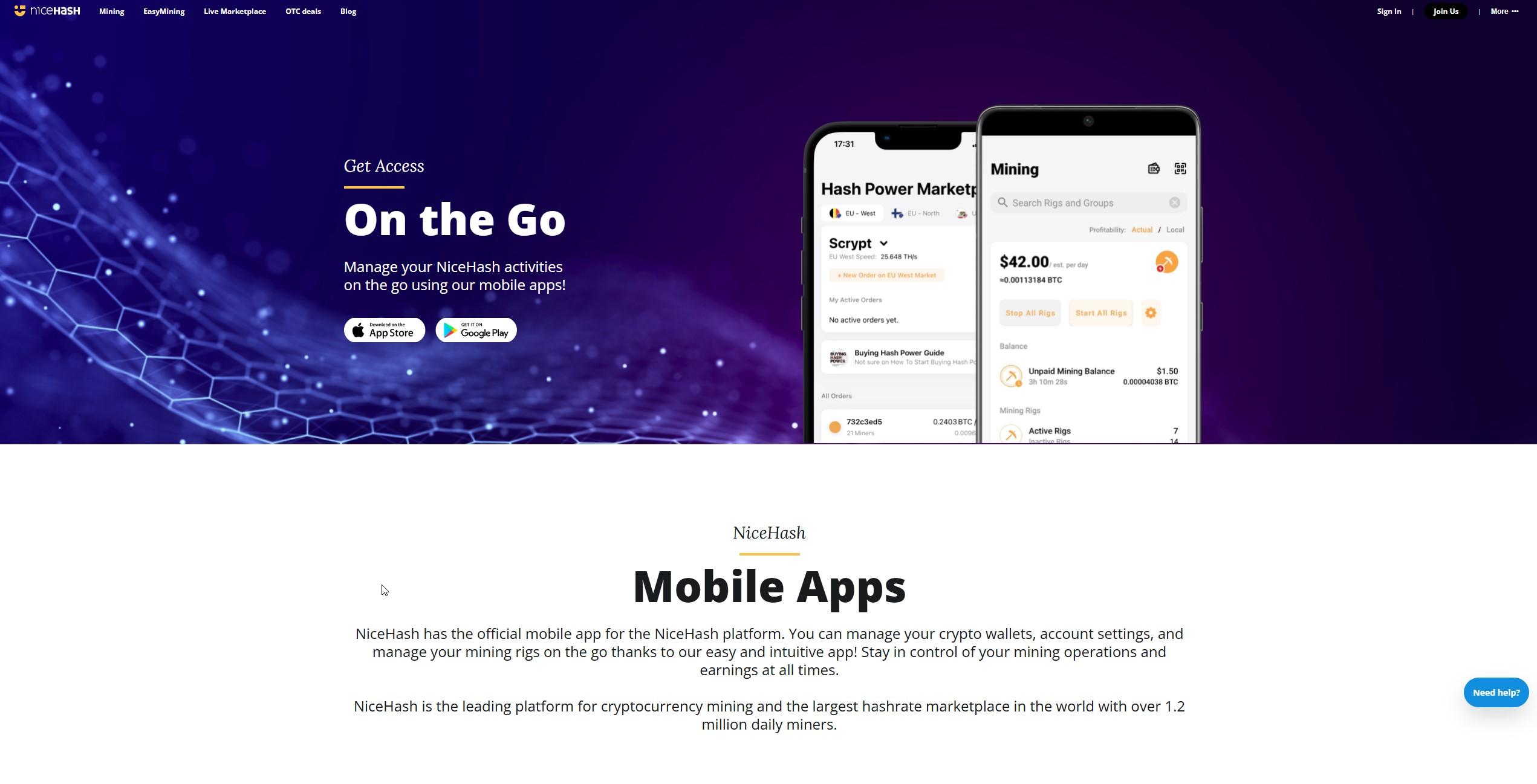
| NiceHash Mobile | Hash Power Marketplace | Android, iOS | Remote management of mining operations, buy/sell hash power | Paid | Experienced users managing real mining farms or external hardware. |
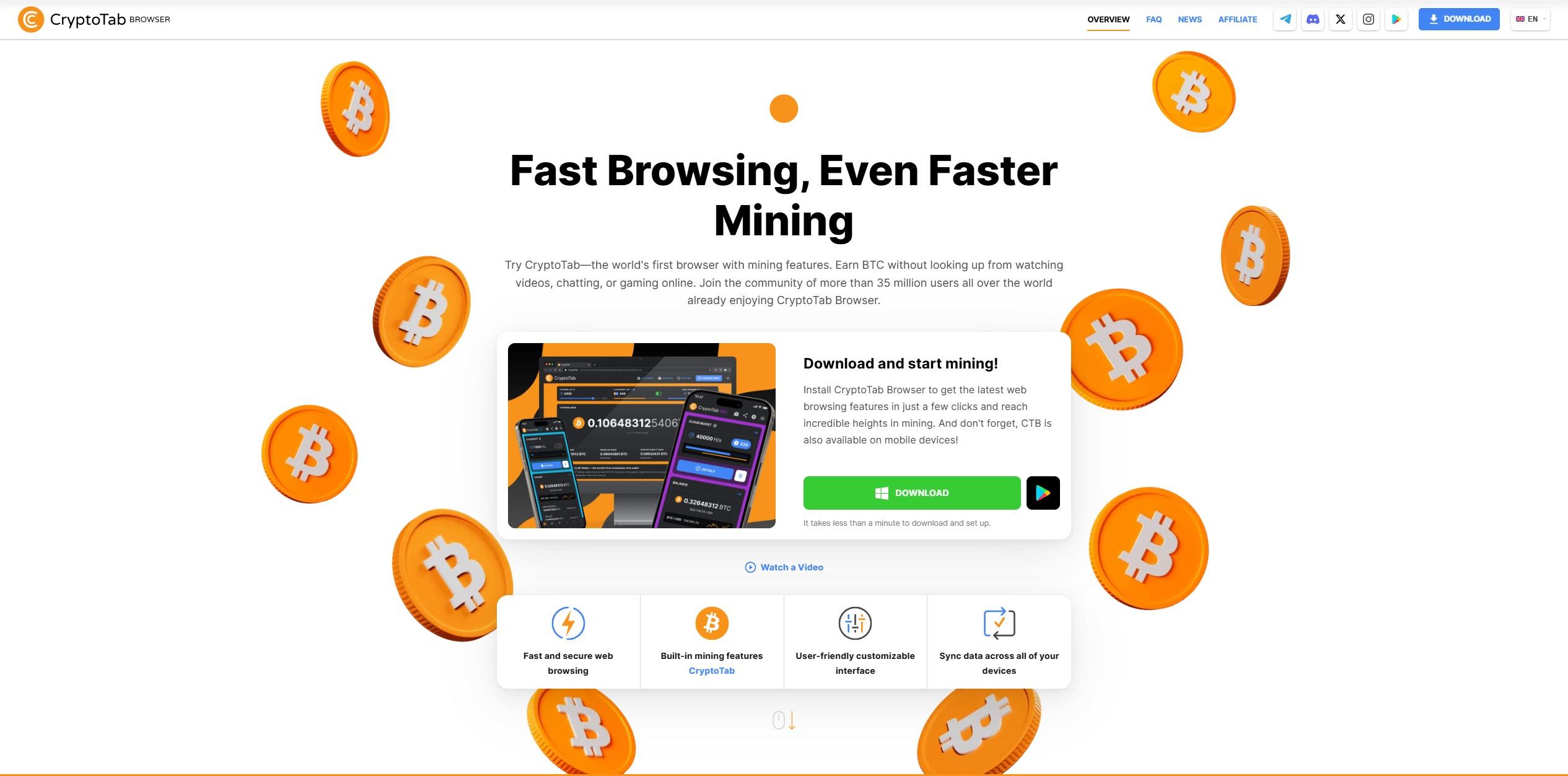
| CryptoTab Browser | Browser Mining | Android, iOS | Earns crypto while browsing, integrated mining algorithm, referral system | Free | Casual users seeking passive mobile mining while browsing. |
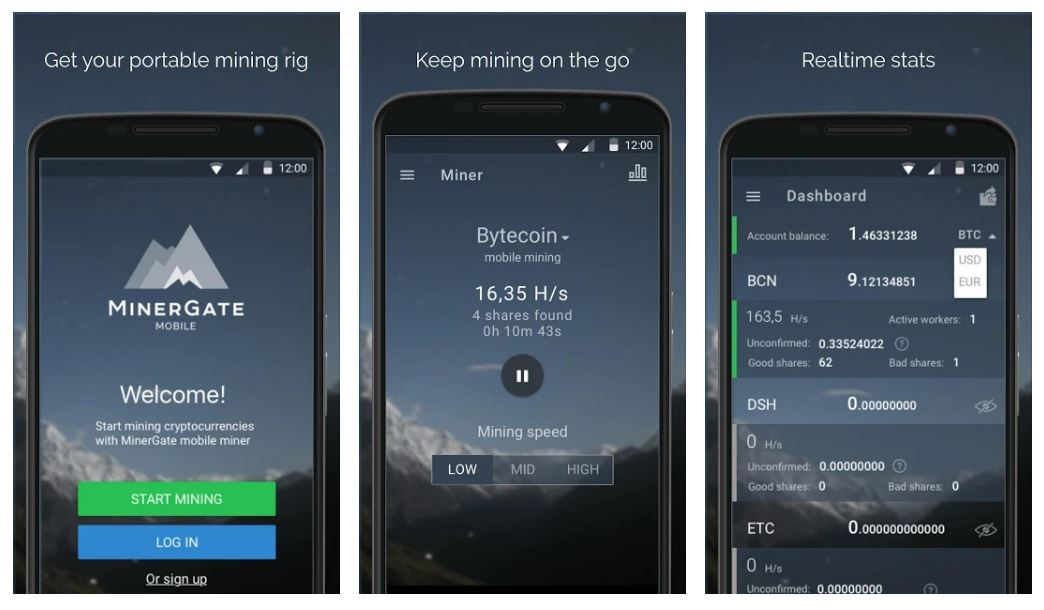
| MinerGate Mobile Miner | Mobile Mining | Android (limited iOS) | Easy setup, multi-coin support, beginner-friendly | Free | New users wanting a simplified entry into multi-coin mining. |
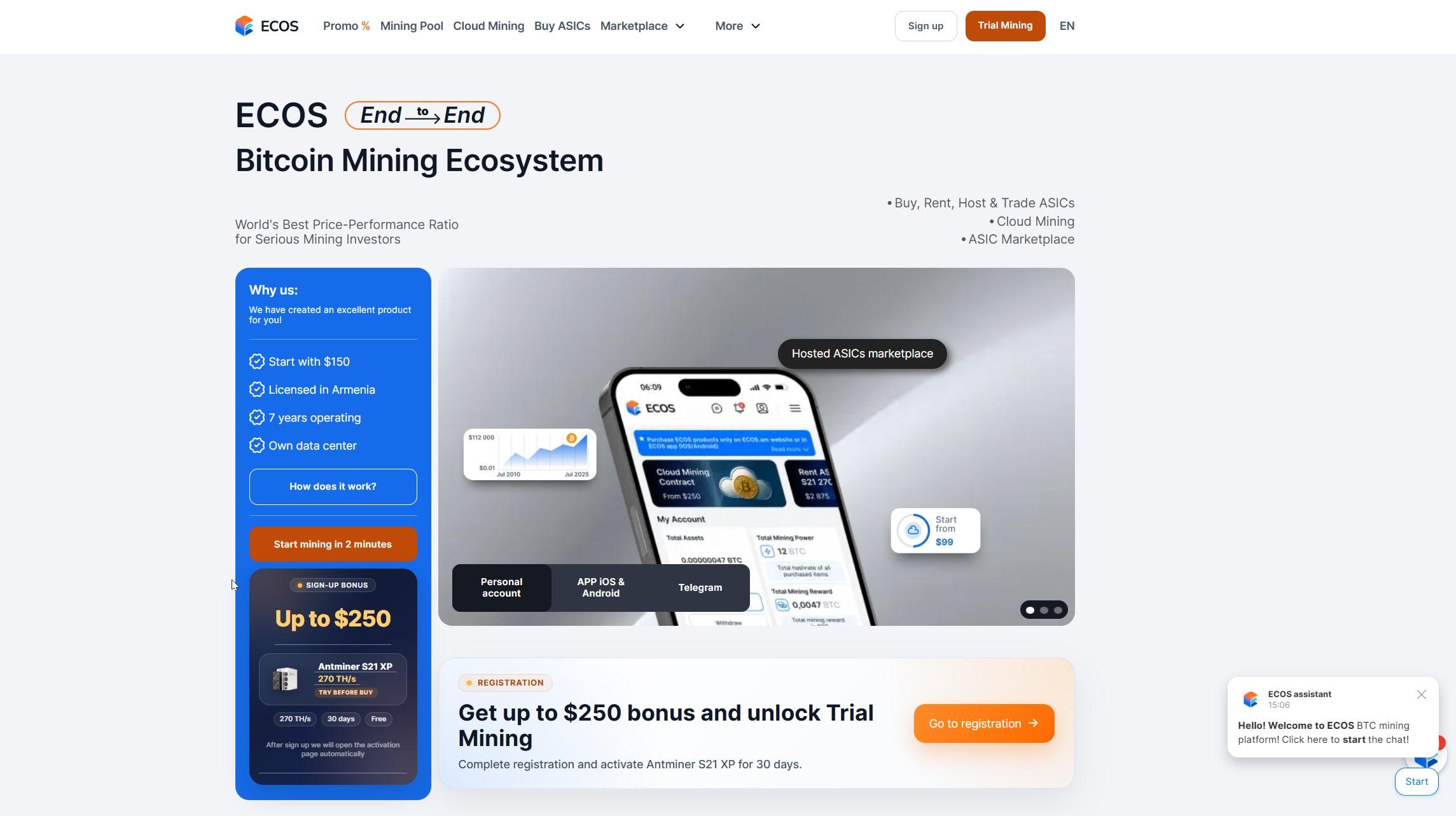
| ECOS | Cloud Mining | Android, iOS | All-in-one platform with wallet and analytics, regulated environment | Free + Paid | Users seeking structured cloud mining contracts with a regulated framework. |
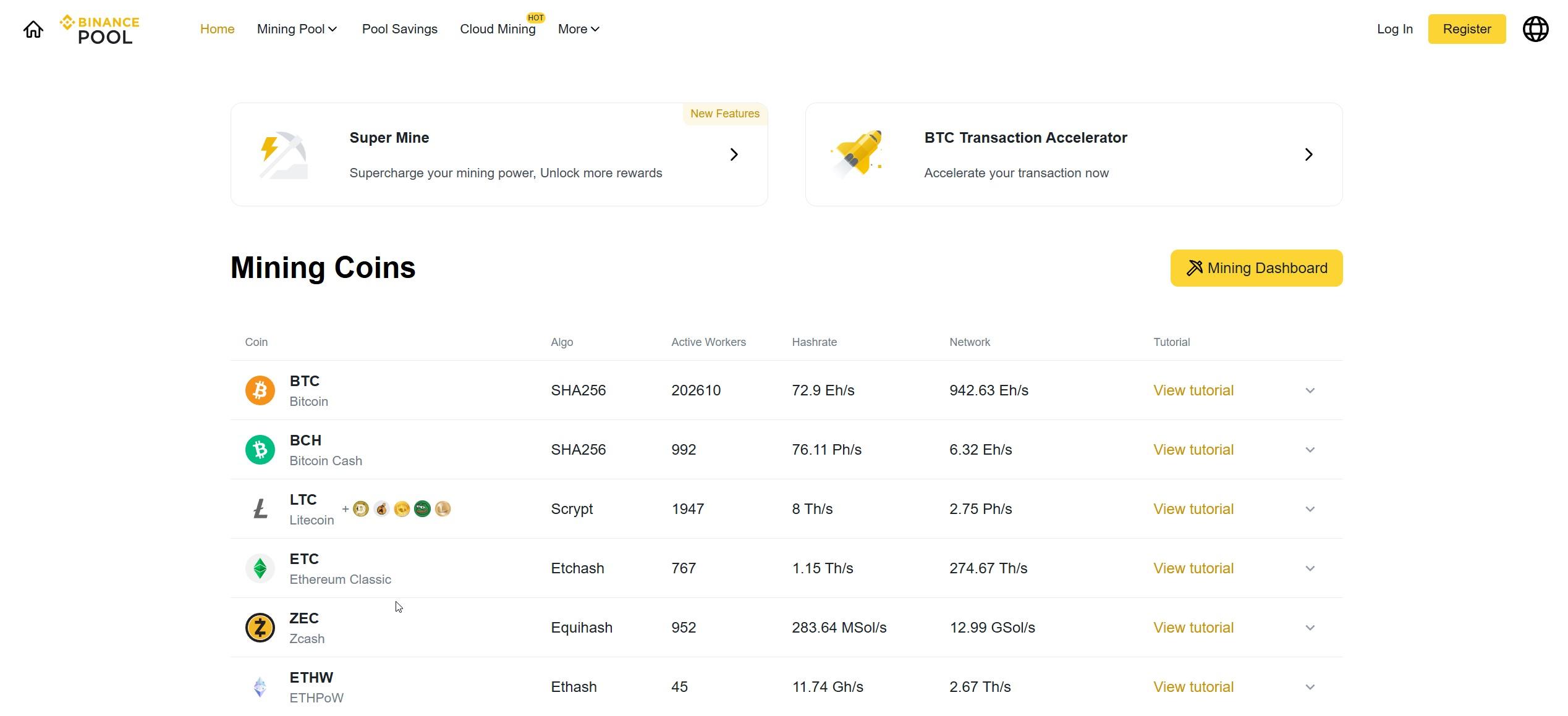
| Binance Pool | Mining Pool | Android, iOS | Integrated with Binance ecosystem, stable payouts, high liquidity | Paid | Users valuing pool scale, consistent Bitcoin payouts, and exchange integration. |
| StormGain | Cloud Mining (Reward) | Android, iOS | Free mining feature, built-in trading platform, gamified earning system | Free | Beginners seeking gamified rewards and integrated trading within one app. |
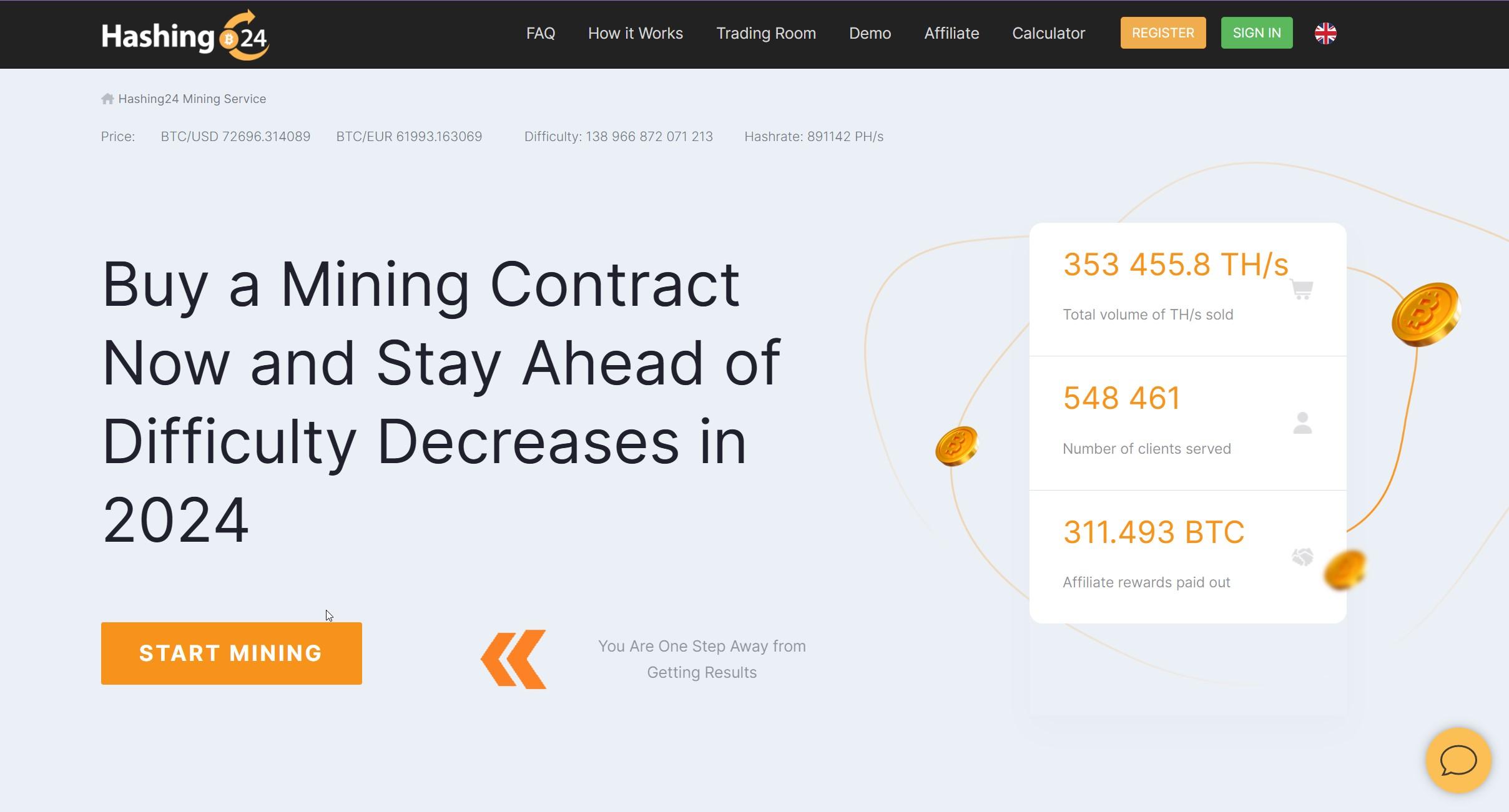
| Hashing24 | Cloud Mining | Android, iOS | Hands-off mining, no hardware required, long-term contracts | Paid | Users desiring hands-off Bitcoin mining through cloud contracts. |
| DeepHash | Cloud Mining | Android, iOS | AI optimization, daily payouts, simple interface | Free + Paid | Users interested in exploring high-yield cloud mining with small capital. |
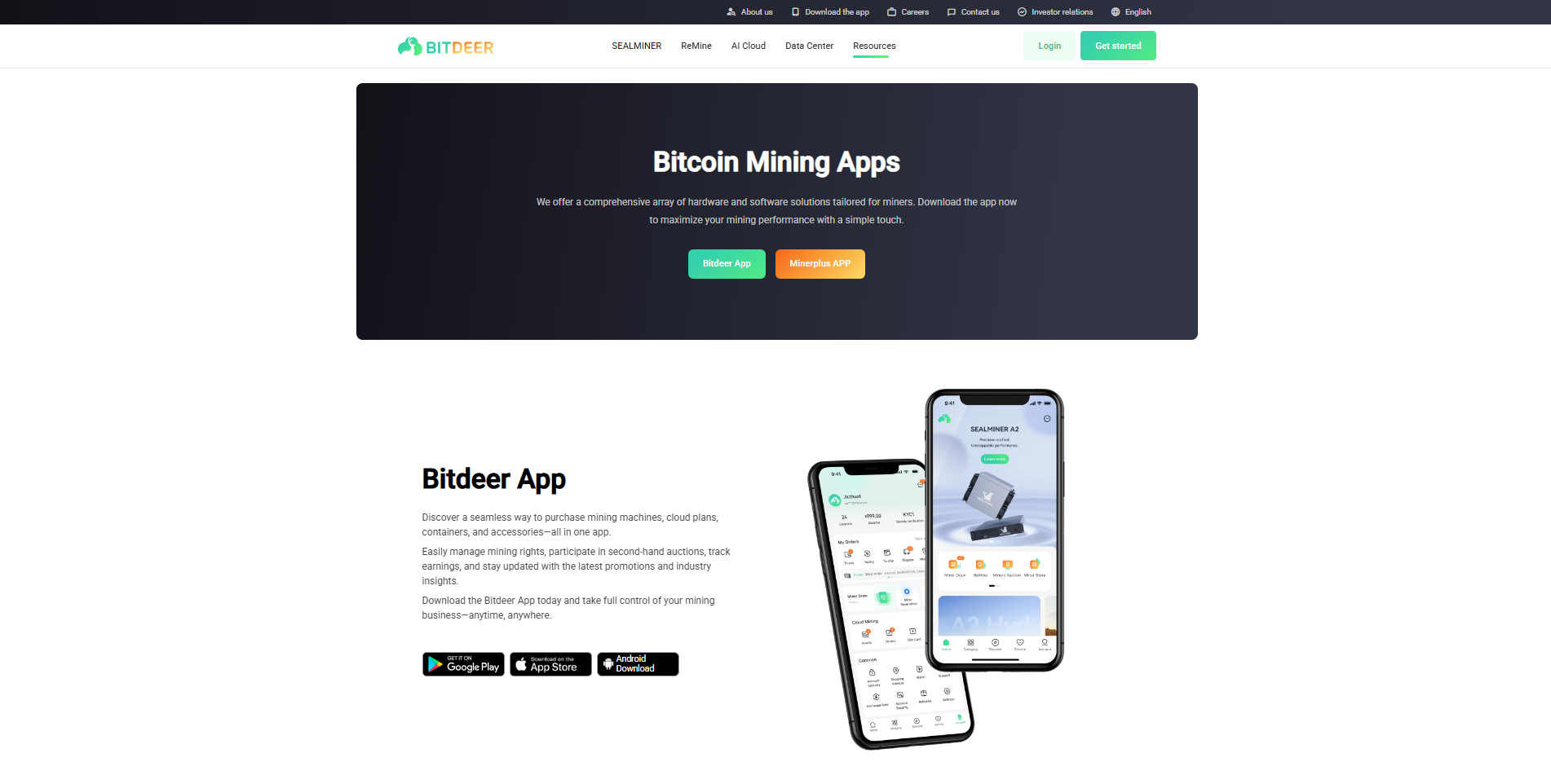
| Bitdeer Mobile | Cloud Mining | Android, iOS | Access to large mining farms, transparent plans | Paid | Users seeking enterprise-grade cloud mining access and remote management. |
| Kryptex Miner | Software Mining (Monitor) | Windows (primary), Android | Uses PC power, auto-optimization, BTC payouts, mobile monitoring | Free | Desktop miners needing mobile monitoring and control. |
10 Best Bitcoin Mining Apps Reviewed
1. NiceHash Mobile: Best for Remote Management
NiceHash Mobile operates not as a direct mining application but as a sophisticated hash power marketplace and management tool. It allows users to buy and sell computing power, effectively participating in mining operations without owning physical hardware. The app serves as a control center for remote server-based mining, granting access to actual mining infrastructure through a streamlined mobile interface.

Core Features:
- Hash power marketplace for buying and selling computing power.
- Remote monitoring and management of mining rigs and operations.
- Access to real mining hardware and infrastructure.
- Supports multiple cryptocurrencies.
Best For: Experienced users who manage their own mining farms or utilize external mining hardware and require a robust mobile solution for tracking performance, managing computational power, and monitoring Bitcoin rewards.
Pros and Cons:
- Pros: Full control over remote servers and real mining operations; Available on major app stores; Flexible cloud mining contracts; Steady Bitcoin payouts based on real output.
- Cons: Requires an initial investment to access mining power; App stability can be an issue during peak usage; Not suitable for users seeking completely free mining.
2. CryptoTab Browser: Best for Mobile Mining Lite
CryptoTab Browser integrates a mining algorithm directly into its web browser, enabling users to mine Bitcoin while browsing on their mobile devices. It functions as a lightweight mobile miner, with a portion of the processing load potentially offloaded to external cloud mining services.
Core Features:
- Web browser with an embedded Bitcoin mining algorithm.
- Passive earning while browsing the internet.
- Referral system to increase earning potential.
- Basic app features for managing mining activity.
Best For: Casual users who want to experiment with cryptocurrency mining without any initial investment or complex setup. It’s ideal for those new to crypto mining who wish to understand reward systems through a mobile app.
Pros and Cons:
- Pros: Passive crypto mining while browsing; Small but consistent Bitcoin rewards; Easy installation and setup; Accessible for beginners.
- Cons: Limited processing power results in very low mining speed; Minimal rewards without paid boosts or external cloud mining; Not designed for serious mining.
3. MinerGate Mobile Miner: Best for Multi-Coin Mining
MinerGate Mobile Miner is designed for users who want to mine cryptocurrencies, including Bitcoin Cash and other altcoins, directly from their Android devices using a simplified mobile miner setup. While it supports Bitcoin, its strength lies in its multi-coin mining capabilities.
Core Features:
- Direct mobile mining of various cryptocurrencies.
- User-friendly interface for easy setup.
- Mining pool integration for enhanced stability.
- Automatic switching between mining algorithms for optimal coin selection.
Best For: New users seeking a straightforward app to begin mining Bitcoin and other cryptocurrencies without requiring advanced technical expertise or dedicated mining hardware.
Pros and Cons:
- Pros: Easy Bitcoin mining setup via mobile; Supports multiple coins; Beginner-friendly entry into crypto mining.
- Cons: Limited processing power on mobile devices leads to reduced effective mining speed; Lower Bitcoin mining rewards compared to advanced solutions; Not ideal for large-scale mining operations.
4. ECOS: Best for Cloud Mining Contracts
ECOS positions itself as a comprehensive platform for cryptocurrency investment, including structured cloud mining contracts. It connects users to real mining infrastructure, operating closer to a regulated model where mining contracts are directly tied to actual mining operations.
Core Features:
- Integrated wallet and analytics suite.
- Offers cloud mining contracts linked to real mining farms.
- Regulated environment with focus on transparency.
- User-friendly interface for contract management and performance tracking.
Best For: Users who desire exposure to Bitcoin mining through structured contracts without the hassle of managing physical mining equipment or dealing with unstable free mining apps.
Pros and Cons:
- Pros: Real Bitcoin mining exposure via structured contracts; Clean, user-friendly interface; Stable Bitcoin rewards model tied to contract terms; Backed by real mining farms.
- Cons: Requires upfront capital for mining contracts; Limited flexibility compared to advanced mining software; Profitability is contract-dependent.
5. Binance Pool: Best for Mining Pool Scale and Bitcoin Payouts
Binance Pool, operated by the cryptocurrency exchange giant Binance, is one of the world’s largest Bitcoin mining pools. It aggregates the hashing power of numerous miners to increase the collective probability of discovering Bitcoin blocks, leading to more consistent payouts.
Core Features:
- Massive aggregated hashrate from a global network of miners.
- Direct integration with Binance exchange wallets for seamless reward distribution.
- High liquidity and stable, predictable Bitcoin payouts.
- Robust infrastructure ensuring mining stability.
Best For: Users who prioritize stability, consistent Bitcoin payouts, and the convenience of integrating mining earnings directly into their existing crypto trading and holding activities within the Binance ecosystem.
Pros and Cons:
- Pros: One of the largest global Bitcoin mining pools; Reliable BTC payouts directly to exchange wallets; Strong infrastructure enhances mining stability; Easy integration with trading and wallet systems.
- Cons: Centralized under a major exchange; Requires a Binance account and verification; Not ideal for users seeking absolute decentralization.
6. StormGain: Best for Mobile Cloud Mining Rewards System
StormGain is a crypto trading platform that includes a unique Bitcoin cloud mining feature. It’s important to note that this "mining" is not based on your device’s processing power but rather a centralized reward system that distributes BTC based on user activity and engagement within the app.
Core Features:
- Gamified Bitcoin earning system.
- Integrated crypto trading and leveraged trading features.
- Secure crypto wallet services.
- No hardware or electricity consumption for mining.
Best For: Beginners looking for an easy-to-use crypto app with gamified rewards and integrated trading functionalities, offering exposure to cryptocurrency without the complexities of traditional mining.
Pros and Cons:
- Pros: User-friendly mobile crypto trading app; No hardware or electricity costs; Includes trading, wallet, and demo features; Gamified BTC earning system.
- Cons: Mining is not real blockchain mining; Funds are custodial; Not suitable for users seeking genuine mining income.
7. Hashing24: Best for Hands-off Bitcoin Mining
Hashing24 offers a streamlined cloud mining experience, connecting users to large-scale mining farms and data centers. The app provides a user-friendly interface for managing cloud mining contracts, with all the actual mining operations handled by industrial-grade infrastructure.
Core Features:
- Structured cloud mining contracts.
- Access to real mining farms and industrial infrastructure.
- Daily Bitcoin payouts with predictable contract terms.
- Demo mode for risk-free exploration of mining concepts.
Best For: Users who want a hands-off approach to Bitcoin mining, preferring to invest in cloud mining contracts without the need to manage or maintain any physical mining hardware.
Pros and Cons:
- Pros: Hands-off Bitcoin mining via cloud contracts; Access to real mining farms; Daily Bitcoin payouts; Demo mode for testing.
- Cons: Requires an initial investment for meaningful mining power; Less direct control compared to operating own mining rigs.
8. DeepHash: Best for High-yield Cloud Mining
DeepHash positions itself as an AI-driven cloud mining platform, allowing users to engage in mining through short-term contracts. The app features a simple interface for monitoring mining performance and receiving daily Bitcoin payouts, promoting automated allocation of computational power for potentially higher yields.
Core Features:
- AI-driven optimization of mining operations.
- Daily Bitcoin payouts and rewards.
- Simple mobile app interface for ease of use.
- Short-term cloud mining contracts.
Best For: Users interested in exploring cloud mining with smaller capital investments and understanding the practicalities of Bitcoin mining contracts, with an emphasis on potentially higher returns.
Pros and Cons:
- Pros: Easy entry into cloud mining; No hardware or setup required; Fast onboarding with a simple design; Includes tracking for Bitcoin payouts.
- Cons: Limited transparency regarding mining infrastructure; High return claims may not always align with actual Bitcoin mining realities; Regulatory oversight can be limited.
9. Bitdeer Mobile: Best for Enterprise Grade Cloud Mining Access
Bitdeer is a sophisticated platform that provides access to large-scale, industrial-grade cloud mining operations. It connects users directly to real data centers and professional mining farms, offering cloud mining contracts powered by high-capacity cryptocurrency mining hardware.
Core Features:
- Access to enterprise-grade mining infrastructure globally.
- Transparent cloud mining plans and contract structures.
- Detailed remote monitoring and analytical tools.
- Support for multiple mining pools and flexible configurations.
Best For: Users seeking a more serious and scalable approach to cryptocurrency mining, backed by legitimate mining farms, particularly those interested in managing operations remotely.
Pros and Cons:
- Pros: Access to real mining farms and industrial infrastructure; Strong global cloud mining platforms; Detailed remote monitoring tools; Supports flexible setups.
- Cons: Requires commitment of capital before accessing mining power; More complex than basic mobile mining apps; Profitability is tied to contract terms and Bitcoin price.
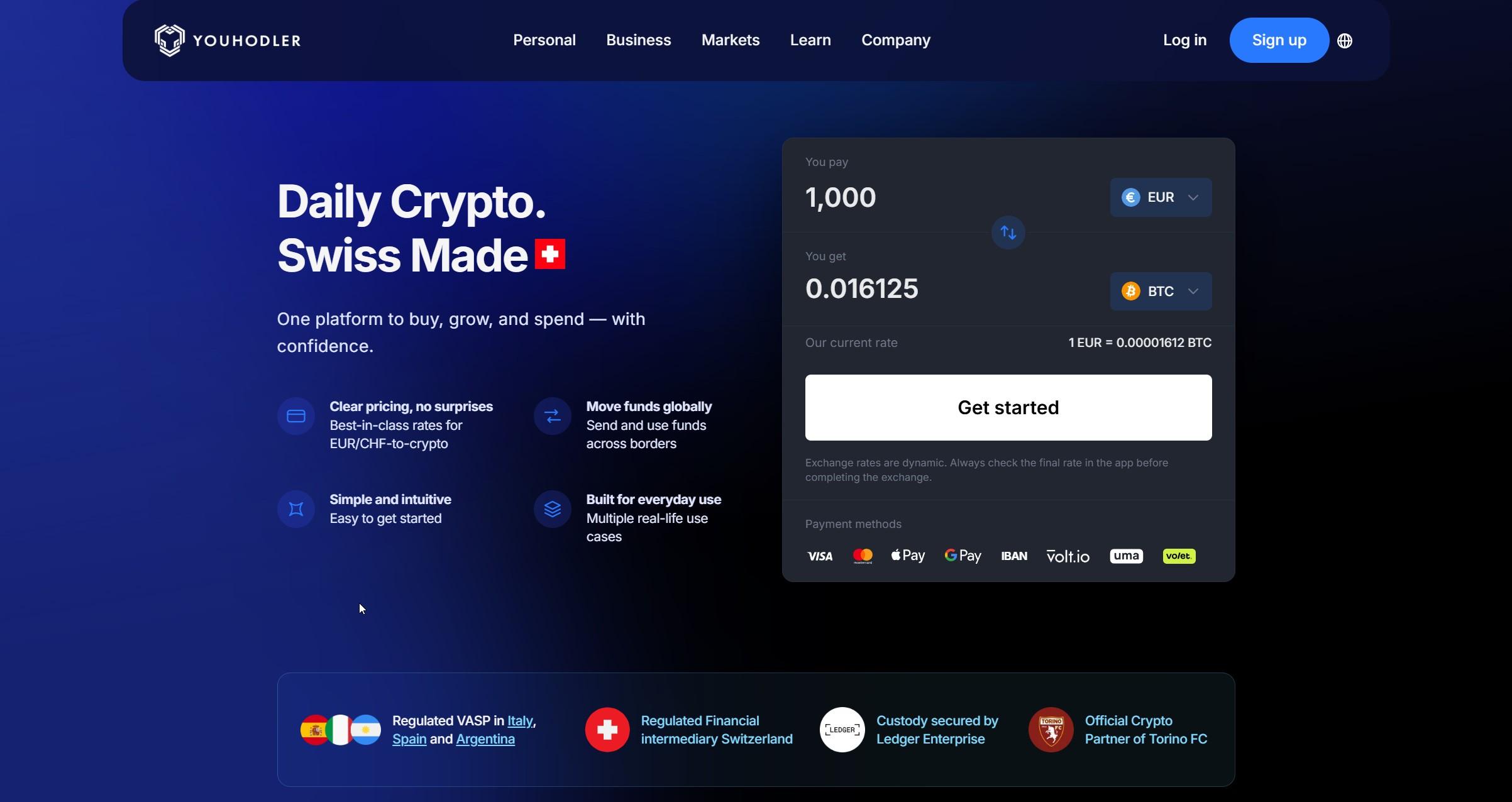
10. Kryptex Miner: Best for Desktop Level Mining with Mobile Monitoring
Kryptex Miner is primarily desktop mining software, with its mobile app serving as a companion for remote monitoring and control. It connects to actual cryptocurrency mining activities, leveraging the computational power of a user’s PC (GPU or ASIC) to mine cryptocurrencies, which are then automatically converted to Bitcoin for payouts.
Core Features:
- Real Bitcoin mining through desktop hardware.
- Automatic switching to the most profitable coin.
- Integrated mining pool for stable rewards.
- Strong remote monitoring capabilities via the mobile app.
Best For: Users who intend to mine using their desktop computers and wish to utilize their mobile phone for convenient oversight of mining performance, payouts, and system status.
Pros and Cons:
- Pros: Real Bitcoin mining via desktop hardware; Automatic profitability optimization; Stable mining rewards; Strong remote monitoring via mobile app.
- Cons: Not an actual mobile mining app for on-device mining; Requires a PC with significant computational power; Mobile app offers monitoring, not mining.
How to Choose the Best Bitcoin Mining App
Selecting the right Bitcoin mining app requires careful consideration of several factors to ensure a legitimate and potentially rewarding experience.
1. Mining Method
The most critical factor is the app’s underlying mining method. Apps claiming direct mining on mobile devices with limited processing power are highly suspect. Genuine mining involves either owning hardware, renting capacity through cloud mining platforms, or participating in mining pools. Always prioritize apps that clearly disclose their operational model and provide verifiable evidence of real mining activity.
2. Transparency and Legitimacy
Transparency is paramount. A legitimate Bitcoin mining app will openly provide details about its mining infrastructure, hardware specifications, geographical locations of mining farms, and how Bitcoin rewards are generated. If an app is vague about these details or offers unverified claims, it should be approached with extreme caution. Independent reviews and community feedback can be valuable in assessing legitimacy.
3. Fee Structures and Hidden Costs
Cloud mining services typically involve fees for mining contracts, maintenance, electricity, and withdrawals. Understanding these costs is crucial for calculating potential profitability. Reputable apps clearly outline all associated fees, avoiding hidden charges that can significantly erode earnings. Always scrutinize the fee structure to ensure it aligns with potential returns.
4. Platform Compatibility
A well-designed Bitcoin mining app should offer seamless compatibility across major mobile operating systems (Android and iOS). This includes easy installation from official app stores (Google Play Store, Apple App Store), intuitive mobile app access, reliable remote management features, and smooth synchronization with associated mining software or cloud platforms.
5. User Interface
An effective crypto mining app should present mining performance data—such as hashrate, active mining runs, and estimated Bitcoin rewards—in a clear and accessible manner. A user-friendly interface allows for easy tracking of earnings and understanding of operational status. If data is obscured or difficult to interpret, it may indicate a lack of transparency or a simulated mining process.
6. Security and Data Protection
The security of your account, digital assets, and Bitcoin payouts is a top priority. Reputable Bitcoin mining apps implement robust security measures, including two-factor authentication and encryption, to protect user data and funds. Apps lacking transparency regarding their security protocols or those that have faced data breaches should be avoided.
Are Bitcoin Mining Apps Legit or a Scam?
The landscape of Bitcoin mining apps is a mixed bag, with a significant portion falling into either highly inefficient, legitimate operations or outright scams. Fake apps often eschew actual mining, relying instead on advertising revenue, data harvesting, or fabricated earnings displays to mislead users.
A smaller subset of Bitcoin mining apps can be considered legitimate, though they rarely offer true "mine Bitcoin on your phone" functionality. These credible platforms are characterized by their transparency regarding hardware, payout mechanisms, fees, and mining pool affiliations. They provide users with the ability to verify how their returns are generated.

How to Verify a Bitcoin Mining App
Verifying the legitimacy of a Bitcoin mining app involves a multi-faceted approach:
- Research: Thoroughly research the company behind the app. Look for official websites, corporate registration details, and news articles.
- Transparency: Check for clear information on their mining hardware, operational costs, and payout structures.
- Community Feedback: Read reviews and forum discussions from other users. Be wary of overly positive or consistently negative feedback.
- Withdrawal Proof: Search for evidence of successful withdrawals by other users.
- Contact Information: Ensure the app provides clear and accessible customer support channels.
Tips to Stay Safe With Bitcoin Mining Apps
- Start Small: If you decide to invest in cloud mining, begin with a small amount to test the platform’s reliability.
- Be Skeptical of High Returns: Unrealistic promises of guaranteed high profits are a common red flag for scams.
- Understand the Risks: Bitcoin mining is subject to market volatility and technical challenges.
- Protect Your Credentials: Use strong, unique passwords and enable two-factor authentication.
- Avoid Sharing Private Keys: Never share your private keys with any app or service.
How Much Can You Earn With a Bitcoin Mining App?
The earning potential from a Bitcoin mining app varies dramatically based on the underlying operational model. As highlighted by industry analyses, most mobile and cloud-based mining tools do not yield substantial or consistent income.
Mining Earnings Breakdown
- Mobile Mining: Apps that rely solely on a mobile device’s processing power typically generate negligible earnings, often close to zero. The limited computational capacity of smartphones is insufficient for competitive Bitcoin mining.
- Free Crypto Mining Apps: These apps often provide minimal Bitcoin rewards, which may be simulated or heavily reduced after accounting for operational costs or platform fees.
- Cloud Mining: Earnings from cloud mining are contingent on the amount of computing power purchased, the terms of mining contracts, and the overall performance of the mining operation. After deducting fees, profit margins can be slim and inconsistent.
Mining Costs Breakdown
The primary costs associated with Bitcoin mining apps are not typically the app download itself but rather the underlying infrastructure and services.
- Cloud Mining: Users incur costs for mining contracts, maintenance fees, and electricity charges associated with the remote mining farms.
- Hardware Investment: For users engaging in direct mining or managing their own rigs, the initial cost of purchasing specialized mining hardware (ASICs) and maintaining it is significant.
- Purchased Mining Power: In cloud mining scenarios, the amount of hashrate purchased directly impacts profitability. Higher hashrate means a higher upfront cost but also a greater potential for Bitcoin mining rewards. However, these costs frequently diminish overall profit margins.
Conclusion
Bitcoin mining apps offer a seemingly accessible entry point into the world of cryptocurrency mining. However, the technical realities of Bitcoin mining—requiring specialized hardware, immense computational power, and large-scale mining farms—mean that most mobile applications cannot perform genuine mining. While some cloud mining platforms provide legitimate avenues for participation, their profitability is often modest and subject to market fluctuations and associated fees. Users are strongly advised to exercise due diligence, prioritize transparency, and approach any app promising unrealistic returns with extreme skepticism to avoid potential scams.
FAQs
What are the best free Bitcoin mining apps in 2024?
Many "free" Bitcoin mining apps are actually cloud mining platforms or reward-based systems. Popular options often include StormGain (reward-based), ECOS (offers free tier), and NiceHash (marketplace for hash power).
Which Bitcoin mining apps work best on Android?
On Android, the most commonly used mobile mining apps include CryptoTab Browser, MinerGate Mobile Miner, and cloud-based tools like StormGain and ECOS. These apps function as interfaces to remote mining operations or reward systems.
What are the top Bitcoin mining apps for iOS?
Similar to Android, iOS users will find cloud mining and reward-based apps dominate. Top choices include StormGain, ECOS, and other mobile mining apps that connect to remote mining operations, focusing on performance tracking and payout management.
Is Bitcoin mining on a phone realistic in 2024?
No, realistic Bitcoin mining on a standard smartphone is not feasible. The process requires industrial-grade mining hardware and significant computational power far beyond what a mobile device can offer. Most "mobile mining" apps either simulate mining or utilize cloud mining services.
How long does it take to mine 1 Bitcoin with an app?
With typical Bitcoin mining apps, mining 1 BTC is practically impossible due to the limited processing power. Even with real mining operations, it takes substantial resources and time. On mobile or cloud apps, earnings are usually small Bitcoin rewards, not full coins.
Is it safe to use Bitcoin mining apps on your phone?
Some reputable crypto mining apps, especially those listed on official app stores and with transparent operations, can be safe. However, many are risky due to lack of transparency or potential for scams. Always verify an app’s legitimacy before use.