admin
admin
United States Senator Tim Scott has announced that a critical compromise may be reached this week regarding the contentious stablecoin yield payment provisions that have effectively stalled the progress of a comprehensive crypto market structure bill in the Senate. Speaking on Tuesday at a prominent crypto lobby event hosted by The Digital Chamber in Washington, D.C., Scott expressed optimism that a formal proposal is imminent, potentially clearing a legislative bottleneck that has persisted for months. The Senator, who serves as a pivotal figure on the Senate Banking Committee, indicated that the arrival of this proposal could drastically shift the momentum of the bill, which seeks to establish a definitive regulatory framework for digital assets in the United States.
“I believe that this week we will have the first proposal in my hands to take a look at,” Scott told the audience at the DC Blockchain Summit. He emphasized the importance of the timing, suggesting that if the proposal materializes before the week’s end, the legislative process will be in a significantly improved position to move forward. His comments mark a rare moment of public positivity in a legislative cycle that has been characterized by gridlock and intense lobbying from both the traditional financial sector and the nascent cryptocurrency industry.
The Legislative Context: From the CLARITY Act to the Senate Floor
The current legislative push follows the House of Representatives’ successful passage of the CLARITY Act in July. That bill represented a landmark attempt to codify the oversight of stablecoin issuers, focusing on reserve requirements and consumer protections. However, as the focus shifted to the Senate, the complexities of the U.S. financial regulatory system became more apparent. The Senate’s version of the crypto market structure bill is designed to outline how federal regulators—specifically the Securities and Exchange Commission (SEC) and the Commodity Futures Trading Commission (CFTC)—will divide the labor of policing the digital asset space.
The progress of the Senate bill has been uneven due to the dual-committee jurisdiction inherent in financial legislation. The Senate Agriculture Committee, which oversees the CFTC, successfully marked up its portion of the bill and sent it to the floor in January. Conversely, the Senate Banking Committee, which holds jurisdiction over the SEC and the broader banking system, indefinitely postponed its markup during the same month. This delay was largely attributed to the unresolved debate over how stablecoins should be treated when they are used as yield-bearing instruments rather than mere mediums of exchange.
The Yield Dispute: Banking Stability vs. Crypto Innovation
At the heart of the current impasse is a specific provision that would prohibit third parties, such as centralized cryptocurrency exchanges, from offering yield payments on stablecoin holdings. This issue has become a flashpoint for two of the most powerful lobbying forces in Washington: the traditional banking sector and the cryptocurrency industry.
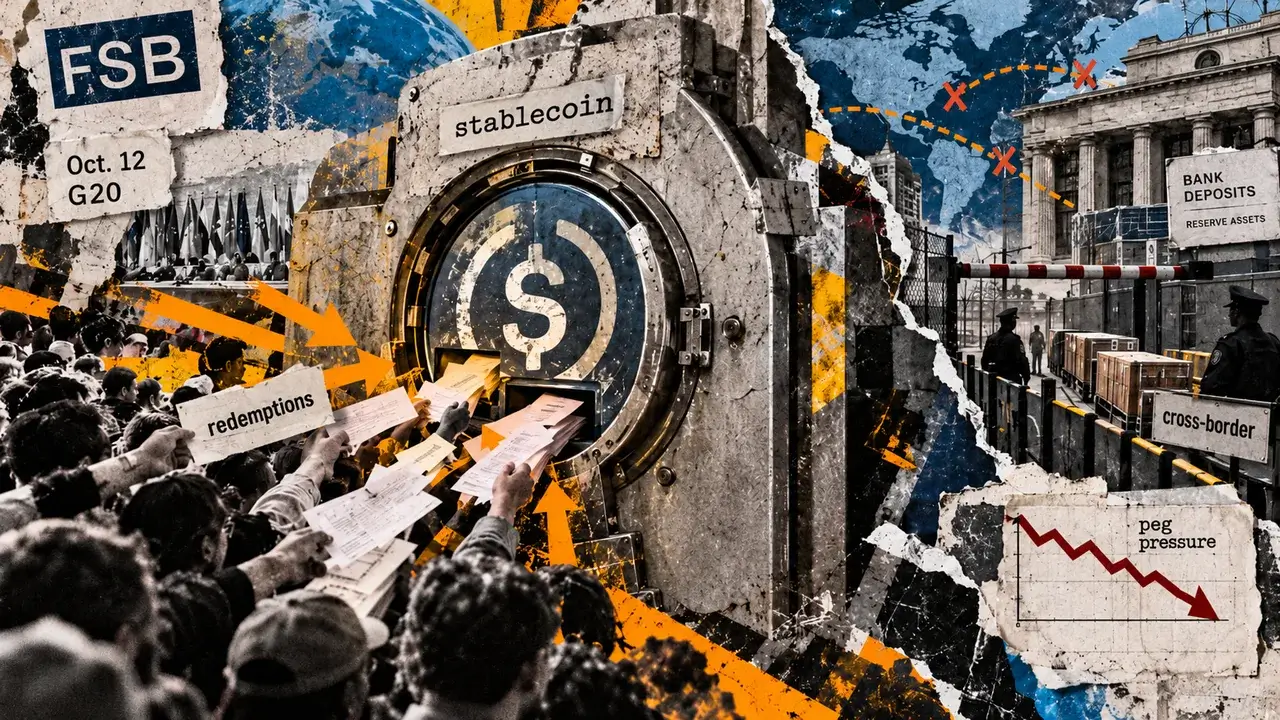
Banking groups have argued forcefully that stablecoin yields represent a dangerous loophole in existing and proposed regulations. They point specifically to the GENIUS Act, which already prohibits stablecoin issuers from paying interest or yields directly to holders. The banks assert that if third-party platforms like Coinbase, Kraken, or Gemini are permitted to offer yields on these assets, it effectively creates a shadow banking system. The primary fear for traditional financial institutions is "deposit flight"—the concern that consumers will move their capital out of low-interest savings accounts at traditional banks and into high-yield stablecoin products offered by crypto platforms.
In a high-interest-rate environment, where traditional banks may be slow to raise deposit rates, the allure of 5% or 6% yields on dollar-pegged stablecoins could theoretically destabilize the funding base of smaller community and regional banks. Banking lobbyists have argued that this poses a systemic risk to the U.S. financial architecture, necessitating a total ban on such practices to ensure a level playing field.
On the other side of the aisle, crypto lobbyists and industry advocates view these arguments as anti-competitive. They contend that stablecoin yield payments are a legitimate way for exchanges to share revenue with their users and entice new customers into the digital asset ecosystem. Advocates argue that banning these yields would not only stifle innovation but would also push American consumers toward unregulated offshore platforms where they lack any legal recourse or protection. The crypto industry has accused the banking lobby of using regulatory concerns as a pretext to protect their own profit margins and market dominance.
Beyond Yields: Addressing Ethics, DeFi, and Jurisdictional Carve-Outs
While the yield controversy has dominated the headlines, Senator Scott clarified that it is merely the "largest publicly celebrated challenge" facing the bill. Several other intricate issues remain under negotiation, including ethics requirements for digital asset firms, the regulatory status of decentralized finance (DeFi), and the specific definitions of which entities are "carved in" or "carved out" of the new rules.

“Those issues seem to pale in comparison to the rewards issue, but they’re still very important outstanding issues that we are nibbling away at as we work on the more popular issue of rewards and yield,” Scott noted.
The question of "carve-outs" is particularly sensitive. It involves determining which types of tokens and service providers fall under the strict oversight of the SEC and which are treated as commodities under the CFTC. This distinction is vital for the industry, as the SEC’s "regulation by enforcement" approach has been a source of significant friction. Furthermore, the inclusion or exclusion of DeFi protocols—which operate via automated smart contracts rather than centralized intermediaries—remains a point of contention. Lawmakers are struggling to apply traditional "Know Your Customer" (KYC) and Anti-Money Laundering (AML) standards to software-based systems that lack a central point of control.
A Chronology of Recent Progress
The momentum described by Senator Scott is the result of intensive behind-the-scenes negotiations that have accelerated over the past month. The timeline of the bill’s evolution highlights the urgency felt by lawmakers as the digital asset market continues to grow in both size and complexity:
- July (Previous Year): The House of Representatives passes the CLARITY Act, establishing a baseline for stablecoin regulation.
- January: The Senate Agriculture Committee marks up the market structure bill; the Senate Banking Committee postpones its markup due to unresolved disagreements on stablecoin yields.
- February: Lobbying efforts from the American Bankers Association and various crypto trade groups reach a fever pitch, focusing on the potential for deposit flight.
- Late February: Bipartisan staffers begin drafting potential compromise language to address the "third-party yield" loophole without completely stifling exchange-based incentives.
- March (Current): Senator Tim Scott announces that a formal proposal is expected, signaling that the Banking Committee may be ready to resume the markup process.
Market Data and the Stakes for the U.S. Dollar
The urgency of this legislation is underscored by the massive scale of the stablecoin market. As of early 2024, the total market capitalization of stablecoins exceeds $150 billion, with Tether (USDT) and USD Coin (USDC) accounting for the vast majority of that volume. These assets serve as the primary liquidity bridge for the entire crypto economy, facilitating billions of dollars in daily trading volume.
From a geopolitical perspective, many lawmakers see stablecoins as a tool to extend the reach of the U.S. dollar in the digital age. By providing a stable, dollar-denominated medium for global internet-based commerce, stablecoins could reinforce the dollar’s status as the world’s reserve currency. However, without a clear domestic regulatory framework, the U.S. risks losing its influence over this sector to jurisdictions like the European Union, which has already implemented its Markets in Crypto-Assets (MiCA) regulation.
Official Responses and Industry Reactions
While Senator Scott’s comments have provided a boost to industry sentiment, reactions from other quarters remain cautious. Representatives from the banking sector have reiterated that any compromise must include "robust safeguards" to prevent the erosion of the traditional banking deposit base. They argue that a compromise that allows yield payments must come with stringent capital and liquidity requirements for the platforms offering them, effectively treating those platforms more like traditional financial institutions.
Conversely, crypto advocacy groups have expressed a willingness to accept some limitations if it means achieving regulatory clarity. The lack of a clear legal framework has hindered institutional adoption of digital assets in the U.S., as large pension funds and asset managers are often hesitant to engage with a market that exists in a "gray area."
“We have made a lot of progress over the last probably 30 days or so,” Scott concluded. “We’re working on a lot of issues, but every single day it feels like the big momentum is finally on our side and we’re heading in the right direction.”
Analysis of Potential Implications
If a compromise is reached this week, the implications for the digital asset market could be profound. A successful markup in the Senate Banking Committee would pave the way for a full Senate vote, bringing the U.S. closer to its first comprehensive crypto law.
- Institutional Entry: Clear rules regarding stablecoins and market structure would likely trigger a wave of institutional investment, as the "regulatory risk" premium associated with U.S. crypto assets would diminish.
- Banking Integration: A compromise might include provisions that allow traditional banks to hold stablecoin reserves or issue their own stablecoins, potentially bridging the gap between TradFi and DeFi.
- Consumer Protection: By bringing third-party yield providers under a regulatory umbrella, the bill would likely mandate disclosure requirements and reserve audits, reducing the risk of a repeat of the 2022 lending platform collapses.
The eyes of the financial world remain on the Senate Banking Committee this week. If Senator Scott’s prediction holds true, the "first proposal" could represent the most significant step forward for American crypto policy in years, finally resolving the tug-of-war between the safety of the old guard and the potential of the new.