James Watt
The potential appointment of Kevin Warsh as the next Chair of the Federal Reserve marks a pivotal transition in American monetary history, signaling a departure from the traditional distance maintained between the central bank and the burgeoning digital asset sector. As the first nominee for the chairmanship to have disclosed personal holdings in cryptocurrency-related ventures, Warsh represents a unique paradox: a leader who is intimately familiar with the technology of decentralized finance but whose macroeconomic instincts suggest a rigorous, hawkish approach that could challenge the very market he has personally invested in. For the broader American public, the leadership of the Federal Reserve is often viewed through the lens of mortgage rates, the yield on savings accounts, and the stability of the labor market. However, for the cryptocurrency industry, the selection of Warsh is a high-stakes development that could redefine the relationship between the U.S. dollar and digital assets for the next decade.
The Nomination of Kevin Warsh and the Disclosure of Crypto Ties
Kevin Warsh, a former member of the Federal Reserve Board of Governors and a veteran of the George W. Bush administration, has emerged as a frontrunner to succeed Jerome Powell, whose term is set to expire on May 15. The nomination has drawn intense scrutiny not only for Warsh’s economic philosophy but also for his financial disclosures. According to documents released ahead of his confirmation process, Warsh’s portfolio includes stakes in high-profile ventures such as SpaceX, the prediction market platform Polymarket, and various entities involved in artificial intelligence and blockchain technology.
This disclosure is unprecedented for a prospective Fed Chair. While previous leaders like Ben Bernanke, Janet Yellen, and Jerome Powell came from academic or legal backgrounds with traditional investment portfolios, Warsh’s exposure to Polymarket and other crypto-adjacent firms suggests a modern understanding of the digital economy. In compliance with Federal Reserve ethics regulations and to avoid conflicts of interest, Warsh has pledged to divest these holdings if confirmed by the Senate. Nevertheless, the presence of these assets in his personal history indicates a level of engagement with the sector that no previous central bank leader has possessed.
The timing of this potential shift is critical. The Federal Reserve is currently navigating a complex post-inflationary environment, attempting to balance the reduction of its nearly $7 trillion balance sheet with the need to maintain financial stability. In this context, Warsh is viewed by many on Wall Street as a "hawk"—a central banker who prioritizes a smaller balance sheet and tighter monetary conditions over the accommodative policies that characterized much of the last fifteen years.
A Chronology of the Federal Reserve’s Relationship with Digital Assets
To understand the significance of a Warsh chairmanship, one must examine the evolution of the Federal Reserve’s stance on cryptocurrency over the past decade.
During the early 2010s, under Ben Bernanke, Bitcoin was largely viewed as a technological curiosity with little systemic relevance. The Fed’s focus was primarily on recovery from the 2008 financial crisis, and digital assets remained on the extreme periphery of policy discussions.
The tenure of Janet Yellen (2014–2018) saw a shift toward cautious skepticism. Yellen frequently highlighted the risks associated with cryptocurrencies, including their potential use in illicit finance and their inherent volatility. She emphasized that the Fed did not have the authority to regulate Bitcoin and generally viewed it as a speculative asset rather than a functional currency.
Jerome Powell’s leadership (2018–present) oversaw the mainstreaming of crypto. Under Powell, the Fed began to acknowledge the potential efficiencies of blockchain technology, particularly in the realm of cross-border payments. However, Powell remained firm on the necessity of "same activity, same regulation" and expressed significant concerns regarding stablecoins and their potential impact on financial stability. By late 2024, Powell had explicitly stated that the Fed lacked the legal mandate to hold Bitcoin on its balance sheet and showed no inclination to seek such powers from Congress.
The transition to Warsh would represent the fourth era of this relationship. Unlike his predecessors, Warsh would enter the office at a time when institutional adoption is at an all-time high, with Bitcoin ETFs (Exchange-Traded Funds) attracting billions in capital and major financial institutions seeking direct access to Federal Reserve payment rails.
The Liquidity Dilemma: Why a Hawkish Fed Challenges Crypto Markets
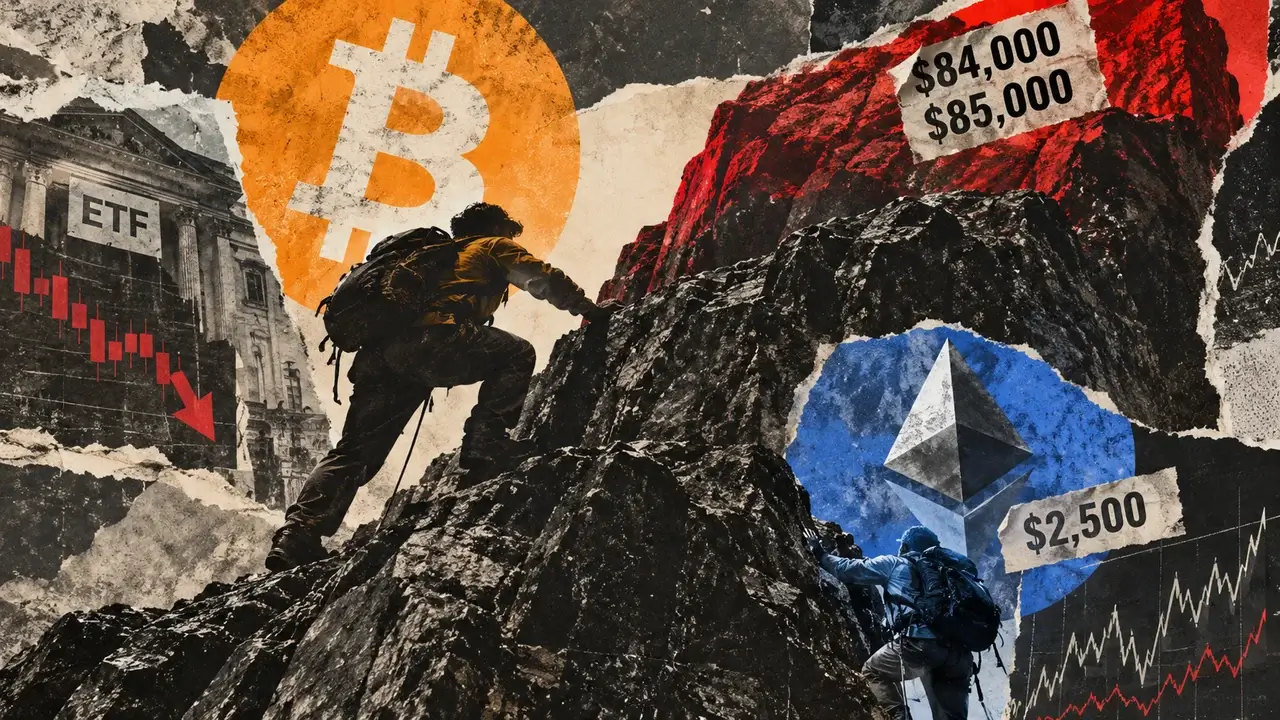
The most immediate impact of a Warsh chairmanship would likely be felt through the "price of money." Bitcoin and other digital assets have historically functioned as barometers for global liquidity. When the Federal Reserve expands its balance sheet (Quantitative Easing) and lowers interest rates, speculative assets tend to thrive as investors seek higher returns in riskier markets. Conversely, when the Fed engages in "Quantitative Tightening" (QT) and raises rates, liquidity is withdrawn from the system, often leading to a sell-off in the crypto sector.
Market data supports this correlation. When news broke that Warsh’s odds of becoming Fed Chair were rising, Bitcoin experienced a notable sell-off. Traders interpreted his potential appointment as a signal that the era of "easy money" was firmly over. Warsh has been a vocal critic of the Fed’s massive balance sheet expansion, arguing that a central bank with a footprint that is too large distorts market signals and risks long-term inflationary pressure.
If Warsh pursues a policy of aggressive balance sheet reduction, the resulting "liquidity crunch" could create a persistent headwind for Bitcoin. Even if Warsh is personally "pro-innovation," his primary mandate is the stability of the U.S. dollar and the management of the macroeconomy. In the cold arithmetic of the markets, a tighter monetary regime leaves less room for the speculative fervor that often drives crypto bull cycles.
Financial Plumbing and the Integration of Crypto Firms
Beyond interest rates and liquidity, the Federal Reserve Chair exerts immense influence over the "plumbing" of the American financial system. This includes the granting of Fed master accounts, which allow institutions to deposit funds directly with the central bank and access its payment rails without going through an intermediary bank.
Recently, the crypto firm Kraken achieved a significant milestone by securing a Fed master account through its Wyoming-based Special Purpose Depository Institution (SPDI). This move, while restricted, signaled a crack in the wall between traditional banking and the crypto industry. A Warsh-led Fed will be responsible for deciding whether this opening becomes a gateway for other firms or a highly controlled exception.
The tone set by the Chair filters down to the regional Fed banks and other regulatory bodies like the Office of the Comptroller of the Currency (OCC) and the FDIC. If Warsh adopts a framework that encourages responsible integration, it could lead to:
- Enhanced Custody Solutions: Clearer guidelines for how traditional banks can hold digital assets for their clients.
- Stablecoin Oversight: A more structured approach to how stablecoins interact with the banking system, potentially providing a path for regulated issuers to operate with greater transparency.
- Institutional Legitimacy: The transition of crypto from the "edges" of finance to a core component of the institutional portfolio.
However, Warsh’s hawkishness may manifest as a demand for higher capital requirements and more stringent compliance for any firm operating at the intersection of crypto and banking. This could create a "survival of the fittest" environment where only the most well-capitalized and compliant crypto firms can survive.
Analyzing the "Warsh Effect" on Global Risk Appetite
The influence of the Fed Chair extends far beyond the borders of the United States. As the issuer of the world’s primary reserve currency, the Fed’s decisions dictate global borrowing costs and the strength of the dollar. A stronger dollar, often a byproduct of higher interest rates, typically puts downward pressure on Bitcoin, which is priced in dollars.
Furthermore, Warsh’s background as a policymaker who values market discipline suggests he may be less likely to "bail out" markets during periods of volatility. This "moral hazard" concern is central to Warsh’s philosophy. For the crypto sector, which has seen its share of catastrophic failures (such as the collapse of FTX and Celsius), a Fed Chair who refuses to provide a safety net could mean that future industry downturns will be more painful but perhaps lead to a more resilient ecosystem in the long run.
The Road to Confirmation: Key Indicators for Investors
As the Senate Banking Committee prepares for Warsh’s appearance on April 21, analysts and investors are identifying several key "signals" that will determine the market’s direction:
- The Innovation vs. Containment Narrative: Will Warsh frame digital assets as a tool for American competitiveness or as a threat to financial stability that must be contained?
- Balance Sheet Specifics: How quickly does he intend to shrink the Fed’s holdings, and what is his "terminal size" for the balance sheet?
- Legislative Cooperation: To what extent will he signal a willingness to work with Congress on a comprehensive regulatory framework for stablecoins and digital asset market structure?
- Personal Philosophy on CBDCs: While the Fed has been researching a Central Bank Digital Currency (CBDC), Warsh’s views on a "digital dollar" vs. private-sector stablecoins will be a critical point of interest.
Conclusion: A New Chapter for American Finance
The potential confirmation of Kevin Warsh as Federal Reserve Chair represents a sophisticated evolution in the government’s approach to the digital age. It marks the end of the era where the central bank could afford to treat cryptocurrency as a peripheral experiment.
Warsh brings a duality to the role that is both promising and challenging for the crypto industry. On one hand, his personal familiarity with the sector and his understanding of technological disruption suggest a leader who will not be blindsided by the speed of digital finance. On the other hand, his commitment to traditional monetary discipline and a smaller central bank footprint may create an economic environment where capital is more expensive and liquidity is less abundant.
Ultimately, the "Warsh era" of the Federal Reserve may be defined by a fundamental trade-off: deeper integration of crypto into the regulated financial system in exchange for a more rigorous and less accommodative monetary backdrop. For Bitcoin and the broader digital asset market, this could mean the end of the "wild west" era and the beginning of a period defined by institutional maturity, regulatory clarity, and the harsh realities of a hawkish central bank. As the May 15 deadline approaches, the global financial community remains focused on the Senate, waiting to see if the man who once held Polymarket in his portfolio will now hold the keys to the world’s most powerful economic engine.