Nila Kartika Wati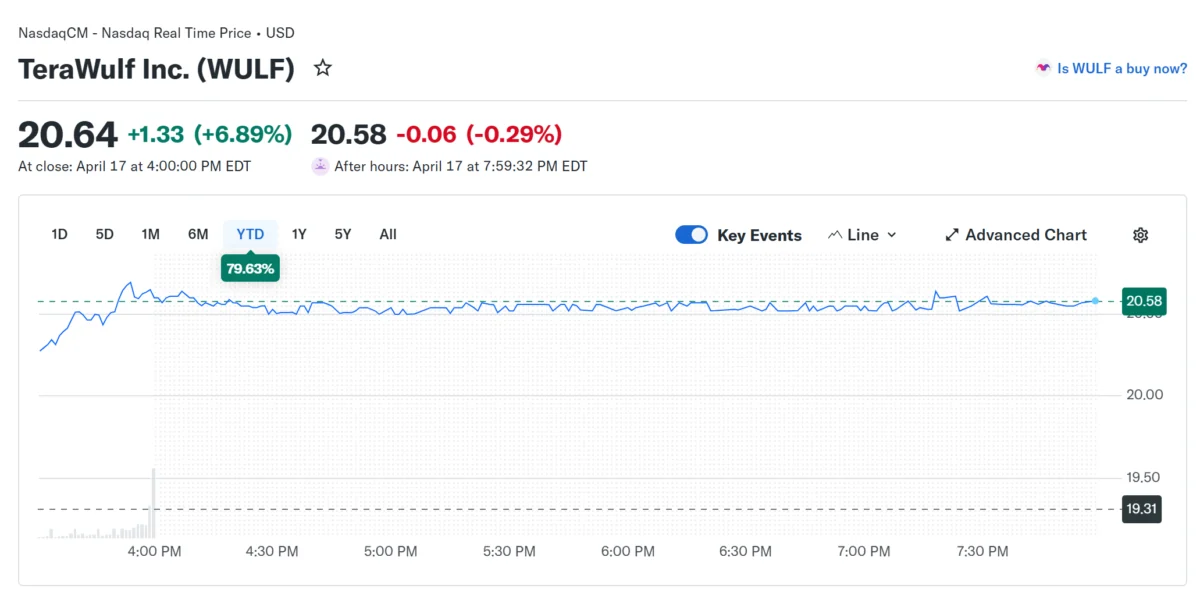
US aluminum giant Alcoa is reportedly nearing a definitive agreement to divest its long-dormant Massena East smelter, located in upstate New York, to New York Digital Investment Group (NYDIG), a prominent Bitcoin mining firm. This transaction, expected to conclude by mid-2026, marks a significant moment for both the industrial real estate sector and the rapidly evolving digital infrastructure landscape, as idle heavy manufacturing sites are increasingly being repurposed for energy-intensive computing operations. Alcoa CEO Bill Oplinger confirmed the advanced discussions to Bloomberg on Friday, highlighting the company’s strategy to monetize non-core assets. The Massena East facility, situated strategically along the St. Lawrence River, has remained inactive since 2014, a consequence of soaring energy costs and intense global competition that rendered its operations economically unviable for aluminum production.
The potential sale underscores a compelling economic and technological shift. Aluminum smelters, by their very nature, were constructed for continuous, heavy industrial operations, demanding immense and reliable power supplies. Consequently, they come equipped with pre-existing, robust electrical infrastructure, including dedicated substations, high-voltage transmission lines, and extensive grid connections. These assets are invaluable to Bitcoin miners and data center operators, who often face multi-year processes and substantial capital expenditure to secure similar infrastructure approvals and buildouts from scratch. The Massena East site further benefits from access to hydropower supplied by the New York Power Authority (NYPA), a crucial factor for energy-intensive computing firms seeking both low-cost and lower-carbon power sources in an increasingly scrutinized industry.
The Historical Context of Massena East and Alcoa’s Legacy
The Massena East smelter holds a deep historical significance for the region and for Alcoa itself. Alcoa’s presence in Massena dates back to 1902, making it one of the company’s oldest and most iconic facilities. For decades, the Massena operations, comprising both the East and West plants, were a cornerstone of the local economy, providing thousands of jobs and contributing substantially to the tax base of St. Lawrence County. The East plant, specifically, represented a significant investment in early 20th-century industrial prowess, designed for continuous electrolytic reduction of alumina into aluminum.
However, the global aluminum market underwent profound changes in the late 20th and early 21st centuries. The emergence of lower-cost producers in regions with abundant and cheaper energy, coupled with fluctuating aluminum prices and increasing environmental regulations, placed immense pressure on older, less efficient smelters in North America. By the early 2010s, Alcoa was grappling with these challenges across its portfolio. The decision to idle the Massena East smelter in 2014 was a direct response to these pressures, particularly the rising cost of electricity relative to international competitors and the need to streamline operations to remain competitive. The closure, while economically necessary for Alcoa, left a significant void in the Massena community, resulting in job losses and a substantial reduction in local economic activity. The site has since represented a challenge for Alcoa, requiring ongoing maintenance while generating no revenue, making its sale a strategic imperative for the company.
Why Industrial Sites are Goldmines for Digital Infrastructure
The acquisition of former industrial sites by digital infrastructure companies, particularly those in the Bitcoin mining and high-performance computing (HPC) sectors, is a trend gaining significant momentum across the United States. These sites offer a unique combination of advantages that are difficult and expensive to replicate:
- Massive Power Capacity: Heavy industries like aluminum smelting, steel production, and chemical manufacturing require colossal amounts of electricity. Their historical power agreements and existing grid connections often provide access to hundreds of megawatts (MW) of power, far exceeding the requirements of typical commercial or residential developments. For a Bitcoin mining operation, which can consume electricity equivalent to a small town, this pre-existing capacity is a game-changer.
- Robust Electrical Infrastructure: Beyond mere capacity, these sites boast industrial-grade substations, extensive internal transmission lines, and sophisticated switchgear. Building such infrastructure from scratch involves significant capital investment, complex engineering, and lengthy regulatory approval processes, often spanning several years. Acquiring a site with this infrastructure already in place drastically reduces both the cost and time to deployment for a new data center.
- Strategic Locations: Many of these industrial facilities were built in areas with access to abundant natural resources, including water (for cooling) and, crucially, inexpensive energy sources. Massena East’s location on the St. Lawrence River, with access to NYPA hydropower, exemplifies this. These locations often have existing infrastructure for logistics and are zoned for heavy industrial use, avoiding potential conflicts with residential areas over noise or visual impact.
- Skilled Workforce: While the specific skills of aluminum workers might differ from IT technicians, these regions often have a legacy of industrial labor, meaning a workforce accustomed to operating complex machinery and adhering to safety protocols, which can be retrained or adapted for data center operations.
- Environmental Benefits (in specific cases): The repurposing of brownfield sites can have environmental benefits, preventing new greenfield development and potentially revitalizing areas that have suffered economic decline. When coupled with renewable energy sources like hydropower, as in Massena, the environmental footprint of the computing operations can be significantly reduced, addressing a key criticism of energy-intensive cryptocurrencies.
The Role of Hydropower and the New York Power Authority
The availability of hydropower through the New York Power Authority is a critical differentiator for the Massena East site. New York State has a robust commitment to renewable energy, with ambitious targets for decarbonization. NYPA, the largest state public power organization in the United States, plays a pivotal role in achieving these goals by generating and transmitting clean, low-cost electricity across the state, primarily from its Niagara and St. Lawrence-Franklin D. Roosevelt power projects.
For energy-intensive industries, including digital infrastructure, NYPA’s power offerings are highly attractive. The cost of electricity is a dominant operational expense for Bitcoin miners, often accounting for 70-80% of total costs. Access to stable, inexpensive hydropower provides a significant competitive advantage, reducing operational expenditures and improving profitability margins, especially as Bitcoin mining difficulty continues to rise. Furthermore, using hydropower addresses environmental concerns often leveled against Bitcoin mining, which has traditionally relied heavily on fossil fuels in some regions. This alignment with lower-carbon energy sources makes the project more palatable from a regulatory and public relations standpoint, crucial for securing long-term operational stability.
NYDIG’s Strategic Expansion in Bitcoin Mining
New York Digital Investment Group (NYDIG), a subsidiary of Stone Ridge, has been aggressively expanding its footprint within the Bitcoin mining infrastructure sector, positioning itself as a key player in institutional Bitcoin adoption. This potential acquisition of the Massena East smelter aligns perfectly with NYDIG’s broader strategy to control and optimize its mining operations, ensuring access to reliable and cost-effective power sources.
NYDIG’s growth trajectory includes several strategic moves in recent years. The firm already holds a significant stake in Coinmint, another major Bitcoin mining operator that runs extensive hardware at the same Massena campus under a long-term lease. This existing presence suggests NYDIG’s familiarity with the local energy market and the advantages offered by the Massena location. Last year, NYDIG further consolidated its position by agreeing to acquire Crusoe Energy’s Bitcoin mining business. Crusoe Energy was known for its innovative approach to digital flare mitigation, converting wasted natural gas from oil drilling sites into electricity for Bitcoin mining. This acquisition not only expanded NYDIG’s mining capacity but also diversified its energy strategy, integrating more environmentally conscious solutions.
The purchase of the Massena East site, with its ready-to-use electrical infrastructure and access to hydropower, represents a logical next step in NYDIG’s pursuit of vertical integration and operational efficiency. By acquiring the physical infrastructure directly, NYDIG can potentially reduce long-term leasing costs, gain greater control over facility upgrades, and more directly manage energy procurement, all of which are critical for sustainable profitability in the highly competitive Bitcoin mining industry.

A Broader Trend: US Smelters Reborn as Digital Hubs
The Alcoa-NYDIG deal is not an isolated incident but rather a prominent example of a broader, emerging trend across the United States. Retired industrial sites, particularly those with substantial power infrastructure, are increasingly being viewed as prime real estate for digital infrastructure. Earlier this year, this trend was highlighted when Century Aluminum sold its Hawesville smelter in Kentucky to TeraWulf for a reported $200 million. TeraWulf, a Bitcoin mining company, plans to convert the site into a high-performance computing and AI facility, signaling a move beyond traditional industrial use into the digital economy. This transaction, much like the Alcoa-NYDIG deal, capitalizes on the existing heavy-duty electrical infrastructure and energy access of a former industrial giant. TeraWulf’s shares have seen a significant uptick year-to-date, reflecting investor confidence in this strategic pivot.
The repurposing of these sites represents a win-win scenario in many cases: industrial companies shed underperforming or idle assets, while digital infrastructure firms gain rapid access to critical resources, often revitalizing communities that have suffered from industrial decline. This convergence of old industrial might with new digital demand is reshaping the economic landscape of many former manufacturing hubs.
Bitcoin Miners Pivot to AI and High-Performance Computing
While NYDIG’s renewed focus appears to be on expanding its core Bitcoin mining operations, the broader industry is witnessing a significant pivot among many Bitcoin miners towards Artificial Intelligence (AI) and cloud computing. This diversification strategy is driven by several factors, primarily the shrinking profit margins in traditional Bitcoin mining due to increasing network difficulty, rising energy costs in some regions, and the fluctuating price of Bitcoin.
Several major players in the Bitcoin mining sector have already made substantial moves into AI and HPC:
- MARA Holdings (Marathon Digital Holdings): Earlier this year, Marathon acquired a 64% stake in Exaion, a French infrastructure company, gaining a foothold in AI services. This move allows Marathon to leverage its existing data center expertise and energy infrastructure for AI workloads.
- Hive Digital Technologies: Hive has announced plans for a significant $75 million raise specifically to fund its AI infrastructure push. The company has explicitly stated that its revenue surge is partly attributable to its AI expansion, demonstrating the strategic importance of this diversification.
- Hut 8: Another prominent miner, Hut 8, has also been actively repurposing its mining facilities into data centers capable of supporting HPC and AI applications.
- TeraWulf: As mentioned, TeraWulf’s acquisition of the Hawesville smelter is explicitly for conversion into an HPC and AI facility, indicating a clear strategy to diversify beyond pure Bitcoin mining.
- Iren (formerly Iris Energy): Iren is another example of a miner exploring and investing in AI and HPC capabilities, utilizing its energy-efficient data centers for broader computing applications.
- CoreWeave: Perhaps the most notable example, CoreWeave originated as a crypto miner but has now fully transitioned into an AI-focused infrastructure provider, becoming a significant player in the specialized cloud computing market for AI.
This pivot is logical. The underlying infrastructure required for Bitcoin mining – large-scale data centers, robust power supplies, and efficient cooling systems – is largely transferable to AI and HPC workloads. The difference lies in the specific hardware (ASICs for Bitcoin mining vs. GPUs for AI) and the software stack. By diversifying, these companies aim to create more resilient business models, less dependent on the volatile price of Bitcoin and the ever-increasing mining difficulty. It allows them to tap into the booming demand for AI computing power, which is currently experiencing explosive growth.
Implications and Future Outlook
The sale of Alcoa’s Massena East smelter to NYDIG carries multifaceted implications for the local community, the energy sector, and the digital asset industry.
Local Economic Impact: For Massena, the transaction could bring a much-needed revitalization. While a Bitcoin mining facility might not employ thousands of people like the smelter once did, it will create specialized jobs in operations, maintenance, and security. Crucially, it promises renewed economic activity and tax revenue from a site that has been a dormant liability for years. Local officials would likely welcome any project that transforms an idle industrial site into an active economic contributor.
Energy Sector Implications: The continued repurposing of sites for energy-intensive digital infrastructure raises important questions for energy regulators and utilities. While hydropower is a clean source, the sheer volume of electricity consumed by Bitcoin mining and AI data centers demands careful management of grid stability and power allocation, especially in regions with finite renewable energy resources. The New York Power Authority will play a critical role in balancing industrial development with the state’s broader energy goals.
Environmental Considerations: The use of hydropower at Massena mitigates many of the environmental concerns associated with Bitcoin mining. However, the industry still faces scrutiny regarding e-waste from rapidly evolving mining hardware and potential noise pollution. Responsible operation and sustainable practices will be key for NYDIG to maintain a positive environmental profile.
Strategic Shift for Alcoa: For Alcoa, shedding the Massena East smelter is part of a broader strategy to optimize its asset portfolio, focusing on core profitable operations and divesting non-core, idle properties. This allows the company to reduce carrying costs and free up capital for other investments.
Future of Digital Infrastructure: This deal further solidifies the trend of integrating digital infrastructure into the fabric of former industrial landscapes. As the demand for computing power for cryptocurrencies, AI, and other data-intensive applications continues to grow, these repurposed sites will become increasingly valuable. The unique combination of pre-existing infrastructure, access to low-cost power, and strategic locations positions them as critical nodes in the burgeoning digital economy. The evolution of Bitcoin miners into versatile data center operators capable of hosting both crypto and AI workloads suggests a dynamic future where energy-intensive computing becomes a cornerstone of economic development in regions historically defined by heavy industry.