Nila Kartika Wati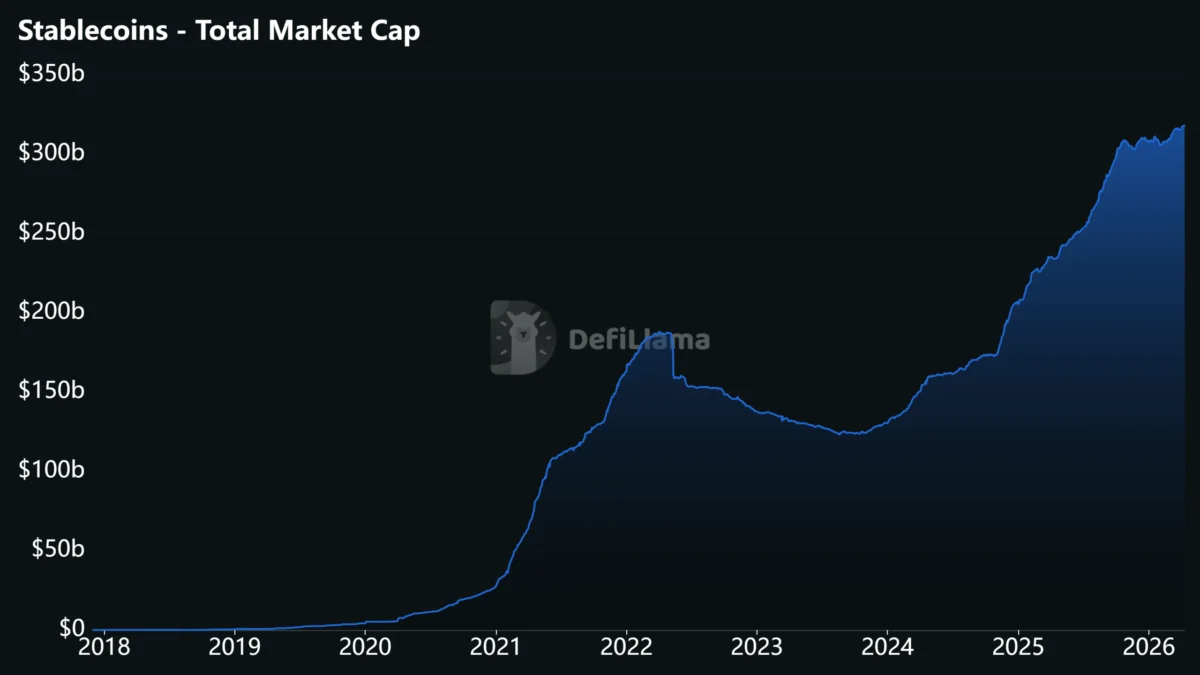
The cryptocurrency market is navigating a complex landscape marked by geopolitical instability, evolving regulatory frameworks, and persistent privacy concerns, with a recent Bitcoin recovery being dubbed "fragile" by analysts. This comes as European financial institutions actively accelerate stablecoin adoption, propelled by comprehensive new regulations, while a stark warning from Telegram’s co-founder highlights a critical vulnerability in user privacy via push notifications. These disparate yet interconnected developments underscore the dynamic and often unpredictable nature of the digital asset ecosystem and its broader implications for global finance and individual data security.
Bitcoin’s Precarious Ascent Amidst Geopolitical and Macroeconomic Headwinds
The nascent Bitcoin (BTC) recovery, now approximately a week old, is facing significant scrutiny from market analysts who label it as "fragile" in the face of ongoing geopolitical tensions and macroeconomic pressures. Nic Puckrin, a prominent crypto market analyst and founder of the Coin Bureau media outlet, emphasizes that the lingering repercussions of the Middle East conflict are poised to "dominate" market narratives well into 2026, particularly throughout the second quarter. This assessment casts a shadow over the recent upturn, suggesting that underlying vulnerabilities could quickly erode any gains.
Puckrin articulated his concerns to Cointelegraph, stating, "Even if the war ends now, its repercussions will likely be the story of 2026, and certainly the dominant narrative for Q2. I don’t expect to see a rate cut until late Q3 or Q4, if at all." This projection directly challenges market expectations for earlier interest rate adjustments, which are typically seen as catalysts for stimulating asset prices, including cryptocurrencies. The analyst’s viewpoint suggests that investors should brace for a prolonged period of caution, with geopolitical events continuing to exert a significant influence on market sentiment and capital flows.
From a technical analysis perspective, Bitcoin’s ability to sustain its upward momentum hinges on critical price levels. Puckrin indicated that a weekly close above $71,000 would be a positive signal, potentially paving the way for further upside. However, he also identified strong resistance forming around the $74,000 mark. Furthermore, Bitcoin continues to trade below its 200-day exponential moving average (EMA), a key indicator often used by traders to gauge long-term market trends. A sustained break above this EMA would typically signal a more robust recovery, but its current position below this threshold reinforces the "fragile" assessment. The confluence of these technical hurdles with the broader macroeconomic and geopolitical uncertainties creates a challenging environment for a definitive bull run.
The ongoing conflict in the Middle East has had tangible economic consequences, notably contributing to an inflationary spike. The latest Consumer Price Index (CPI) report from the US Bureau of Labor Statistics (BLS), released on Friday, confirmed these inflationary pressures. This data has significantly dampened hopes for imminent interest rate cuts in 2026, as central banks prioritize inflation control. Higher inflation typically leads to a more hawkish stance from central banks, resulting in higher interest rates, which can make risk assets like Bitcoin less attractive compared to traditional, lower-risk investments. The intertwining of global politics, energy prices, and monetary policy creates a complex web that directly impacts the crypto market’s trajectory.

Historically, Bitcoin has demonstrated varied responses to geopolitical events. While sometimes acting as a safe haven asset during periods of financial uncertainty due to its decentralized nature, it has also shown correlation with traditional risk assets, particularly during broader market downturns or liquidity crises. The current scenario, characterized by sustained inflation and the prospect of higher-for-longer interest rates, presents a unique challenge, as it combines elements of both geopolitical instability and macroeconomic tightening. Investors are keenly watching for any signs of de-escalation in the Middle East or shifts in central bank rhetoric that could provide clearer direction for the market.
Europe’s Strategic Shift: Stablecoins Transition from Exploration to Execution
Across Europe, a significant shift is underway in the adoption of stablecoins, with banks and corporate entities moving beyond mere strategic exploration to actively implement these digital assets. Lamine Brahimi, co-founder and managing partner at crypto custody technology provider Taurus, highlights that the focus has transitioned from theoretical understanding to practical execution. This evolution marks a pivotal moment for the integration of digital assets into mainstream financial systems.
Brahimi elaborated on this transformation, noting that just eighteen months ago, discussions with financial institutions were primarily educational, centered on elucidating the fundamental concepts of stablecoins and assessing their inherent risks. Today, however, the landscape has dramatically changed. Firms, having secured board-level approval, are now in advanced stages of preparing to go live with stablecoin-related operations. This rapid acceleration is largely attributable to the introduction of the Markets in Crypto-Assets Regulation (MiCA), a landmark legislative framework in the European Union. MiCA has been instrumental in supplanting the previously fragmented national regulatory regimes with a unified, comprehensive rulebook, thereby providing much-needed legal clarity and fostering institutional confidence.
"In the past twelve months alone, some of Europe’s most stringent financial institutions are all arriving at the same conclusion: digital assets, including stablecoins, belong inside the existing banking stack, not beside it," Brahimi stated. This powerful observation underscores a fundamental paradigm shift within the traditional finance sector. Instead of viewing digital assets as peripheral or external, major financial players are now integrating them directly into their core infrastructure and operational frameworks. This integration is crucial for leveraging the full potential of stablecoins, ensuring interoperability, and streamlining processes within the established financial ecosystem.
The impetus for this accelerated adoption is largely driven by corporate treasury teams. Initially, their interest in stablecoins was concentrated on enhancing payments and settlement processes. The allure of stablecoins lies in their ability to facilitate faster fund transfers, significantly reduce transaction costs, and enable operations outside conventional banking hours. This efficiency gain is particularly attractive for multinational corporations dealing with cross-border payments and needing to manage liquidity across different time zones. Beyond these initial use cases, companies are also exploring stablecoins for broader treasury management functions, including working capital optimization, supply chain finance, and even dividend distributions. The regulatory certainty provided by MiCA has empowered these corporate treasuries to move forward with greater assurance, knowing they are operating within a clearly defined legal framework.
The implementation of MiCA, which is being phased in with rules for stablecoins (Title III) expected to apply from June 30, 2024, and the full framework from December 30, 2024, has created a fertile ground for innovation and adoption. This regulatory clarity positions Europe at the forefront of digital asset integration, providing a competitive advantage over regions with less defined regulatory landscapes. It also allows European banks to develop robust, compliant solutions for their clients, mitigating risks associated with regulatory uncertainty that have historically hindered institutional involvement in crypto. The stablecoin market cap, as illustrated by data from platforms like DefiLlama, has shown significant growth, reflecting increasing global interest and utility, and Europe’s proactive stance is set to contribute substantially to this trajectory. This institutional embrace of stablecoins is expected to enhance market liquidity, foster greater innovation in financial products, and ultimately bridge the gap between traditional finance and the burgeoning digital economy.

Pavel Durov’s Urgent Warning: Push Notifications as a Backdoor to Privacy Breaches
Pavel Durov, the enigmatic co-founder of the privacy-focused messaging application Telegram, has issued a stark warning regarding the potential for push notifications to compromise user privacy. Durov’s alert highlights a critical vulnerability where data stored in push notification logs on user devices could serve as a "backdoor" for unauthorized access to sensitive information, including message histories, even for applications boasting end-to-end encryption. This revelation has sent ripples through the digital privacy community, urging a re-evaluation of how user data is handled and protected.
Durov’s warning was directly spurred by recent reports detailing how forensic analysts at the US Federal Bureau of Investigation (FBI) successfully retrieved deleted messages from Signal, another highly-regarded privacy-preserving messaging application. The FBI achieved this by accessing push notification system logs stored on an Apple iPhone. This incident underscores a significant limitation: while end-to-end encryption secures the content of messages in transit and at rest within the application itself, the operating system’s handling of notification data can create an unintended vulnerability.
In a direct statement, Durov emphasized the insidious nature of this threat: "Turning off notification previews won’t make you safe if you use those applications, because you never know whether the people you message have done the same." This crucial point highlights that the security of one user’s data can be inadvertently compromised by the settings or practices of their correspondents. Even if a user meticulously configures their device to hide notification previews, the underlying log files maintained by the operating system (iOS or Android) might still retain metadata or truncated content of messages, making them susceptible to forensic extraction.
The incident vividly demonstrates that online user privacy can still be compromised despite the implementation of robust end-to-end encryption. The core issue lies in how applications interact with the operating system’s services, particularly when generating metadata and other ancillary information that can inadvertently circumvent privacy-preserving features. Push notifications, while designed for user convenience, inherently involve the transfer of some data (sender, partial message content, notification type) to the operating system for display. It is the persistent logging of this information, often outside the control of the messaging application itself, that creates the privacy gap. These logs can contain identifiers, timestamps, and even snippets of message content, which, when pieced together, can reconstruct a significant portion of a user’s communication history.
This vulnerability extends beyond individual messages, potentially exposing patterns of communication, contact lists, and even the frequency of interactions, all of which can be highly sensitive. For users who rely on secure messaging apps for confidential conversations, this revelation necessitates a reassessment of their digital hygiene and trust models. The broader implications are significant for both app developers and users. Developers must consider not just the encryption of data, but also the entire data lifecycle, including how notifications are handled by the underlying operating system. They may need to explore methods to minimize the data sent to notification services or ensure that any logged data is highly ephemeral and non-reconstructible. For users, it serves as a sobering reminder that true digital privacy requires a holistic approach, considering not just the security features of individual applications but also the security posture of the devices and operating systems they use. This incident fuels the ongoing debate about data ownership, government access to encrypted data, and the intricate balance between security, convenience, and privacy in the digital age.
Broader Implications and Interconnections
The three distinct narratives – Bitcoin’s fragile recovery, Europe’s stablecoin adoption surge, and Telegram’s privacy warning – while seemingly disparate, underscore overarching themes impacting the digital asset and technology landscapes. The geopolitical instability and inflationary pressures affecting Bitcoin’s trajectory highlight the market’s increasing interconnectedness with global macroeconomics and political events. This means that the digital asset space is maturing beyond a niche interest and is now significantly influenced by traditional finance and government policies.

Conversely, Europe’s decisive move towards stablecoin integration, propelled by MiCA, showcases the critical role of regulatory clarity in fostering institutional adoption. This move could not only solidify stablecoins as a key component of future financial infrastructure but also set a precedent for other regions seeking to harness the benefits of digital assets while mitigating risks. The success of MiCA in accelerating stablecoin adoption could inspire similar legislative efforts globally, potentially leading to a more harmonized and regulated digital asset market.
Finally, the privacy concerns raised by Pavel Durov serve as a crucial reminder that technological advancements, while offering immense benefits, often introduce new vulnerabilities. The push notification issue transcends individual apps, pointing to systemic challenges in operating system design and data handling. This ongoing struggle between convenience, security, and privacy will continue to shape how technology is developed and regulated, influencing user trust in digital platforms.
Together, these developments paint a picture of a dynamic and evolving digital frontier. Bitcoin’s struggle reflects market maturity, stablecoin adoption signals institutional integration, and privacy warnings demand vigilance. As the digital economy continues to expand, these interwoven challenges will require concerted efforts from policymakers, developers, and users to build a more secure, efficient, and private digital future. The coming months and years will undoubtedly be pivotal in shaping the trajectory of cryptocurrencies, digital finance, and personal data sovereignty.