Nila Kartika Wati
Tehran’s leading cryptocurrency exchange, Nobitex, experienced a dramatic surge in crypto withdrawals immediately following reported US and Israeli airstrikes in the Iranian capital on Saturday. This initial wave of digital asset movement, which saw outflows spike by over 700%, was subsequently curtailed by a widespread and severe internet outage across the nation, raising critical questions about the nature of capital flight versus the broader impact of state-imposed communication blackouts during times of geopolitical tension.
The incident underscores the complex role of cryptocurrencies in economies operating under international sanctions and facing internal instability. While some analytics firms interpret the initial spike as a clear indication of Iranians seeking to move wealth out of the country and circumvent traditional banking scrutiny, others argue that the subsequent sharp decline in activity points more towards the crippling effect of internet restrictions on the entire digital asset ecosystem.
The Immediate Aftermath: A Digital Rush for Security
The catalyst for the rapid digital exodus was the reported launch of US and Israeli strikes against targets in Tehran on Saturday. Within minutes of these initial reports, data from blockchain analytics firm Elliptic revealed an extraordinary acceleration in crypto withdrawals from Nobitex, Iran’s largest cryptocurrency platform. In a detailed post published on Monday, Elliptic highlighted that crypto outflows from the exchange soared by more than 700%, reaching in excess of $500,000 within the very first minutes of the airstrikes. The firm’s accompanying chart further illustrated the intensifying panic, showing that these outflows peaked at nearly $3 million within a single hour later that same day, reflecting a significant scramble among users to transfer their digital assets.
Elliptic’s analysis posited that this sharp increase in outflows "potentially represents capital flight from Iran." Their preliminary tracing efforts indicated that a substantial portion of these transferred funds were directed towards foreign crypto exchanges. This pattern suggests a deliberate attempt by users to externalize their assets, leveraging the decentralized nature of cryptocurrencies. As Elliptic explained, such movements allow funds to be shifted out of Iran while "avoiding some of the scrutiny of the global banking system," which is heavily influenced by international sanctions and monitoring mechanisms. The ability to bypass traditional financial intermediaries makes cryptocurrencies a powerful, albeit risky, tool for individuals in sanctioned economies seeking financial autonomy or preservation of wealth during crises.
The Internet Curtain: Curtailed Outflows and Conflicting Interpretations
However, the surge in withdrawals proved to be short-lived. Following the initial spike on Saturday, crypto outflows from Nobitex plummeted dramatically. This abrupt cessation of activity prompted a differing interpretation from another prominent crypto forensics platform, TRM Labs. In its own analysis, TRM Labs attributed the sharp decline in transaction volume not to a decrease in the desire for capital flight, but rather to the Iranian regime’s swift and stringent enforcement of internet blackouts.
According to TRM Labs, Iran’s internet connectivity reportedly collapsed by approximately 99% shortly after the conflict began to unfold. This near-total shutdown of internet access effectively severed the digital arteries connecting Iranian users to the global cryptocurrency ecosystem, making it virtually impossible for them to initiate or complete transactions on exchanges like Nobitex.
Consequently, TRM Labs presented a counter-argument to Elliptic’s conclusion regarding widespread capital flight. TRM Labs stated, "It appears that the country’s crypto ecosystem is not showing signs of acceleration or capital flight, but instead experiencing a downturn in both transactions and volume as the regime enforces strict internet blackouts." This perspective suggests that while the initial reaction might have been an attempt at capital flight, the overarching effect of state intervention was a suppression of all crypto activity, regardless of user intent. The debate between these two leading analytics firms highlights the complexities of interpreting financial data in politically charged and technologically restricted environments.
Nobitex: A Digital Lifeline in a Fragile Economy
Nobitex holds a critical position within Iran’s financial landscape, serving as the country’s largest cryptocurrency exchange. Its dominance is undeniable, handling approximately 87% of Iran’s total crypto transaction volume. In recent periods, the exchange has processed an estimated $7.2 billion in trades and caters to a vast user base exceeding 11 million individuals. This significant market share underscores its role as a de facto gateway for many Iranians into the global digital asset market.
The reliance on platforms like Nobitex stems from deeply entrenched economic challenges within Iran. Decades of international sanctions, particularly those imposed by the United States, have severely constrained Iran’s access to the global banking system. These sanctions have isolated the country’s financial institutions, making it exceedingly difficult for businesses and individuals to conduct international transactions, receive foreign investments, or even access basic financial services offered by global banks.
In parallel with external pressures, Iran’s domestic banking system has long grappled with fragility and instability. Iranians frequently turn to cryptocurrencies as a practical solution to circumvent these formidable obstacles, using digital assets to store value, facilitate cross-border payments, and hedge against the volatility of the national currency. For many, crypto represents not just an investment opportunity but a fundamental tool for financial survival and mobility in an increasingly isolated economy.
Underlying Economic Pressures: Iran’s Precarious Financial Landscape
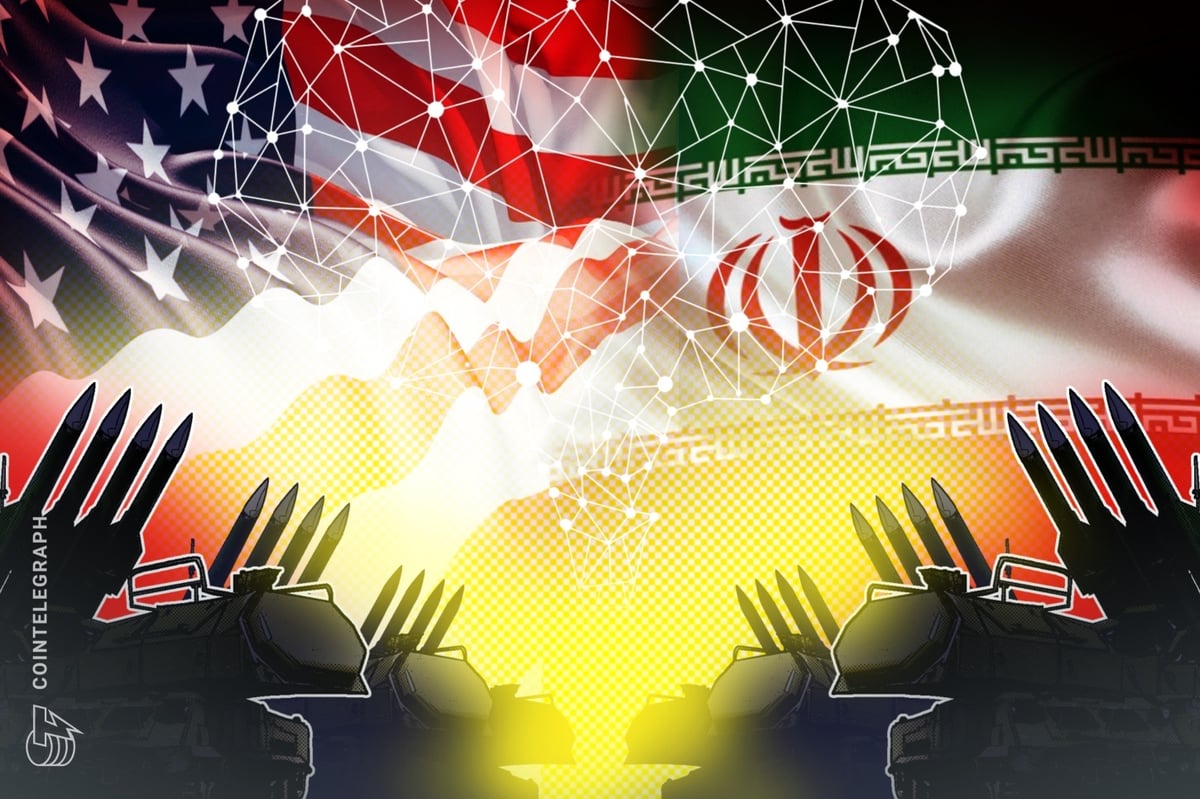
The broader context of these crypto outflows is a nation grappling with profound economic difficulties. The sanctions regime has not only crippled the country’s oil exports, a primary source of revenue, but also deterred foreign investment, leading to persistent inflation, high unemployment, and a struggling private sector. In this environment, the national currency, the Iranian Rial, has experienced significant devaluation, further eroding the purchasing power and savings of ordinary citizens.
The fragility extends deep into Iran’s traditional banking sector. A stark example emerged in October of the previous year when Ayandeh Bank, one of Iran’s largest private financial institutions, declared bankruptcy. This collapse was precipitated by an accumulation of staggering losses, estimated at $5.1 billion, and nearly $3 billion in debt. The ramifications were immense, directly impacting more than 42 million customers who suddenly found their savings and financial stability at risk.
This incident was not isolated. The Central Bank of Iran had, in the preceding year, issued stark warnings that at least eight other local banks were teetering on the brink of dissolution unless they implemented drastic and immediate reforms. Such pronouncements underscore a systemic vulnerability within the country’s conventional financial infrastructure, pushing more and more Iranians to seek alternative, more resilient avenues for their assets. Cryptocurrencies, despite their inherent risks, often appear as a viable, if not the only, alternative for many seeking to protect their wealth from economic erosion and state control.
Challenges and Vulnerabilities of Iran’s Crypto Ecosystem
While cryptocurrencies offer a potential lifeline, Iran’s digital asset ecosystem is not without its own set of significant vulnerabilities and challenges. The very platforms that provide this financial escape valve are themselves targets for illicit activity. Nobitex, despite its robust market position, suffered a substantial security breach in June of the previous year, reportedly losing $81 million in an exploit. Such incidents highlight the inherent risks associated with centralized crypto exchanges, particularly in regions where regulatory oversight might be less developed or where geopolitical tensions make them attractive targets for cybercriminals.
Furthermore, the Iranian government’s stance on cryptocurrencies has been complex and often contradictory. While the central bank has explored the development of a national digital currency (CBDC), the "digital rial," and has, at times, permitted cryptocurrency mining to circumvent sanctions, it also maintains strict controls over internet access and capital flows. This creates an environment of regulatory uncertainty and operational risk for both exchanges and users. The swift implementation of internet blackouts demonstrates the state’s ultimate power to disrupt even the most decentralized forms of finance when perceived as a threat to national security or stability.
Geopolitical Context: A Deepening Crisis
The immediate trigger for the crypto outflow was the escalation of geopolitical tensions between Iran and a coalition of the United States and Israel. Reports indicate that the US and Israel are engaged in efforts to destabilize the current Iranian regime and neutralize its nuclear and missile programs, which they view as significant regional and global threats. Iran has consistently denied pursuing nuclear weapons, asserting its nuclear program is for peaceful purposes, but has responded to perceived aggression with its own military actions, including reported airstrikes on neighboring countries. These retaliatory actions have only served to exacerbate instability across the region, creating a volatile backdrop against which economic and financial activities are conducted.
The broader geopolitical struggle has profound implications for financial markets, both traditional and digital. The prospect of military conflict or intensified sanctions often triggers panic selling in traditional markets and a flight to perceived safe-haven assets. In Iran’s unique context, where traditional safe havens are often inaccessible or compromised, cryptocurrencies emerge as a primary, albeit highly volatile, alternative. The recent events underscore how quickly such a digital safe haven can be shut down by state action, demonstrating the limits of decentralization when confronted by centralized control over critical infrastructure like the internet.
Implications and Future Outlook
The events surrounding Nobitex and the subsequent internet blackout offer several crucial insights into the evolving role of cryptocurrencies in global geopolitics and crisis management. Firstly, they reaffirm crypto’s potential as a financial escape valve for individuals living under restrictive regimes or in conflict zones. The initial surge in withdrawals clearly indicates a desire by many Iranians to protect their assets from instability and state control, leveraging crypto’s borderless nature.
Secondly, the swift implementation of an internet blackout by the Iranian regime highlights the enduring power of state control over digital infrastructure. Even highly decentralized technologies like cryptocurrencies remain vulnerable to centralized points of control, such as internet service providers. This demonstrates that while crypto can offer a degree of financial freedom, it is not immune to state intervention at the infrastructural level. This dynamic creates a perpetual cat-and-mouse game between citizens seeking financial autonomy and governments seeking to maintain control over capital flows and information.
Thirdly, the conflicting analyses from Elliptic and TRM Labs underscore the challenges of forensic analysis in complex, real-time geopolitical scenarios. Distinguishing between genuine capital flight and a general downturn caused by external factors like internet blackouts requires nuanced data interpretation and an understanding of the local context. This highlights the need for robust, multi-faceted analytical approaches when assessing financial trends during crises.
Looking ahead, the incident suggests that as geopolitical tensions continue to simmer globally, the role of cryptocurrencies in sanctioned economies will only grow. However, so too will the efforts by states to monitor, regulate, or even shut down access to these digital assets. For the millions of Iranians facing a precarious financial future, the ability to access and utilize cryptocurrencies may remain a critical, albeit increasingly challenged, avenue for financial resilience and personal liberty. The ongoing interplay between technological innovation, state power, and individual financial agency will undoubtedly continue to shape the narrative of digital assets in an ever-more interconnected and volatile world.