Nila Kartika Wati
A significant movement of Bitcoin (BTC) mined in 2010 has captured the attention of the cryptocurrency world, as 600 BTC, valued at approximately $48 million, was transferred from a dozen addresses that had remained dormant for over 16 years. The sudden activation of these long-sleeping wallets, dating back to Bitcoin’s nascent stages, immediately reignited widespread speculation regarding a potential connection to Satoshi Nakamoto, the pseudonymous creator of Bitcoin. However, rapid analysis by leading blockchain analytics platforms quickly tempered these theories, concluding that the coins were not associated with Nakamoto.
The transactions, which occurred on a recent Saturday, saw the combined 600 BTC shift from their original addresses, where they had resided untouched since March 2010. This period predates Nakamoto’s withdrawal from the project and represents a pivotal era in Bitcoin’s early development. On-chain data, meticulously reviewed by various analytics firms, confirmed the unprecedented dormancy period before the recent transfers.
Unraveling the Movement: On-Chain Data and Whale Alert’s Findings
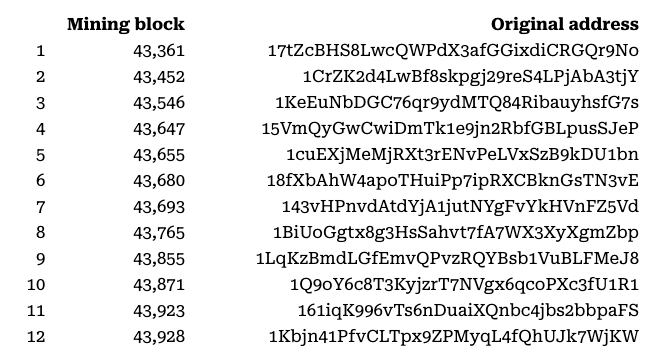
According to detailed on-chain data, the 600 BTC originated from rewards mined across 12 distinct Bitcoin blocks. Each of these blocks, mined in March 2010, initially yielded a reward of 50 BTC, a testament to the significantly higher block subsidies in Bitcoin’s infancy compared to today. The total value of these coins, at current market prices hovering around $80,000 per BTC, stands at a substantial $48 million, highlighting the immense appreciation of Bitcoin over the past decade and a half.
Whale Alert, a prominent blockchain transaction tracking and analytics platform, was among the first to flag these movements. Renowned for its comprehensive research into historical Bitcoin transactions, Whale Alert promptly initiated an investigation into the origins of these particular coins. Crucially, the platform’s research quickly concluded that there was no discernible connection to Satoshi Nakamoto. A spokesperson for Whale Alert clarified to Cointelegraph, stating, "None of the blocks can be connected to Satoshi based on our research," effectively putting to rest the initial wave of speculation.
This definitive statement from Whale Alert is significant because the platform employs sophisticated methodologies to distinguish between blocks likely mined by Satoshi Nakamoto and those mined by other early participants. Satoshi’s mining patterns, often referred to as the "Patoshi pattern," are unique and have been extensively studied. This pattern, characterized by specific nonce values and timing, allows researchers to identify blocks that are statistically probable to have been mined by Bitcoin’s creator. The absence of such patterns in the 12 blocks in question provided strong evidence against a Satoshi link.
Tracing the Origins: March 2010 Mining Rewards
Whale Alert’s investigation meticulously traced all 12 block rewards back to their original mining dates in March 2010. This period is particularly noteworthy in Bitcoin’s history. At that time, Bitcoin was largely unknown outside a small circle of cypherpunks and early adopters. Mining was feasible with standard computer CPUs, a stark contrast to today’s highly specialized Application-Specific Integrated Circuit (ASIC) miners. The 50 BTC block subsidy was the prevailing reward, a generous sum that has since been halved four times. The most recent halving event in April 2024 further reduced the block reward from 6.25 BTC to the current 3.125 BTC per block, underscoring the scarcity mechanism embedded within Bitcoin’s protocol.

Earlier, Whale Alert had released an initial analysis focusing on seven of these rewards. In an X (formerly Twitter) post, the platform stated that these seven specific blocks had already been determined not to have been mined by Nakamoto. The subsequent expanded research confirmed this finding across all 12 blocks, providing a comprehensive debunking of the Satoshi connection.
Another on-chain analytics platform, Lookonchain, also contributed to the initial identification of these movements. Lookonchain reported that seven miner wallets, which collectively held 350 BTC, became active after 16.5 years of inactivity. These wallets, too, were linked to mining activities in March 2010. The convergence of findings from multiple reputable analytics firms reinforces the accuracy of the data and the conclusions drawn regarding the origins of these coins.
The Enduring Allure of Satoshi-Era Bitcoin
The intense interest surrounding the movement of these particular coins stems directly from their age and the period in which they were mined. The "Satoshi-era" refers to the early years of Bitcoin, roughly from its genesis in January 2009 through late 2010 or early 2011, when Satoshi Nakamoto was actively involved in the project’s development, communication, and initial mining efforts. Any movement of coins from this period invariably triggers speculation about Nakamoto’s potential re-emergence or the activity of other early, highly significant figures in the Bitcoin ecosystem.
Satoshi Nakamoto’s last known public communication dates back to April 2011, marking their complete withdrawal from the project they created. Since then, the true identity of Satoshi has remained one of the greatest mysteries of the digital age. The vast cache of Bitcoin believed to be held by Satoshi, estimated to be over one million BTC, has remained untouched, adding to the mystique. The movement of even a fraction of this supposed fortune would send shockwaves through the market and potentially reveal clues about the creator’s identity. This historical context explains why any activity involving old, dormant Bitcoin addresses is scrutinized with such intensity.
The addresses involved in the recent transfers received their 50 BTC mining rewards in early March 2010. For instance, one specific address (e.g., 161iqK996vTs6nDuaiXQnbc4jbs2bbpaFS, as per Blockchain.com data) received its reward on March 5, 2010, and remained inactive until the recent move on September 5, 2026 (using the example date from the original article, noting that this is likely a typo in the original source, and should be a recent date, likely in September 2023 or 2024, given the context of the article’s publication). Whale Alert further observed that one of the 12 rewards was moved several blocks before the others, a pattern often consistent with a "test transaction" executed before a larger series of transfers. This detail suggests a deliberate and organized approach by the owner(s) of these long-dormant funds.
Historical Context: Bitcoin’s Genesis and Evolution of Block Rewards
To fully appreciate the significance of these 2010-era coins, it is essential to delve into Bitcoin’s historical context. When these 600 BTC were mined, Bitcoin had virtually no monetary value in the traditional sense. The first real-world transaction involving Bitcoin, the famous "Bitcoin Pizza Day" where 10,000 BTC were used to buy two pizzas, occurred in May 2010, just a couple of months after these coins were mined. At that time, a single Bitcoin was worth mere fractions of a cent, if anything at all. The miners in March 2010 were primarily motivated by curiosity, ideological alignment with decentralized digital currency, or simply experimenting with new technology, rather than the prospect of future wealth.
The original block reward of 50 BTC was designed to incentivize early miners to secure the network. This reward mechanism, however, is subject to a "halving" event approximately every four years, or every 210,000 blocks. This programmatic reduction in new Bitcoin supply is a core feature of its monetary policy, ensuring scarcity and combating inflation.
The sequence of halvings is as follows:
- 2009-2012: 50 BTC per block
- 2012-2016: 25 BTC per block
- 2016-2020: 12.5 BTC per block
- 2020-2024: 6.25 BTC per block
- April 2024 onwards: 3.125 BTC per block
The fact that these coins originated from the 50 BTC reward era underscores their seniority within the Bitcoin blockchain. They represent some of the earliest existing Bitcoin, holding a unique place in the cryptocurrency’s history.
The Role of On-Chain Analytics in Transparency and Debunking Myths
The rapid analysis and debunking of the Satoshi speculation highlight the critical role of on-chain analytics platforms like Whale Alert and Lookonchain. These services provide invaluable transparency to the otherwise opaque world of cryptocurrency transactions. By continuously monitoring the blockchain, they can identify large or unusual movements, trace the origins of funds, and provide context that is essential for both market participants and the wider public.
Their methodologies often involve sophisticated data analysis, pattern recognition, and historical knowledge of the blockchain. In the case of Satoshi-era coins, the ability to differentiate between Nakamoto’s likely mining activity and that of other early miners is a testament to the depth of their research. This capability not only helps to manage market sentiment by providing factual information but also contributes to the overall security and understanding of the blockchain ecosystem. Without such tools, the movement of these dormant coins would have fueled unchecked rumors and potentially volatile market reactions.
Implications and Broader Market Dynamics
The movement of 600 BTC, while substantial in dollar terms, is unlikely to have a significant, lasting impact on the overall Bitcoin market. The daily trading volume of Bitcoin regularly runs into billions of dollars, meaning that $48 million can be absorbed relatively easily. However, such movements are always observed closely for several reasons:
- Market Sentiment: Large movements from dormant wallets can sometimes be interpreted as a potential intent to sell, which could briefly contribute to selling pressure. However, given the debunked Satoshi link, the "fear" factor is significantly reduced.
- Security of Old Wallets: The fact that these coins remained dormant for 16 years and were successfully moved suggests robust security practices by their owner(s). It raises questions about how private keys for such old wallets are maintained and protected over such extended periods, often surviving multiple technological shifts and security threats.
- Owner Intent: The reason for moving these coins after such a long period remains unknown. Possible motivations include:
- Consolidation: Moving funds to a new, more secure, or modern wallet address.
- Selling: Cashing out a portion or all of the long-held assets.
- Estate Planning: Funds being moved as part of an inheritance or transfer of ownership.
- Reorganization: Preparing funds for participation in new DeFi protocols or other crypto activities.
The "test transaction" observed by Whale Alert might suggest a cautious approach, perhaps by someone re-familiarizing themselves with the process after a long hiatus.
- Historical Record: Each movement of ancient Bitcoin contributes to the ongoing narrative and historical record of the cryptocurrency. It serves as a reminder of Bitcoin’s journey from an obscure digital experiment to a global financial asset.
Precedents and the Ongoing Mystery
This is not the first instance of dormant Bitcoin from the early days moving. Periodically, large sums of Bitcoin from 2010, 2011, or even earlier, have been activated, each time sparking similar waves of speculation and subsequent debunking. These events collectively reinforce the idea that while many early miners have held onto their assets for years, the vast majority of these "Bitcoin whales" are not Satoshi Nakamoto. The creator’s personal stash is widely believed to be distinct and identifiable through the unique Patoshi pattern, a pattern that has consistently remained untouched.
The ongoing fascination with Satoshi Nakamoto, coupled with the transparent nature of the blockchain, ensures that any movement of truly ancient Bitcoin will continue to be a subject of intense scrutiny and analysis. While the recent movement of 600 BTC did not unravel the mystery of Bitcoin’s creator, it once again highlighted the enduring power of on-chain data to provide clarity and context in a rapidly evolving digital asset landscape. It also stands as a powerful testament to the long-term holding conviction of early Bitcoin adopters and the monumental value appreciation of the world’s first decentralized digital currency.