Karin Novilda
Solana Foundation president Lily Liu sparked a significant debate within the web3 community on March 20, by publicly declaring blockchain gaming to be "dead" in an X post, a sentiment she has expressed before. The controversy was further amplified by her subsequent, and seemingly ironic, update to her X bio, which now lists her not only as president but also as "head of gaming" at the Solana Foundation – a role conspicuously absent from official listings and other professional profiles. This sequence of events, coupled with a playful "shitpost" from the Foundation’s chief product officer, ignited a firestorm of comments, with many criticizing Liu’s dismissive stance while others staunchly defended the future of web3 gaming.
The Provocative Statement and Its Context
Liu’s pointed declaration, "Also, gaming on a blockchain is not coming back," was made in response to a March 18 X post from Polymarket. The Polymarket post, which proved to be somewhat misleading, claimed that Meta was in the process of shutting down its metaverse division. This initial claim set the stage for Liu’s pronouncement, linking the perceived struggles of Meta’s metaverse ambitions directly to the broader viability of blockchain gaming. While the original Polymarket post focused on Meta, Liu’s statement broadened the scope, questioning the fundamental premise of integrating gaming with blockchain technology.
Her statement quickly circulated, drawing immediate attention from developers, investors, and enthusiasts across the web3 ecosystem. The stark finality of her words – "not coming back" – resonated particularly strongly, challenging the very foundation upon which numerous projects and significant capital investments have been built.
An Ironic Twist: The "Head of Gaming" Bio Update
Adding a layer of perplexing irony to the unfolding narrative, Lily Liu’s X (formerly Twitter) bio was updated on the same day to include the title "head of gaming" at Solana Foundation, alongside her established role as president. This new designation, notably absent from her LinkedIn profile, official Solana Foundation communications, or any public staff listings, strongly suggested an intentional, self-aware act of satire. The move immediately struck many as a pointed joke, a meta-commentary on her own public skepticism regarding the sector she was now, ostensibly, leading.
The internal reactions within the Solana Foundation appeared to lean into the absurdity. Vibhu, the Foundation’s chief product officer, chimed in with a self-proclaimed "shitpost" that poked fun at Liu’s original statement, further blurring the lines between serious executive commentary and playful banter. Concurrently, the official Solana Gaming X account added to the confusion and amusement by posting a message congratulating Liu on her "new role" as head of gaming, seemingly playing along with the satirical act. This collective embrace of irony within the Solana ecosystem highlighted the multifaceted nature of the discussion, suggesting that while Liu’s initial statement was provocative, it might also have been designed to stimulate conversation rather than represent a rigid, official policy.
A History of Skepticism from a Key Figure
This is not the first instance where Lily Liu has voiced a dismissive view of blockchain gaming. Her skepticism has been evident in recent months, indicating a consistent perspective rather than an isolated remark. In a more extensive X post on February 5, Liu articulated her belief that blockchain networks should primarily concentrate on core use cases such as finance and technology. In that earlier post, she explicitly stated, "I am happy the misadventures around things like gaming in particular are fully dead and over."
She continued to elaborate on her vision for blockchain technology, emphasizing its foundational purpose: "This blockchain adventure has always been about finance: open financial rails for anyone and everyone on the internet." This consistent stance underscores a philosophical divergence from many in the web3 space who view gaming as a crucial, perhaps even the leading, application for mass adoption of blockchain technology. Her perspective posits that diverting resources and focus towards gaming detracts from what she perceives as the true, transformative potential of decentralized finance.
The Broader Web3 Gaming Landscape: Struggles and Emerging Resilience
Liu’s comments arrive at a time when the web3 gaming sector is indeed grappling with significant challenges, a reality that lends some credence to her observations, albeit without the same finality. After an explosive period of growth and investment, particularly in 2021, the market has seen a notable cooling. Data from DappRadar and other analytics firms highlight a fluctuating landscape.
In 2021, blockchain games attracted an astonishing $4 billion from venture capital firms, fueled by the hype around "play-to-earn" (P2E) models and the broader NFT boom. This period saw the emergence of titles like Axie Infinity, which, despite its eventual decline, showcased the potential for digital asset ownership and player-driven economies. However, the sustainability of many P2E models proved fragile, often relying on continuous new player influx and speculative tokenomics. The bear market of 2022 and 2023 further exacerbated these issues, leading to significant drops in token prices, user engagement, and investor confidence.
While monthly investments in web3 gaming projects were still in the tens of millions of dollars last year, according to DappRadar, this figure represents a substantial decrease from the sector’s peak. DappGambl reported that as of late 2023, nearly 75% of web3 games had failed or become inactive, underscoring the high mortality rate inherent in a nascent and experimental industry. Daily Active Users (DAU) across many blockchain games also saw a significant decline from their highs, indicating a struggle to retain a broad player base beyond early adopters and speculators.
However, it’s crucial to note that this "struggle" is part of an evolutionary process. Many developers and investors remain optimistic, arguing that the initial P2E hype cycle was merely the first iteration. They contend that the industry is now moving towards more sustainable models, focusing on genuine gameplay, robust in-game economies, and experiences that prioritize fun over pure financial incentives. New approaches, such as "play-and-own" or "play-to-mint," are emerging, aiming to integrate blockchain elements seamlessly without compromising the core gaming experience. Companies like Immutable, Polygon Labs, and Avalanche continue to invest heavily in dedicated gaming ecosystems, recognizing the long-term potential.
Solana’s Gaming Ambitions and Internal Contradictions
Liu’s strong anti-gaming stance appears to be at odds with some of Solana’s own strategic moves and investments in the gaming space. Despite her personal views, the Solana ecosystem has actively sought to attract game developers and foster a vibrant gaming community.
As The Defiant reported previously, MagicBlock, a company focused on building real-time gaming infrastructure on Solana, successfully raised a $7.5 million seed round last April. This funding round notably included backing from none other than Solana co-founder Anatoly Yakovenko himself, a clear signal of the network’s commitment to supporting gaming initiatives. Yakovenko’s personal investment highlights a belief at the highest levels of Solana that the blockchain has a role to play in the future of interactive entertainment.
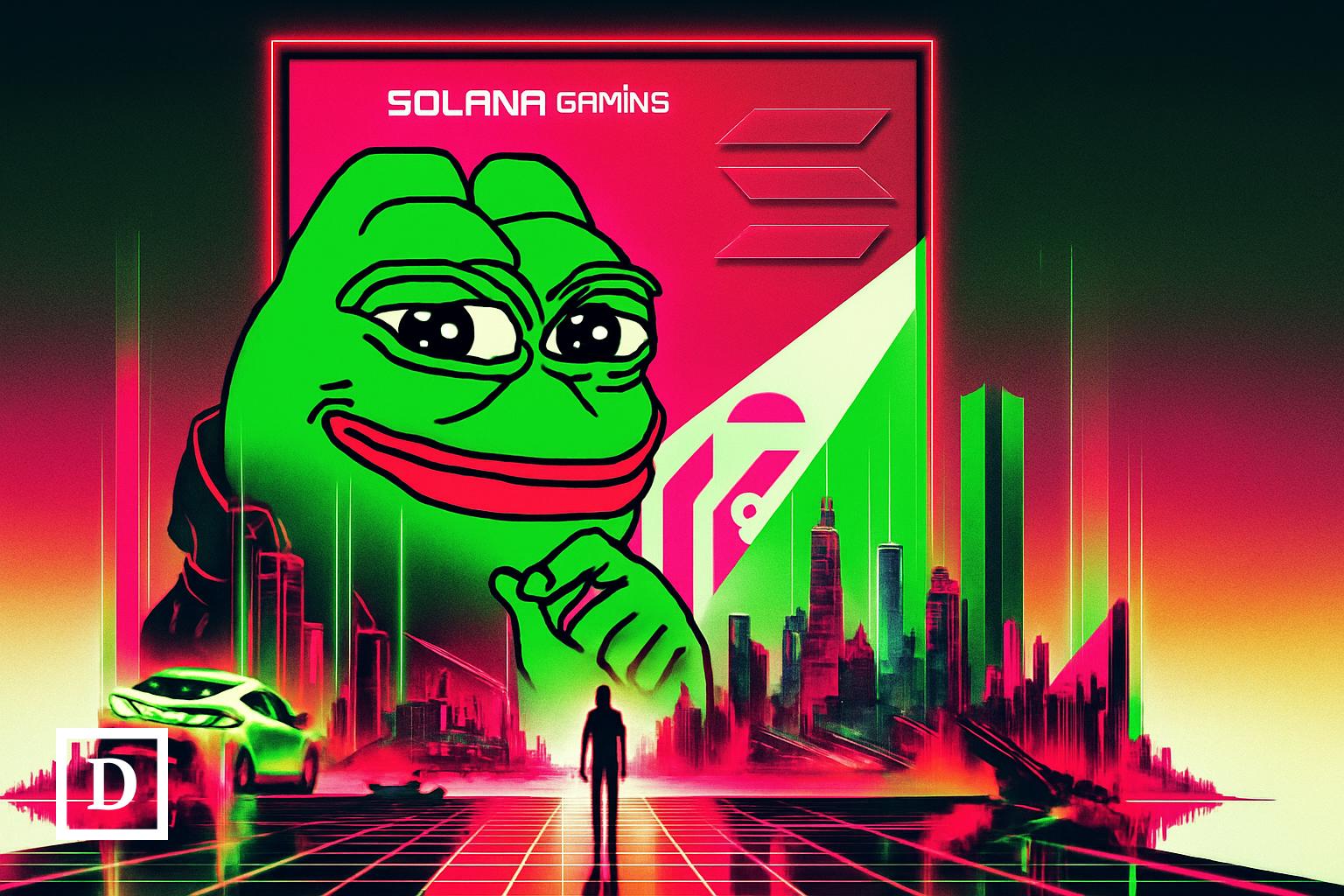
Beyond MagicBlock, Solana has been positioning itself as a high-performance blockchain suitable for gaming due to its low transaction fees and high throughput. Various game studios and platforms have chosen Solana as their foundational layer, citing its technical advantages. Projects like Star Atlas, Aurory, and Genopets represent significant investments and ongoing development efforts on the Solana blockchain. The introduction of the Solana Saga phone, with its emphasis on mobile web3 applications and a dedicated dApp store, also implicitly supports the growth of blockchain-based games accessible on mobile devices. These efforts demonstrate a strategic intent to capture a share of the burgeoning, albeit challenging, web3 gaming market.
Therefore, Liu’s statement, while from a prominent Solana Foundation executive, introduces a perceived contradiction within the ecosystem’s public narrative and its actual developmental activities. It raises questions about the alignment of leadership perspectives with the broader strategic direction and community engagement efforts of the Solana network.
The Meta Metaverse Misunderstanding: A Catalyst for Debate
The initial Polymarket post that triggered Liu’s statement centered on Meta’s metaverse ambitions, specifically claiming a shutdown of its metaverse division. This claim was, as detailed by WIRED and subsequently clarified by Meta itself, misleading. What Meta, the parent company of Facebook, WhatsApp, and Instagram, initially announced was the cessation of new development and limited support for its online, multiplayer VR game, Horizon Worlds, for users in VR. This information was reportedly communicated via email to users on a Tuesday. Horizon Worlds, a key project of Meta’s Reality Labs metaverse arm, was indeed facing scaling issues and user retention challenges.
However, the situation quickly evolved. Just days after the initial announcement, Meta’s CTO Andrew Bosworth clarified that, in response to user feedback and to support existing games and fans, the company had reversed course and decided to keep Horizon Worlds running in VR. While future investments would be limited and no new games or major features would be introduced, the platform would not be fully shut down. This rapid reversal underscores the fluid and often uncertain nature of development in the nascent metaverse space, where company strategies can pivot based on market response and internal evaluations.
The mischaracterization of Meta’s actions, and its subsequent correction, serve as a potent reminder of the often-exaggerated narratives and rapid-fire misinformation that can circulate in the fast-paced world of emerging technologies. It also highlights how a single, misinterpreted event can become a catalyst for broader industry-wide declarations, as seen with Liu’s "gaming is dead" pronouncement.
Industry Reactions and the Ongoing Debate
Liu’s comments unleashed a torrent of reactions across social media and web3 forums. Critics argued that her statement was overly simplistic, ignored the significant innovation still occurring in the space, and could be disheartening to the thousands of developers and entrepreneurs dedicating their efforts to building blockchain games. Many pointed out that emerging technologies often face periods of hype, disillusionment, and eventual maturation, and that web3 gaming is likely in the latter stages of this cycle rather than being definitively "dead."
Defenders of web3 gaming highlighted ongoing advancements in areas like fully on-chain games, sophisticated in-game economies, digital ownership, and new forms of player interaction. They emphasized that the industry is learning from the mistakes of the early P2E era, moving towards more sustainable and engaging models. Some even suggested that a critical eye from influential figures like Liu could be beneficial, pushing developers to focus on quality and genuine utility rather than speculative financial mechanics.
The debate also touched on the role of blockchain technology itself. While Liu posits that finance is its primary application, many believe that verifiable digital ownership, transparent asset trading, and decentralized governance mechanisms offered by blockchain are inherently beneficial for gaming, regardless of specific economic models. The ability to truly own in-game assets, trade them freely, and even participate in the governance of game worlds represents a fundamental shift in the player-developer relationship, a shift that proponents argue is too significant to simply dismiss.
Analysis: Irony, Strategy, or Genuine Belief?
The precise intent behind Lily Liu’s actions remains open to interpretation. Was her "head of gaming" bio update a deliberate act of self-aware irony, designed to spark conversation and perhaps even mock the very concept she was criticizing? Or was it a more nuanced, strategic move, aiming to provoke a response and encourage a more critical assessment of current web3 gaming trends? Given her consistent skepticism, it is plausible that the irony served as a rhetorical device to emphasize her conviction.
From a strategic standpoint, such a provocative statement, even if partly satirical, can force the community to confront uncomfortable truths about the sector’s challenges. It could be seen as an attempt to steer Solana’s focus towards what Liu perceives as more robust and viable use cases for the blockchain, particularly decentralized finance. By declaring an area "dead," she might be implicitly advocating for a redirection of resources and attention within the Solana ecosystem.
However, the potential implications of such a high-profile statement from a Solana Foundation president are significant. It risks alienating developers who are actively building games on Solana and could deter new talent and investment from entering the ecosystem. While the playful responses from the CPO and Solana Gaming account might soften the blow, the underlying message from a key leader is undeniably critical.
Looking Ahead: The Evolving Landscape of Web3 Gaming
Regardless of the precise intent behind Liu’s statements, the episode underscores the ongoing identity crisis and evolutionary phase of web3 gaming. The sector is undoubtedly moving past its initial speculative boom, but whether this signifies its "death" or merely a necessary transition towards maturity and more sustainable models is a point of contention.
For Solana, the situation highlights an interesting internal dynamic. While a top executive expresses deep skepticism about gaming, the network itself continues to attract and support game development. The future will reveal whether Liu’s perspective will ultimately shape Solana’s long-term strategy, or if the growing ecosystem of developers and the undeniable allure of gaming will continue to drive innovation on the blockchain. The debate ignited by Liu’s remarks serves as a critical checkpoint, forcing the industry to reflect on its progress, its pitfalls, and the path forward for truly integrating blockchain technology with the vast and complex world of interactive entertainment.
This article was written with the assistance of AI workflows. All our stories are curated, edited, and fact-checked by a human.